Crete Wildflowers: When and Where to See Them
When to see wildflowers in Crete, where to go by altitude and region, autumn vs spring flowers, and how to plan a trip without a tour.
Last updated November 2026. Crete wildflowers peak in spring at low altitude, climb into the White Mountains later, and return in autumn with Cyclamen, Colchicum and Crocus. Western Crete around Chania, the Omalos Plateau and Apokoronas gives you the most variety within a short drive. Expect scattered, diverse flowers rather than solid carpets, and see our wildflower fields across Europe guide if you want mass colour.
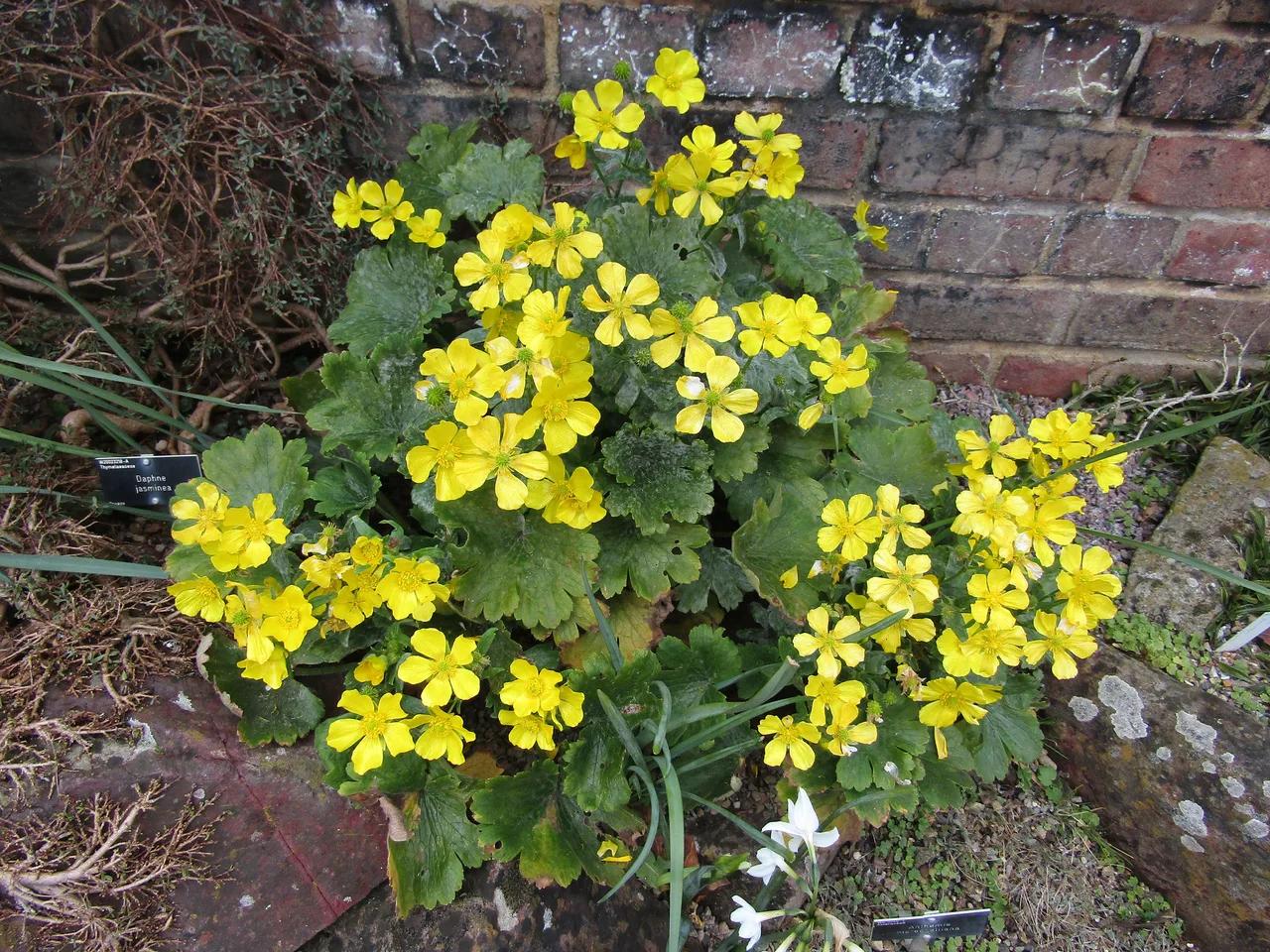
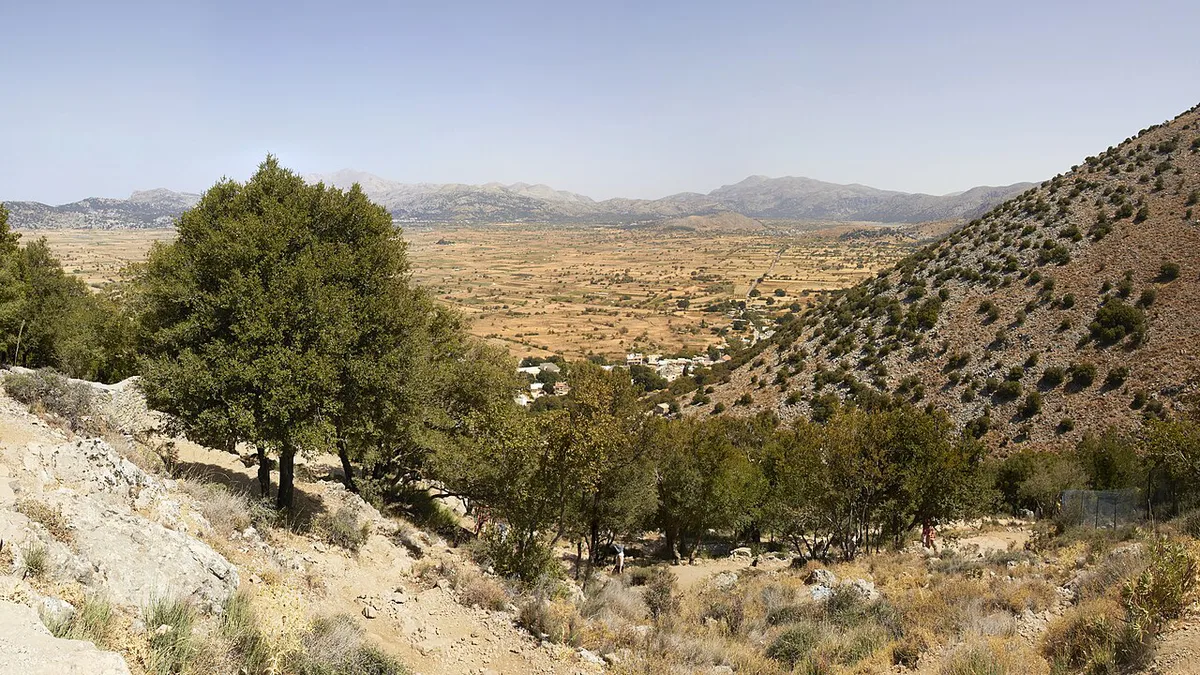
Featured image: wallygrom, CC BY-SA 2.0, via Flickr.
When to See Crete Wildflowers: Season Guide
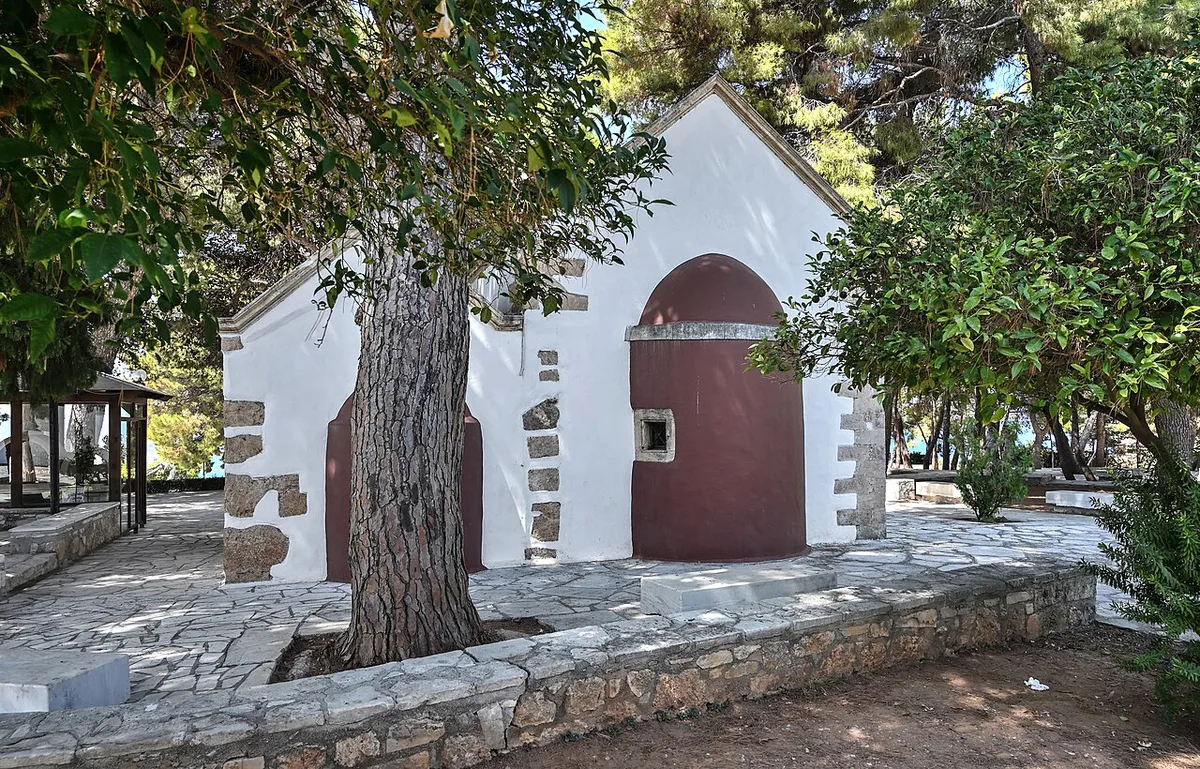
Timing on Crete depends on altitude and on the year. Low coastal ground flowers first, hill villages follow, and the White Mountains plateaus bloom last. Autumn is a second season that most guides skip. Use this table as a planning frame, not a promise of dates.
| Season | Typical flowers | Where | Caveat |
|---|---|---|---|
| Late winter to spring | Orchids, anemones, tulips, peonies, daphnes | Akrotiri Peninsula, Apokoronas, Spili, Aptera, Armenoi | Varies by year and altitude |
| Late spring to early summer | Mountain species as snow clears | Omalos Plateau and White Mountains | Varies by year and altitude; road and gorge access depends on conditions |
| Autumn | Cyclamen, Colchicum cretense, Crocus laevigatus | Omalos Plateau and other upland ground | Weather turns less predictable, with thunderstorms possible |
| Peak summer | Few showy flowers | Not a flower season | Heat; skip unless you are visiting for other reasons |
Best Areas for Wildflowers in Western Crete
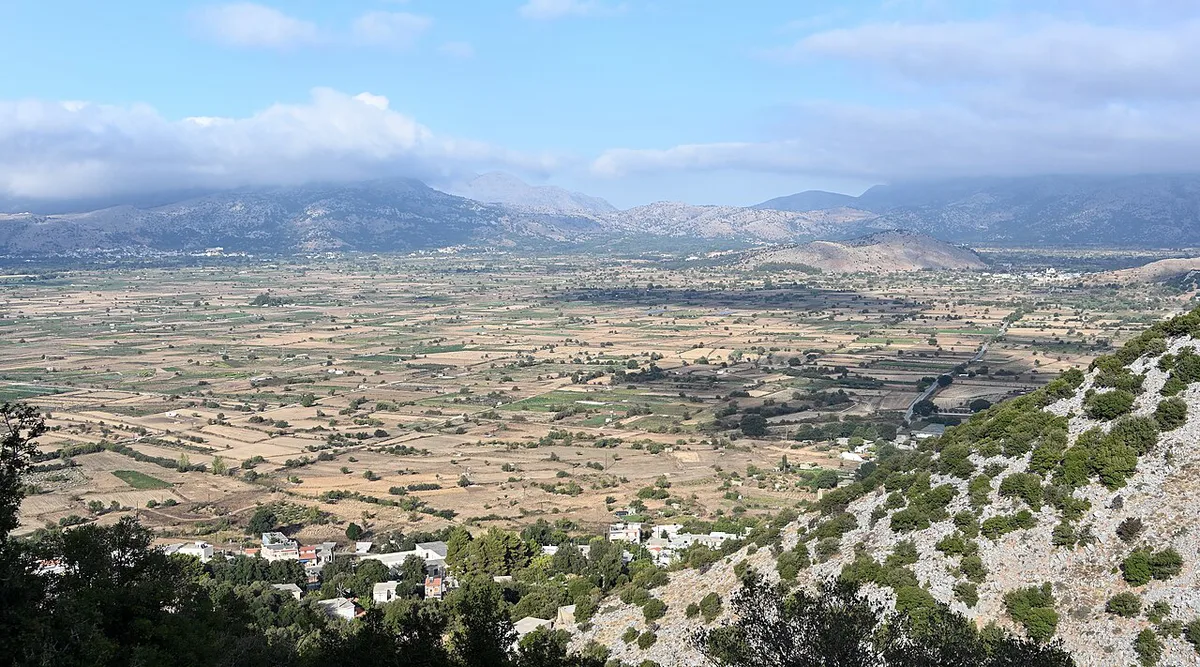
Western Crete around Chania works well as a base because several flower areas sit within a day's drive. Match each area to the month and your fitness, then keep a lowland fallback for bad weather.
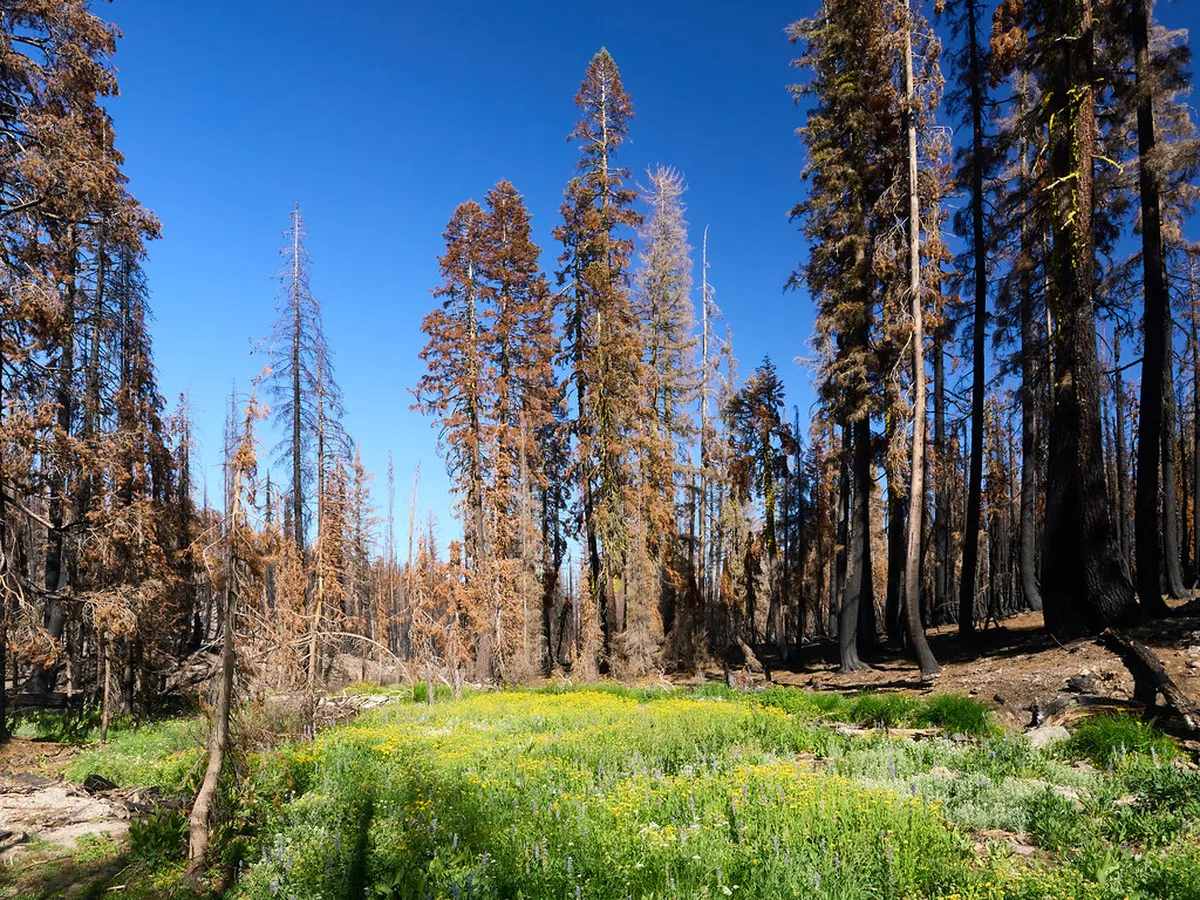
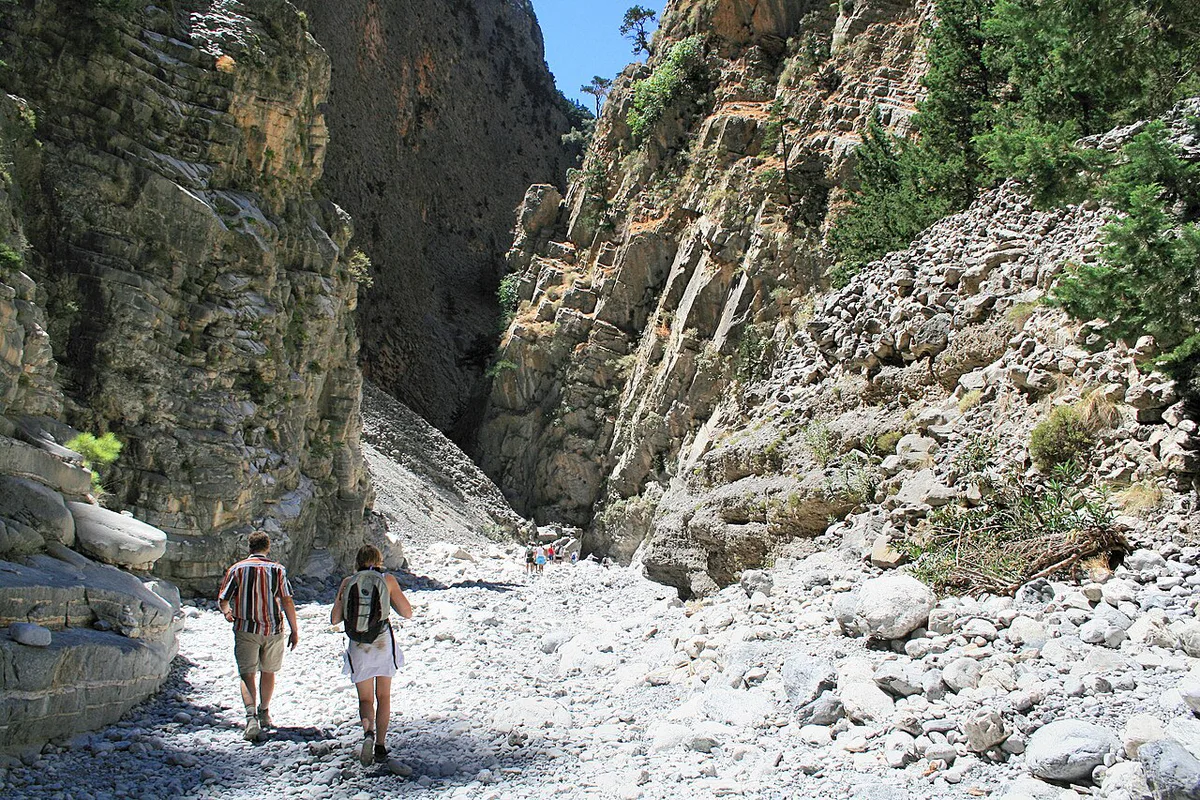
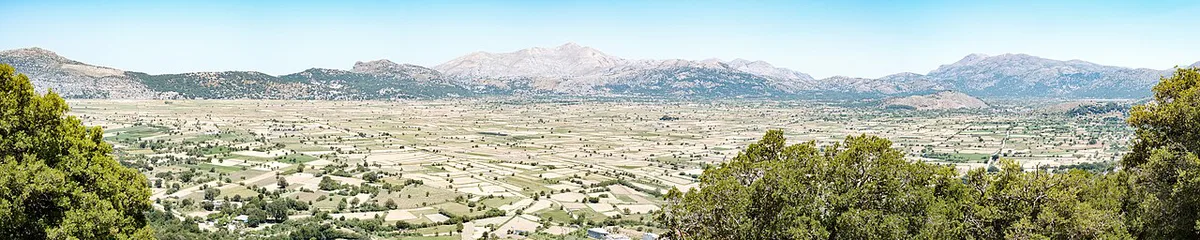
- White Mountains and Omalos Plateau: the high-altitude choice, best for later-season and autumn flowers. Suits confident drivers and walkers. Samaria Gorge is said to hold at least 450 plant types, though you should treat that count as a tour-operator claim.
- Akrotiri Peninsula: coastal ground near Chania for a botanical ramble. Suits short, low-effort outings.
- Apokoronas: foothill country at the base of the White Mountains, known locally for its flowers. Suits a relaxed driving day.
- Spili and the Rethymno hinterland: hill-village terrain where orchids turn up along the way. Armenoi's Minoan cemetery is noted for spring flowers.
- Aptera: a hilltop ancient city with walls, Roman cisterns and a Byzantine monastery set among wildflowers. Suits travellers who want history and flowers in one stop.
Which Flowers to Look For
Orchids, anemones, tulips, peonies and daphnes are the spring names that regional itineraries mention most. For orchids across the continent, see our orchid-spotting guide. In autumn, Cyclamen can cover whole areas, and several species grow on the island, including Cyclamen confusum, which makes identification tricky. Colchicum cretense and Crocus laevigatus have been seen flowering on the Omalos Plateau in autumn. For comparison with other bulb displays, read about crocus and colchicum fields. Endemic plants exist on Crete, but a field guide or local botanist should confirm names before you label a find.
Planning It Yourself vs Joining a Tour
Escorted botanical tours dominate the search results for this topic, but a self-guided trip is realistic if you drive. Weigh the trade-offs below before booking.
- Guide expertise: a tour leader names plants quickly, while you will need a field guide or plant-ID app.
- Flexibility: self-guided lets you linger at a good roadside patch or swap days when rain closes the plateau.
- Car need: a tour covers transport, while independent travel generally needs a hire car in the west.
- Mountain-road risk: tours absorb route decisions, while you must judge weather and road conditions on the Omalos route yourself.
- Cost drivers: tours bundle flights, hotel and guiding, while self-guided costs depend on car hire and lodging. Compare current quotes from operators.
Costs, Access and Opening Hours
Samaria Gorge and mountain access depend on season and weather, and no fee or hours are quoted here. Check the park management and Ministry of Culture pages for Aptera and Armenoi before you go. For regional planning context, Visit Greece's Crete page is a useful start. The Region of Crete tourism site also lists local information.
Where to Stay and Getting Around
Chania suits a flower trip best because Akrotiri, Apokoronas, Aptera and the road to Omalos all start from the west. Rethymno is a reasonable alternative for Spili and Armenoi. Public transport will not reach most flower sites, so a hire car is the practical choice. Mountain roads can close after storms. One autumn group set out on a day forecast to reach 24°C, then met thunderstorms on the plateau. Rain left a torrent of mud and rocks across the road, and the gorge viewpoint was shut. Check the forecast each morning and keep a lowland alternative.
Mistakes to Avoid
Most disappointments come from timing and altitude. Avoid these.
Forecasts reading 24°C did not rule out storms on the plateau, so check conditions each morning even on warm days.
- Going to the wrong altitude for the month: lowland flowers fade before the mountains open up.
- Trusting a fixed bloom date: flowering shifts from year to year.
- Heading to a gorge or plateau in a storm: closures and flooded roads are possible.
- Picking or digging plants: collecting wild and endemic plants is restricted, so photograph rather than take.
- Relying on one trip for rare species: some plants will be out of flower on any given visit.
- Expecting a solid field of colour: for that, try the poppy fields of Europe.
Who Should Skip It, and Where Else to Go
Skip a flower-focused trip if you are visiting in peak summer heat or cannot drive. If you want to compare destinations, Picos de Europa Flowers: When and Where to See Wildflowers offer a mountain alternative. Alpine Flowers in Europe: Where and When to See Them follow similar altitude logic. For another Mediterranean spring display, read about Castelluccio di Norcia in bloom.
Bloom-season notes
Optional updates when we add or revise garden guides.
Continue reading
Guides on the same trip