Crocus Fields in Europe: Where and When to See Them
Where to see crocus fields in Europe, spring and autumn bloom timing, access trade-offs and mistakes to avoid when planning a visit.
Last updated November 2026: crocus fields are a short seasonal spectacle, and spring-flowering and autumn-flowering species bloom in different places at different times. This guide is about seeing wild and farmed crocuses, not planting them. For other flower trips, start with our overview of European wildflower trips.
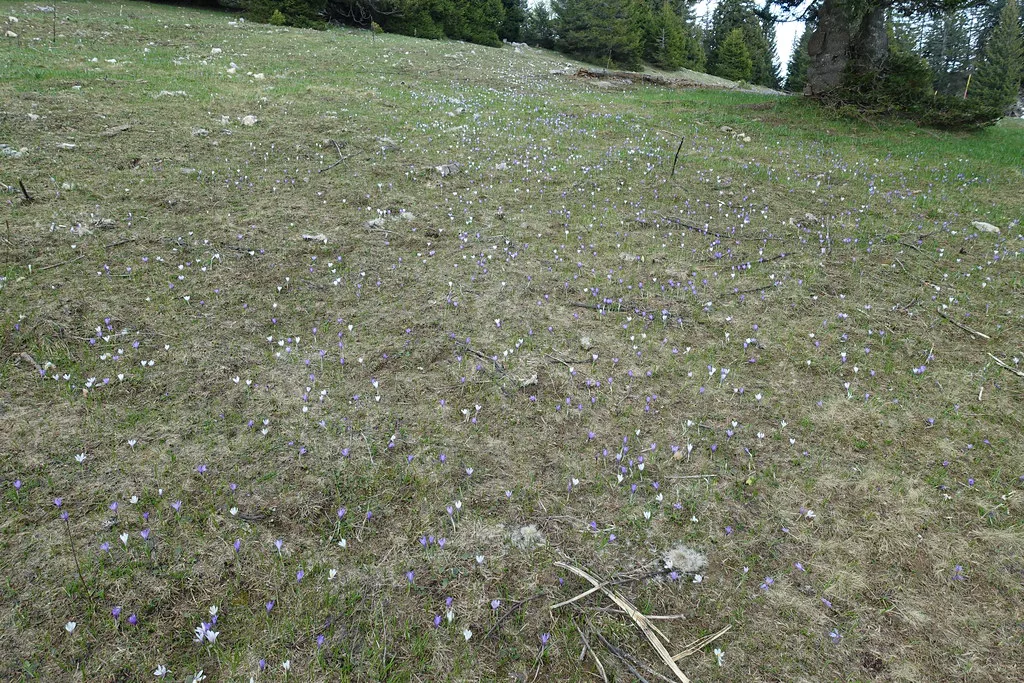
Featured image: wallygrom, CC BY-SA 2.0, via Flickr.
Crocus fields at a glance: spring vs. autumn
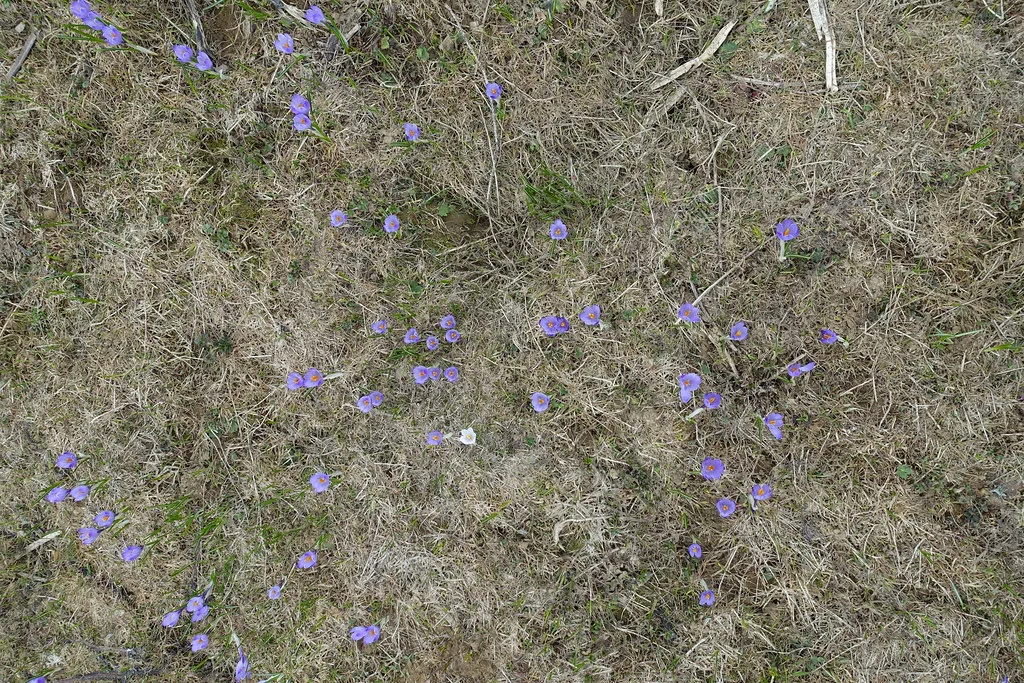
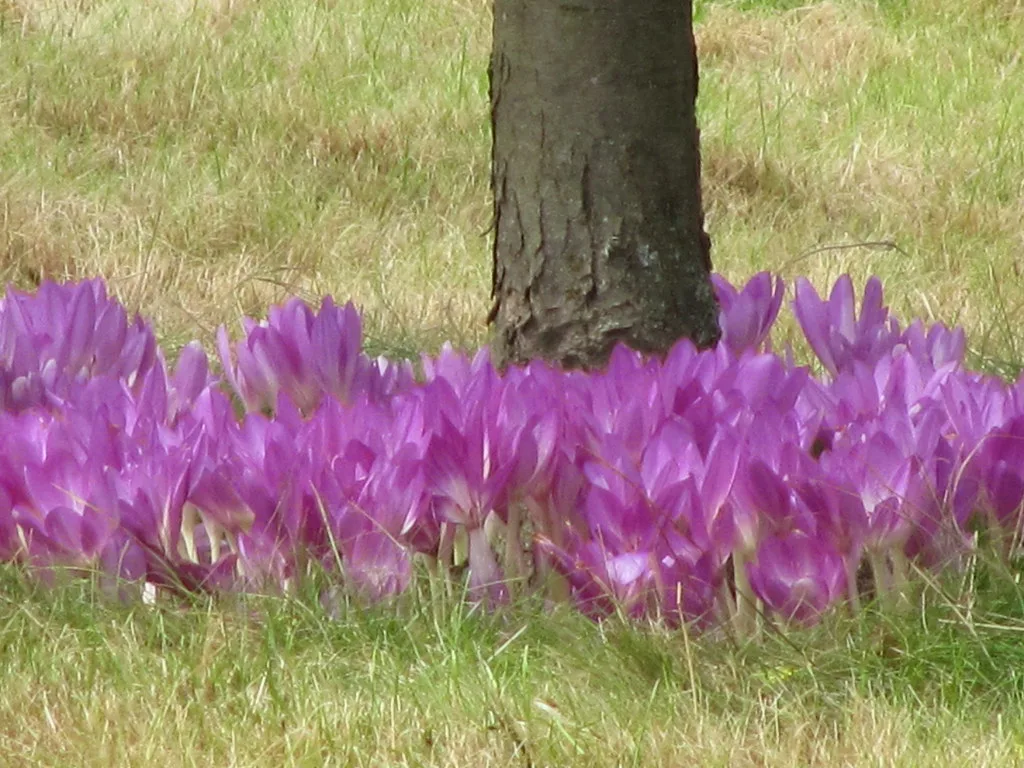
Spring and autumn crocuses are different trips. Spring-flowering species open as snow retreats, first in lowland meadows and later on higher pastures. Autumn-flowering species include the saffron crocus, which is grown on farmland and harvested by hand. Botanically, both groups belong to the genus Crocus, but they flower in different seasons and often in different landscapes. Your visit depends on timing more than on any single famous site.
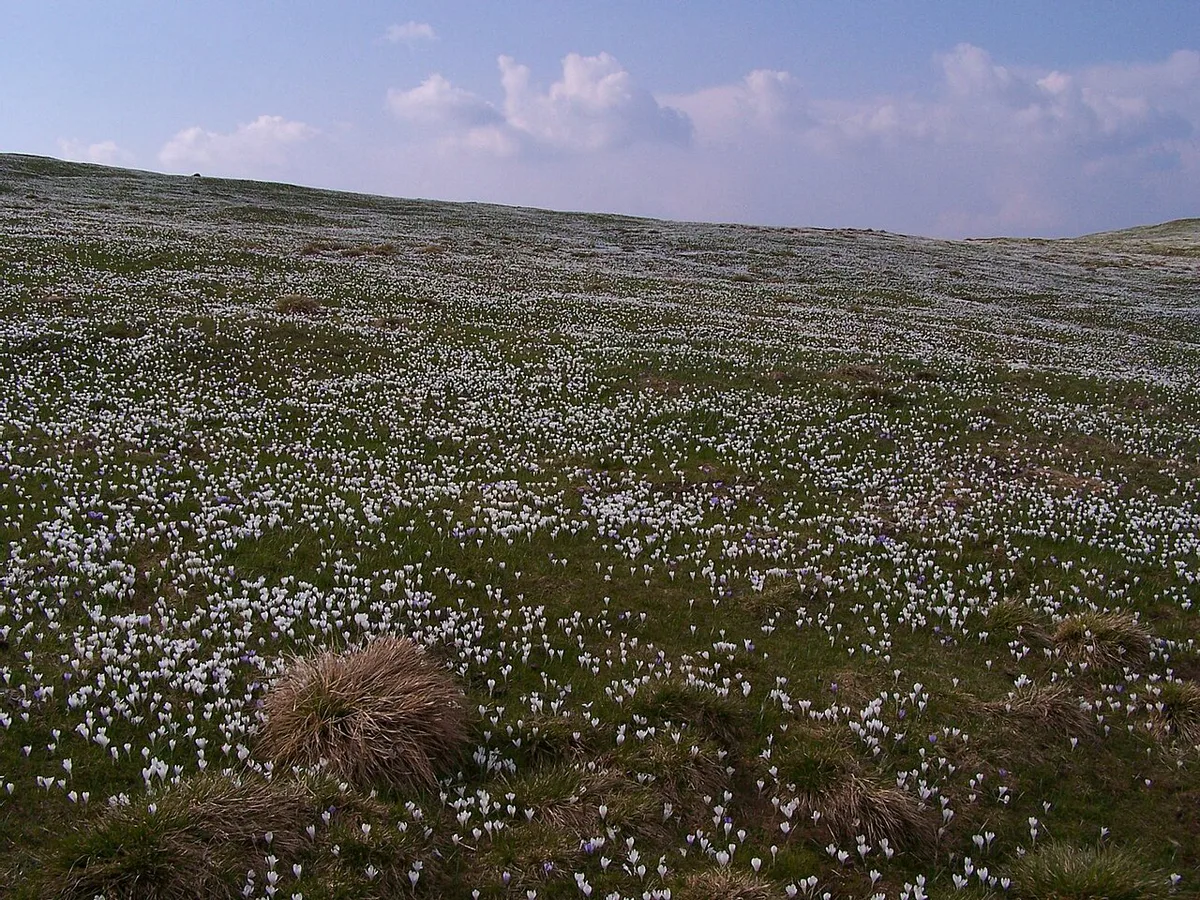
- Spring: wild meadows and alpine pastures, weather and altitude decide the dates.
- Autumn: saffron farmland and harvest events, dates set by the growers.
- Parks and gardens: managed plantings that flower on a more predictable schedule.
Where to see crocus fields in Europe
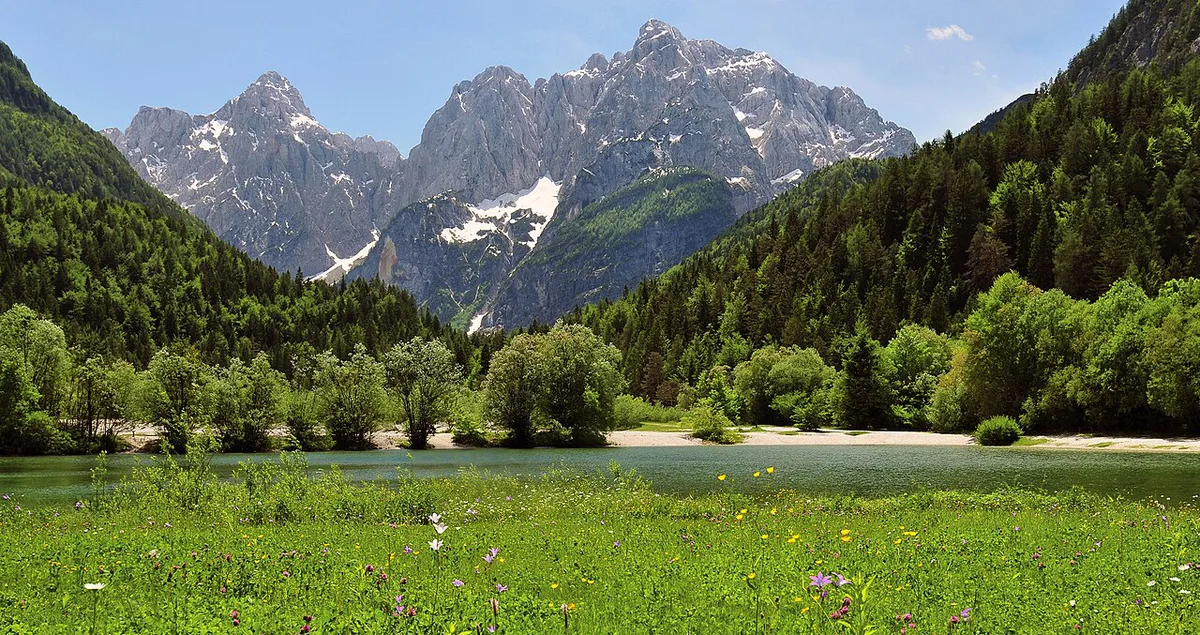
Four site types cover most trips. Alpine and Pyrenean meadows suit hikers. Mountain pastures in the Julian Alps are a natural starting point, and Slovenia's official tourism site is the place to check current trail and bloom information. Hungary and Slovenia also have lowland meadows that flower earlier in the year than the peaks above them. On the Spanish side of the Pyrenees, Spain's national tourism portal links to regional and park pages. Saffron farmland is the autumn option, and it works as a farm visit rather than a wilderness hike. For general context on mountain meadow flowers, see our guide to Alpine Flowers in Europe: Where and When to See Them. If you want a comparison trip built around a famous flowering plain, look at Castelluccio's flowering season.
When to go: bloom timing and how to hedge it
Bloom dates move with the weather and with altitude. Low meadows open first, in late winter or early spring. Alpine pastures flower after the snow melts, so the same species can bloom weeks apart on one mountainside. Build a flexible window, and check local tourism or park channels for bloom reports in the days before you travel. Choose refundable lodging where you can. If spring has passed, late-spring travelers can pivot to poppy fields across Europe, which flower in a different season.
- Late winter to early spring: lowland and low-altitude meadows.
- Spring after snowmelt: higher pastures and alpine slopes.
- Autumn: saffron crocus fields and harvest events.
Getting there and getting around
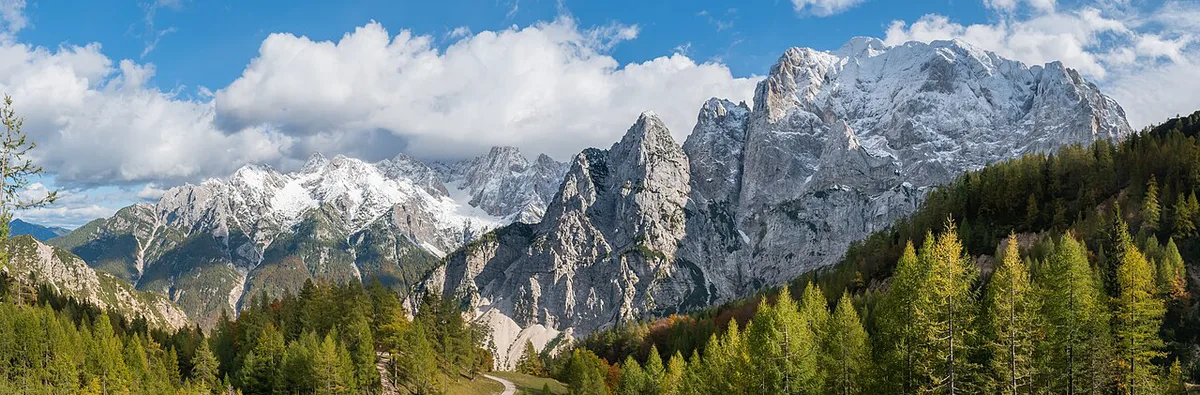
Access is the main trade-off. Alpine and Pyrenean meadows usually mean mountain roads or walking trails, and some roads and lifts close seasonally. Lowland meadows are easier but often sit on rural roads where a car helps. Saffron farms are normally reached by road and visited by arrangement. Park and garden sites are the minimal-effort choice. Wherever you go, check road and lift status with the local tourism office before you set out.
Costs and rules
Entry and parking fees depend on the site, and some protected areas set their own rules. Check the park or tourism board page for the current figure before you go. Stay on marked paths, do not pick flowers, and keep tripods and knees off the blooms.
Which trip fits you
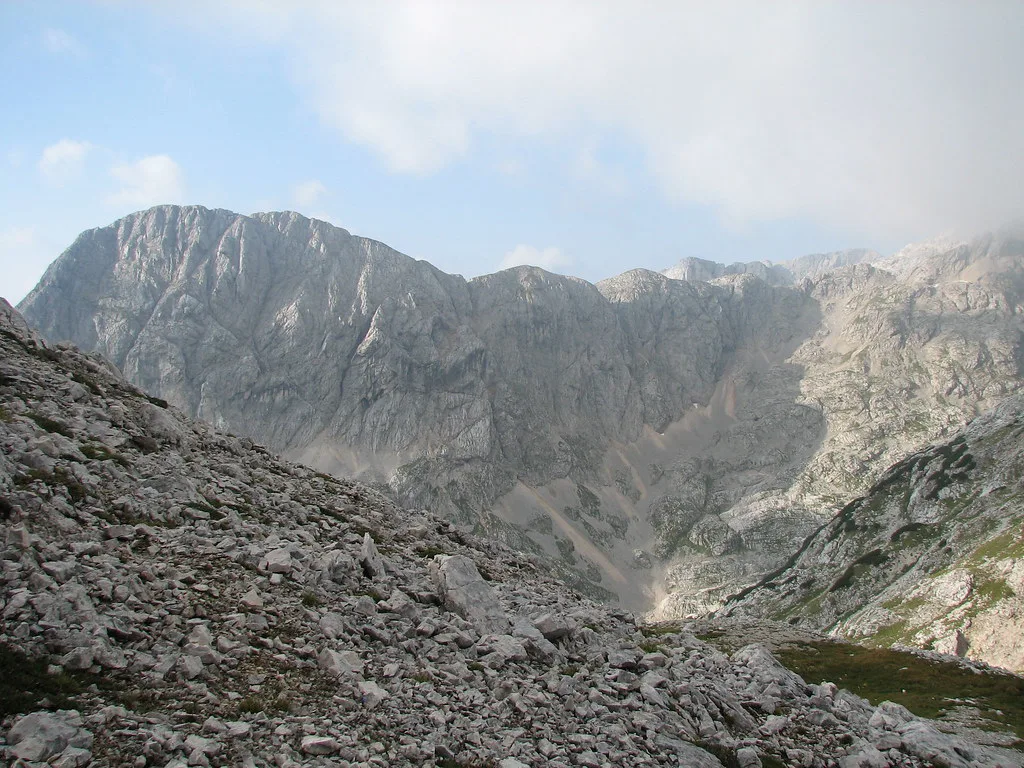
Pick the site type that matches how much effort you want to spend. The table compares the four options on qualitative levels only.
| Site type | Season | Access effort | Crowd risk | Best for |
|---|---|---|---|---|
| Alpine meadow | Spring after snowmelt | High | Low to medium | Hikers |
| Lowland wild meadow | Late winter to early spring | Medium | Low | Photographers |
| Saffron farmland | Autumn | Medium | Medium at harvest events | Food and culture trips |
| Park or garden | Early spring | Low | High on peak weekends | Families, first-timers |
- First-timer: a park or garden, with timing close to the spring peak.
- Photographer: a wild meadow, visited in early or late light rather than midday.
- Hiker: an alpine meadow, timed to snowmelt.
- Family or minimal-effort: a park or garden near a town.
- Autumn traveler: a saffron farm visit during harvest season.
Mistakes to avoid
Most disappointments come from fixed plans and a short bloom. Avoid these:
- Booking non-refundable travel for one fixed date.
- Trampling blooms to get closer for a photo.
- Shooting at midday, when flat light washes out the colour.
- Assuming a famous site will be in flower on your dates.
- Treating a lift or mountain road as open without checking.
Bloom-season notes
Optional updates when we add or revise garden guides.
Continue reading
Guides on the same trip