Castelluccio Flowering: When to Go and What You'll See
Castelluccio di Norcia blooms twice: spring wildflowers and the summer lentil fields. See timing, access tips and which season suits you.
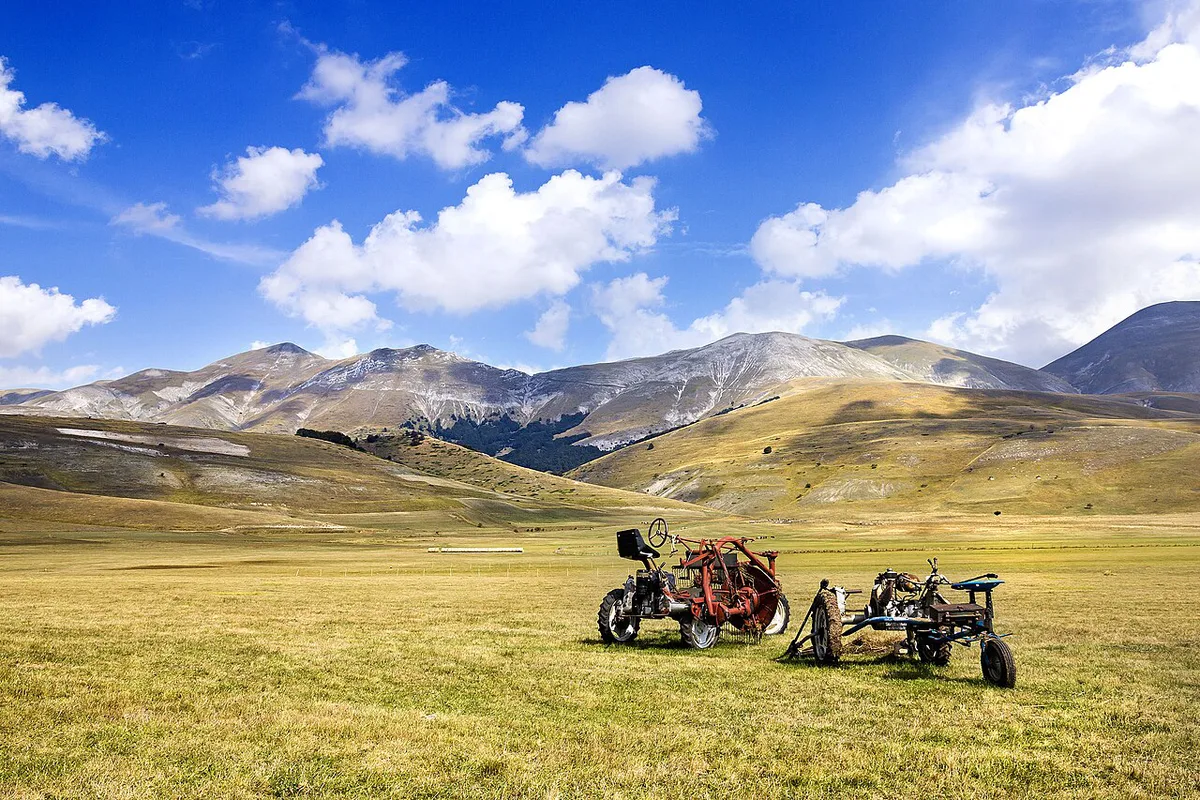
Last updated November 2026. Castelluccio flowering happens in two separate seasons on the Piano Grande, not one. Spontaneous wildflowers run roughly from mid-April to mid-May, and the cultivated lentil fields colour roughly from mid-June to mid-July. Altitude and each year's weather shift both windows, so nobody can promise a peak date.
Featured image: Giulio Gigante, CC BY-SA 2.0, via Flickr.
When Does Castelluccio Flowering Peak? Two Seasons, Not One
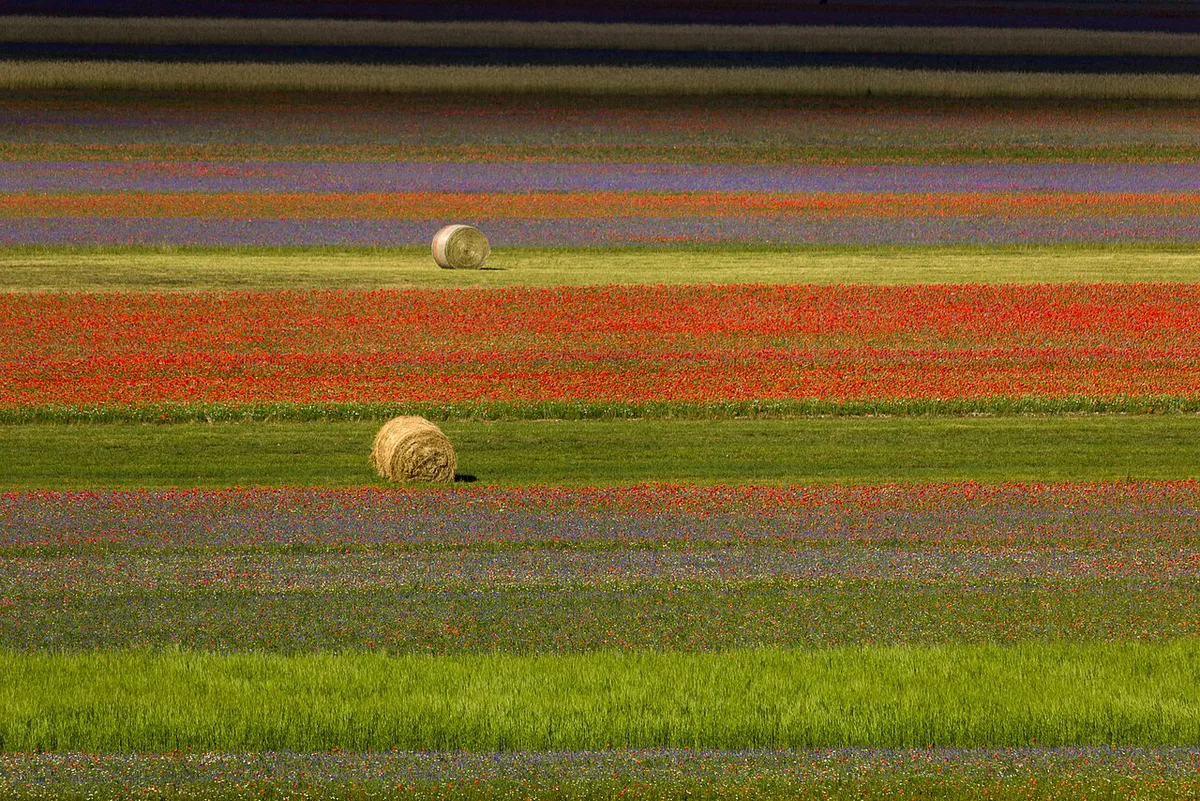
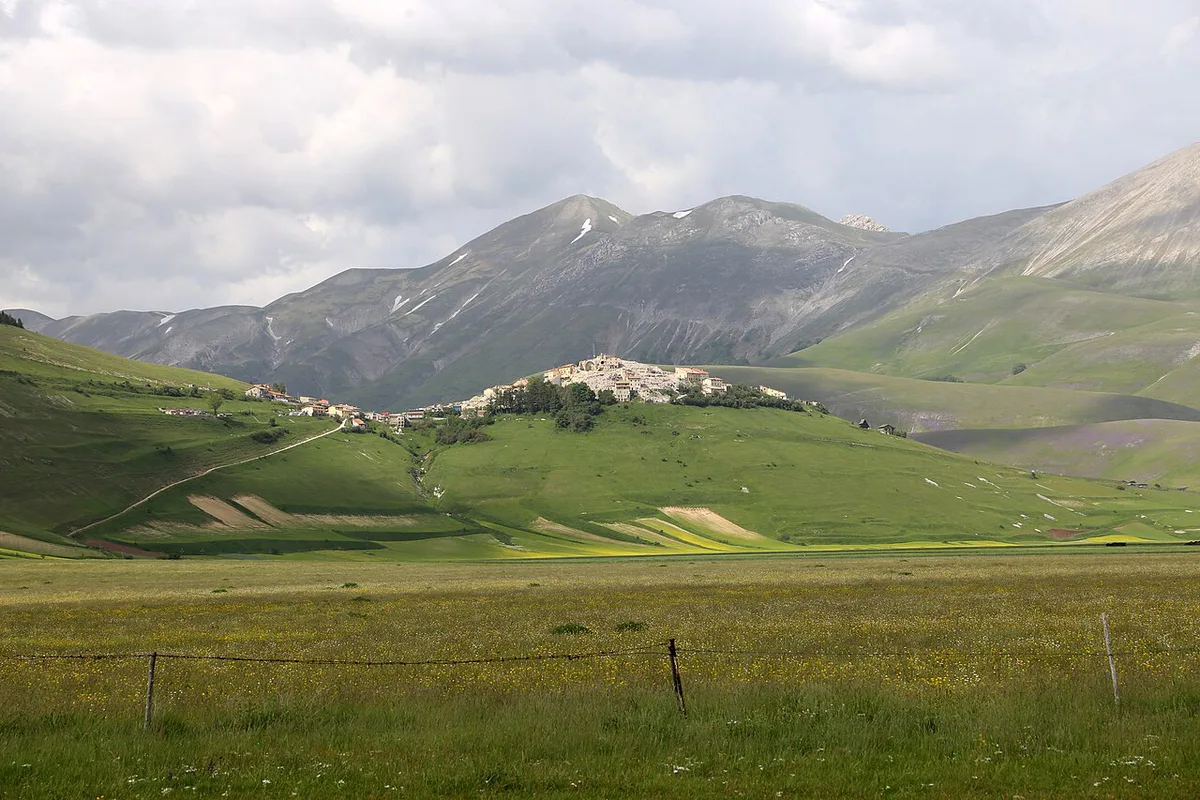
Searches for castelluccio fioritura mix two different events. Spontaneous wildflowers in the meadows are usually best from mid-April to mid-May. Local sources stretch the broader wildflower span from mid-April to the end of July, with the first daffodils appearing as early as late March. Cultivated fields of lentils and other crops usually flower between mid-June and mid-July. That second bloom produces the famous colour mosaic seen in photographs. Plan around a window rather than a date, and expect late snow or a cold spring to push everything back. Park information from the Monti Sibillini National Park is the place to check how the season is developing.
Flower Calendar: What's in Bloom and When
Flowering builds in stages, so each period has its own cast. Species-to-month links below are approximate and shift with the weather.
| Period | What is flowering | Crowd level | Suits |
|---|---|---|---|
| Late March to early April | Daffodils, first spring flowers | Low | Early-season walkers who accept patchy colour |
| Mid-April to mid-May | Buttercups, primroses, anemones, violets, gentians, saxifrages | Low to moderate | Quiet wildflower variety |
| May to July | Wild orchids, martagon lilies, other meadow species | Moderate | Botany fans willing to hunt for detail |
| Mid-June to mid-July | Lentil fields, poppies, cornflowers | Highest | The classic colour mosaic |
Why the Plain Blooms Like This
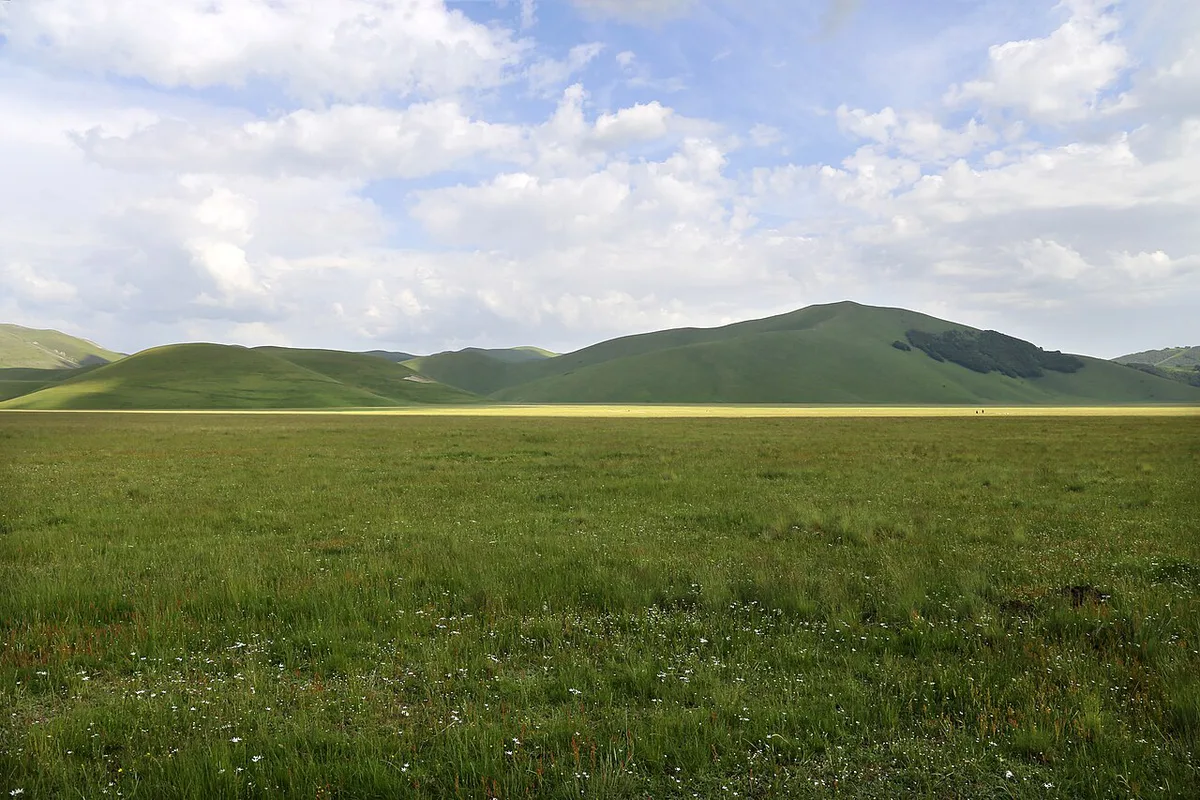
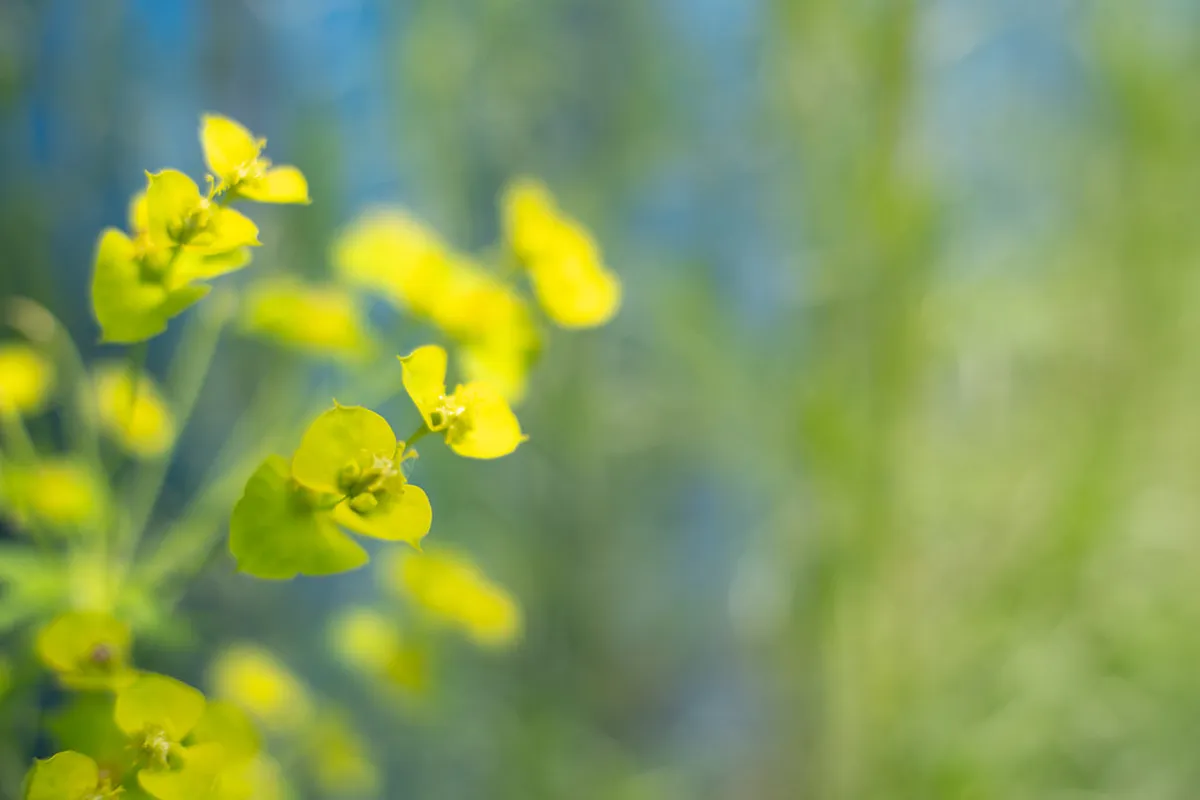
Limestone soil and harsh winters suit a wide range of wild species on the plateau. Lentil farming here has traditionally avoided pesticides, which leaves room for other plants around the crop. Lentils usually mature around mid-August, after most wild flowers have wilted. One point matters for expectations: spontaneous flowers do not grow inside fields planted with lentils, roveja or cereals. That is why spring shows scattered meadow colour, while summer shows large blocks of crop colour. Local sources also mention about 50 wild orchid species across the Sibillini. For more on that group, see our guide to wild orchids in Europe.
Spring or Summer? How to Choose
Your priorities decide the season. Use these rules of thumb, then compare the effort levels in the table.
| Option | Typical effort | Best season | Friction | Skip if |
|---|---|---|---|---|
| Viewpoint stop at the village | Minimal | Summer | High parking pressure on busy days | You want to walk among the flowers |
| Easy family plateau walk | Flat dirt roads, about 5-8 km as reported by one local guide | Spring and summer | Low once parked | You want elevation and views |
| Panoramic hike above the plain | About 8-10 km with roughly 300 m of climbing, as reported by one local guide | Summer | Moderate | You lack hiking shoes or fitness |
| Full plateau crossing | About 24 km with roughly 600 m of climbing, as reported by one local guide | Summer | Full day commitment | You have only a few hours |
- Want the classic colour mosaic? Plan for the summer crop bloom and accept crowds and access rules.
- Want quiet and wildflower variety? Choose spring, and accept less predictable colour.
- Travelling with small children or limited mobility? Flat dirt-road walks on the plateau suit best, and steeper viewpoint hikes do not.
- Only a few hours? Combine one short plateau walk with the village rather than the long crossing.
Ways to See the Bloom
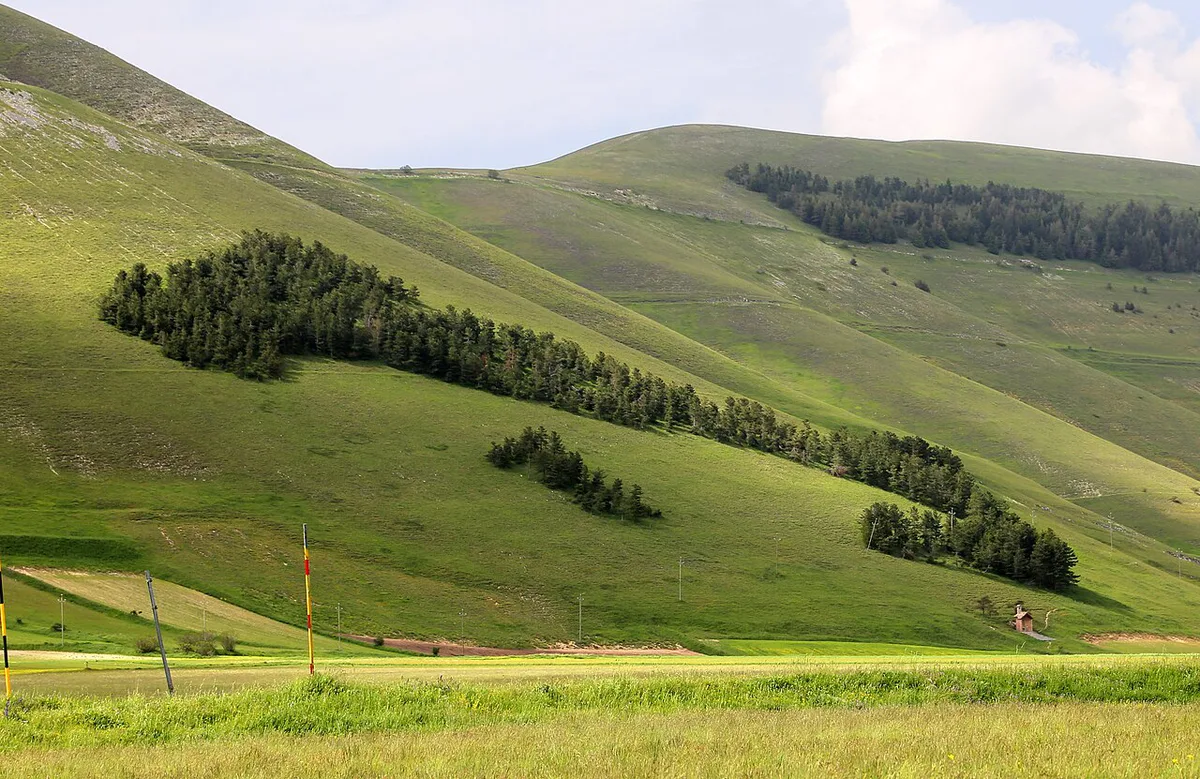
Walkers choose between self-guided strolls and guided outings. One local guide describes an easy family route of 5-8 km on dirt roads with minimal elevation change, taking about 1.5-2 hours or up to half a day. The same guide offers a panoramic hike above the plain and a full crossing. These are one operator's routes, not a trail standard. Guides from the national park exist, but a guide is optional for the easy plateau tracks. Whatever you choose, stay on paths. Fields are working farmland, and trampling crops or wild flowers damages both the harvest and the display. Summer readers who want more poppy colour can compare Poppy Fields in Italy: Where and When to See Them.
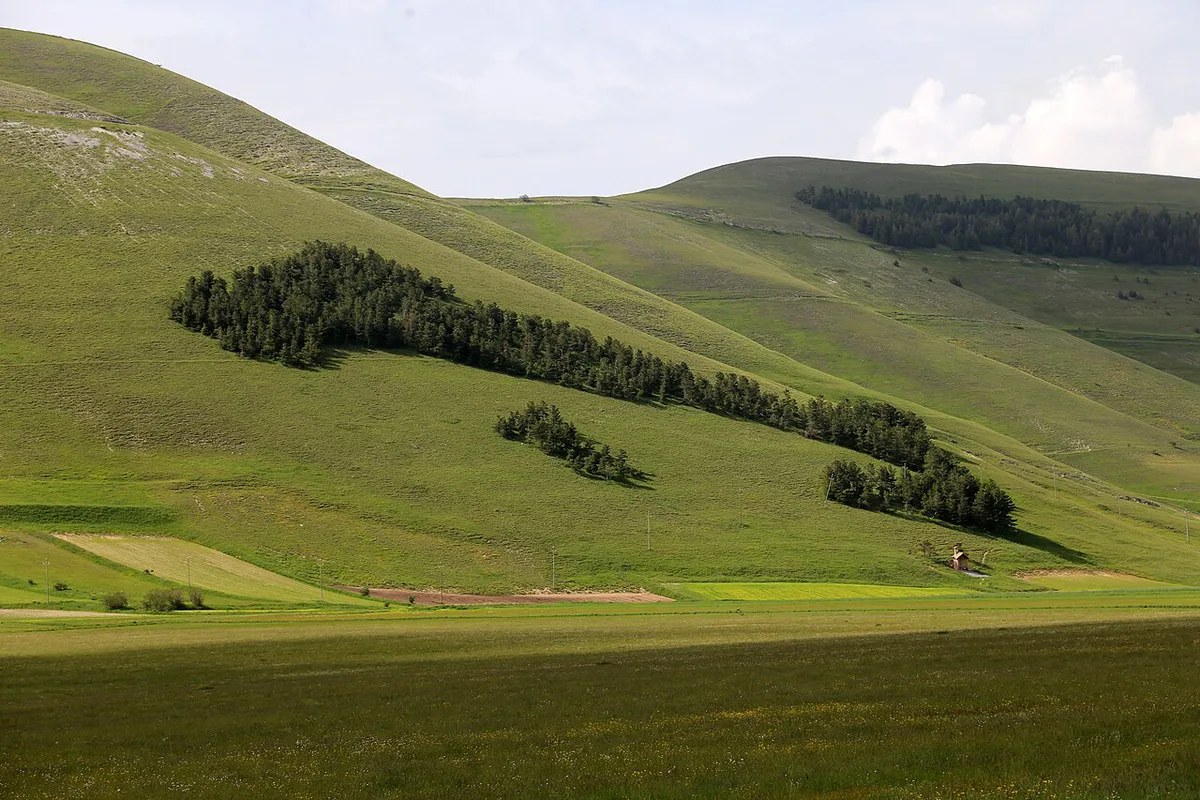
Before the easy 5-8 km route, remember the Piano Grande stretches 7-10 km and offers no shops.
Access, Parking and Crowds
During the flowering period, access to Castelluccio and parking are tightly controlled, with special rules for Saturdays and Sundays. Those rules change from year to year, so read the current guidance from the Umbria tourism portal or the Comune di Norcia before you set out. Expect restricted weekend access in summer. Weekdays and early mornings are the lower-friction options. Early light also helps photography, and in our editorial view midday haze and crowds flatten the pictures. Spring visits face far less pressure.
Getting There and Where to Stay
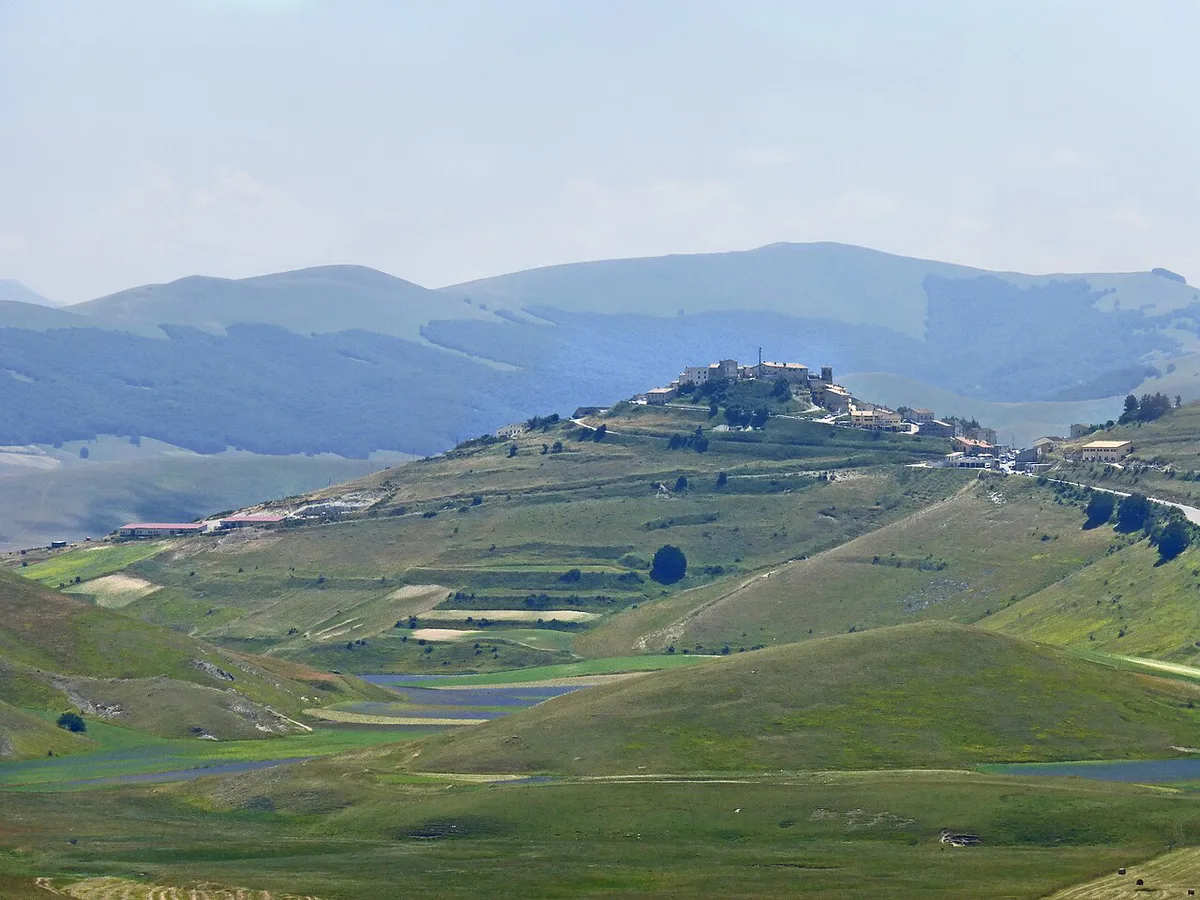
Norcia is the nearest larger town and the practical base for many visitors. Castelluccio is a small village on the plateau, and the 2016 earthquake affected the area. Village services and lodging have changed since then, so check current opening and accommodation status before you book. Reliable public transport and driving times are not confirmed here. Plan for car access unless an official source tells you otherwise.
What to Bring and Mistakes to Avoid
The plateau paths are unpaved and can be tiring. Comfortable walking shoes suffice for the flat tracks, while the panoramic hike calls for lugged hiking soles. Local guidance says the Piano Grande area, described as 7-10 km long depending on where you measure, has no shops. Bring water and food, plus sunscreen and a hat.
- Arriving at midday on a summer weekend without checking access rules.
- Assuming a single peak date for the whole plain.
- Counting on food or supplies on the plateau.
- Stepping into fields to get a photo.
- Wearing city shoes on dirt roads.
- Treating the spring and summer blooms as the same trip.
Where to Go Next
Our 6 Best Places to See Wildflowers in Europe by Month guide compares bloom seasons across the continent. For summer colour elsewhere, see poppy fields across Europe. If you prefer mountain meadows in Italy, read about Dolomites Wildflowers: When and Where to See Them.
Bloom-season notes
Optional updates when we add or revise garden guides.
Continue reading
Guides on the same trip