Dolomites Wildflowers: When and Where to See Them
When do Dolomites wildflowers bloom, and where should you go? Season by altitude, area comparison, access tips and responsible-visit rules.
Last updated November 2026. Dolomites flowers peak in early summer and run into July, following the snowmelt from the valley floors up to the high pastures. Altitude decides your window more than the calendar does, so pick your meadow by height. Our guide covers Alpe di Siusi, Val Gardena and Val di Funes in South Tyrol.
Featured image: sybarite48, CC BY 2.0, via Flickr.
Quick answer: when Dolomites flowers bloom
Bloom moves uphill as snow retreats. Valley meadows open first, mid-altitude pastures follow, and high alpine ground flowers last. Early summer into July is the usual headline window for the big South Tyrol meadows. Snowmelt shifts from year to year, so treat any month range as a guide. The South Tyrol tourism board is the place to check the current season before you book.
Dolomites wildflower season by altitude
Use this table to match your dates to a height band. Ranges are cautious and shift with each winter's snow.
| Zone | Typical bloom window | What to expect | Main risk |
|---|---|---|---|
| Valley meadows | Late spring into early summer | First hay meadows in flower, mild walking | Meadows may be mown by midsummer |
| Mid-altitude pastures | Early summer into July | Broad grazing meadows, the classic postcard scenes | Late snow patches in a cold spring |
| High alpine zone | July onward | Rock, scree and short-turf flowers | Snow, cloud and sudden weather change |
Best areas for Dolomites wildflowers compared
Three South Tyrol areas cover most first visits. Each trades flower scale against access and crowds.
| Area | Flower character | Access | Crowd friction | Best for |
|---|---|---|---|---|
| Alpe di Siusi (Seiser Alm) | Wide open pastures with meadow flowers under rock walls | Lift and trail access; see the Seiser Alm site for current operation | Highest; expect busy lifts and parking in peak season | Easy flat walks, first-time visitors |
| Val Gardena | Meadows and slopes above the villages | Lifts and trails from the valley towns | Moderate to high; varies by village | Mixing flowers with lift-assisted days |
| Val di Funes | Village-edge meadows below the Odle peaks | Mainly road and short walks | Moderate; small roads and limited parking | Quiet, photography-led visits |
Flowers you are likely to see, by habitat
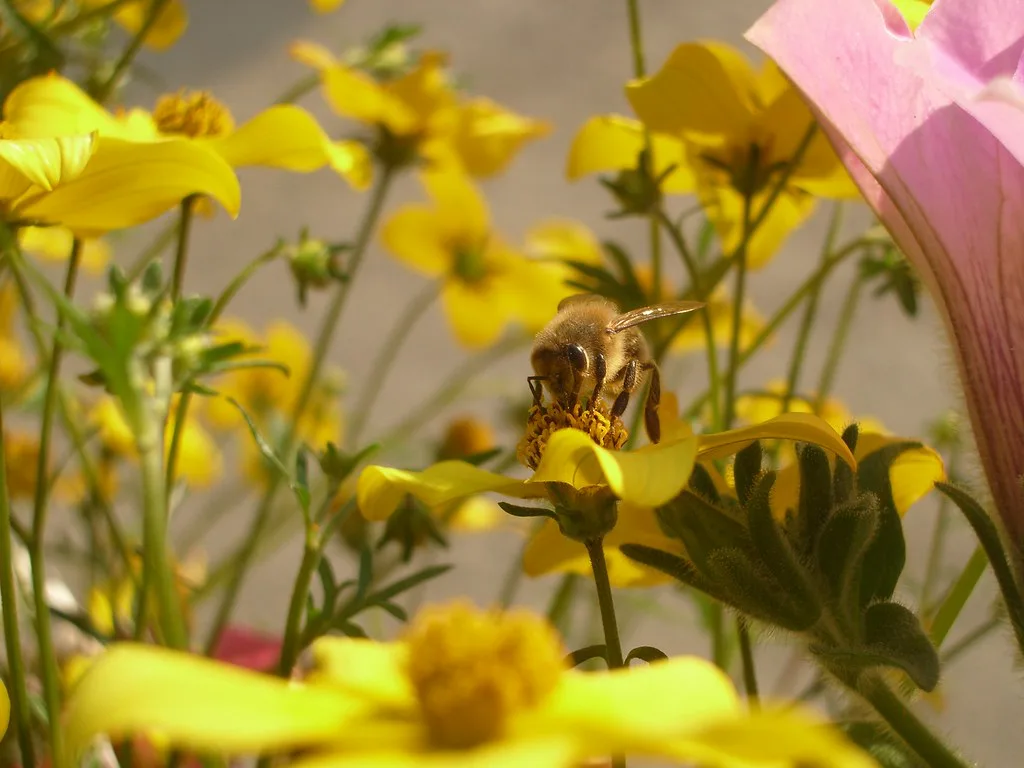
Habitat predicts flowers better than any checklist. Meadows hold the colour that most visitors come for, while rock and scree hold the specialists. Our guide to alpine flowers covers species and identification in more depth.
- Meadows: mixed grassland flowers in the mid-altitude pastures, strongest in early summer.
- Scree: low, sparse plants on loose rock at higher elevations, usually later in the season.
- Rock faces: small cushion plants in cracks, easy to miss without looking closely.
- Wet ground: flowers near streams and boggy hollows, where snowmelt lingers.
Getting to the meadows: lifts, trails and timing
Lift-assisted access gets you onto high pastures quickly. Walking from the valley takes longer, but it lets you follow the bloom upward. Start early, because cloud often builds in the afternoon and parking fills first at the best-known meadows. Lift operating dates change each year, so check the operator's own timetable instead of assuming a cabin is running. Early in the season, snow can still cover high paths. In that case, drop to a mid-altitude meadow.
Seeing flowers responsibly
Stay on marked paths. Flowers on slopes and in meadows take years to recover from trampling. Do not pick plants, because many alpine species are protected and local rules apply. Livestock graze many pastures, so keep gates closed and give animals room. Local park or tourism offices can tell you the specific rules for the area you visit.
Common mistakes and who should skip high-altitude trips
A few predictable errors waste a flower trip. Avoid them and your meadow days go much better.
- Arriving too early for high-altitude bloom, when snow still covers the ground.
- Booking by calendar date instead of the latest snowmelt report.
- Assuming every lift is running on your dates.
- Underestimating mountain weather, which can turn quickly.
- Skipping layers and sturdy footwear for what looks like an easy meadow walk.
Where to stay for flower season
Choose a base by the walking you want. Staying near Alpe di Siusi suits easy meadow days, and Val Gardena suits lift-assisted variety. Val di Funes suits a quieter stay with short walks from the village. For a one-day visit, pick one meadow and start early. For a longer stay, spread your days across altitudes so one cold or cloudy day does not cost you the trip.
Compare other mountain flower destinations
If dates here do not work, try another region. The Spanish mountains are covered in our Picos de Europa Flowers: When and Where to See Wildflowers guide. Italy's Apennine highlands bloom in Castelluccio di Norcia. For a wider overview, see our 6 Best Places to See Wildflowers in Europe by Month pillar page.
Choose a 1-Day or 3-Day Dolomites Wildflower Trip
A 1-day flower trip works best when you choose one area and keep the day simple. Alpe di Siusi suits easy meadow walking, while Val di Funes is a quieter choice for village-edge views. Start early, especially in popular areas, because parking and lifts become busier later in the day.
A 3-day stay gives you a better chance of matching the bloom to changing mountain conditions. Use one day for broad pastures, another for lift-assisted slopes around Val Gardena, and a third for a lower or higher meadow depending on snowmelt. This approach also leaves room to change plans if cloud, late snow, or a closed lift affects a high route.
Keep the itinerary flexible rather than assigning every meadow to a fixed calendar date. Check local conditions shortly before each outing, then choose the altitude that is most likely to be in flower.
Bloom-season notes
Optional updates when we add or revise garden guides.
Continue reading
Guides on the same trip