Picos de Europa Flowers: When and Where to See Wildflowers
When and where to see wildflowers in the Picos de Europa: bloom timing by altitude, habitats, access trade-offs and route-planning tips.
Last updated November 2026. Picos de Europa flowers are a hiking-and-meadows experience, not a single carpet of colour, and bloom timing depends mostly on altitude. Valleys and meadows flower first, and high limestone pasture follows once the snow clears. This guide sorts the bloom by height, names the easiest places to look, and sits under our wildflower fields across Europe overview.
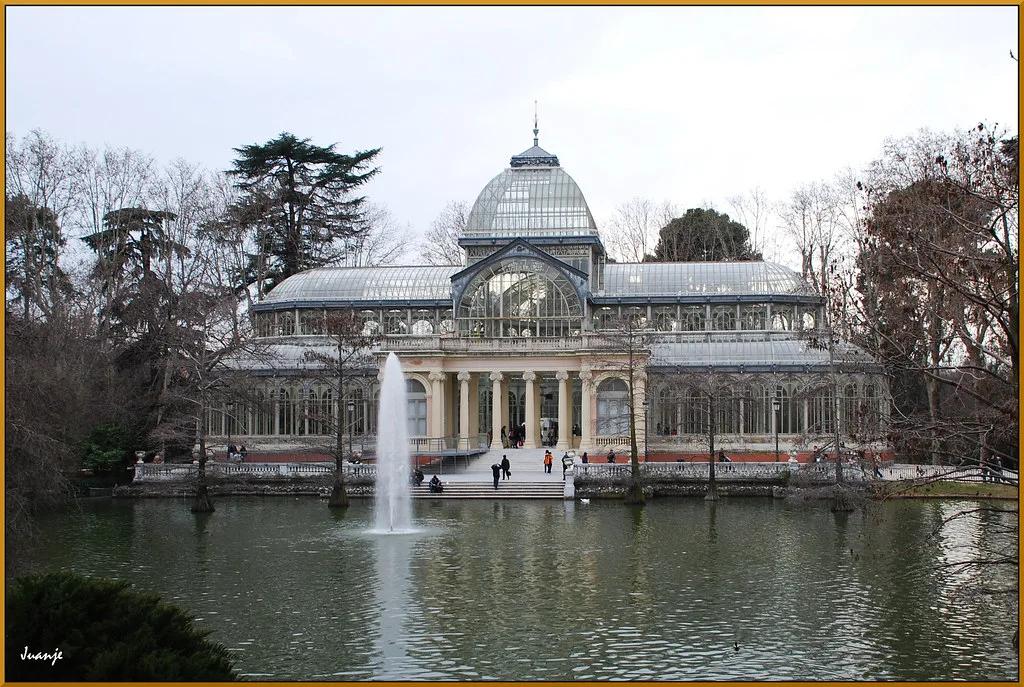
Featured image: Juanje Orío, CC BY-SA 2.0, via Flickr.
Picos de Europa flowers: quick answer
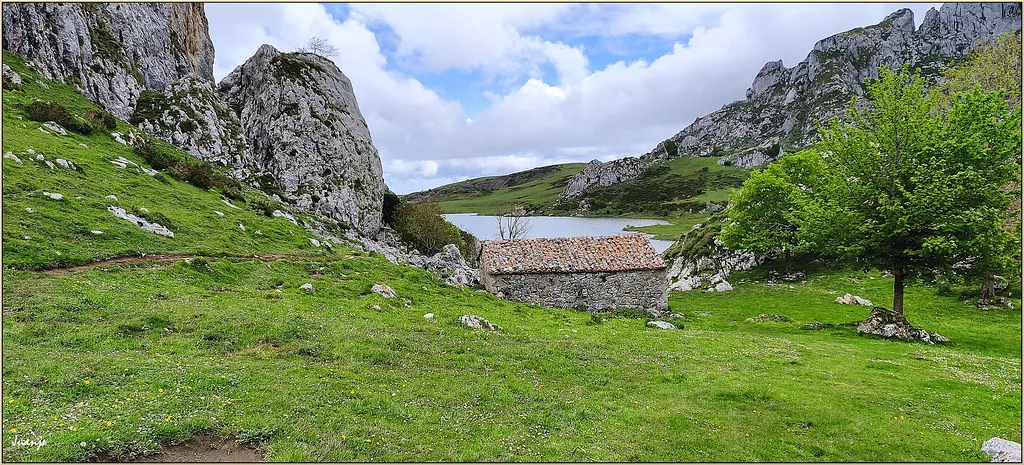
Late spring brings the first flowers to the lower valleys and meadows. Summer carries the bloom up onto the high pastures and rock. Late-lying snow can push the high-altitude season later in cold years, so treat any calendar as a guide and not a promise. For a visit with little walking, base yourself near the Lagos de Covadonga in Asturias or the Fuente Dé cable car in Cantabria. Both put you among mountain meadows and rock flora without a full-day hike. Cangas de Onís works as a lower, easier gateway on the Asturian side. This page suits casual viewers, photographers and walkers. It will disappoint anyone expecting a poppy field or a Castelluccio-style spectacle.
Bloom calendar by altitude
Altitude drives timing more than any single date. Warm, low ground wakes first, and cold, high ground wakes last. Snow patches that linger on north-facing slopes delay flowering beside them. No fixed dates are given here because they shift from year to year. Check recent conditions with the park or a local tourist office before you pick a week.
| Altitude band | Typical timing | What to expect |
|---|---|---|
| Valley floors and hay meadows | Earliest, from spring into early summer | Meadow wildflowers and roadside blooms; easy to see from a car or a short stroll |
| Mid-slope and woodland edges | Late spring into summer | Woodland-floor flowers and shaded clearings; shade can slow the season |
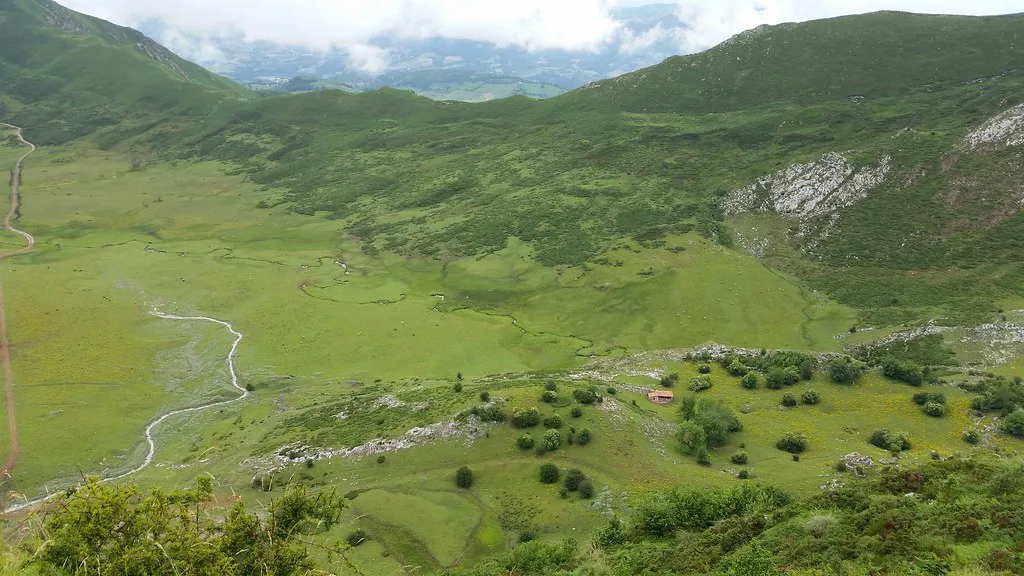
| High pasture, limestone rock and scree | Latest, mid to late summer once snow clears | Small alpine plants in cracks and short turf; needs longer walks or lift access |
Habitats and the flowers to expect
Four habitats shape what you see in the Cantabrian limestone massifs. Meadows and hay fields hold the most colourful, easy-to-photograph displays. Woodland, mainly beech and oak, offers quieter blooms on the forest floor in spring. Limestone rock and scree support small, tough alpine plants that grow in cracks and between stones. High pasture sits above the trees and flowers briefly in summer.
- Meadows: mixed grassland flowers, best on gentle ground near villages
- Woodland: shade-loving spring flowers along forest tracks
- Rock and scree: compact alpine cushions and crevice plants, often small and easy to miss
- High pasture: short-season turf flowers, tied to snowmelt
Best areas for flowers without long hikes
Three areas cover most flower-focused visits. Each trades effort against altitude in a different way. Local route names and current conditions are best checked with Turismo Asturias for the Asturian side. The park visitor offices can advise on Cantabria and Castilla y León.
| Area | Access | Effort | Best for |
|---|---|---|---|
| Lagos de Covadonga (Asturias) | Mountain road from the Covadonga area; road access can be restricted in busy periods | Low to moderate; short walks around the lakes, longer routes beyond | High-pasture views and meadows on short walks |
| Fuente Dé cable car (Cantabria) | Cable car lifts you to the high massif | Low for the ride, moderate to high once you walk from the top station | Reaching alpine terrain without a long climb |
| Cangas de Onís area (Asturias) | Lower valley town on the Asturian side | Low; village and valley strolls | Earlier-season meadows and a practical base |
Getting there and getting around
A car is the easiest way to link the Asturian lakes, valley towns and Cantabrian side. Mountain roads are slow, so allow more driving time than the map suggests. Public transport reaches the main towns, but last-mile links to trailheads and the lakes can be limited. Check timetables with the operators and the regional tourist boards before planning a car-free trip. Spain's official tourism site is a good starting point for gateway cities and airports. Fuente Dé and the Lagos de Covadonga sit in different regions, so treat them as separate days, not a quick hop.
Where to stay
Choose a base by the flowers you want. Cangas de Onís suits early-season meadow visits and easy road access to Covadonga. A village near Fuente Dé suits a cable-car day on the Cantabrian side. Summer is the busiest season in mountain villages, so reserve rooms early for the high-bloom weeks. Rooms near the lifts and lakes fill first. Rates vary by village and season, so compare current listings before you commit.
Costs, rules and weather
Walking the meadows and lakeshores costs nothing beyond transport and parking. The Fuente Dé cable car is a paid ticket, so check the operator's current fare and operating days before you go. Park rules apply across the Picos de Europa National Park. Picking flowers is not acceptable, and you should stay on paths and photograph from the trail edge. Weather changes fast in the high massif. Fog and sudden storms can close the views, and snow may linger into early summer. Check the Spanish mountain forecast before heading up. Skip high routes if you are inexperienced, poorly equipped or facing low cloud.
Mistakes to avoid
Most disappointing flower trips come down to timing and expectations.
- Going too early or too late for the altitude you chose
- Judging high pasture by what you saw in the valley
- Ignoring fog and storm forecasts on exposed routes
- Picking flowers or leaving the path for a photo
- Underestimating drive times on mountain roads
- Expecting a wall-to-wall carpet of colour
Pairing with other flower trips
Picos de Europa rewards a slower, meadow-and-hiking pace. For a different mountain bloom, compare it with Dolomites wildflower meadows. High-altitude plant habits are covered in our guide to Alpine Flowers in Europe: Where and When to See Them. For a true spectacle of colour, see the Castelluccio flowering season in Italy. Poppy lovers should look at poppy fields across Europe instead.
Choosing your altitude, base and week in the Picos
Pick your altitude first, then your week. Use Lagos de Covadonga or Fuente Dé for easy high-ground access, and Cangas de Onís for early valley bloom. Keep your expectations realistic and your route flexible for weather. For more bloom destinations, return to our guide to wildflower fields in Europe.
Bloom-season notes
Optional updates when we add or revise garden guides.
Continue reading
Guides on the same trip