Alpine Flowers in Europe: Where and When to See Them
Which alpine flowers to look for in Europe, when they bloom, which mountain regions to visit, and how to see them without trampling fragile ground.
Last updated November 2026. Alpine flowers are small, tough plants that grow above the treeline, and they bloom in a short summer window that shifts with altitude and snowmelt. Gentian, alpenrose, edelweiss and alpine aster are the headline species, and the Dolomites, Picos de Europa and the wider Alps are the main places to find them. This guide is part of our wider look at 6 Best Places to See Wildflowers in Europe by Month, and it covers species, timing, regions and how to visit without damaging fragile ground.
Featured image: John Rusk, CC BY 2.0, via Flickr.
What counts as alpine flowers, and why they are small
Alpine flowers grow above the treeline, where soils are thin, winds are strong and snow can cover the ground for much of the year. Most stay low as mats, tufts or cushions, which keeps them out of the wind and close to warmer ground. Their colour is concentrated in small, vivid blooms that must attract pollinators during a brief season. Garden cultivation and cut-flower use exist, but this guide is about seeing the plants in the wild.
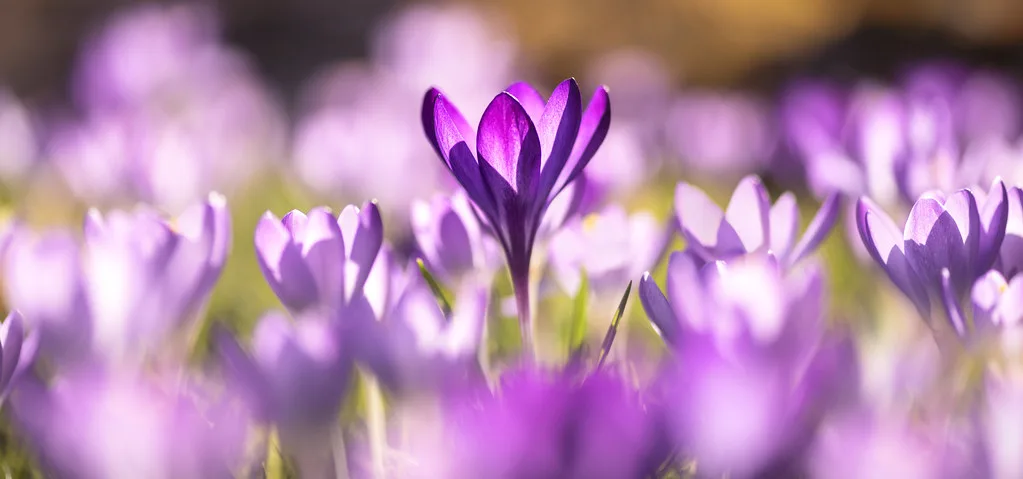
Alpine flowers to look for in Europe
Use this table to match what you hope to see with where to go. Treat every species here as something to photograph and leave in place, because protection rules differ by country and park.
| Flower | Look and habitat | Best-fit region | Protected or fragile? |
|---|---|---|---|
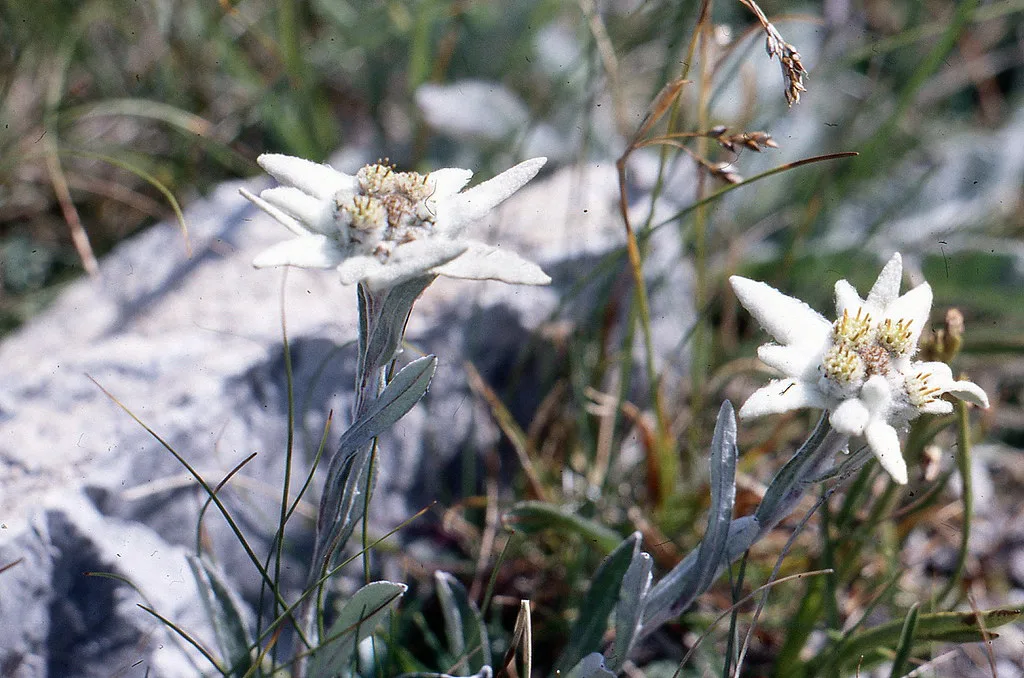
| Edelweiss | Woolly white star-shaped blooms on rocky ground | The Alps | Protected in many places; never pick |
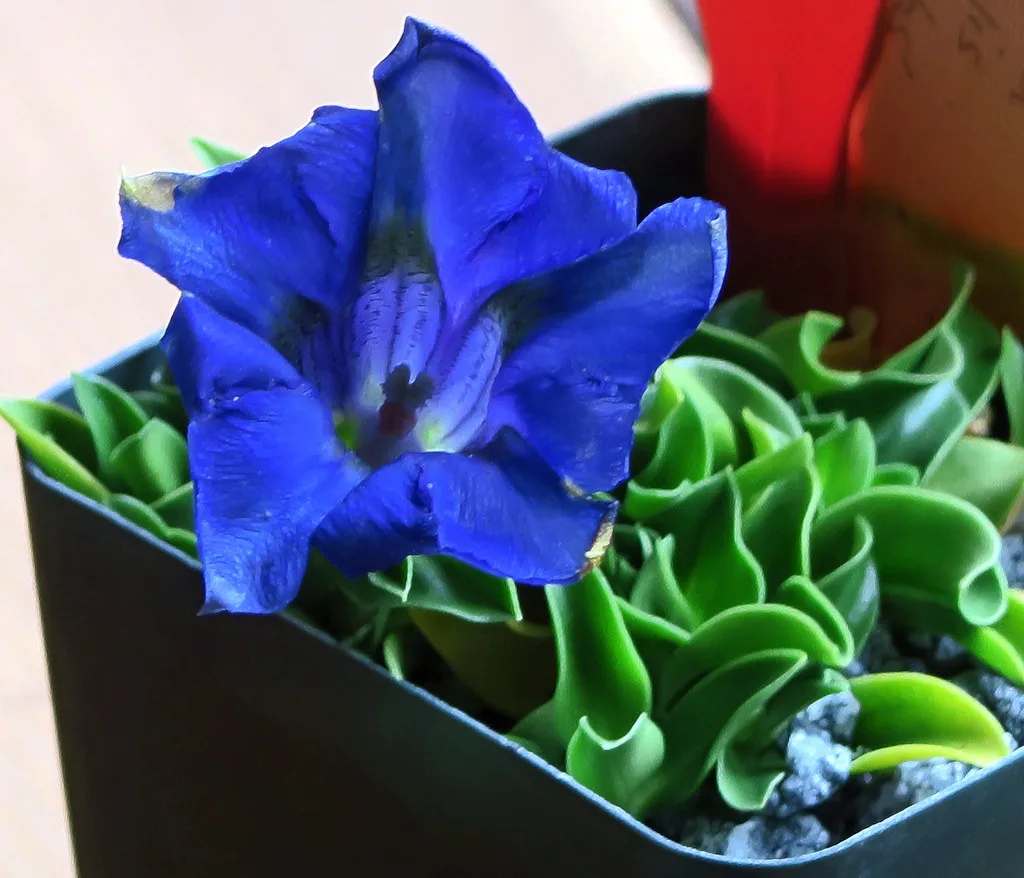
| Gentian | Deep blue flowers on well-drained, rocky soil | Alps and Dolomites | Fragile on trampled slopes; check local rules |
| Alpine pasqueflower | Soft pastel petals in cool, well-drained meadows | Alpine meadows | Stay on paths to protect clumps |
| Alpine forget-me-not | Small sky-blue flowers on stony slopes | Mountain ranges across Europe | Fragile where ground is thin |
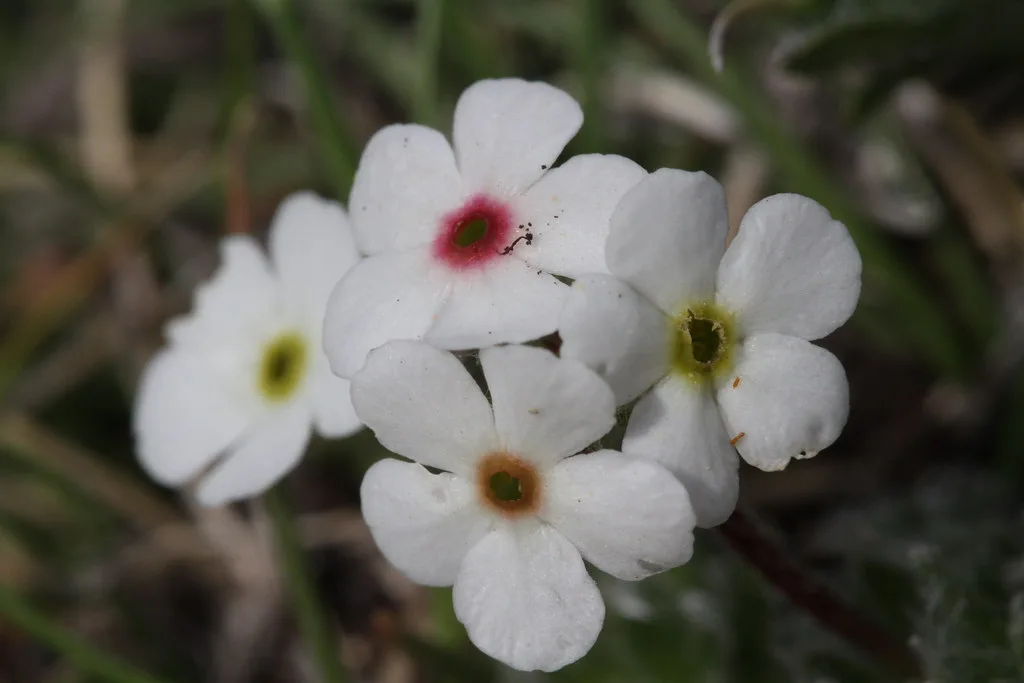
| Mountain avens | White petals with yellow centres, forming low mats | Rocky highlands | Mats are easily crushed |
| Alpine aster | Daisy-like purple, pink or white blooms | Alpine meadows | Check local picking rules |
| Saxifrage | Cushions with star-shaped flowers in rock crevices | Rocky slopes and cliffs | Cushions break under boots |
| Rock cress | Low spreading foliage with small flowers on outcrops | Rocky outcrops | Fragile in crevices |
Subalpine meadow flowers below the treeline
Many visitors reach the mountains in early or mid summer and find the high slopes still under snow. The meadows below the treeline, usually called subalpine or montane meadows, are where you will often see the first and widest display. These are hay and grazing pastures, so the flowers look different from the low cushions of the rocky zone above.
Species commonly found in these meadows include:
- Arnica: bright yellow, daisy-like flowers on short stems, often on acidic pasture.
- Globeflower (Trollius europaeus): rounded, buttery yellow blooms in damp, cool meadows.
- Martagon lily: nodding pink-purple turk's-cap flowers at meadow edges and in light woodland.
- Orchids: several mountain species, including fragrant orchid and early purple orchid, appear in unimproved grassland.
- Meadow cranesbill and campanulas: blue and violet drifts that fill the grass between the showier species.
Meadow flowers depend on traditional mowing and grazing, so walk on the signed paths and keep to field edges when a meadow is marked for hay. Never walk through uncut grass for a photograph. Arnica and several orchids are protected in parts of the Alps, so leave every plant where it grows.
Because these meadows sit lower, they are also the most weather-proof option. A valley walk still has flowers when cloud closes the high passes.
When to go: bloom timing by altitude
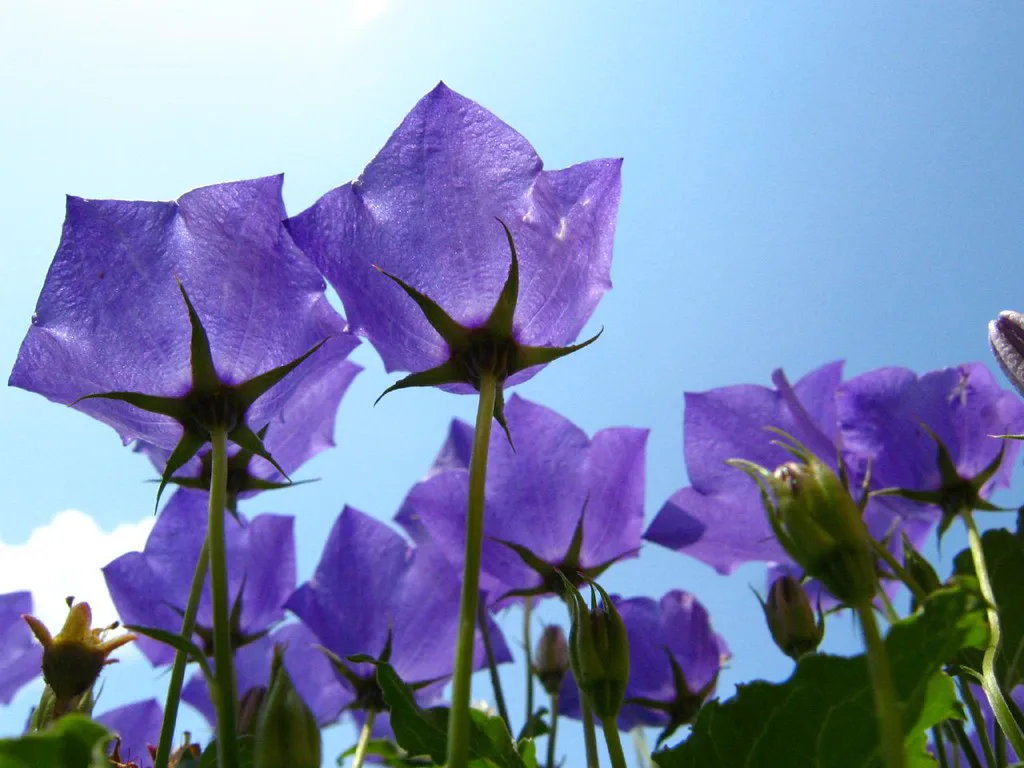
Lower meadows bloom first, and higher slopes follow once the snow melts. That means a single trip can move through several bloom stages if you gain height. Exact peak dates vary each year, so ask the local park office or tourism board before you commit to a week. A late melt or early snowfall can shift or shorten the season at any altitude. Use this simple chooser.
- Early summer: lower meadows and valley slopes. Expect fewer crowds and more reliable access.
- Mid summer: mid-height pastures, usually the widest mix of species in flower.
- Late summer: high rocky ground, where gentians and cushion plants may linger after lower meadows fade.
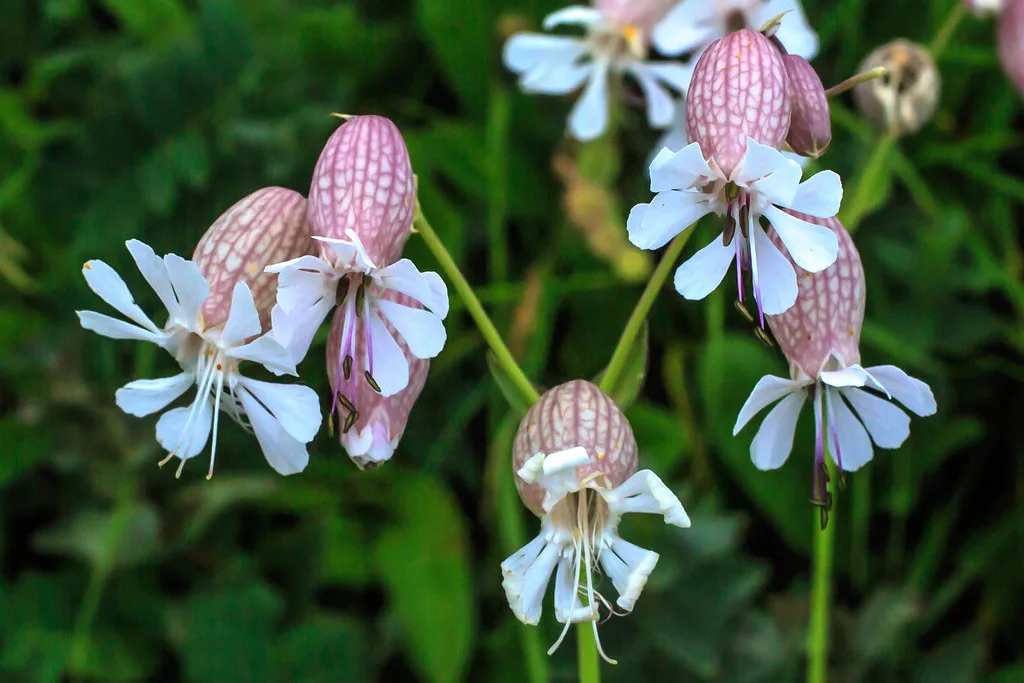
Where to see alpine flowers: regions compared
The Alps cover Switzerland, Austria and the French and Italian sides of the range, and they hold edelweiss, gentian and alpine aster. Each country has its own national park and mountain-hut network, so plan around one valley rather than the whole range. For a single focused destination, start with Dolomites Wildflowers: When and Where to See Them. Spain's limestone massif is covered in Picos de Europa Flowers: When and Where to See Wildflowers.
- Dolomites: lifts and bus routes reach high pastures, so effort ranges from easy strolls to full-day hikes.
- Picos de Europa: expect more hiking and fewer lifts, with a quieter feel on many routes.
- Wider Alps in Switzerland, Austria, France and Italy: the broadest choice of base towns, lifts and huts. Lift prices and opening dates are set by each operator, so check before you travel.
Lift or hike: access and effort trade-offs
A cable car saves hours of climbing and suits families and anyone who prefers shorter walks. A full-day hike gets you closer to the flowers and away from the busiest viewpoints. Lifts and mountain huts usually run on seasonal schedules, so confirm operating dates with the operator. Pack sturdy footwear, warm layers and waterproofs, because mountain weather can turn quickly.
- Lift-assisted: faster and easier, but busier near the top station.
- Full-day hike: more effort and more flowers, with fewer people on the trail.
- Mixed day: ride up, then walk down through changing meadow zones.
Alpine botanical gardens for reliable sightings
Wild bloom dates move with each year's snowmelt, so a trip can miss the peak. An alpine botanical garden is a useful safety net. Plants are labelled, grouped by habitat and grown at altitude, which makes it much easier to learn species names before you look for them on open slopes.
The best-known example in Switzerland is the Schynige Platte alpine garden in the Bernese Oberland, reached by a historic cog railway from the Interlaken area. It shows regional mountain flora in a natural setting, with trails that continue into open pasture, so you can compare labelled plants with wild ones in one outing. Opening dates and train times follow the season, so check the operator's site before you plan the day.
Gardens suit several kinds of visit:
- Families and short-day visitors: a lift or train takes you to the plants without a long climb.
- Photographers: labelled specimens let you practise macro technique and confirm identification for later wild shots.
- Early or late season: gardens often hold species in flower while wild slopes are still snow-covered or already past their best.
Treat a garden as a complement to the wild sites in the regions table, not a replacement. Seeing edelweiss or gentian in its own habitat, on rock and thin soil, is a different experience from seeing it in a planted bed.
How to see and photograph alpine flowers responsibly
Stay on marked paths, because cushion plants and mats take years to recover from one footstep. Do not pick anything, since edelweiss and other species are protected in many places. For photographs, shoot macro or from a low angle, and use early light before wind picks up. Lowland blooms like European orchids and Crocus Fields in Europe: Where and When to See Them offer easier access on days when mountain weather closes in.
- Do not trample cushion plants or mats for a photo.
- Do not pick flowers, even common-looking ones.
- Do not ignore the forecast or hut and lift closing times.
Other flower settings to pair with the mountains
If you want a contrast to alpine meadows, try a different habitat. Machair Wildflowers: What It Is and Where to See It grow on coastal grassland, and Crete Wildflowers: When and Where to See Them bloom in a Mediterranean setting. The Castelluccio flowering happens on an Apennine plateau. Field poppies belong to lowland landscapes, as covered in Poppy Fields in Europe: Where & When to See Them, and should not be confused with alpine species.
Frequently Asked Questions
What is a white flowered alpine plant?
Edelweiss is the best-known white alpine flower, with woolly star-shaped blooms in the Alps. Mountain avens also has white petals around a yellow centre and forms low mats on rocky ground.
What plants are in the alpine?
Alpine zones hold low, tough plants such as gentian, saxifrage, rock cress, alpine forget-me-not and alpine aster. Many grow as mats, tufts or cushions that resist wind and cold.
Bloom-season notes
Optional updates when we add or revise garden guides.
Continue reading
Guides on the same trip