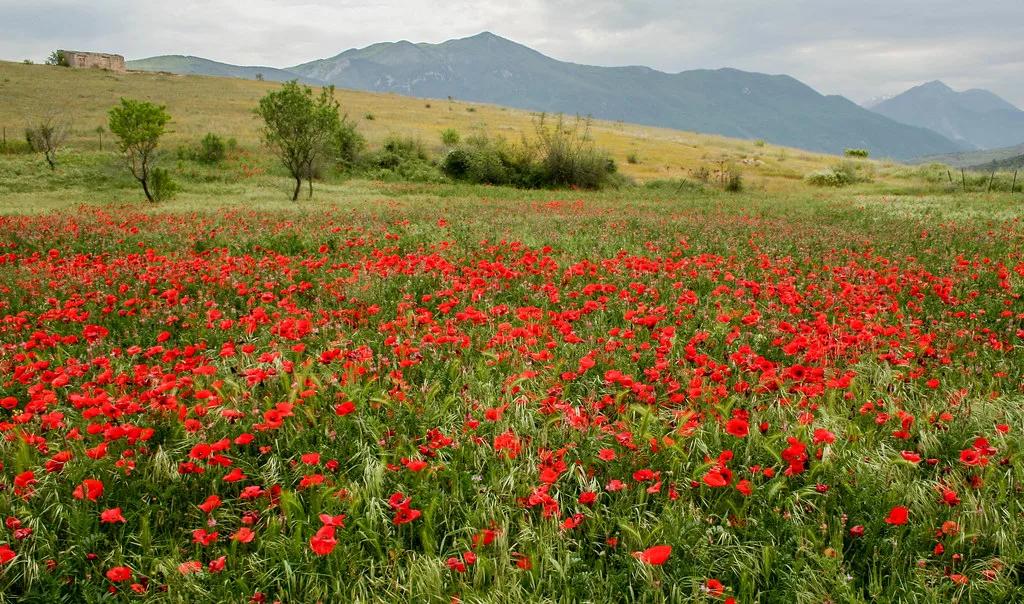
Poppy Fields in Italy: Where and When to See Them
Where to see poppy fields in Italy, when they bloom, and how to plan around Tuscany, Umbria and Puglia, with honest trade-offs.
Last updated November 2026. Poppy fields in Italy are a spring wild bloom, strongest around Tuscany's Val d'Orcia, and the exact fields change every year. Late April to mid-May is the commonly cited window, but rainfall and farming decide each season. This guide covers where to look, how to time it, and when a dedicated trip is not worth it, as part of our Europe wildflower fields guide.
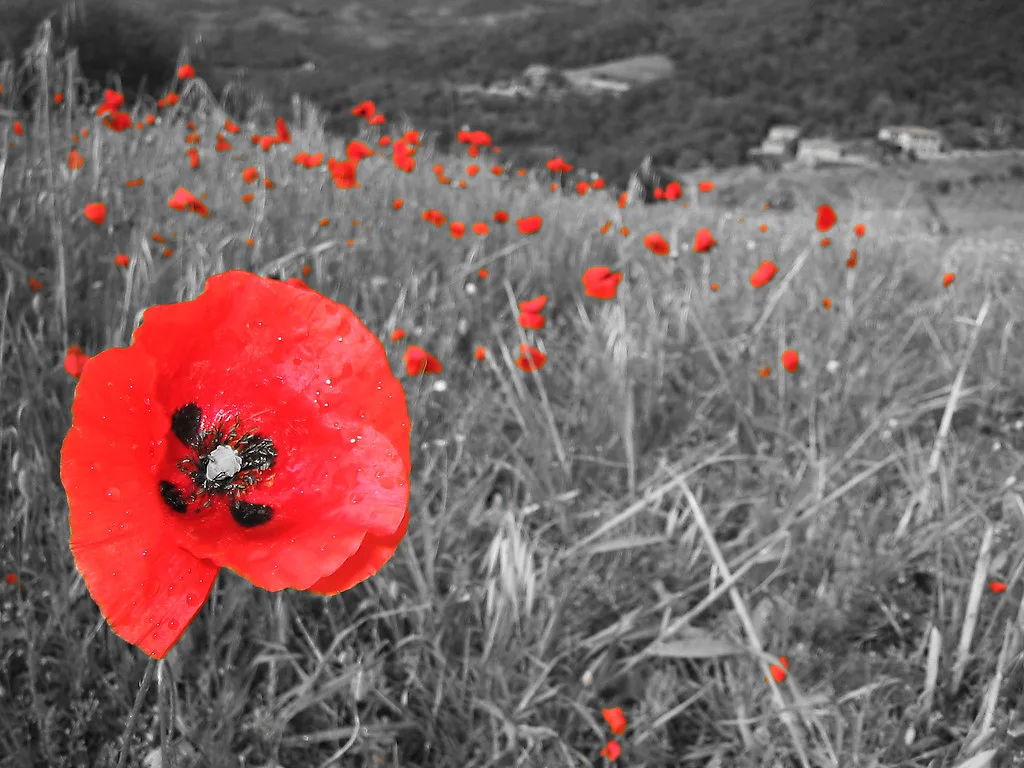
Featured image: Jon Gudorf Photography, CC BY-SA 2.0, via Flickr.
Where to see poppy fields in Italy
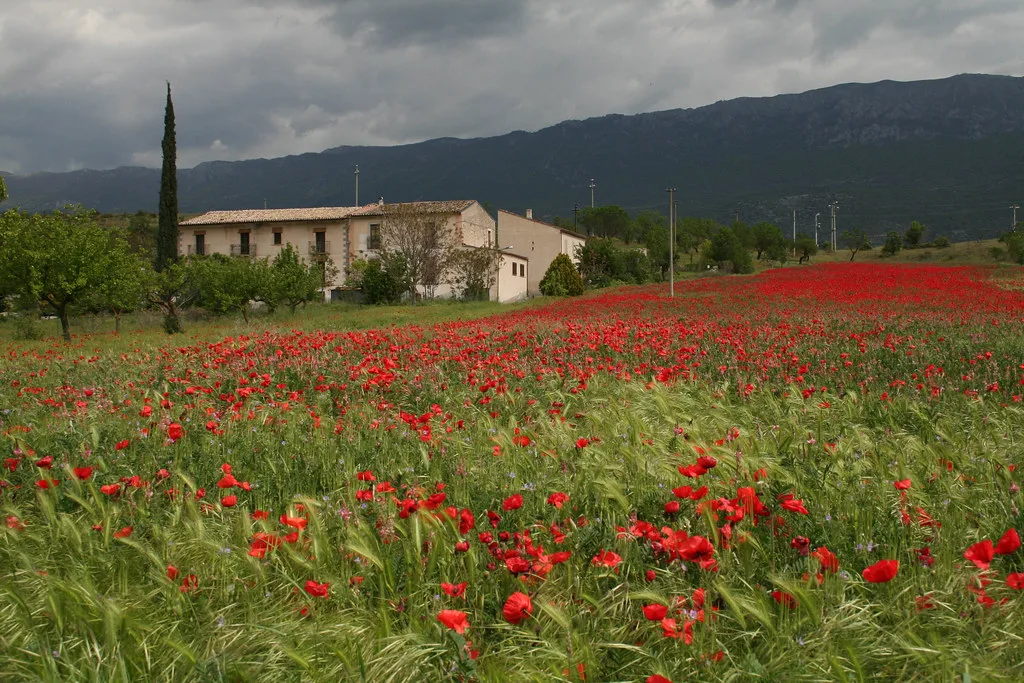
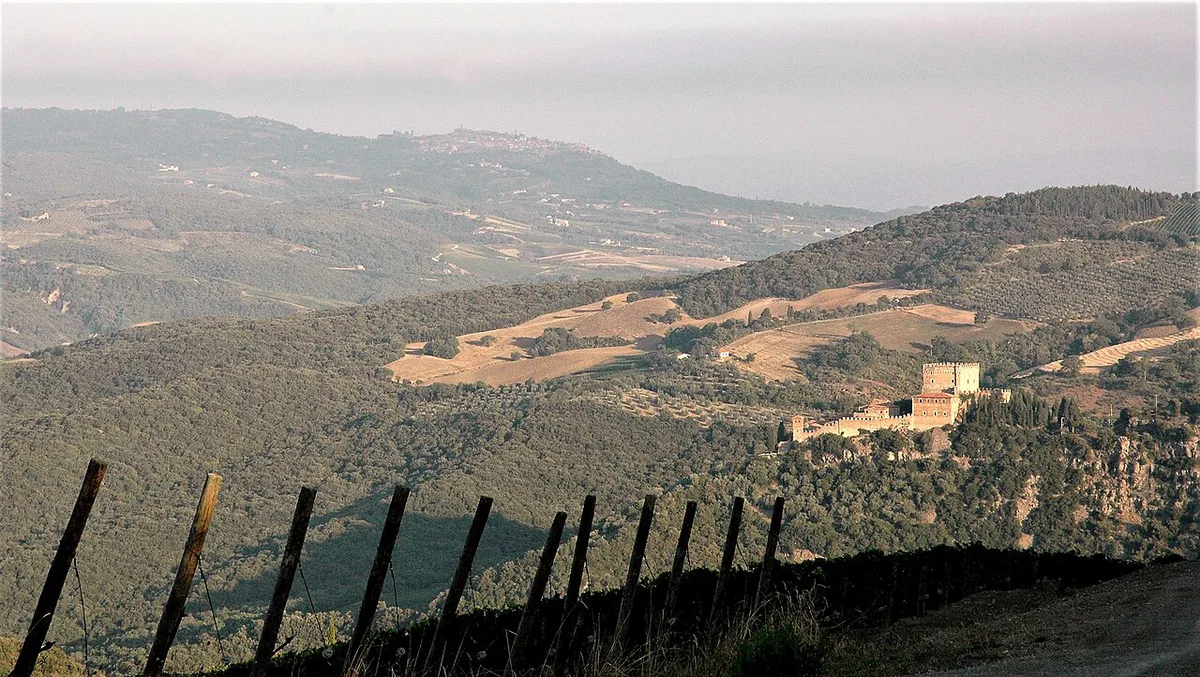
Tuscany is the most reliable starting point. Poppies show up along roadsides and in grain fields around Pienza and San Quirico d'Orcia in the Val d'Orcia, and across the Crete Senesi south of Siena. The Val d'Orcia park authority is the place to check local conditions. Umbria and Puglia work as alternatives, with the same logic: look for cereal fields rather than a named attraction.
| Area | What to look for | Confidence | Best for |
|---|---|---|---|
| Val d'Orcia (Pienza, San Quirico d'Orcia) | Poppies on verges and in grain fields among hill towns | Highest | First-time visitors and photographers |
| Crete Senesi | Open grain land with scattered red patches | Good, varies by year | Wide landscape shots |
| Umbria | Roadside and cereal-field poppies in the countryside | Moderate; check locally | Combining with hill-town stops |
| Puglia | Poppies among crops and olive groves | Moderate; check locally | Travelers already heading south |
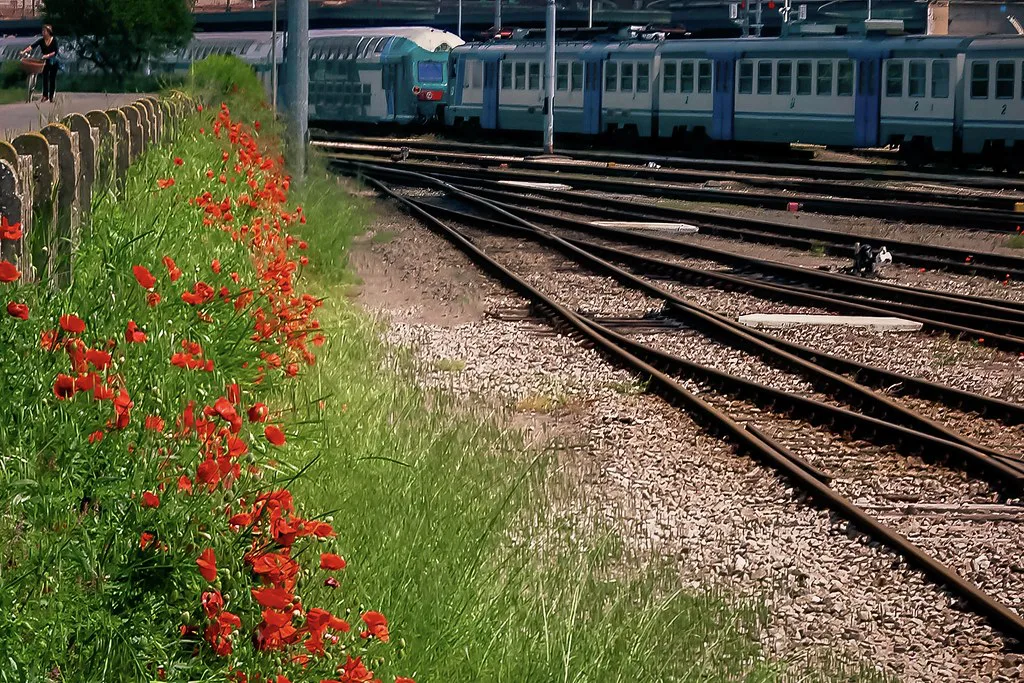
When poppies bloom in Italy (and why it shifts)
Late April to early May is the commonly cited window for Tuscan poppies, and mid-May can still be good for photographs. Spring rain, altitude and field management all move the dates. Poppies at higher elevation open later than those in the valleys, and a ploughed or mown field can lose its color within days. Treat these months as a guide, not a promise.
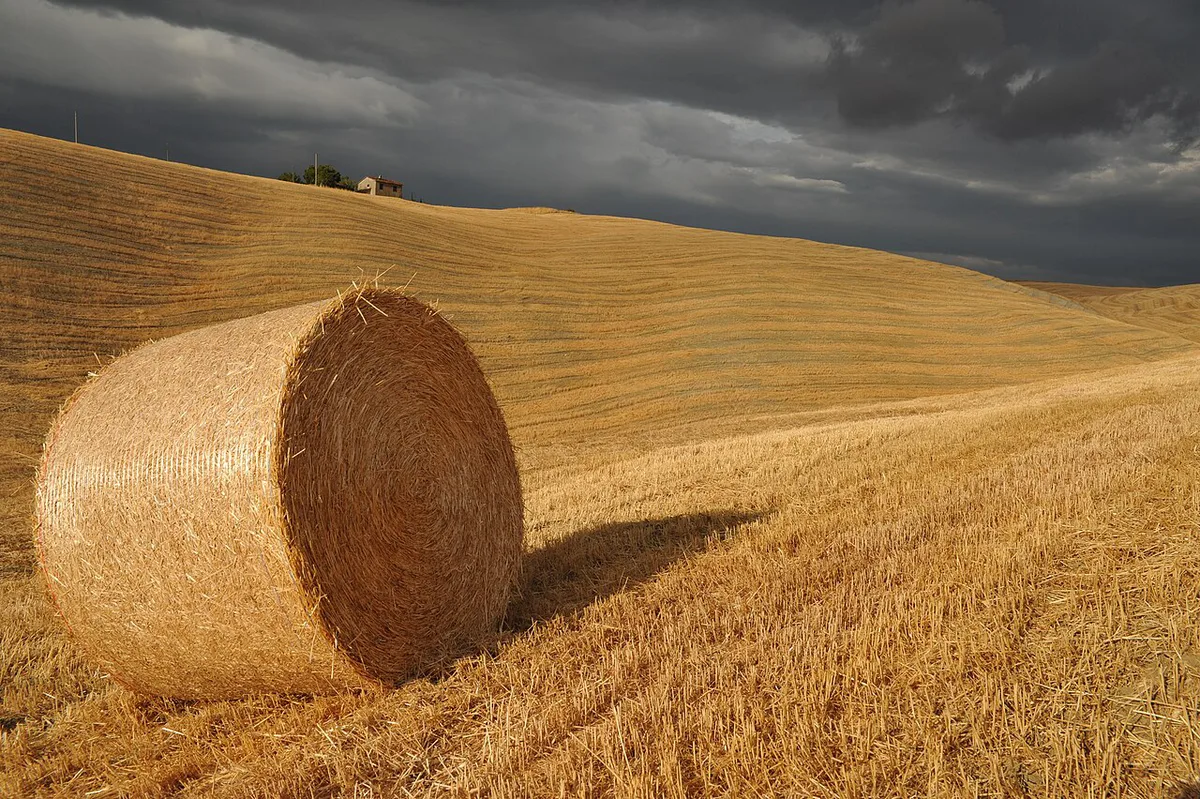
Rain can shift the peak, so check conditions across the 3–4 weeks before you travel, not only the calendar window.
- Early to mid April: scattered early patches on warm, low verges; fields are rarely full yet.
- Late April: red begins to spread through grain fields; the strongest build-up in a good year.
- Early May: peak color in many seasons, with the widest choice of fields.
- Mid-May: still good for shots against blue sky, though some fields start to fade.
- June onward: poppies thin out; look to higher ground for other blooms.
Field or roadside strip? Setting expectations
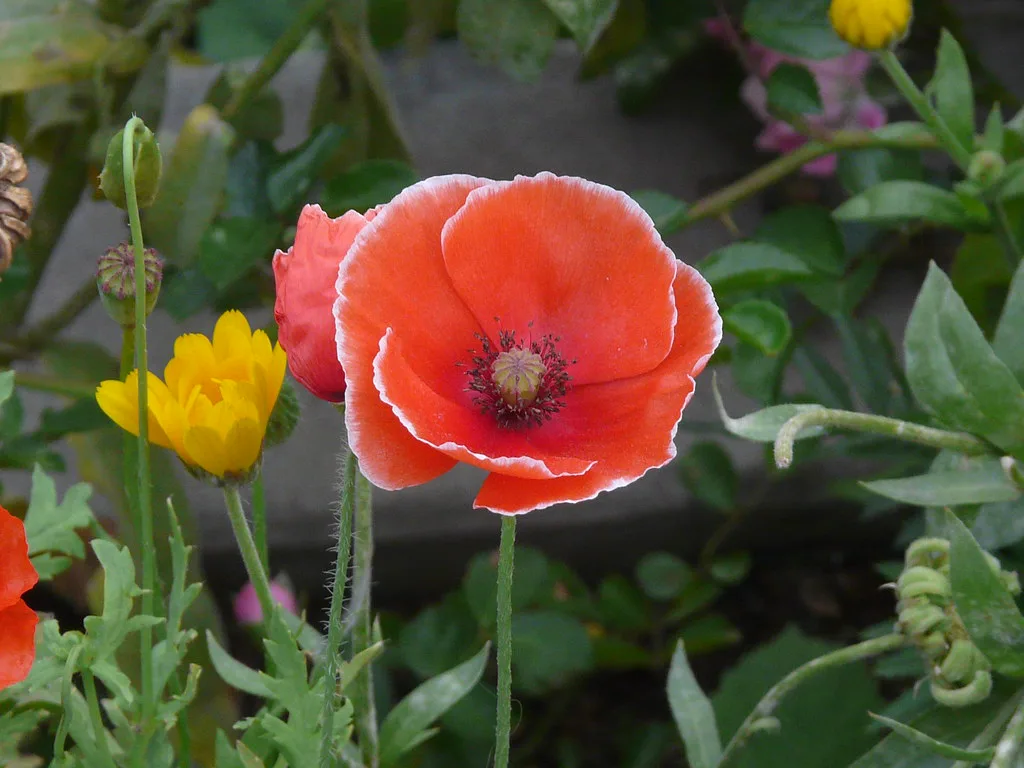
The corn poppy (<em>Papaver rhoeas</em>) is a wild plant of cultivated grain land, not a managed attraction. Some years give a solid red field. Other years give only a thin line along a verge, because crop rotation, ploughing or a dry spell removed the bloom. Look at the weather of the previous 3–4 weeks before you set out. Ask your agriturismo host which fields are red right now, and compare recent photos from the area. If nothing is out, the countryside is still worth the drive, but the poppies alone would not justify a flight.
How to plan your poppy trip
Fields are scattered along narrow rural roads, so a car gives the most freedom. Trains and buses reach hill towns, but they limit where you can stop. Verges are often narrow, with no pavements, so pull fully off the road and watch for weekend traffic in peak season. A hired driver costs more than a rental car but removes the parking stress.
| Option | Flexibility | Cost level | Effort |
|---|---|---|---|
| Self-drive from a Tuscan or Umbrian base | Highest: stop where the red is | Medium | Navigating narrow roads and parking |
| Day trip from a city | Medium: limited to a few stops | Lower to medium | Early starts and long travel days |
| Photo tour or hired driver | Lower: set route and times | Highest | Low; the guide handles access |
- Best for photographers: self-drive, so you can chase morning light.
- Best without a car: a base in Pienza or another hill town, plus a driver for one day.
- Best for a short itinerary: a day trip from a city, accepting a hit-or-miss result.
- Best for families: a rural agriturismo with open fields nearby and few drives.
Photography and field etiquette
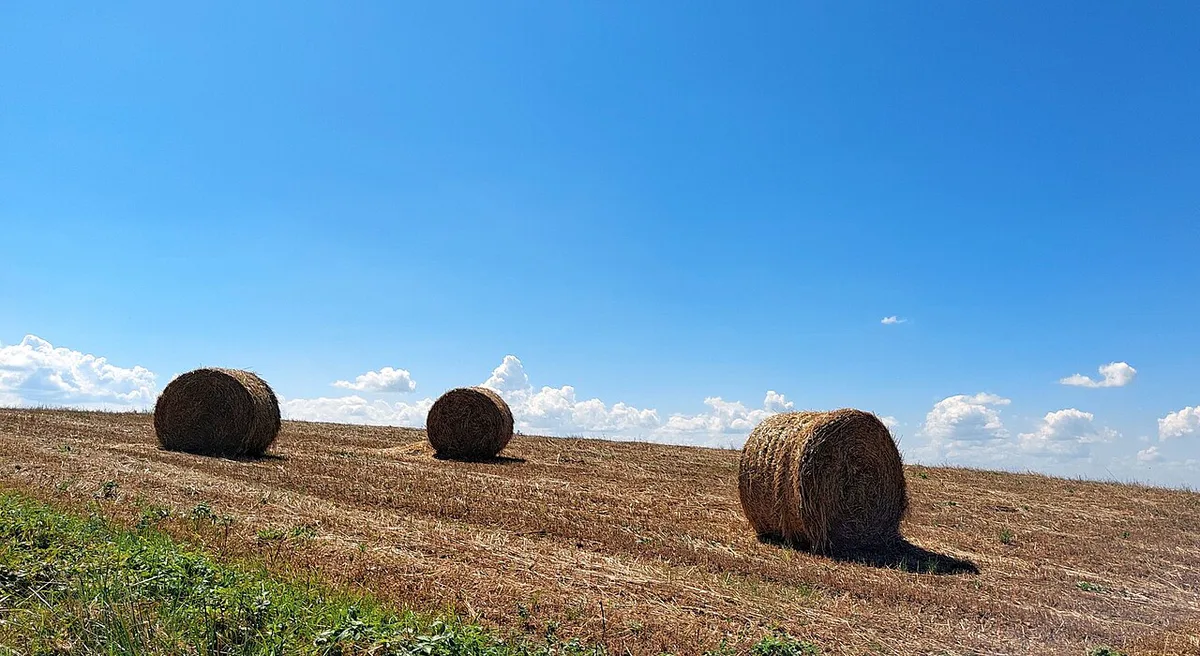
Most poppy fields are private farmland. There are no tickets and no opening hours, and roadside viewing is the norm. Do not walk into crops without the farmer's permission, because trampling damages the harvest. Early morning and late afternoon give softer light. Wind blurs close-ups, so wait for still moments. Bees work the flowers, so move slowly and give them room.
- Entering a field for a photo without asking the owner.
- Parking on a blind bend or blocking a farm track.
- Picking flowers; they wilt quickly and spoil the field for others.
- Arriving at midday when light is harsh and verges are busiest.
- Booking a fixed date without checking recent bloom reports.
Where to stay for poppy season
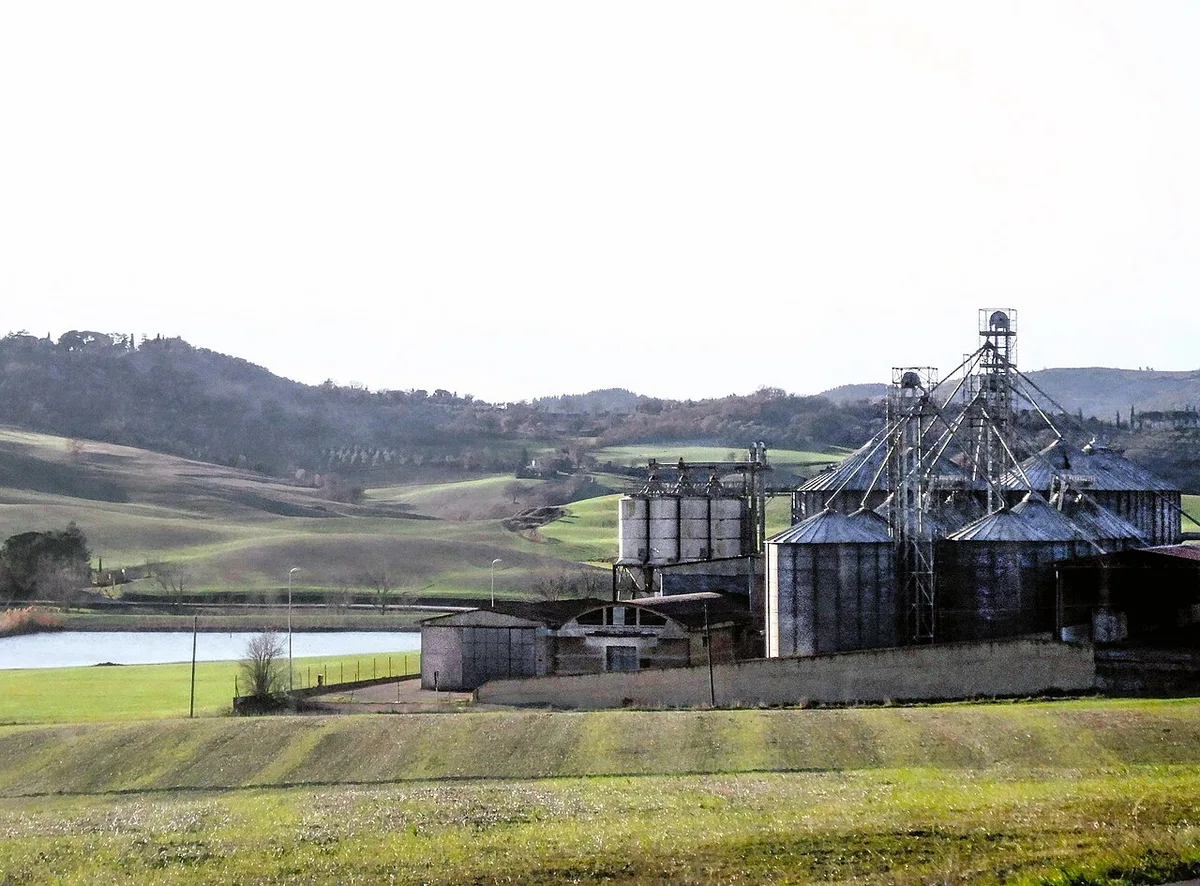
A rural agriturismo near open grain fields gives you early and late light and local advice on which fields are red. A hill-town base such as Pienza puts restaurants and walks on your doorstep, but you drive further for fields. Choose by your priority: photography favors the farm, while a mixed itinerary favors the town. Book early for late April to May, and check Visit Tuscany for regional listings.
Combine poppies with other spring blooms
If the poppies have gone, other flowers fill the gap. The flowering lentil fields and wildflowers around Castelluccio in Umbria are covered in Castelluccio's flowering season, which is a different spectacle from a classic poppy field. The Monti Sibillini national park is the authority for that area. For earlier color, see our guide to spring crocus fields. For later color, head north to Dolomites wildflower meadows or high alpine flower trails. To compare Tuscany with Provence, read Poppy Fields in France: Where and When to See Them. For the wider picture, see poppy fields across Europe.
Bloom-season notes
Optional updates when we add or revise garden guides.
Continue reading
Guides on the same trip