Poppy Fields in France: Where and When to See Them
Plan a trip to see poppy fields in France: regions compared, bloom timing, car vs rail logistics, etiquette and what to do if the bloom is poor.
Last updated November 2026. Poppy fields in France are roadside, field-edge and fallow-land displays rather than a ticketed attraction. Blooms run from late spring into early summer and shift each year with weather and farming. Choose a region by how much driving you accept, then keep a fallback plan from our European wildflower guide.
Featured image: www.mgaylard.co.uk and thanks for looking, CC BY 4.0, via Flickr.
Poppy fields France: the quick answer
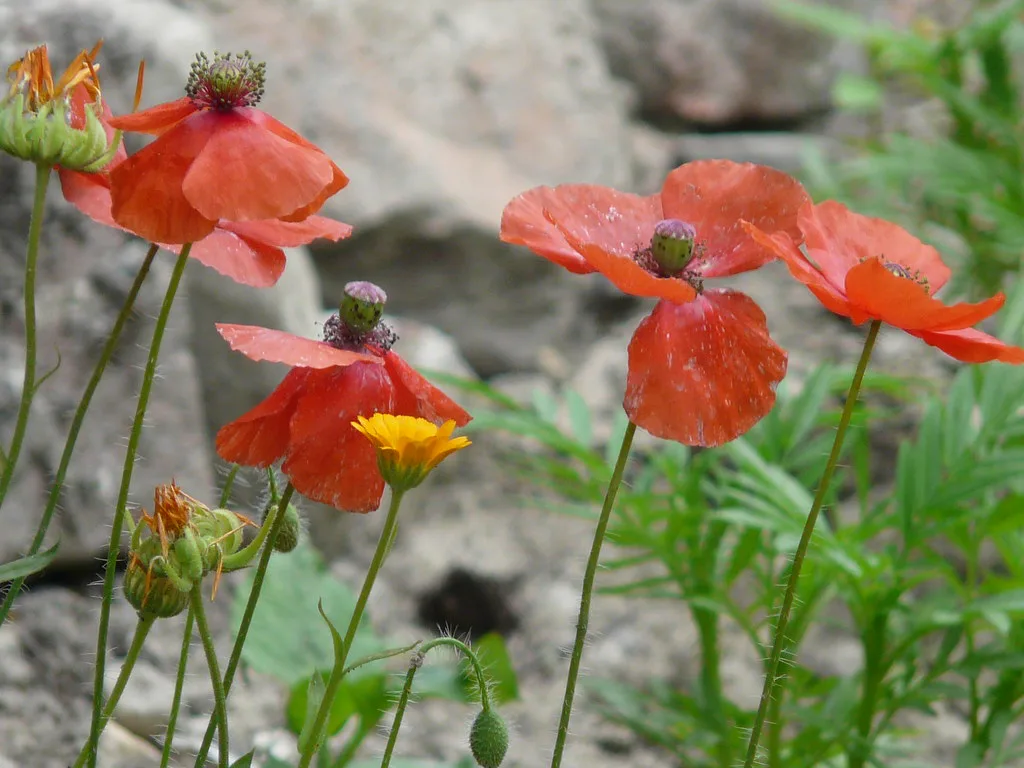
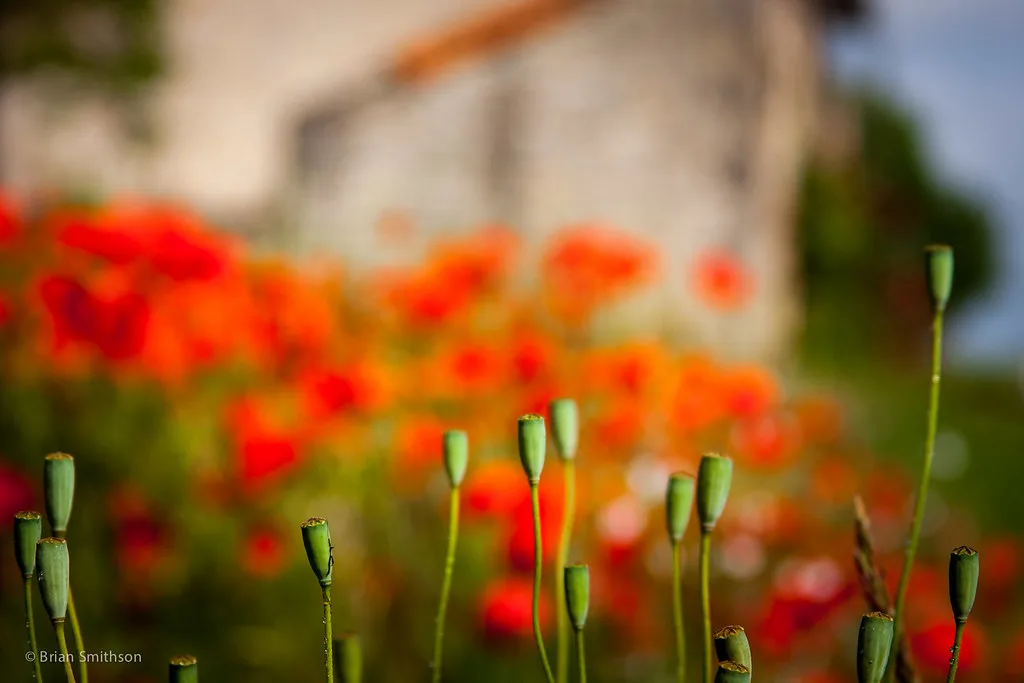
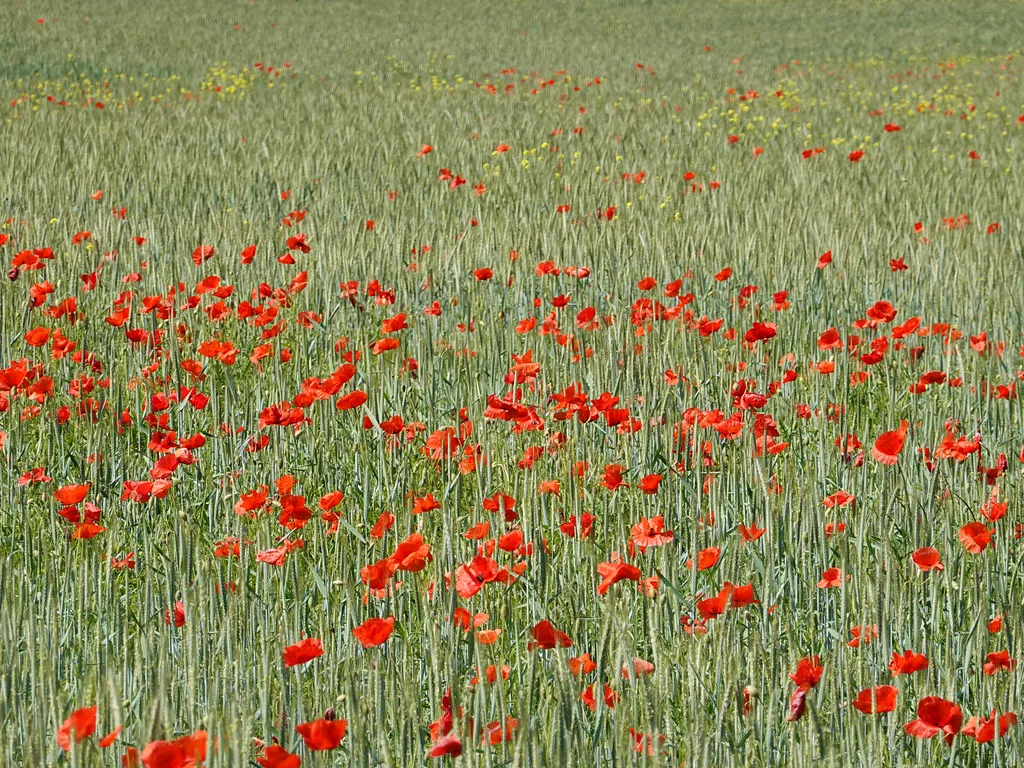
Coquelicot is the French name for the common field poppy, Papaver rhoeas. It thrives in disturbed soil, so cereal edges, road verges and fallow plots are where it shows up. No single field is guaranteed in any year. For a wider comparison, see our roundup of European poppy fields.
- Provence: the classic association, best for combining poppies with villages and markets.
- Normandy Vexin near Giverny: easy to pair with Claude Monet's garden.
- Loire and Centre cereal belt: open farmland with long drives between patches.
- Champagne: cereal and vineyard country, best with a car.
- Somme and Picardy: poppies with First World War remembrance context.
When poppies bloom in France and why it varies

Bloom runs on a window, not a date. Warmer southern regions usually flower earlier, and northern France follows later in spring and early summer. A wet spring can thicken the display, while a dry or very hot one can shorten it. Early mowing and herbicide timing can erase a field within days. Ask the local tourist office for current conditions before you drive anywhere.
Best regions to see poppy fields
Use this table to match a region to your transport and interests. Reliability describes how consistent a region tends to be, not a promise for any single field.
| Provence | Earlier, in the warmer south | Variable by year | Car strongly preferred | Villages, markets, lavender country |
| Normandy Vexin and Giverny | Later than the south | Variable by field | Car or rail plus local base | Monet's house and garden |
| Loire and Centre | Mid-season, cereal-driven | Patchy | Car needed | Châteaux, wine stops |
| Champagne | Later, cereal-driven | Patchy | Car needed | Vineyards, cellar visits |
| Somme and Picardy | Later, northern timing | Variable | Car best, some rail towns | Remembrance sites |
- Provence suits readers who want scenery beyond poppies. Skip it if you want a guaranteed carpet of red.
- Normandy Vexin suits short trips with limited driving. Skip it if you want wide open vistas.
- Loire and Champagne suit travelers already planning wine or château routes. Skip them if poppies are your only goal.
- Italy offers a different style of display, covered in our Italy poppy guide.
Giverny and the Normandy Vexin
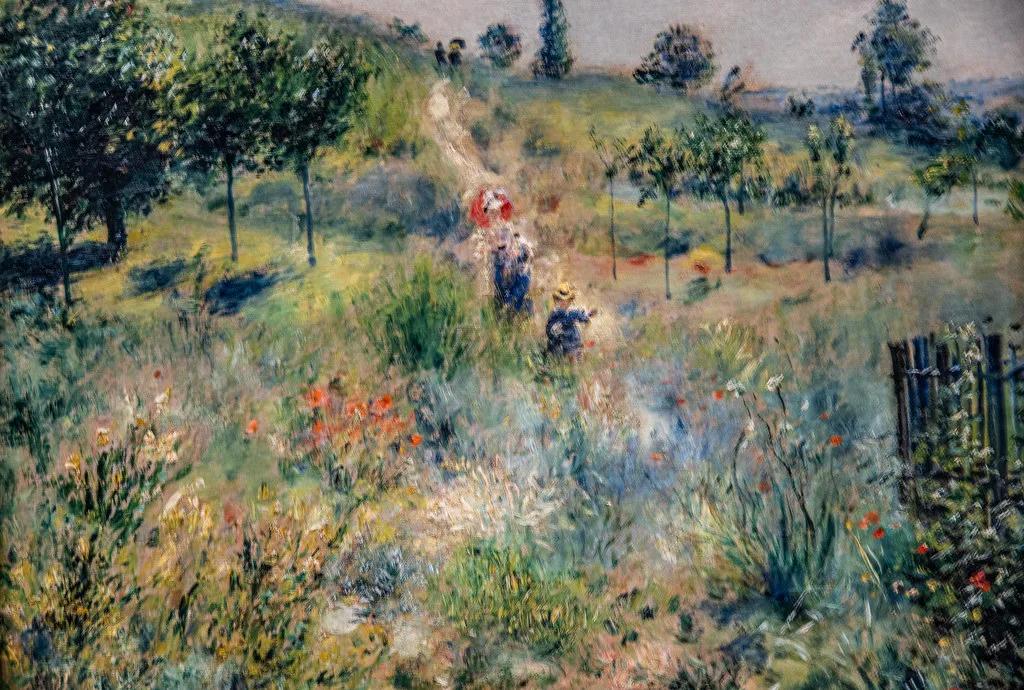
Giverny is the village where Claude Monet lived and painted. His house and garden are run by the Fondation Claude Monet. Cereal farmland in the surrounding Vexin gives you a chance of roadside poppies before or after a garden visit. For regional trip ideas, browse Normandie Tourisme. Treat the poppies as a bonus, not the reason for the journey.
Somme, Picardy and the Remembrance poppy
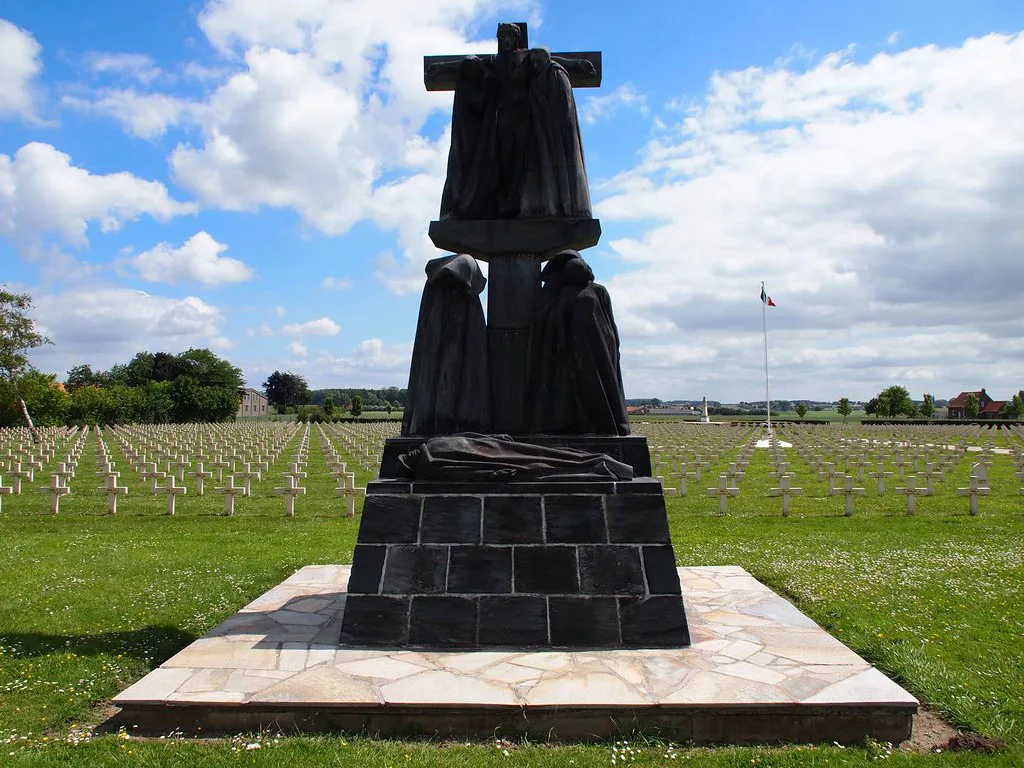
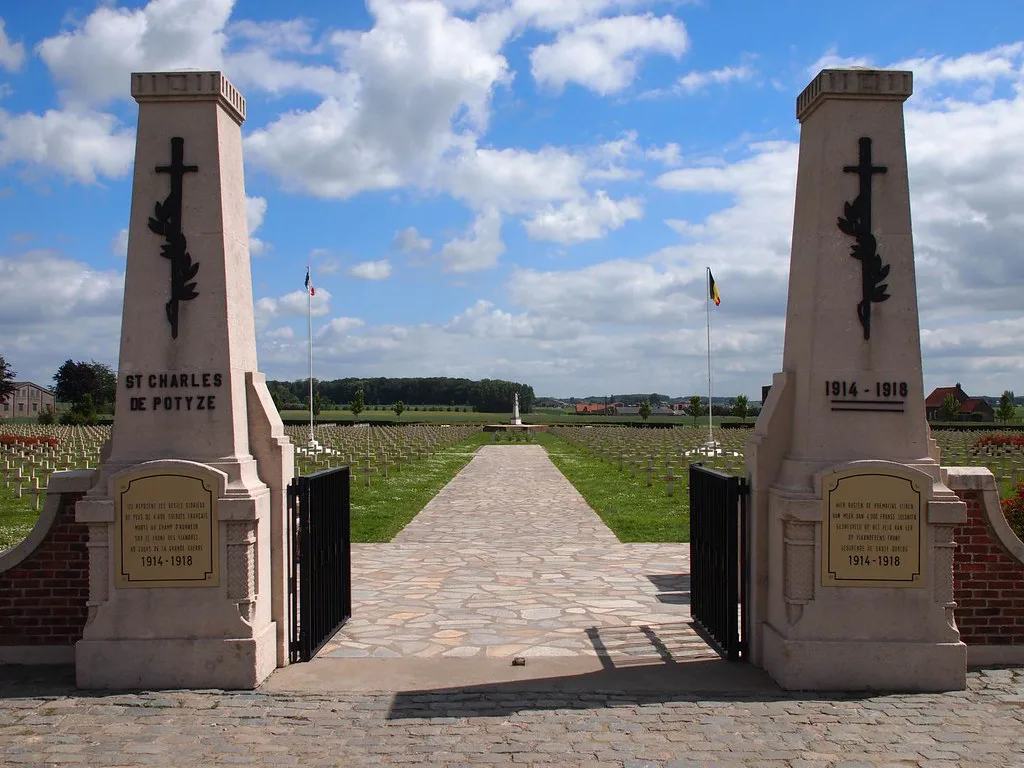
Wild poppies and the red Remembrance poppy are linked but different things. Fields in the Somme and Picardy carry the First World War association, and many travelers come for memorials rather than flowers. Verify any named memorial or museum with its official site or a local tourist office before you plan a stop. Visit with respect, and keep photography away from graves and ceremonies.
How to plan your time
A half day works if you already base yourself near Giverny or a Provence village. Drive slow country roads, stop where it is safe, and move on if the verges are bare. One full day lets you loop between two or three farming areas. Two to three days suit Provence or the Loire, where driving between patches takes time. Rail suits Giverny-area trips with a local base, while Provence and Champagne reward a car. Keep the schedule flexible, so a poor patch costs you an hour, not a day.
Costs, access and rules
Roadside viewing costs nothing. Garden entry and guided-walk prices are set by each site, so check the official page, such as the Fondation Monet site. Never walk into crops, because the field is someone's livelihood. Do not pick poppies, and park only where you will not block farm tracks. Watch for tractors, narrow roads and hunting. Drone rules are set by French authorities, so read the official guidance before flying anything.
If the bloom is poor
A mistimed or weak year happens, so keep a plan B. Swap to village markets, lavender country or other flowers. Our orchid guide covers a different habitat. Another option is spring crocus fields, and high mountain meadows are in our alpine flowers guide. If you want a bigger flower trip beyond France, read about Castelluccio di Norcia.
Mistakes to avoid
Most disappointments come from the same few planning errors.
- Treating poppies as one fixed spot instead of a moving window.
- Walking into crops for a photo.
- Driving a long distance for one field you saw in a stock photo.
- Booking a trip around a single date without checking local conditions.
- Blocking farm tracks when you park.
Choose a base for a flexible poppy trip
Choose accommodation for the wider trip, then treat poppy hunting as a flexible outing. Giverny works well as a local base when Monet’s house and garden are already on your plan. Nearby Vexin lanes can provide a short countryside detour if flowers are showing.
A half-day is enough for a careful drive from a Provence village or a Giverny-area base. Keep the rest of the day available for gardens, markets or museums if roadside verges are bare. For Provence or the Loire and Centre cereal belt, allow 2–3 days. This gives you time to try several farming areas without making one uncertain field the whole trip.
Choose a car-based stay in Provence, Champagne, the Loire or the Somme, where patches can be far apart. A rail arrival can suit the Giverny area, followed by a local base and limited transport. Book early for early-summer weekends, but avoid non-refundable plans built around one bloom report.
Frequently Asked Questions
Why is Flanders Field full of poppies?
Flanders is in Belgium, next to northern France. Poppy seeds sprout in disturbed soil, and wartime ground churning created ideal conditions. That is why the flower became linked with remembrance.
What does wearing a red poppy signify?
A red poppy honors people who died in war. It is worn mainly in the UK and Commonwealth around Remembrance Day. It is separate from wild poppy fields you visit for scenery.
Where are poppies native to in Europe?
The common field poppy grows widely across Europe's farmland and disturbed ground. France, Italy and Spain all have roadside displays. Our European poppy guide compares them.
Bloom-season notes
Optional updates when we add or revise garden guides.
Continue reading
Guides on the same trip