Heather in Scotland: When and Where to See It
When does heather bloom in Scotland, which types to look for, and where to see purple hills, with timing, access and weather tips.
Last updated November 2026: heather in Scotland is the low purple shrub that colours moorland, hillsides and glens in late summer. It usually flowers from late summer into early autumn, but the exact weeks shift every year. This guide covers the timing, the three plants to tell apart, where to look and how to plan around weather and access.
Featured image: cazalegg, CC BY 2.0, via Flickr.
When Does Heather Bloom in Scotland?
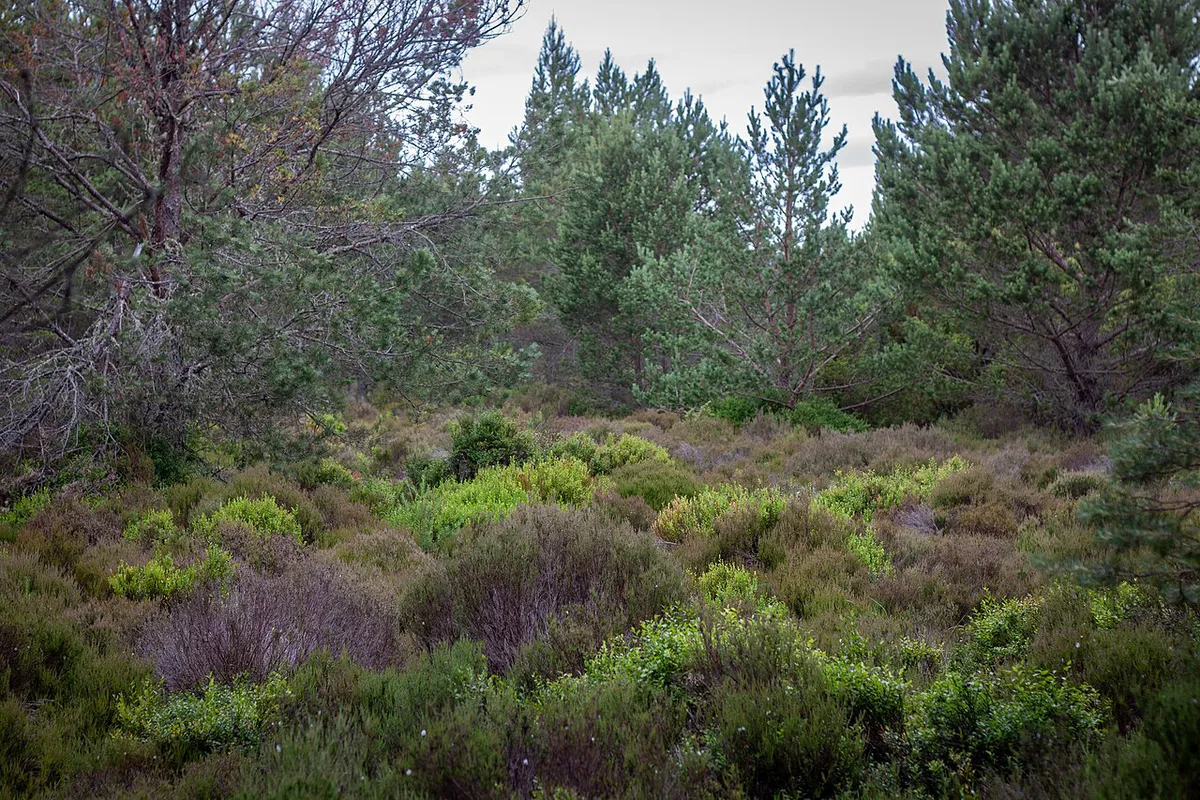
Heather usually blooms in late summer and fades into early autumn. Local accounts describe a purple peak lasting roughly a month, though never promise yourself a date. Altitude is the biggest variable, because higher and colder ground generally flowers later than sheltered lowland moor. Latitude matters too, so the far north and west can trail the south. A warm or wet summer can move the whole season earlier or later. Once the flowers finish, the hills turn brown, and heather and bracken fade together through autumn. Winter heather is still there, but it reads as dark, rust-coloured moorland rather than purple. VisitScotland's seasonal guidance is a sensible place to look for current-year updates before you book anything.
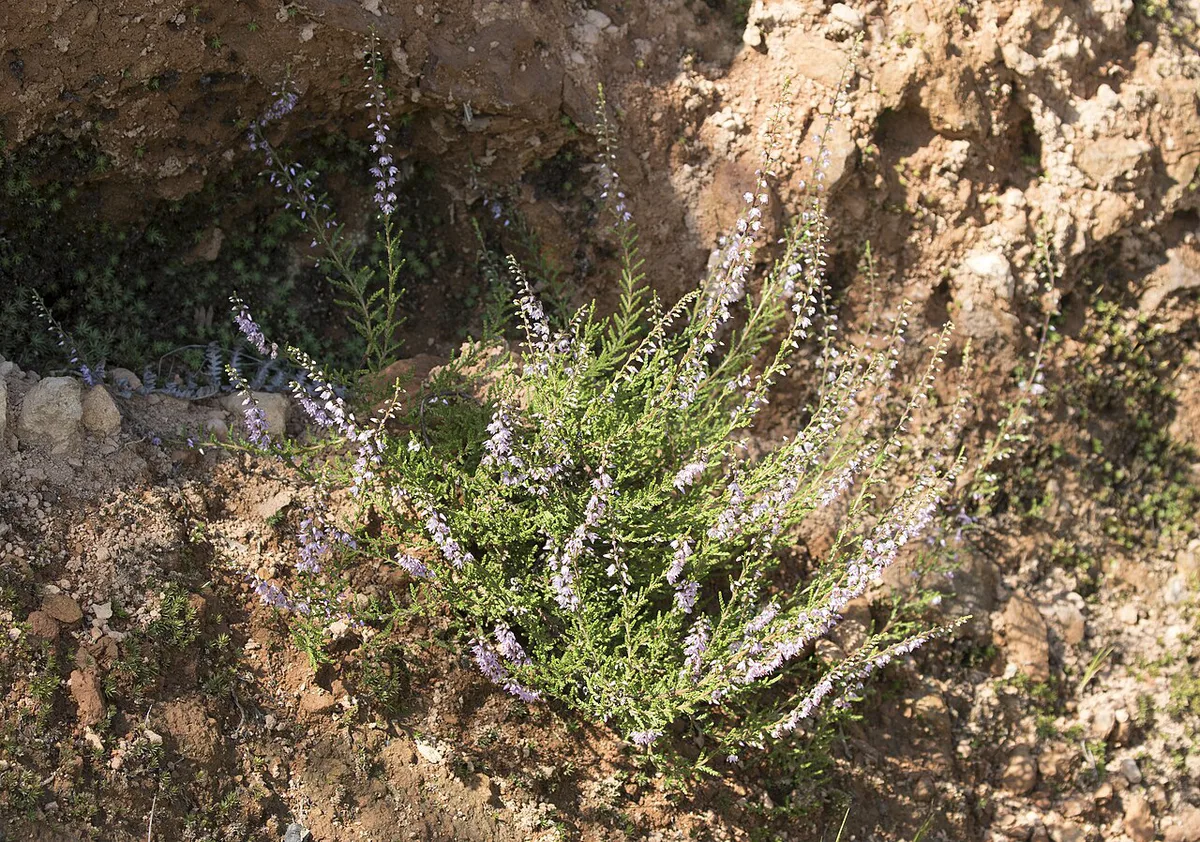
Types of Scottish Heather: Ling, Bell Heather and Cross-Leaved Heath
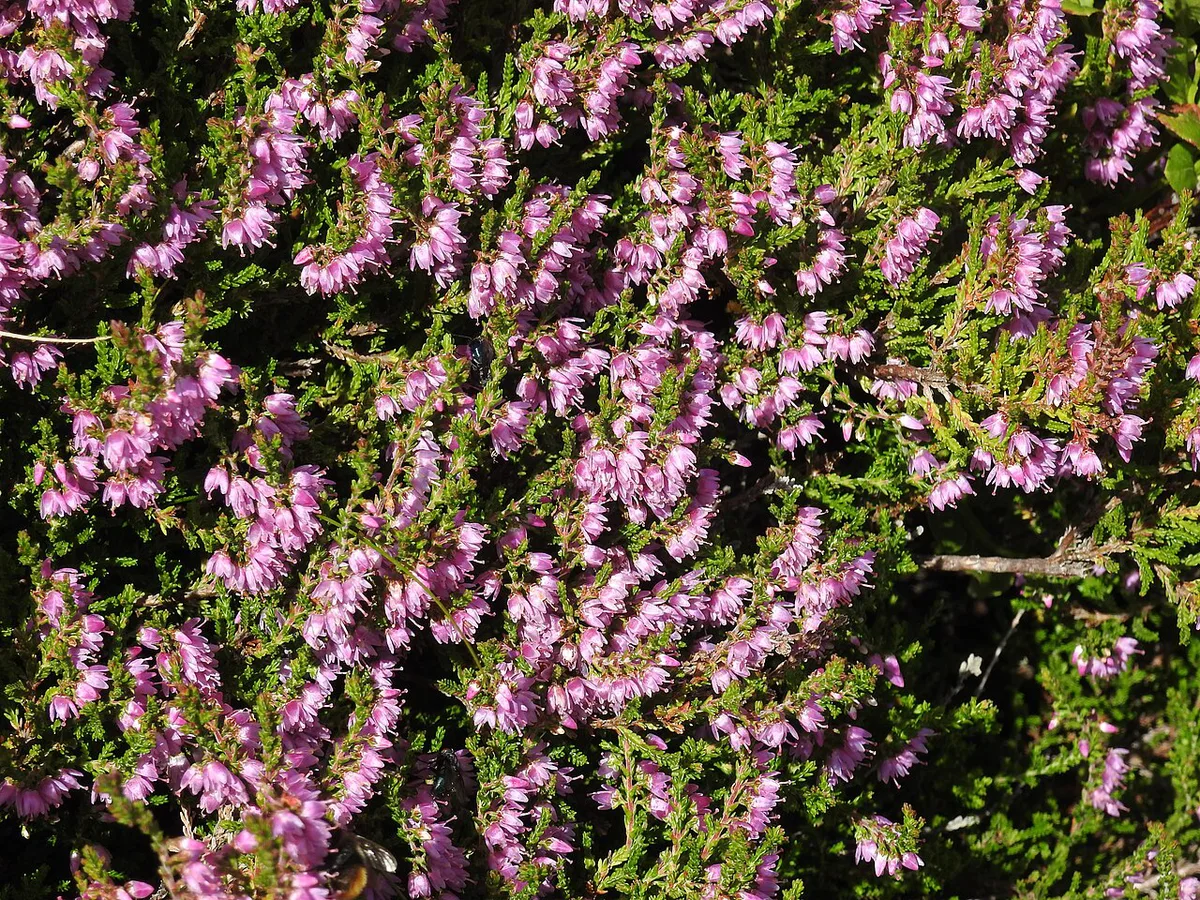
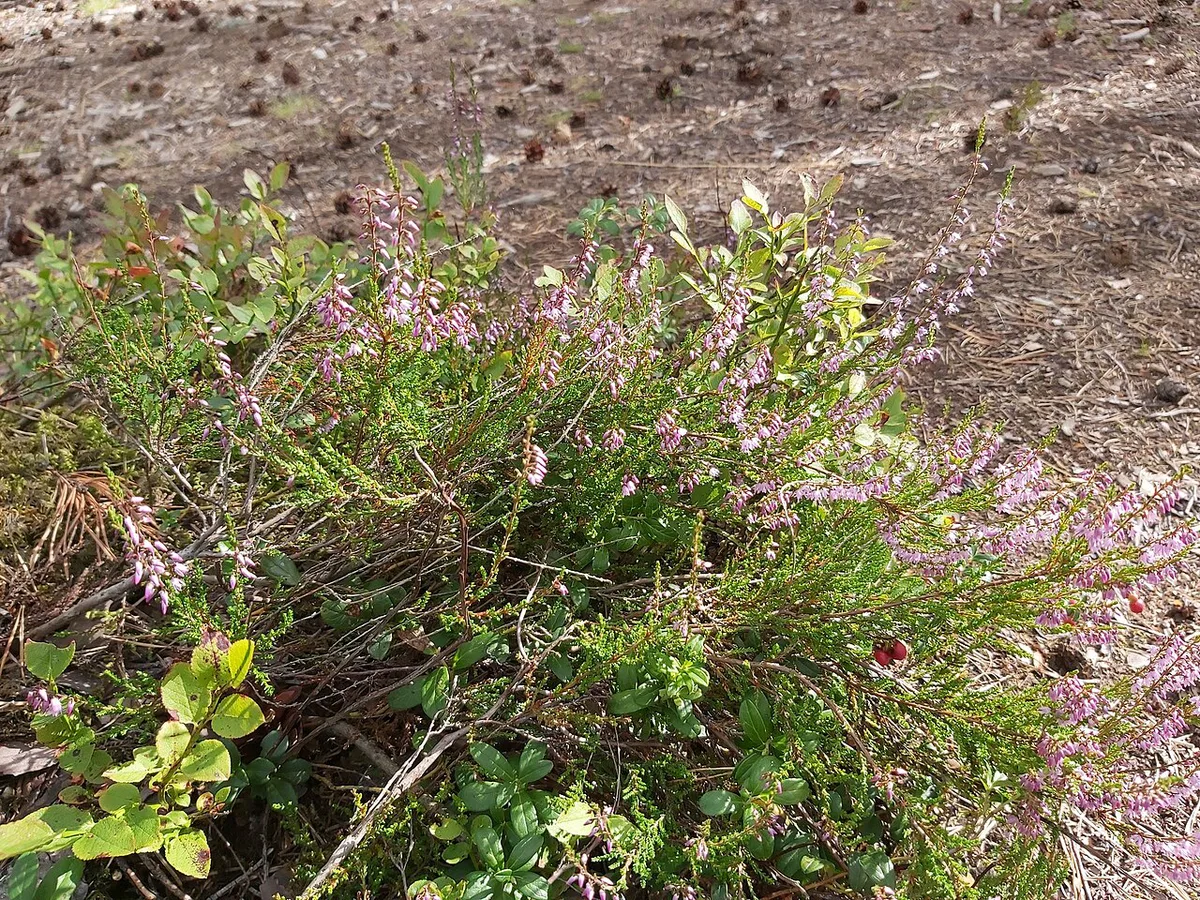
Three plants account for most of the purple you see. Ling is the true heather and gives the broad pink-purple sweeps. Bell heather and cross-leaved heath are both in the Erica genus, so botanists call them heaths rather than heather. That answers a common question: heather is Calluna, and heath is Erica. Looking closely at the flowers and the ground underfoot is the easiest way to separate them.
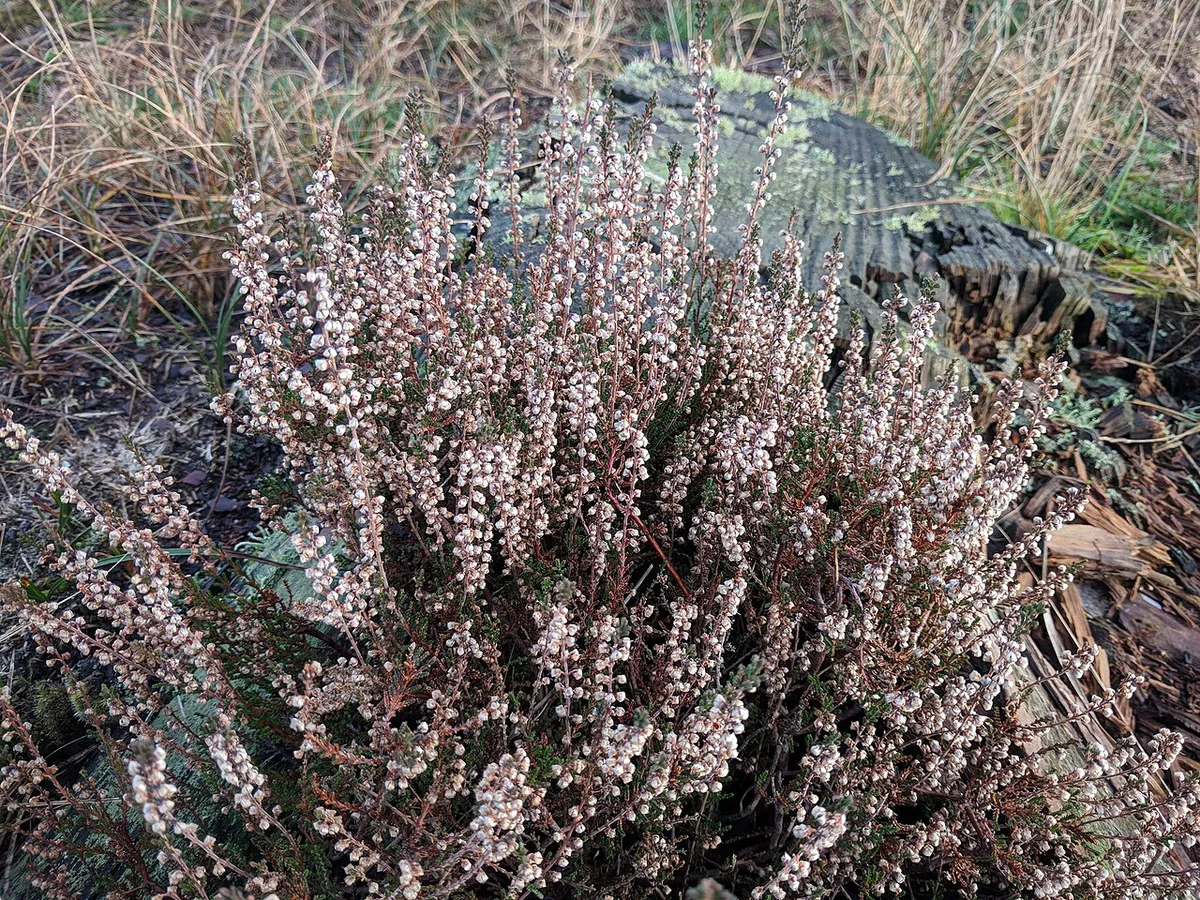
| Plant | Latin name | Flower colour and shape | Typical ground |
|---|---|---|---|
| Ling (common heather) | Calluna vulgaris | Pale pink to light purple, small flowers along upright spikes | Open moorland and hillsides |
| Bell heather | Erica cinerea | Deeper purple-magenta, bell-shaped flowers in clusters | Drier, well-drained slopes |
| Cross-leaved heath | Erica tetralix | Paler pink, flowers bunched at the stem tip | Damp, boggy moorland |
Heather and the Working Moorland: Honey, Grouse and Burning
The purple hills are not purely wild. Much of Scotland's open moorland is a managed landscape, and heather sits at the centre of how it is used.
- Grouse shooting: red grouse feed on young heather shoots and nest in older, taller growth. The shooting season opens on 12 August, known as the Glorious Twelfth, which is why many estates manage heather closely.
- Muirburn: small, controlled patches of heather are burned in rotation so that fresh shoots grow back. The practice is regulated and limited to set seasons outside the summer flowering period, so you will see patchwork moor with bands of different ages. Burning rules change, so check current guidance if the subject matters to you.
- Heather honey: bees are moved to the moors in late summer. The honey is dark, strongly flavoured and thick, often set like a jelly. Farm shops and local markets in heather country are the place to look for it.
- Older uses: heather was traditionally used for thatching, bedding, rope and brewing. Heather ale is still made by some small Scottish breweries.
White heather is a rare colour variant, and in Scottish tradition it is regarded as a lucky charm. You are most likely to meet it as a sprig sold in a gift shop rather than as a find on the hill.
Knowing this helps when you plan a visit. A moor with uneven patches of colour is not a poor display, and shooting estates may restrict access on certain days in late summer and autumn. Check for signs and local notices, and follow the Scottish Outdoor Access Code. If you enjoy seasonal flowering, spring offers a very different show in our guide to bluebells in Scotland.
Where to See Heather in Scotland
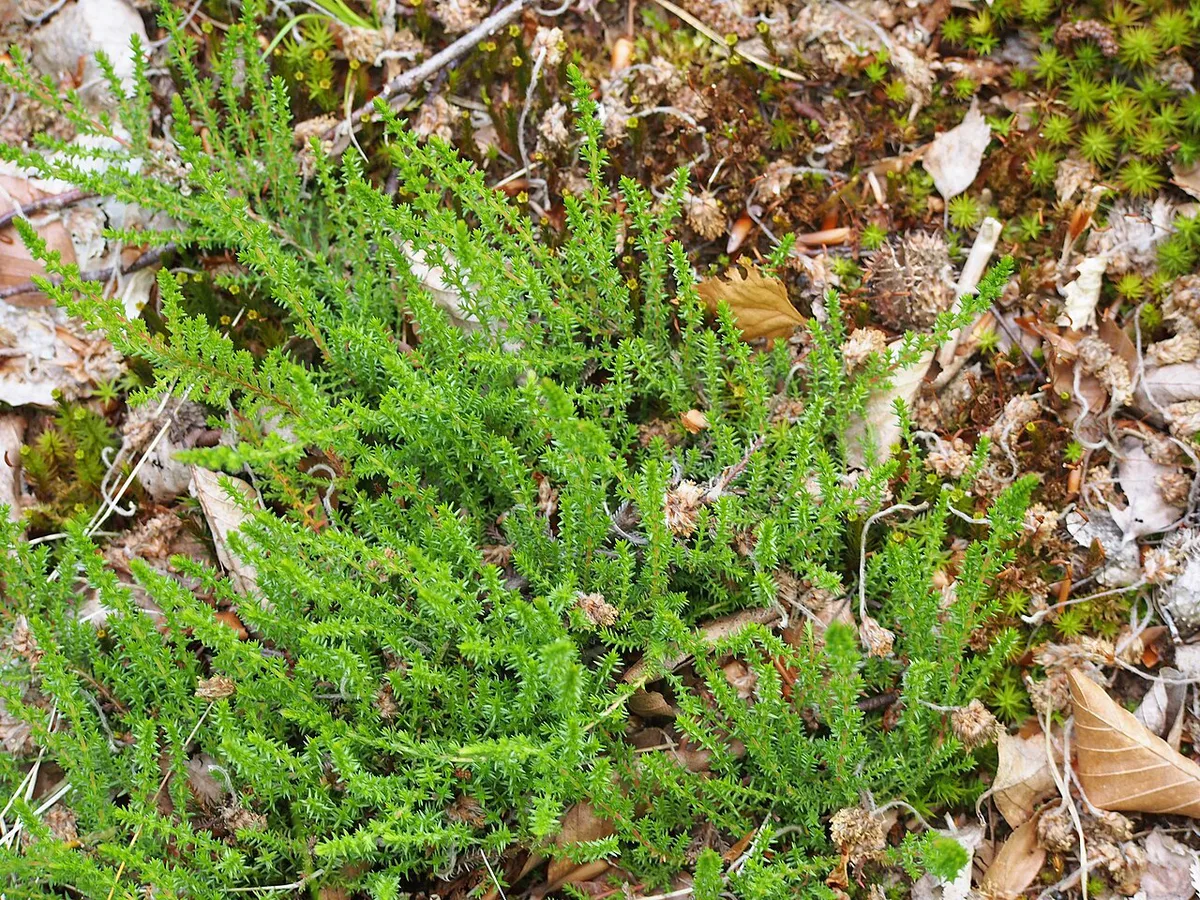
Look for open moorland, treeless hillsides and glens rather than a single named viewpoint. The Highlands and the Isle of Skye are the areas most often described as turning purple in late summer. Heather also grows well beyond those headline regions, wherever acidic, open ground has not been cleared or planted over. Roadside lay-bys in moorland country give a quick view, and a walk onto the slope gives you the full carpet effect. Pick your area from the weather forecast and recent local reports rather than from a fixed list of hotspots. For a planted, predictable alternative, Scotland's best gardens are covered in our main garden guide.
How to Plan a Heather-Viewing Trip
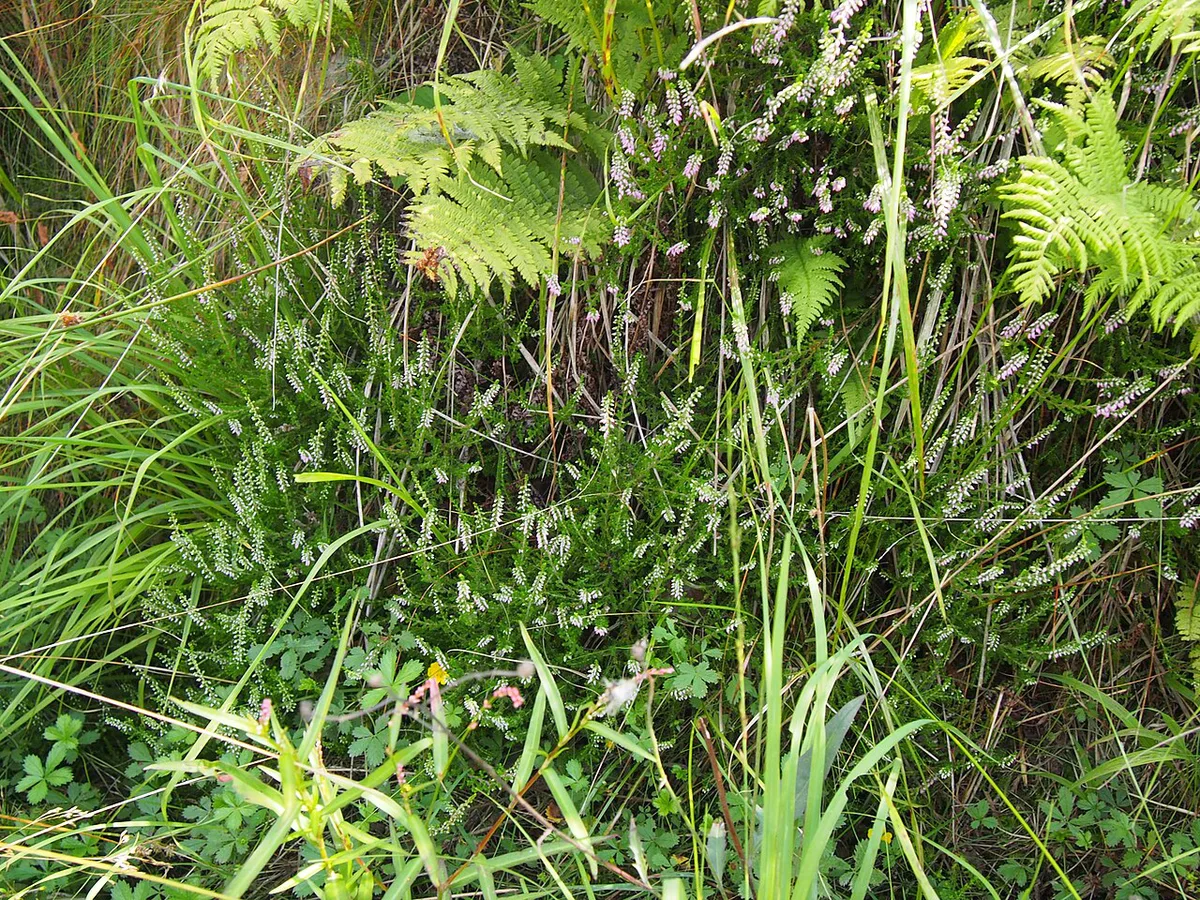
Match the effort to your time and the day's weather. Cloud and rain flatten the colour, while low sun in the morning or evening deepens it. Daylight shortens as autumn approaches, so build in margin for the drive back. In remote glens, public transport is thin, so a car or a guided tour is usually the practical choice. Many Highland and Skye roads are single-track with passing places, which slows journeys. Midges are active in summer and love still, damp air, so carry repellent or a head net. Scottish outdoor access rights apply on most open land, and the Scottish Outdoor Access Code asks you to act responsibly and leave plants where they grow. That includes leaving the flowers unpicked.
| Option | Effort | Weather risk | Who might skip it |
|---|---|---|---|
| Roadside lay-by | Low | Low to moderate, you can wait in the car | Anyone wanting a full panorama |
| Short moorland walk | Moderate | Moderate, wet ground and midges | Visitors with limited mobility |
| Hill hike | High | High, cloud can hide the view | Beginners or anyone short of daylight |
- Going too early or too late and finding green or brown hills.
- Assuming one fixed date instead of checking recent reports.
- Ignoring weather and the earlier dusk of autumn.
- Relying on buses to reach remote glens.
Photographing Heather: Light, Lens and Timing
Heather is harder to photograph than it looks. The flowers are small and the colour is easily washed out, so a few habits make a bigger difference than expensive kit.
Light and weather
- Low sun: early morning and the hour before sunset bring out the pink-purple. Midday sun flattens the carpet into a pale blur.
- Overcast skies: soft cloud is good for close-ups, because colour stays saturated and shadows are gentle. It is poor for wide landscapes with a blank grey sky.
- After rain: wet flowers look richer, but wind makes the stems move, so use a faster shutter speed.
Composition
- Add a focal point. A lone tree, a stone wall, a track or a hill ridge gives a wide heather scene something to anchor on.
- Get low. Shooting from knee height makes the heather fill the foreground and compresses the slope behind it.
- Try a telephoto. A longer lens stacks the colour bands of heather, bracken and hill and avoids stepping onto the plants.
- Go macro for the plants. A close frame is a quick way to show the difference between ling spikes and the bells of bell heather described above.
Practical points
Stay on paths and tracks where you can, since trampled stems do not recover quickly and the access code asks you to look after the land. Carry a lens cloth, because damp moorland air fogs glass. Midges tend to gather exactly when the light is best, at dawn and dusk, so bring repellent. Phone cameras cope well with heather if you tap to expose for the flowers rather than the sky. If the purple has already faded, the browns and golds that follow are covered in our guide to autumn colours in Scotland.
Heather in Scottish Gardens
If the hills are clouded in or the season has passed, a garden is a reliable fallback. Scottish gardens are planted for colour across many months, though you should check each garden's own plant lists before expecting heather. Gardens across Scotland make a good starting point for planning. Without a car, Gardens Near Edinburgh: Easy Day Trips and Half-Day Picks are easier to reach. The Royal Botanic Garden Edinburgh is a useful place to learn plant identification, including the difference between heathers and heaths. For a west-coast trip, Crarae Garden: Visitor Guide to Loch Fyne's Glen Garden pairs well with hill scenery.
Bloom-season notes
Optional updates when we add or revise garden guides.
Continue reading
Guides on the same trip