Magnolia Gardens in Europe: Best Places and When to Go
Where to see magnolias in Europe: standout gardens in Cornwall, Hampshire and West Sussex, bloom timing, and trade-offs for planning a spring trip.
Last updated November 2026. The best-known magnolia gardens in Europe sit in southern England: Caerhays Castle gardens in Cornwall, Exbury Gardens in Hampshire and Wakehurst in West Sussex. Main bloom usually falls in early to mid spring, with timing that shifts by species, climate and year. Note that Magnolia Plantation and Gardens is in Charleston, South Carolina, not in Europe.
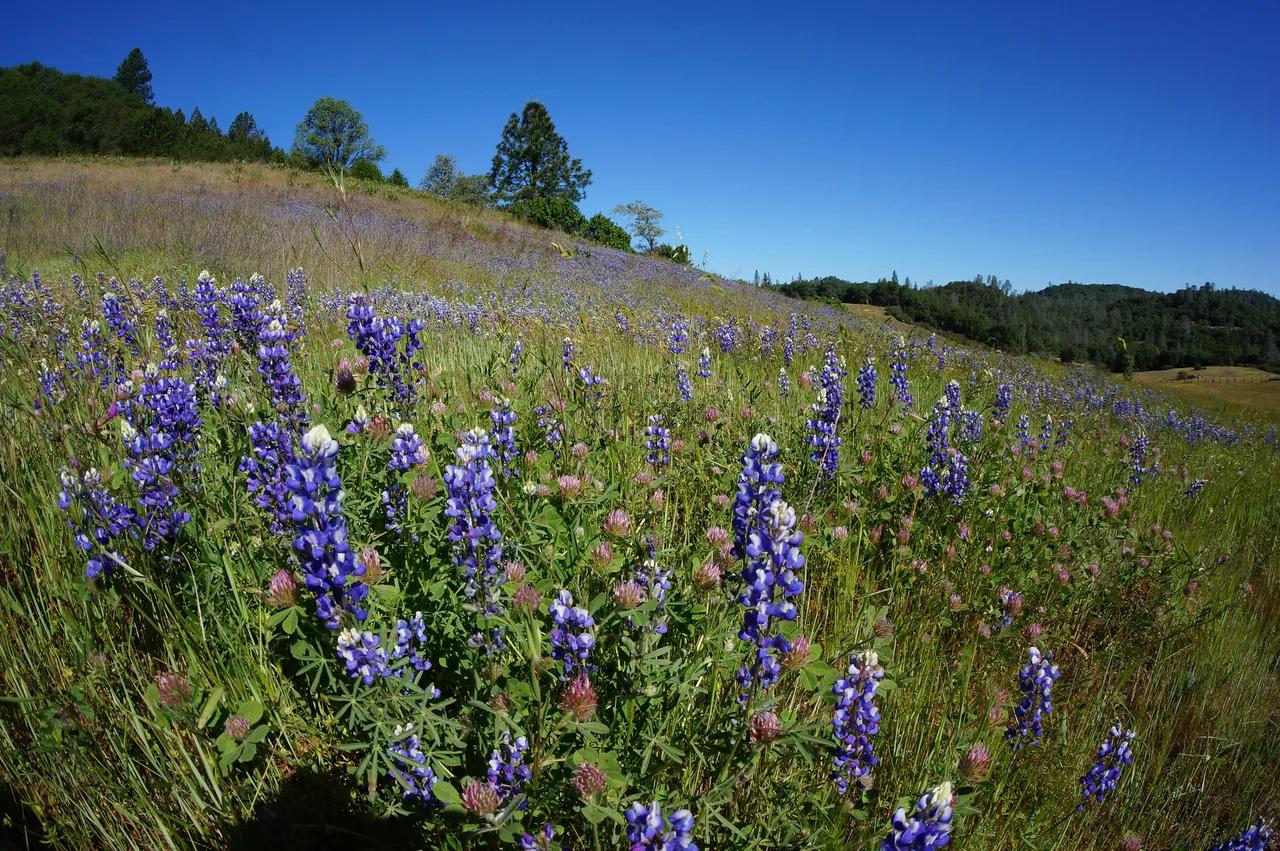
Featured image: blmcalifornia, Public Domain Mark 1.0, via Flickr.
Quick answer: where and when to see magnolias in Europe
Start with three English gardens that suit magnolia viewing. Caerhays Castle gardens in Cornwall, Exbury Gardens in Hampshire and Wakehurst in West Sussex all sit in the mild, maritime south of England. Early spring brings the first big saucer magnolias, and the display often runs into mid spring. Later types follow, so one garden can look different across a few weeks. Plan around a window, not a single date.

- Cornwall: Caerhays Castle gardens, for a coastal-climate estate visit.
- Hampshire: Exbury Gardens, for a large woodland-style garden.
- West Sussex: Wakehurst, for a garden with a wider plant collection.
How to choose a magnolia garden
Four decisions shape a good trip. Species mix comes first, because early saucer magnolias open well before later, leathery-leaved types. Climate matters next. Mild Atlantic and Channel-coast gardens tend to bloom earlier than inland or continental ones. Garden type changes the day too. A historic estate suits slow walks, while a public park suits a short, free stop. Finally, think about how easily the garden combines with other blossom stops on the same route.
- Species mix: early saucer and star types against later types.
- Climate: maritime coast against inland or continental.
- Garden type: estate, large collection garden or public park.
- Cost model: free park against a ticketed garden.
- Combinability: how well it pairs with cherry, almond or wisteria.
Magnolia types and bloom order: what opens first
Knowing which magnolia is in flower matters more than the calendar date. The main groups open in a fairly predictable sequence, though weather moves every stage by a week or more.
- Star magnolia (Magnolia stellata): small white, strappy-petalled flowers, usually among the first to open. It is also the most frost-prone.
- Campbell's magnolia (Magnolia campbellii): large pink goblet flowers on tall trees. In mild gardens such as those in Cornwall it can start in late winter, so check current reports before an early-spring trip.
- Saucer magnolia (Magnolia x soulangeana): the broad pink-and-white flowers most visitors picture. It is widely planted in parks and gardens and usually peaks in early to mid spring.
- Later and summer types: evergreen Magnolia grandiflora carries large creamy flowers well after the spring display, so a late visit can still be rewarding.
Most magnolias flower on bare branches, before the leaves open. The display is therefore at its most striking early in the season. Once leaves emerge, the show fades quickly. Collection gardens that grow many species spread the display over several weeks. A single-variety park tends to peak and finish within days. For other gardens that grow broad plant collections, see our guide to botanical gardens in Europe.
Best magnolia gardens by region
Southern England is the clearest starting point for magnolia gardens in Europe. Each entry below gives the area, why it stands out, and one trade-off. Exbury publishes visitor information on its official site, so use it for current ticketing and what is in flower. Other regions, such as the Italian lakes, also have strong spring gardens. Add them only after you have checked a garden's own collection page.
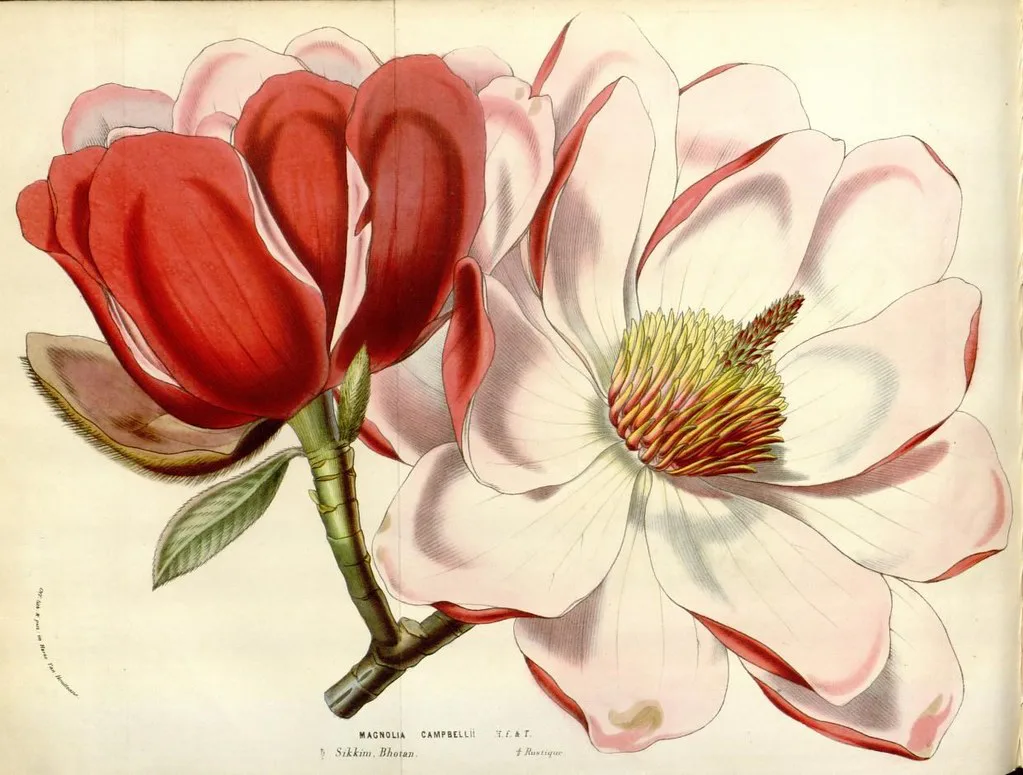
- Caerhays Castle gardens, Cornwall: a castle-estate setting in the county with the mildest spring climate in this list. Trade-off: Cornwall is a long drive from other stops, so build a full day around it.
- Exbury Gardens, Hampshire: a large ticketed garden where magnolias sit among rhododendrons and woodland. Trade-off: spring is its busiest season, so expect company on peak weekends.
- Wakehurst, West Sussex: a collection garden that rewards slow walking. Trade-off: it is a garden, not a single magnolia showpiece, so the display depends on which trees are open that week.
Timing and route trade-offs: building a spring blossom trip

Magnolia usually opens after almond and often overlaps with early cherry. For the earlier flowers, read our almond blossom guide. Bloom order shifts every year, so use our cherry blossom season overview to judge where the year is running. For the main blossom guide, go to cherry blossom across Europe. Wisteria arrives later, which makes a good second trip. Our wisteria guide covers it.
- England: pair magnolia with Cherry Blossom in London: Where to See It and When to Go if your route passes through the capital.
- Germany: add Cherry Blossom Bonn: Where to See It & When to Go for a second stop.
- Netherlands: Amsterdam's blossom park suits a short city add-on.
- Sweden: Stockholm's cherry trees fit a later northern trip.
What to see once the magnolias have finished
Magnolia petals drop fast, so a trip that misses the peak is common. Gardens that plant magnolias usually plant other spring features beside them, which turns a mistimed visit into a different good day.
- Rhododendrons and azaleas: Exbury is widely known for these, and they follow the magnolias into mid and late spring. Ask the garden what is in flower on the day, rather than relying on last year's dates.
- Camellias: in mild southern gardens they often overlap the early magnolias, so a late-winter or early-spring visit can catch both.
- Spring bulbs and woodland flowers: daffodils come first, and woodland carpets such as bluebells arrive later in spring.
- Fallen petals: a carpet of petals under a tree can photograph well in its own right, particularly after rain.
If you are planning a longer garden season, compare options in our overview of gardens in Europe. Pick a second garden with a different spring peak, so that one frost-damaged weekend does not end the trip.
Practical logistics for magnolia season
Check each garden's own site for opening hours, ticketing and any bloom report before you set out. Exbury's visitor pages are the place to start for that garden. For general plant and species advice, the Royal Horticultural Society is a good reference. Photography rules, tripod limits, dog policy and path surfaces differ by garden. Check these before you go if you carry a tripod or use a wheelchair. Spring weather is the biggest risk. A late frost can brown open flowers within days, so keep your dates flexible and have a second garden in mind.
Mistakes to avoid
Booking by calendar date alone is the most common error. Bloom follows the weather, so a fixed date can land before or after the best display. Another mistake is treating magnolia as one species with one season. Early and late types peak weeks apart. A third is mixing up the destination. Magnolia Plantation and Gardens is in Charleston, South Carolina, and has no connection to the European gardens above.
- Booking by date instead of watching current bloom reports.
- Assuming every magnolia flowers at the same time.
- Skipping a backup plan after a late frost.
- Confusing the South Carolina plantation with a European garden.
Bloom-season notes
Optional updates when we add or revise garden guides.
Continue reading
Guides on the same trip