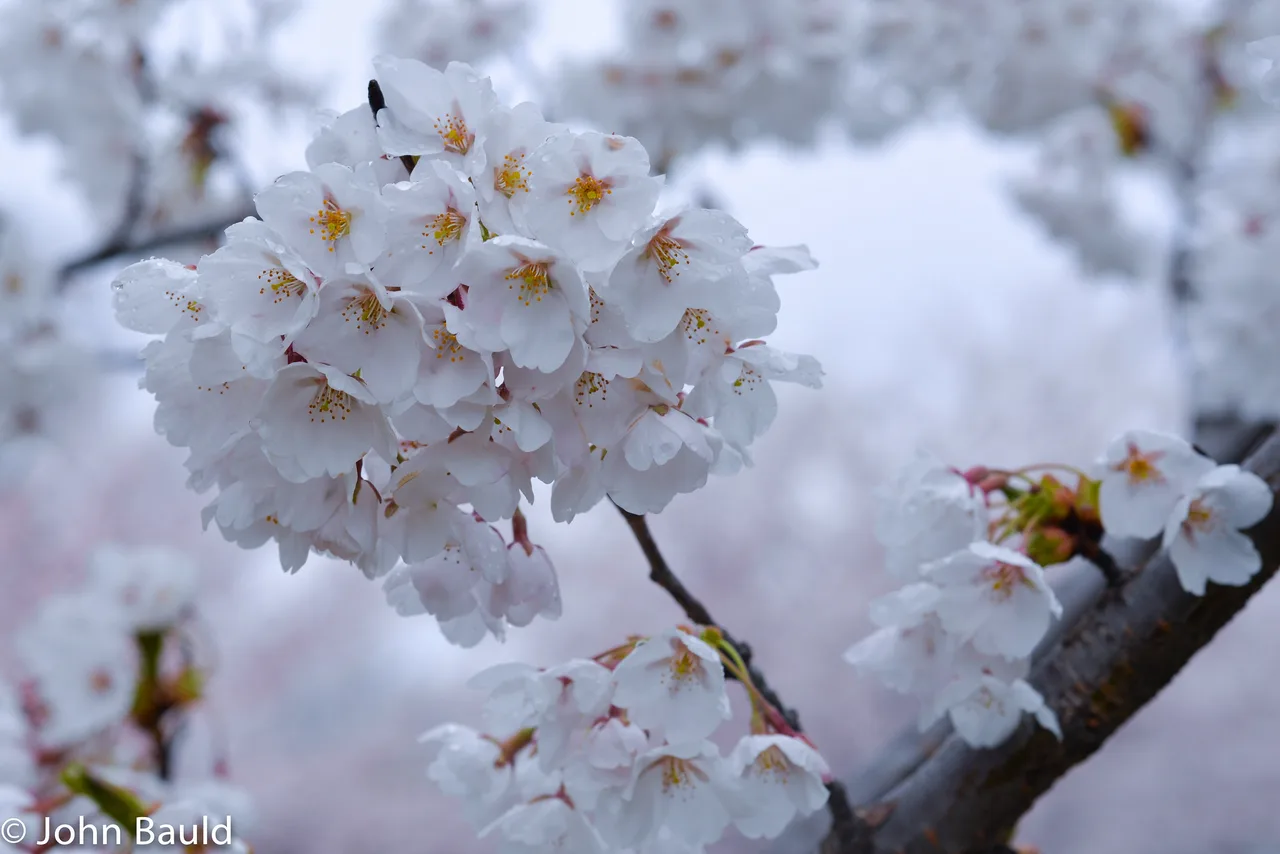
Almond Blossom in Europe: Where and When to See It
Plan almond blossom in Europe: when the season starts, where to go, how to get around and the mistakes to avoid. Honest timing tips included.
Last updated November 2026. Almond blossom opens in late winter, before cherry blossom, and the best places to see it are Mediterranean Europe: Mallorca, the Algarve in Portugal and parts of mainland Spain. Bloom dates shift every year, so this guide gives a relative sequence and a way to check conditions rather than fixed dates. Once almond season ends, our European cherry blossom calendar picks up the story.
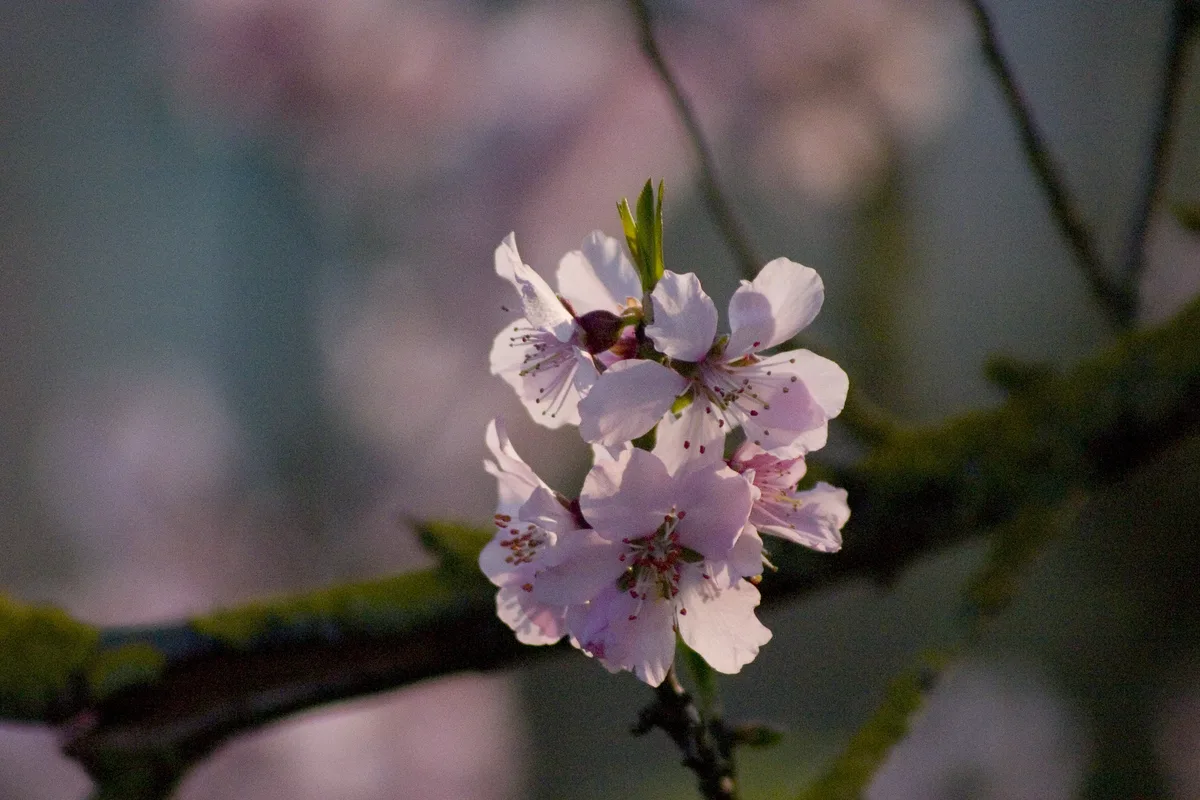
Featured image: JiBs Media - 3,180,000 Views!, CC BY 2.0, via Flickr.
When and Where Almond Blossom Happens in Europe
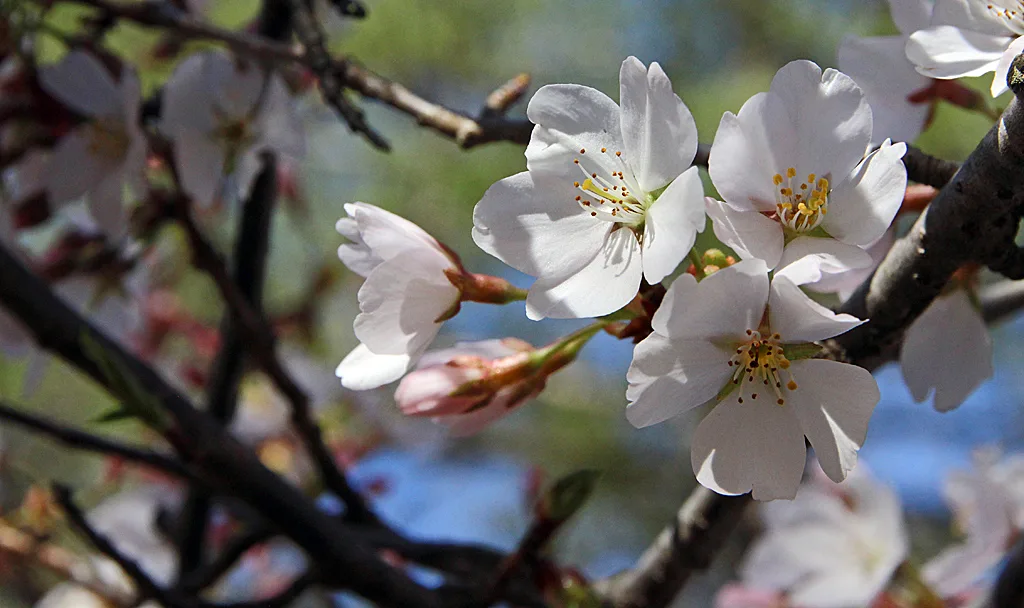
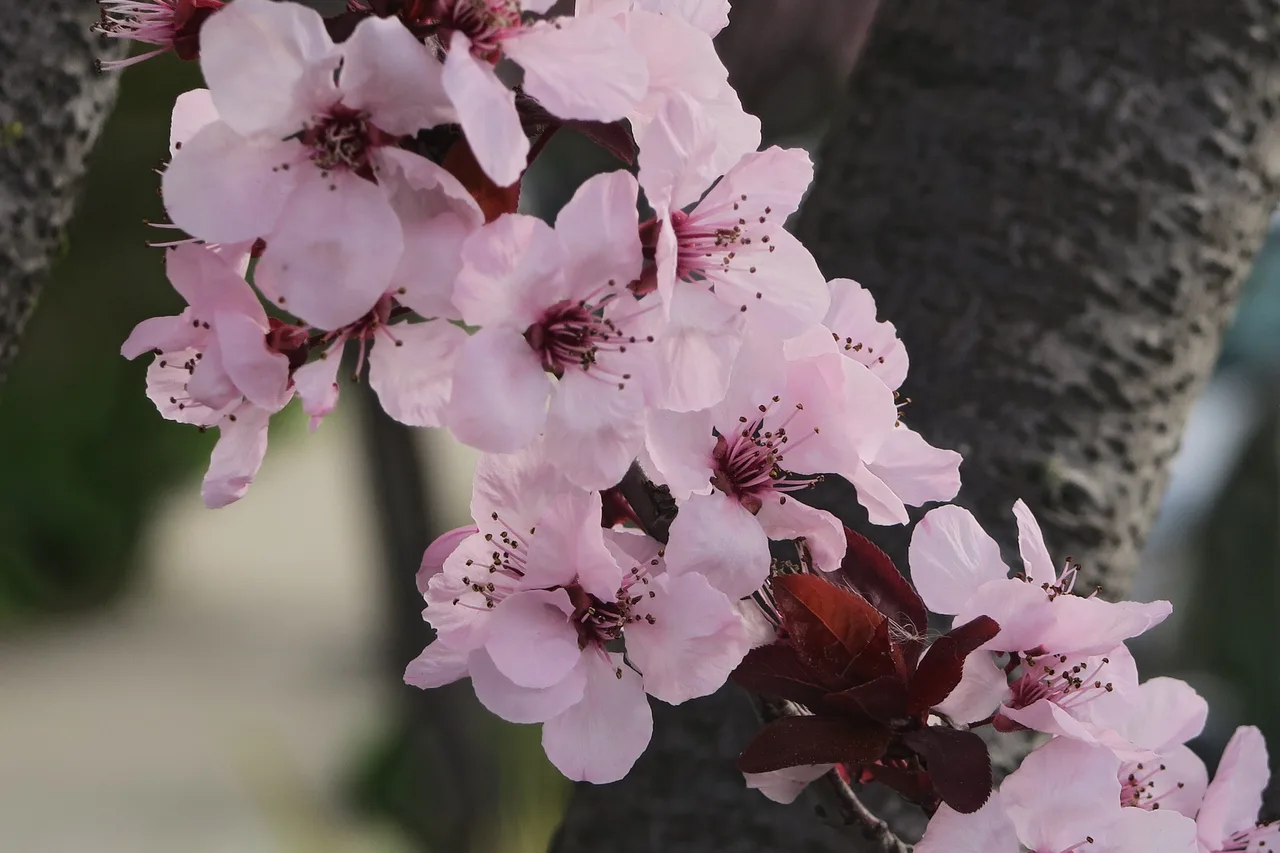
Almond trees (Prunus dulcis) flower in late winter to early spring. Southern and island areas open first, and cooler inland areas follow later. Bloom can start within days of a warm spell and end just as fast. Treat any date you read online as a rough guide, not a promise. Spain's national tourism site, Spain official tourism, is a sensible starting point for regional Spanish updates. Portugal's Algarve region publishes its own visitor information at Visit Algarve.
| Region | Timing | Access | Best for |
|---|---|---|---|
| Mallorca: Son Servera and the Llevant area | Among the earlier areas in the Mediterranean sequence | Rural lanes; a hire car makes groves easier to reach | Photographers and slow country drives |
| Mallorca: Sóller valley | Early, with groves set among terraced hillsides | Valley roads; plan parking before peak weekends | A walk through valley scenery |
| Algarve, Portugal | Early, in the southern coastal and inland countryside | Car or organised tour for the groves | A coastal trip with an inland detour |
| Other Spanish regions | Later where the climate is cooler or higher | Mostly rural; transport varies by region | Travellers with flexible dates |
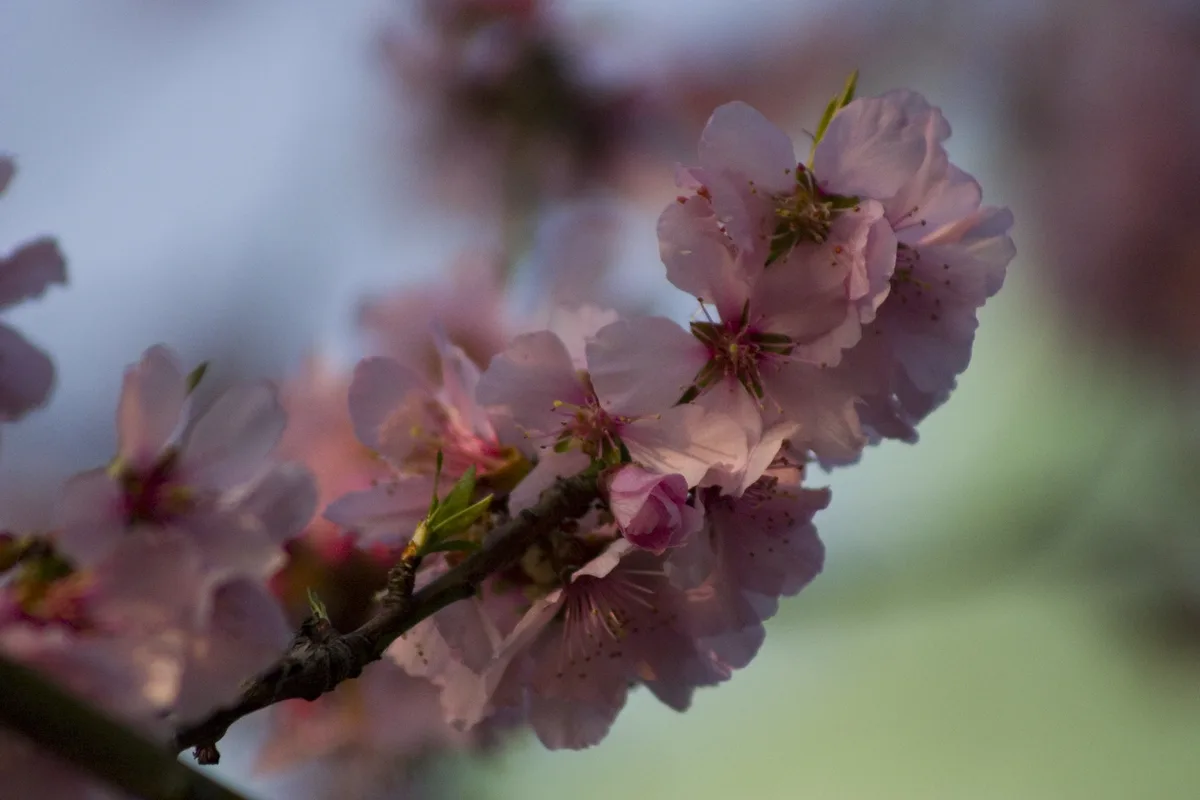
Sicily's Almond Blossom Festival in Agrigento
Sicily is the best-known almond destination outside Spain and Portugal. The groves around Agrigento flower in late winter, and the town hosts the Sagra del Mandorlo in Fiore (Almond Blossom Festival), a folklore festival that dates back to the 1930s. It usually runs from late February into early March, with parades, music and dance groups from many countries. Exact dates change every year, so check the festival's announcements before booking flights.
The setting is the main draw. Almond trees grow among the ancient Doric temples of the Valley of the Temples, a UNESCO World Heritage site, so you can combine blossom with archaeology in a single day.
- Getting there: fly to Palermo or Catania and drive or take a regional bus to Agrigento. Allow roughly 2 to 3 hours of road time.
- Where to base yourself: Agrigento itself puts you close to the festival events, and the temple area is a short drive away.
- Timing: festival weekends are busy, so book lodging early. Because the festival dates are set in advance but the bloom is not, the trees can be past their best or not yet fully open on the day.
Sicily suits travellers whose dates are fixed, because the festival offers something to see even if the bloom is patchy. For other events of this kind, see our guide to flower festivals in Europe.
How to Choose an Almond Blossom Destination
Start with how much time you have. A short city break suits Palma-based travellers who accept a half-day drive into the countryside. A rural trip suits anyone happy to wander lanes and stop where the groves look best. Decide whether you need a car. Groves are mostly rural, so car-free trips lean on organised tours or a base in a hub town. Then decide what you want to do. Photographers should favour quiet lanes and early light, while walkers should choose a valley such as Sóller. Finally, be honest about dates. If your flights and hotels are fixed, almond blossom is a gamble, and a later cherry trip may suit you better. Our guide to cherry blossom in Europe covers that option.
Timing and Bloom-Watching Tactics
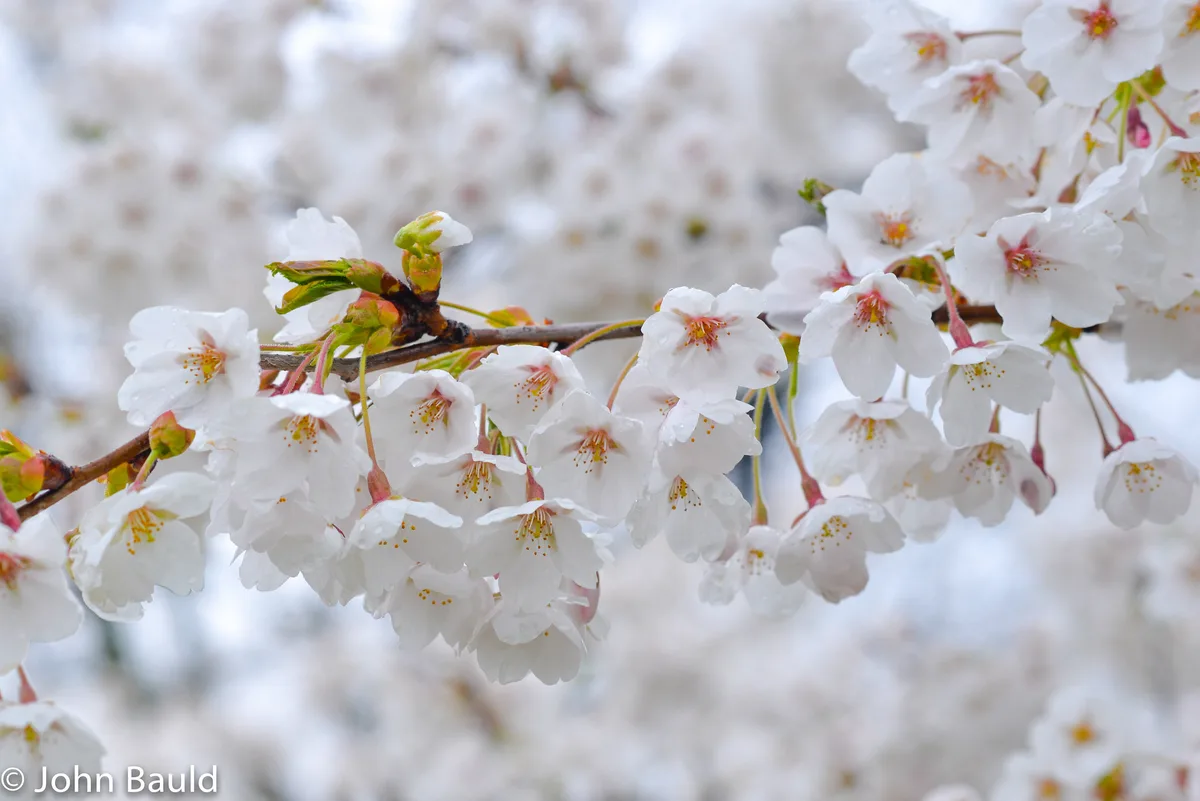
Bloom lasts from a few days to a couple of weeks. Wind and rain strip petals quickly, and a frost can damage buds before they open. Book refundable lodging where you can, and keep a 2-day window free so you can shift toward the best conditions. Check local tourism boards and municipal updates close to departure. Skip secondhand social posts, which are often undated or reposted from earlier years. Local tourism offices are the most reliable source, and the Spanish and Algarve boards linked above are good places to begin.
Photographing Almond Blossom: Light, Angles and Gear
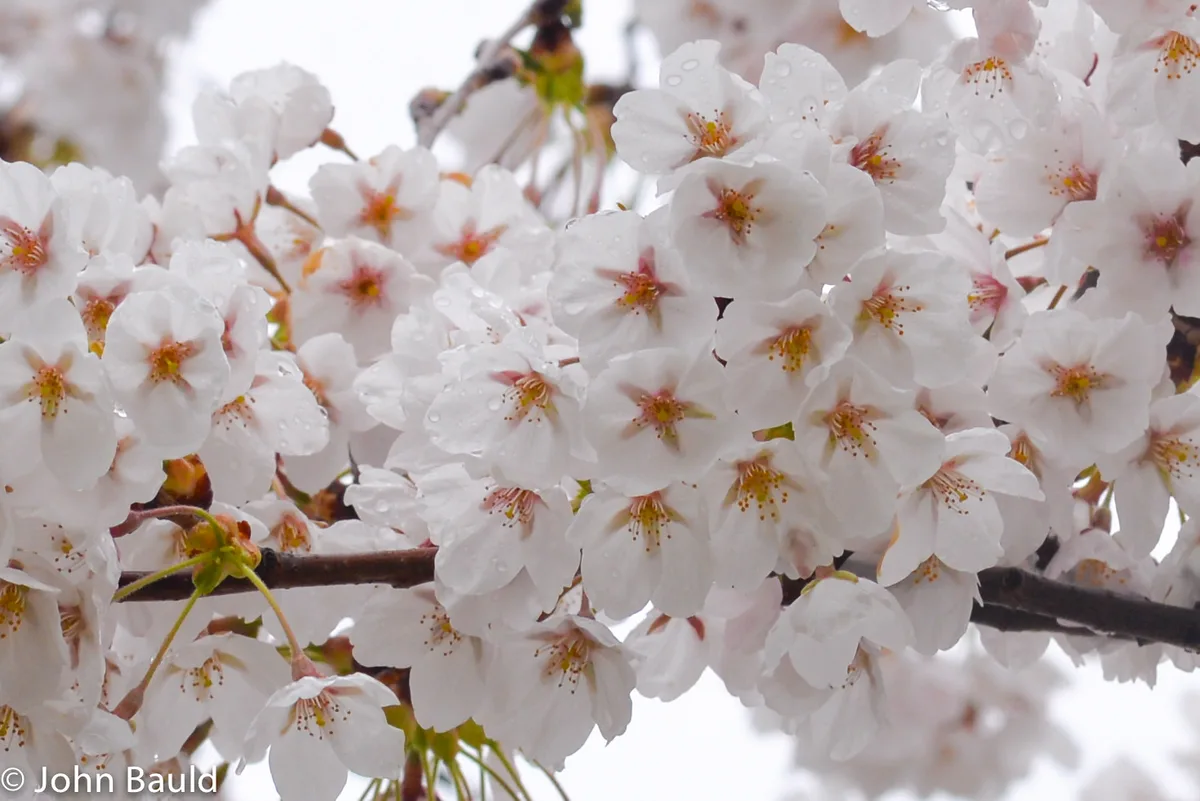
Almond flowers are small, pale and easy to overexpose, so a few habits make a big difference.
- Shoot in soft light. Early morning and the hour before sunset flatter white and pale pink petals. Midday sun washes them out and creates harsh shadows under the branches.
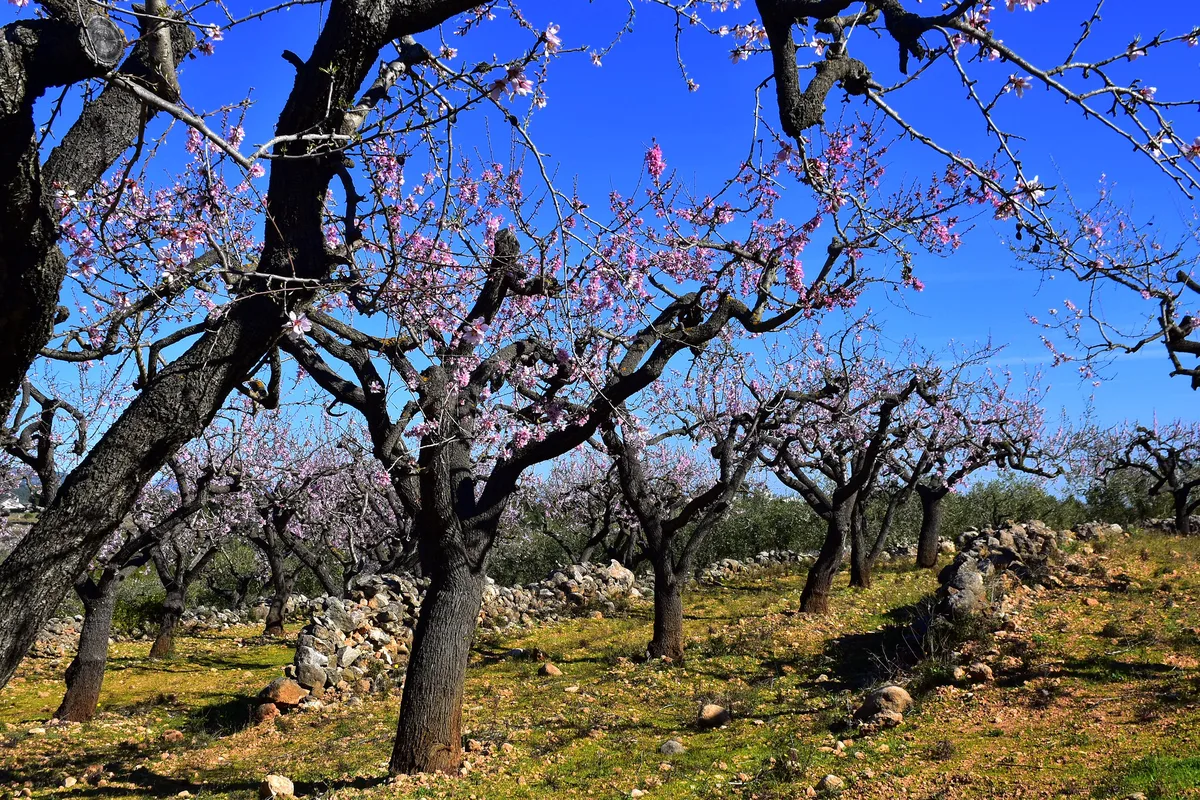
- Use the sky as a backdrop. Shooting upward against a clear blue sky gives clean contrast, and underexposing slightly keeps the petals from blowing out.
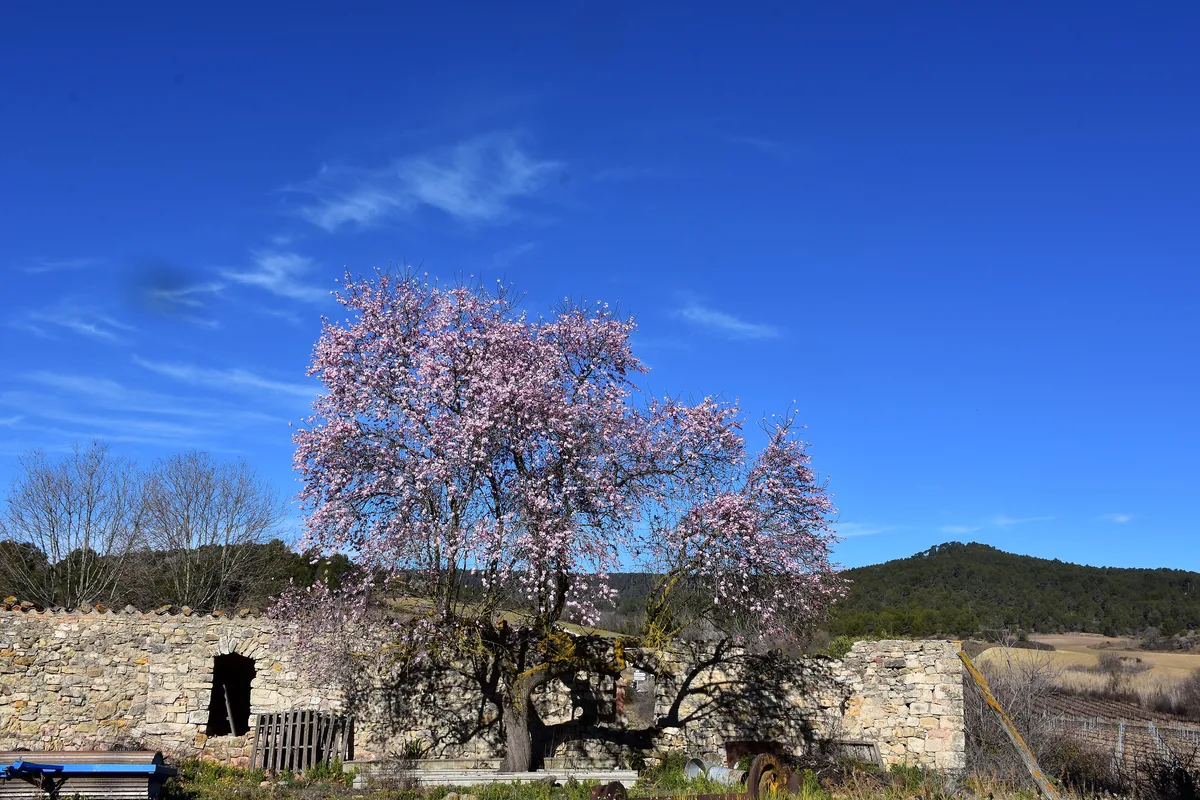
- Look for context. Terraced hillsides, dry-stone walls and old farm buildings, as in the Sóller valley, give a sense of place that a close-up of one branch cannot.
- Go close as well as wide. A short telephoto or macro lens isolates single flowers, and a light breeze is easier to handle with a fast shutter speed.
- Watch for petals on the ground. A carpet of fallen petals under the trees can make a good foreground, which is useful if you arrive just after peak.
Pack a lens cloth, since late-winter mornings are often damp, and wear shoes you do not mind getting muddy. Stay on public paths even if a private grove looks tempting. If the weather turns, our guide to gardens in Europe in winter lists indoor and sheltered alternatives.
Getting There and Getting Around
Almond groves sit along country roads, not beside train stations. Hire cars give the most freedom, especially for early or late light. Organised tours remove the parking worry but fix your timing. Public transport can reach valley towns such as Sóller, but last services leave early, so check the final departure before you wander far. On peak blossom weekends, narrow lanes fill with parked cars and slow traffic. Arrive early on weekday mornings if you can. For lodging, a hub town gives restaurants and transport links, while a rural stay puts you among the trees at sunrise.
Costs and Access Trade-Offs
Viewing blossom from public roads and footpaths is free. Costs come from car hire, parking, guided tours and any ticketed garden or festival entry. Fees change each year, so check the official tourism board before booking. As a rule, a self-drive trip costs less per person for groups, while a guided tour costs more but removes navigation and parking. Most groves are private farmland. Stay on public paths, never pick blossom or climb the trees, and leave gates as you found them.
Practical Tips and Mistakes to Avoid
Most disappointments come from timing and expectations. Use this list before you commit.
- Arriving too early or too late: buds and fallen petals look very different from full bloom.
- Ignoring wind and rain forecasts: a single storm can end the show.
- Wearing the wrong shoes: grove tracks can be muddy and uneven, so choose sturdy footwear.
- Expecting cherry-blossom crowds and facilities: almond areas are rural, with few cafés and toilets near the trees.
- Treating a fixed trip as a bloom trip: if dates cannot move, plan other activities too.
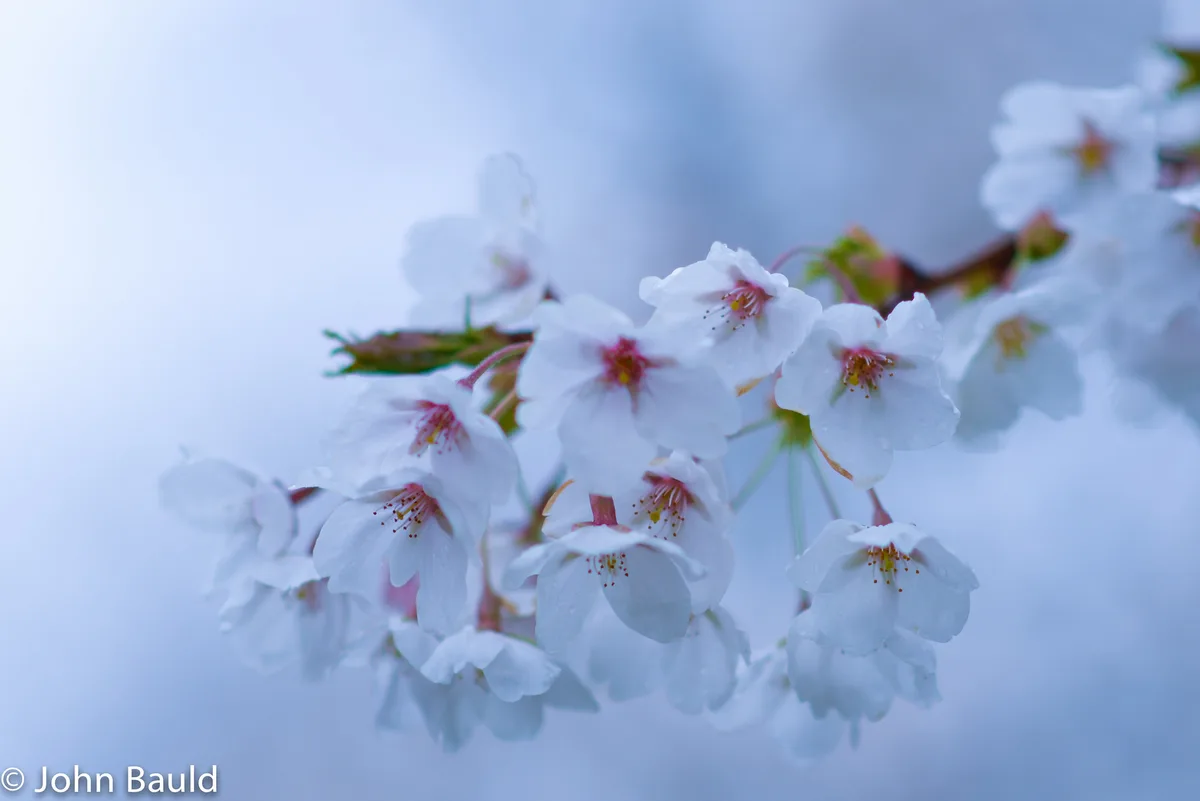
- Telling the trees apart: almond flowers are white to pale pink and open before the leaves, while cherry blossom usually comes later.
Pair Almond Blossom With Other Blossoms
Almond opens the European blossom year, and cherry follows once the weather warms. Magnolia and wisteria come after that. For a later trip, our magnolia gardens guide covers spring gardens. Wisteria arrives later still, as explained in our wisteria in Europe guide. If you want a rural drive with a similar logistics profile, read about cherry blossom in the Jerte Valley. City-break readers may prefer Cherry Blossom in London: Where to See It and When to Go or Bonn's blossom streets.
Bloom-season notes
Optional updates when we add or revise garden guides.
Continue reading
Guides on the same trip