Wisteria in Europe: Where and When to See It in Bloom
Where to see wisteria in bloom across Europe, when it peaks, and how to time a trip around a short spring window.
Last updated November 2026: wisteria in Europe peaks in spring, usually from late April through May and into June. Exact timing depends on latitude, altitude and how warm the year has been. The best-known displays are the Wisteria Hysteria streets of Kensington and Notting Hill in London, the gardens around Sissinghurst, and Monet's garden at Giverny.
Featured image: ShebleyCL, CC BY 2.0, via Flickr.
When does wisteria bloom in Europe?
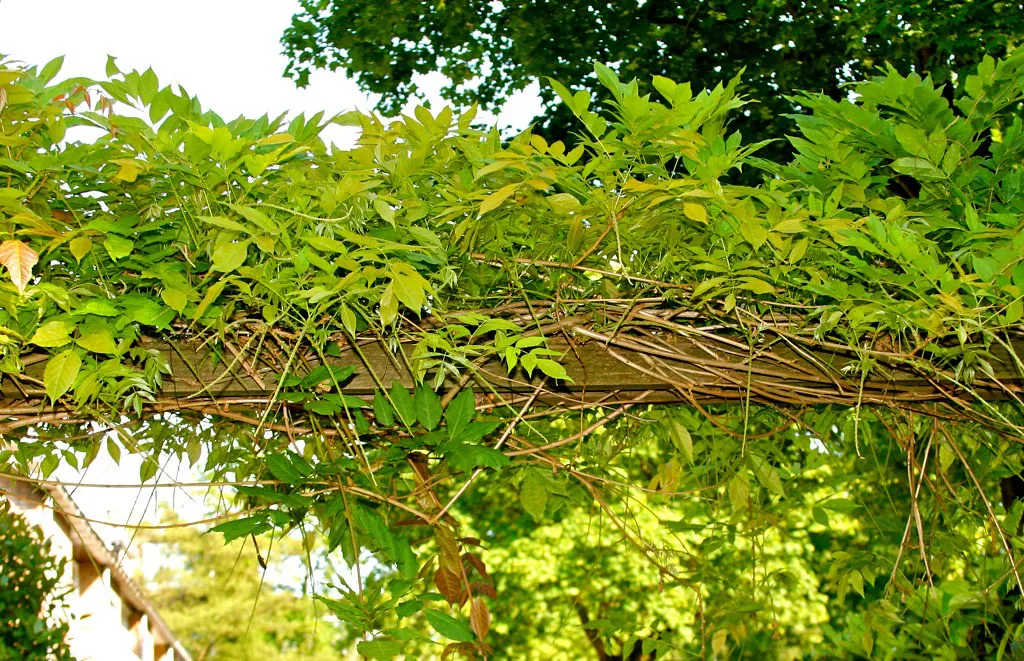
Wisteria flowers in spring, most often in May and sometimes into early June in cool northern climates. Bloom typically lasts several weeks, and some plants give a smaller second flush later in summer. Milder regions and sheltered walls tend to open first. Cold springs, high altitude and shady sites push the display later. A cold snap or a windy, rainy week can also cut it short. Treat any calendar date as a guide and not a promise.
Where to see wisteria in Europe
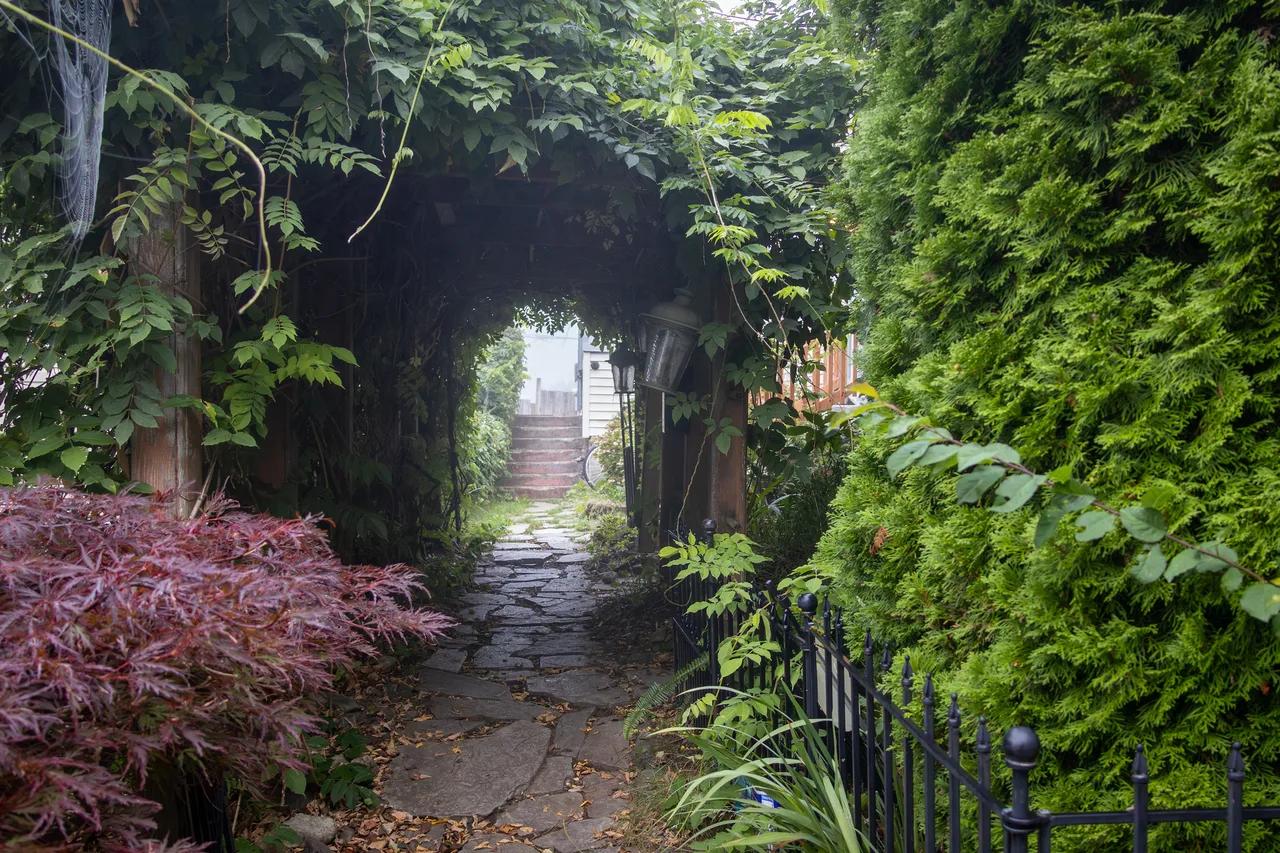
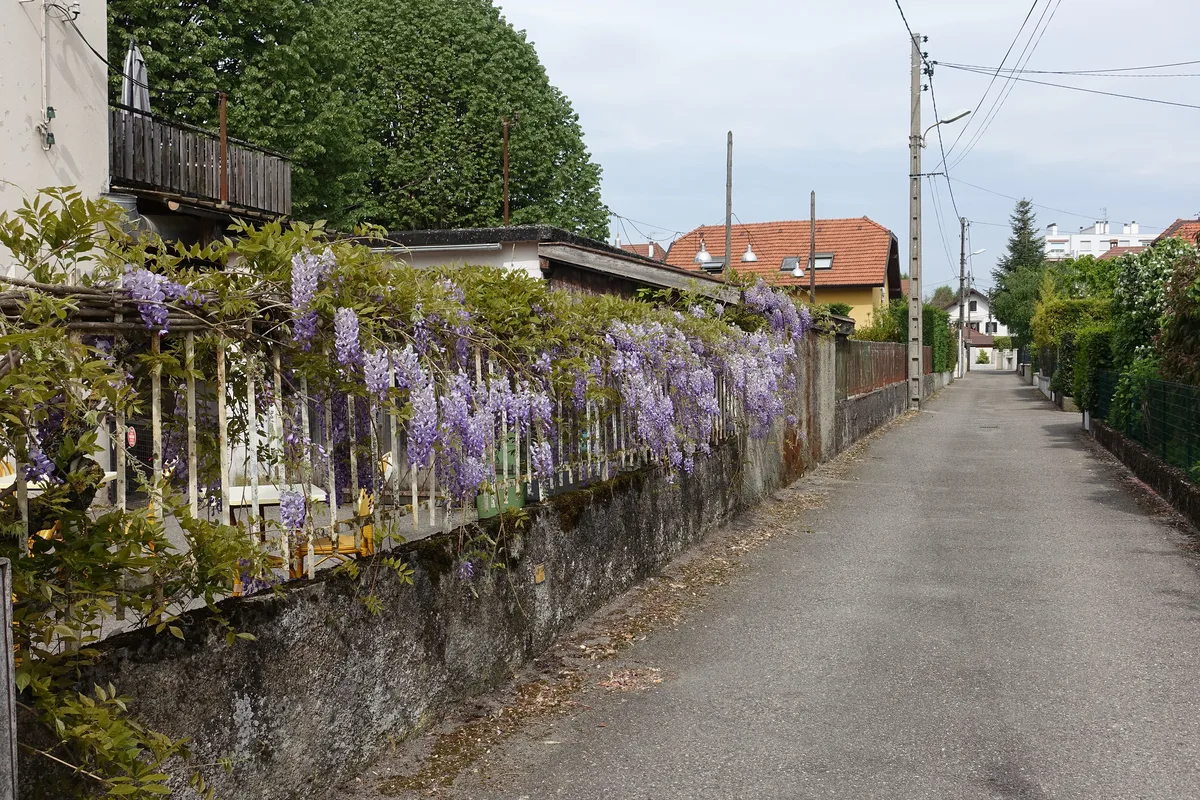
Wisteria is a climber, so it shows up on house fronts, pergolas, arches and courtyard walls. That means the best displays are often streets and gardens rather than open landscapes. Start with these places and check each official page for dates before you book travel.
- London: the Wisteria Hysteria streets in Kensington and Notting Hill are free to walk, and the flowers cover private house fronts. Stay on the pavement and keep doorways clear. For other spring flowers in the city, see Cherry Blossom in London: Where to See It and When to Go.
- Kent and Sussex gardens: the Sissinghurst area has ticketed gardens where wisteria trains over walls and pergolas. Opening dates and tickets are set by each garden, so check its own site.
- Giverny, France: Monet's garden is run by the Fondation Claude Monet. It is a ticketed site with seasonal opening, so check the foundation's page for dates and bloom updates.
- Germany: wisteria-covered house fronts are a common sight in spring. For regional context on blossom there, read Cherry Blossom in Germany: Best Spots, Timing & Trip Planning, and ask the local tourist office for current bloom reports.

How to choose: gardens, streets or day trips
Pick by how much time you have and how much crowd you can tolerate. A street takes an hour. A garden takes a half-day. A village or rural garden usually needs a dedicated day.

| Option | Access | Crowd risk | Photo conditions | Best fit |
|---|---|---|---|---|
| Public gardens | Ticketed, set hours | Higher on weekends | Large pergolas, controlled paths | Garden lovers, half-day visits |
| City streets | Free, open access | Higher at midday and weekends | House fronts, narrow framing | City breaks, one-hour stops |
| Villages and rural gardens | Mixed; check locally | Lower on weekdays | Walls, courtyards, open light | Trip builders with a car or time |
Timing and logistics trade-offs
Bloom is short and weather-dependent, so build in buffer days rather than fixing one date. A place can peak earlier or later than its typical window. Check recent bloom reports from the garden or tourist office a few days before you travel. Go early in the morning for softer light and thinner crowds, especially on street displays. Rain or wind can strip petals fast, so keep a second option nearby. Check a garden's official page for hours and last entry.
Combining wisteria with other spring blossoms

Wisteria is best treated as an add-on to a blossom trip, not a standalone reason to travel. It generally follows cherry blossom, but the overlap differs by city and year. Compare timing in cherry blossom season in Europe before you plan. Start with the main 6 Best Places to See Cherry Blossom in Europe (2026 Guide) guide for the earlier display. Earlier spring has Almond Blossom in Europe: Where and When to See It and Magnolia Gardens in Europe: Best Places and When to Go as lead-in stops.
Common mistakes to avoid
Most disappointments come from planning too tightly or assuming too much.
- Planning around a single date instead of a window with buffer days.
- Assuming a famous garden is free. Many are ticketed, so check the official site.
- Photographing private doorways without care. Many wisteria streets are residential.
- Confusing wisteria with laburnum or other similar-looking blossoms. Wisteria flowers hang in long, scented purple, white or pink clusters.
Frequently Asked Questions
Where are wisteria flowers found?
In Europe, wisteria grows wherever it has a sunny, sheltered spot to climb. Look for it on house fronts, pergolas, arches and courtyard walls in London streets, French gardens and German towns.
Bloom-season notes
Optional updates when we add or revise garden guides.
Continue reading
Guides on the same trip