When Do Sunflowers Bloom? Europe Season Guide
Find when sunflowers bloom in Europe: typical windows by country, how to time your trip, and how to check bloom status before you go.
Last updated November 2026: when do sunflowers bloom in Europe? Most fields flower between late June and early September, with Spain and Italy earlier, France in midsummer, and central and eastern Europe such as Hungary later. Exact timing shifts with latitude, altitude and planting date, so treat the region table below as an approximate planning range. Winter is the right time to choose a region, and our European sunflower field guide shows where the fields are.
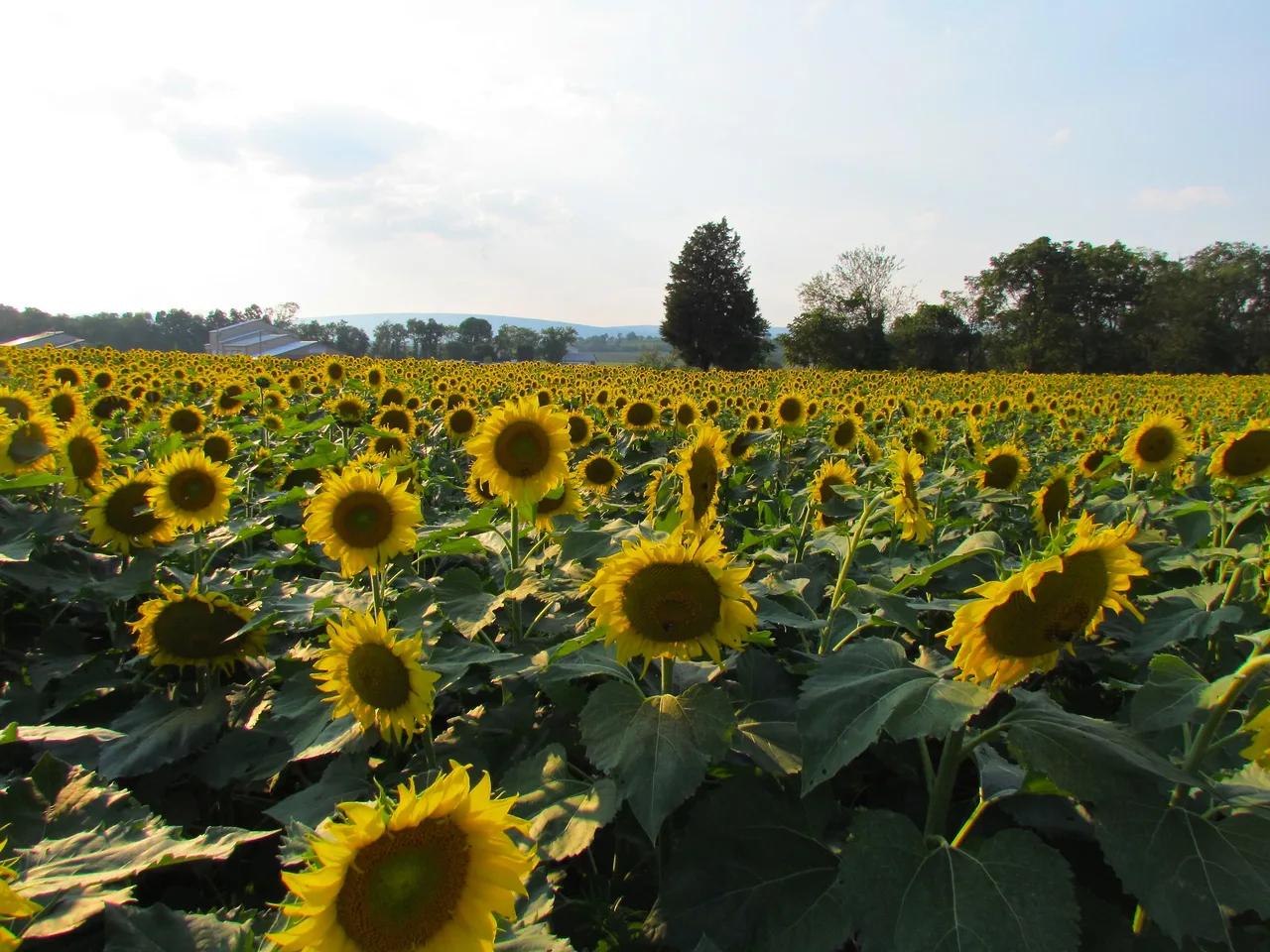
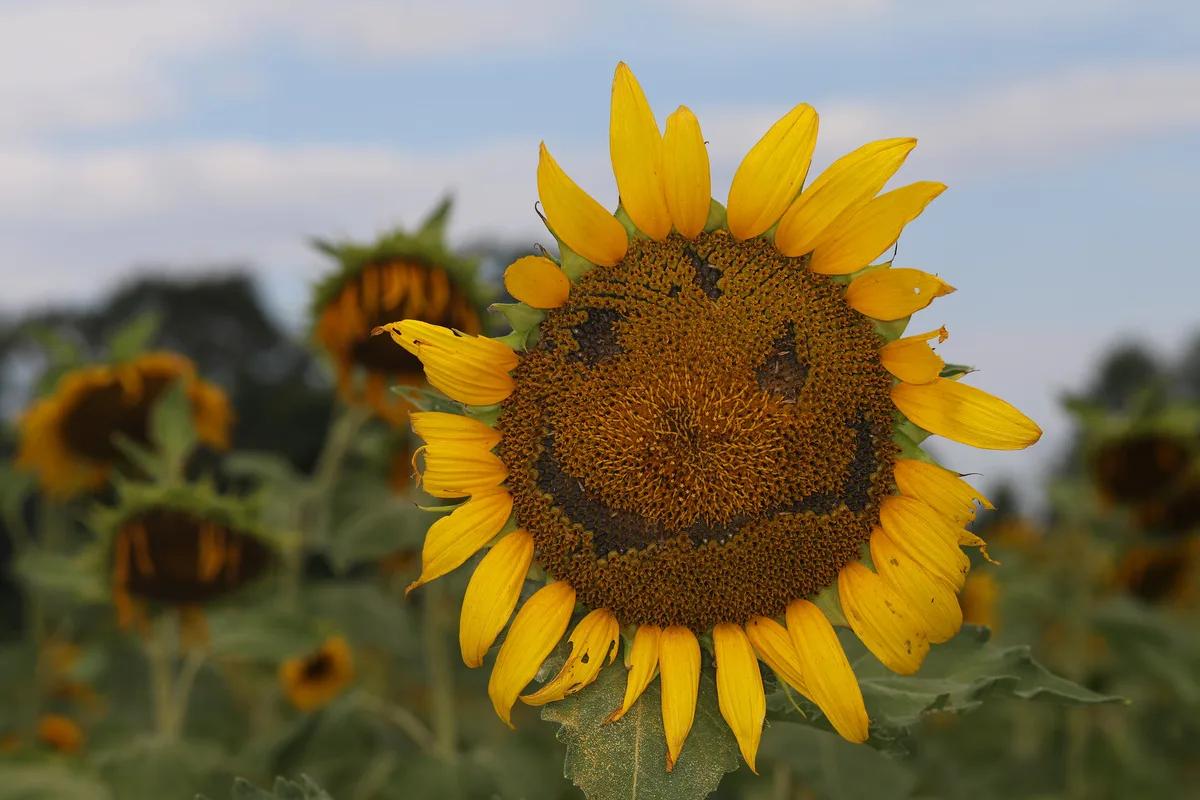
Featured image: audreyjm529, CC BY 2.0, via Flickr.
When Do Sunflowers Bloom? The Short Answer
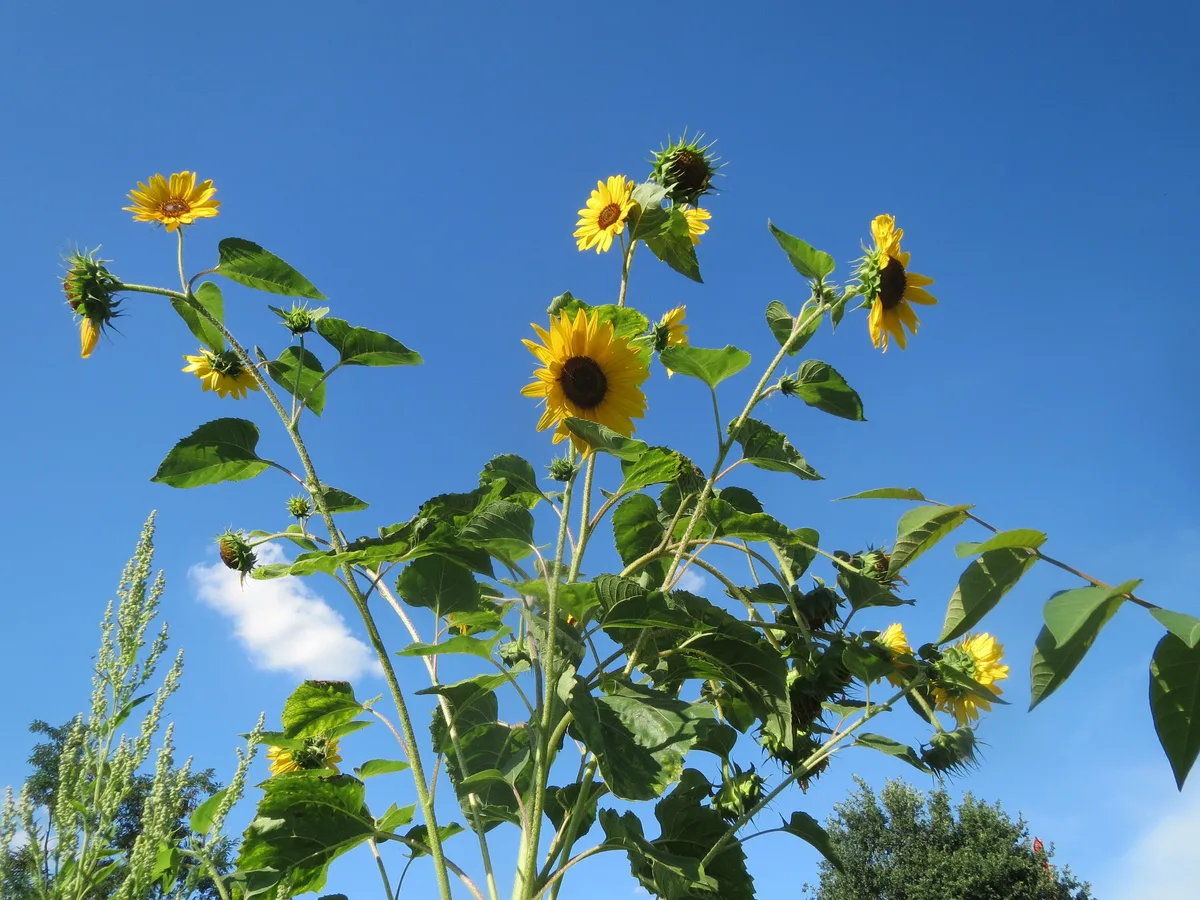
Across Europe, sunflowers bloom from late June to early September. Warm southern regions open first, and cooler or more northern ones follow. Any single field flowers for only a short stretch, usually a few weeks. Farmers sow in batches, so a region can show fresh blooms for longer than one field can. Hungary's national tourism board, Visit Hungary, is a good starting point for the central European end of that range. Gardeners asking the same question will find the answer is similar: sunflowers flower in summer, roughly ten to twelve weeks after sowing in warm soil, and the exact date depends on the variety.
Why Bloom Timing Shifts
Five factors move the bloom date from place to place and from year to year. Each one is worth checking before you fix a flight or hotel.
- Latitude and climate: warmer southern regions flower earlier than cooler northern ones.
- Altitude: fields on higher ground start later than fields in the valley below.
- Planting date: a field sown in April blooms before one sown in late May.
- Variety: early and late hybrids flower on different schedules.
- Weather: a hot, dry spring pushes bloom earlier, while a cool, wet one delays it.
Sunflower Season by Country and Region
Use this table to compare regions at a glance. The windows are ranges based on typical growing patterns, not forecasts. Each row links to a guide with field locations.
| Region | Typical bloom window | Timing confidence | Field scale | Best fit |
|---|---|---|---|---|
| Spain | Late June to July | Moderate; varies with irrigation and sowing | Large arable areas | Early-summer trips and road-trippers |
| Tuscany, Italy | Late June to July | Moderate; hill fields vary by altitude | Rolling fields mixed with vineyards and farmhouses | Photographers and slow rural itineraries |
| France (general) | July to early August | Good in midsummer | Very large areas in the south and southwest | Road trips across several regions |
| Provence | July, often into early August | Moderate; lavender overlaps | Scattered fields among lavender and orchards | Combined lavender and sunflower trips |
| Hungary and central Europe | July to August | Moderate; later than the south | Broad plains | Travelers avoiding the early-summer rush |
| UK | Late July to August | Lower; shorter and less reliable | Small and scattered | Day trips and garden visitors |
How to Pick Your Travel Dates
Choose between an early, a peak or a late visit. Early visits catch fresh yellow petals and fewer crowds but risk fields that are not yet open. Peak visits give the fullest fields, and they also bring the busiest roads and tightest accommodation. Late visits can mean heads that have turned brown and drooped, or fields already harvested. Plan around other seasons in the same region too. In Provence, lavender and sunflowers can overlap, which suits a combined trip. Early in the year, yellow fields are usually rapeseed rather than sunflowers. Book lodging early for peak weeks, because rural stays near the best fields fill first. For Provence trip planning, see our Provence sunflower guide.
Across years, bloom can swing 1–3 weeks, so a table window like Hungary's July to August can slide that far. Pad your dates on both sides.
What a Sunflower Field Looks Like at Each Stage
A field passes through several looks in a single season, and only one of them is the postcard shot. Knowing the stages helps you decide whether a bloom report means "go now" or "wait a week."
- Green buds: tall stalks with closed, green heads. The field looks leafy rather than yellow. This is the stage that catches out early visitors.
- Opening: petals start to unfurl, and parts of the field are yellow while others are still closed. Fields sown in batches often show this mix for a week or more.
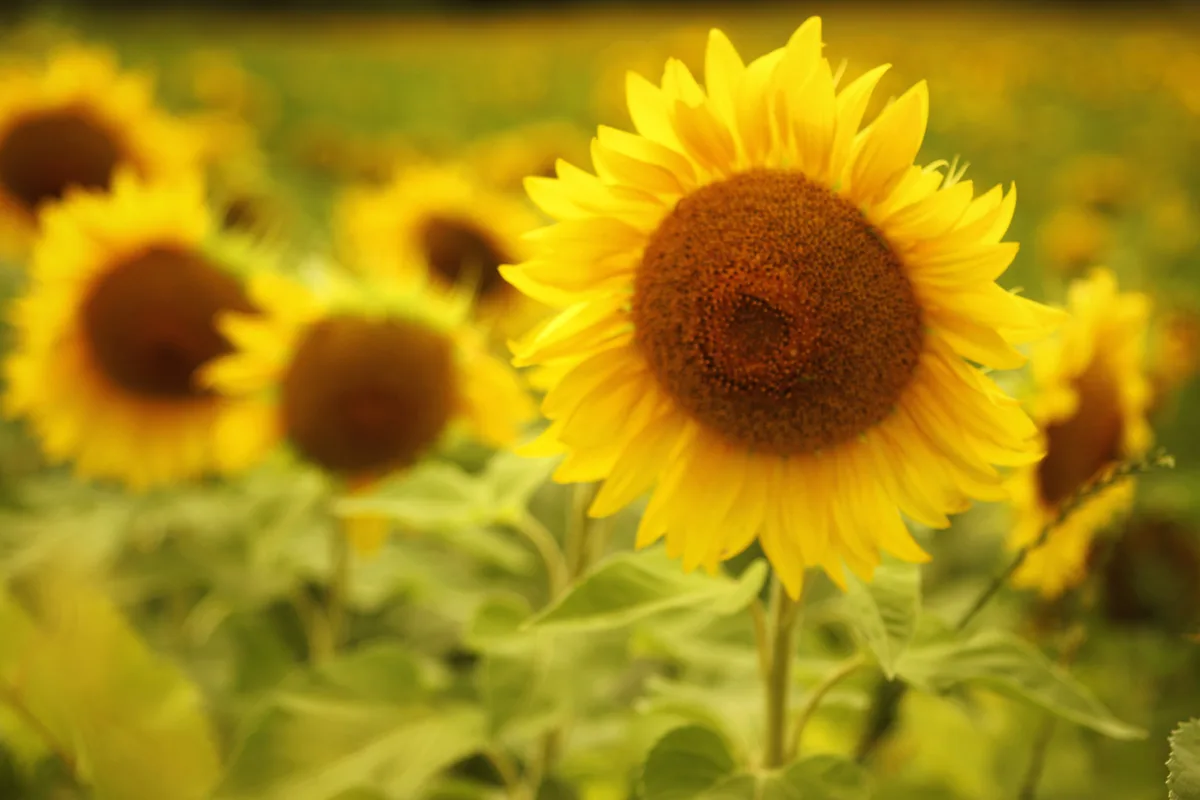
- Full bloom: the bright yellow stage. Any single field holds it for roughly two to three weeks, so it is shorter than the regional season.
- Petal drop: petals fade and fall, and the centres darken. The field is still photogenic but no longer bright.
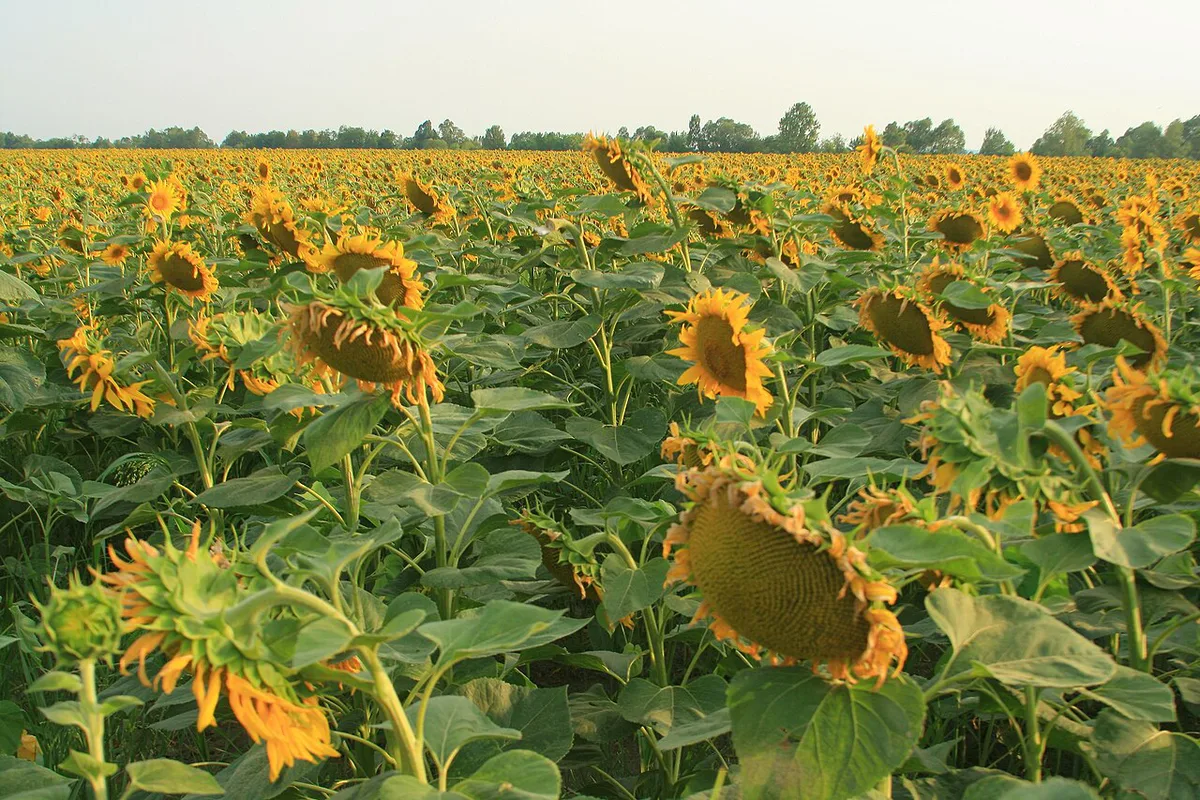
- Drooping and drying: heavy, brown heads bend over as the seeds ripen. Harvest usually follows in late summer or early autumn, depending on region and sowing date.
When you read a local photo report, check which stage it shows. A caption saying "sunflowers" can mean full bloom or dry heads. Photos from the last week are the useful ones, as the section on checking bloom status above explains.
Practical rule: if the latest photos show a mix of open and closed heads, the field is usually a few days from its best. If they show drooping heads, aim for a different region further north or at higher altitude.
Check Before You Go: How to Find Real-Time Bloom Status
Bloom can shift by roughly 1–3 weeks from year to year, so last year's date is only a starting point. Confirm status within 7–10 days of travel. Local tourist office pages are the best first stop, such as Provence Tourism for Provence or Visit Tuscany for Tuscany. Regional agriculture bodies and farm social media pages often post recent field photos. Look for photos dated within the last week, not seasonal stock images. Message a nearby farm or guesthouse if you are unsure. Keep your itinerary flexible by a few days in either direction.
Logistics for Visiting Sunflower Fields
Fields are usually rural, so a car is typically the most practical way to reach them. Check public transport options region by region, because coverage varies. Light is best early in the morning or in the hours before sunset. Midday sun flattens colors and makes heat harder to manage. Never stop on a rural road, and use a proper pull-off or car park. Sunflower fields are working farmland, so do not walk into crops without permission. Bring water, a hat and sun protection for hot summer days. For wider planning in Spain, see our Spain sunflower field guide.
Which Way Do Sunflowers Face? Planning Your Photos
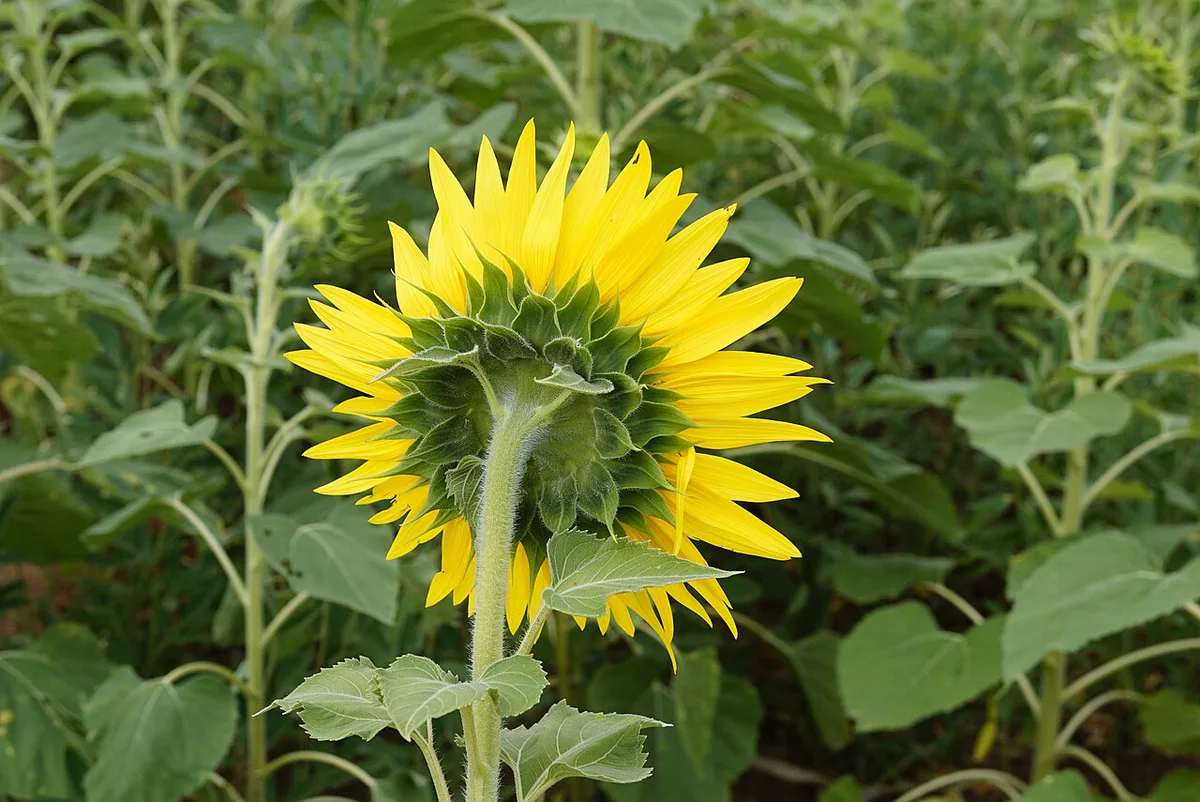
Young sunflower buds track the sun across the sky during the day. Mature, fully open heads largely stop doing this and settle facing roughly east. That has a direct effect on when and where to stand.
- Morning: from the east side of a field you see the flower faces warmly lit. Early light also keeps the heat manageable.
- Late afternoon and evening: shooting from the west means you often see the backs of the heads, so look for side-on views along a field edge instead, or use the low sun as backlight on the petals.
- Midday: overhead light flattens colour. Use this time to travel between fields or rest.
- Young fields: if the plants are still in the bud stage, you may see heads turning with the sun, which can be worth watching but does not look like full bloom.
Before you drive out, check which side of the field the road or pull-off is on. That tells you which hours give the best faces. Stay on the verge or a marked car park, and do not step into the crop to change angle, as noted in the logistics section above.
Overcast days are not wasted. Soft light brings out the yellow of the petals, and the field is often quieter.
Not the Same as Rapeseed
Yellow fields in spring are usually rapeseed (canola), not sunflowers. Rapeseed flowers earlier in the year, while sunflowers follow in summer. Rapeseed flowers are small and clustered on branching stems, while sunflowers are large, single-headed and tall. Read our rapeseed field guide if your dates fall in spring.
Common Mistakes to Avoid
These errors cause most disappointing sunflower trips.
- Going too early or too late and finding green buds or dry brown heads.
- Relying on one old blog date instead of this year's bloom status.
- Treating a photo of a sunflower field as a guarantee that you can visit it.
- Entering private fields without permission.
- Ignoring midday heat on long field days.
Sample Timing Plans
Use these two skeletons as logic, not as fixed itineraries.
- Early-summer trip: start in Spain or Tuscany in late June to July, then move north if bloom allows.
- Late-summer trip: head to France in July and early August, or to Hungary and central Europe in August.
- Combined trip: pair Provence sunflowers with lavender in July, and check both fields before booking.
- Always keep two or three flexible days around your target dates.
Planning Your Next Summer Trip
Winter is the right time to shortlist regions. Start with our main sunflower fields guide for locations. Then read the country pages for France, Tuscany and the UK. Check bloom status again in June before you commit to dates.
Frequently Asked Questions
Which month do sunflowers bloom?
In Europe, sunflowers bloom mainly in July and August. Spain and Italy can start in late June, while central and eastern Europe often peak in August. Dates shift with weather and planting, so check local bloom reports before travelling.
Bloom-season notes
Optional updates when we add or revise garden guides.
Continue reading
Guides on the same trip