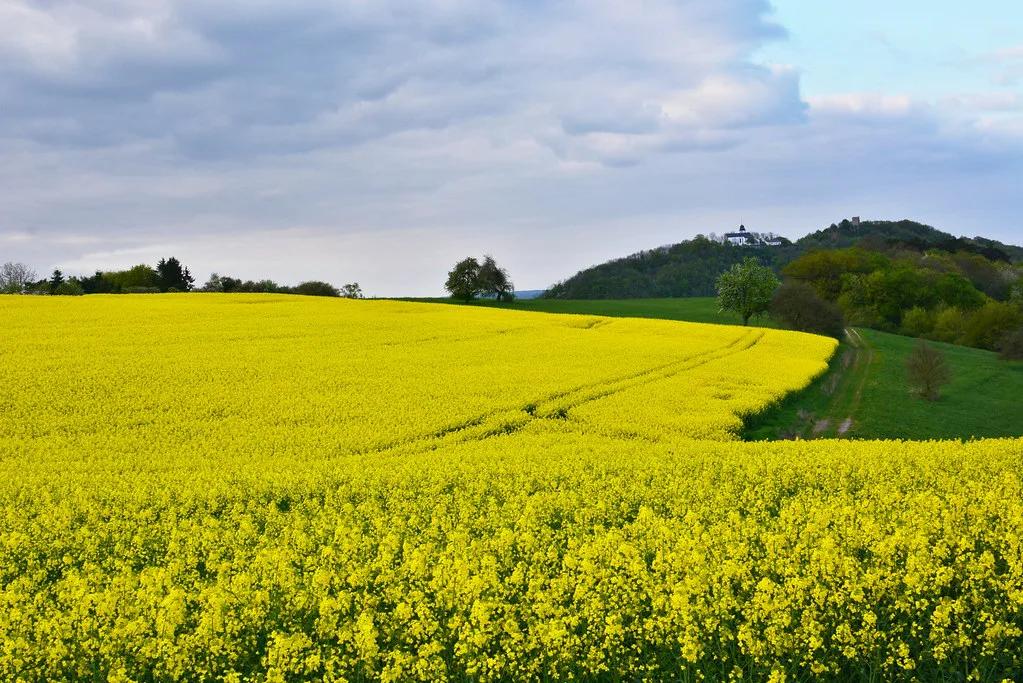
Rapeseed Fields in Europe: Where and When to See Them
Where to see rapeseed fields in bloom across Europe: how to time a visit, which regions to compare, and how to visit respectfully.
Last updated November 2026. Rapeseed fields are a spring crop that turns whole hillsides bright yellow, and tourism offices usually place the bloom between about April and May. This guide helps you choose a region, time the bloom, and visit working farmland without damaging it.
Featured image: Justin LaBerge, CC BY 2.0, via Flickr.
What Rapeseed Fields Are, and Why They Turn Yellow
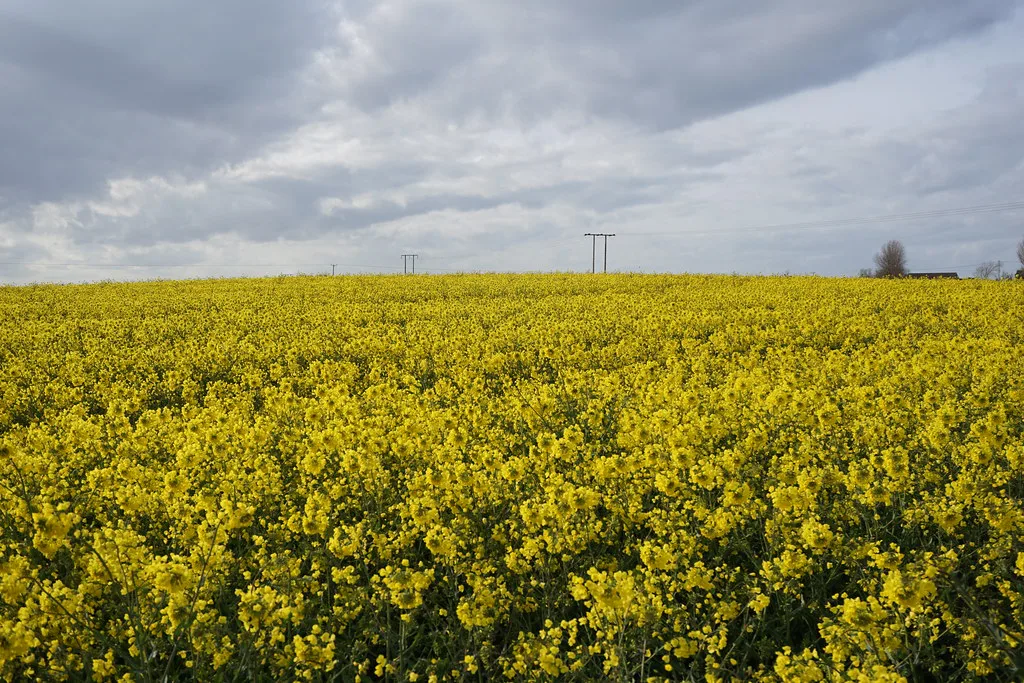
Rapeseed (Brassica napus) is grown mainly for its oil-rich seed. Each plant carries clusters of small four-petalled yellow flowers, and a whole field flowering at once reads as a solid yellow block. British writers call the crop oilseed rape, and North American writers call it canola. Rapeseed fields have no tickets, no opening hours and no admission price. You see them from roads, lanes and public paths, and that shapes everything about planning a visit.
Where to See Rapeseed Fields in Europe
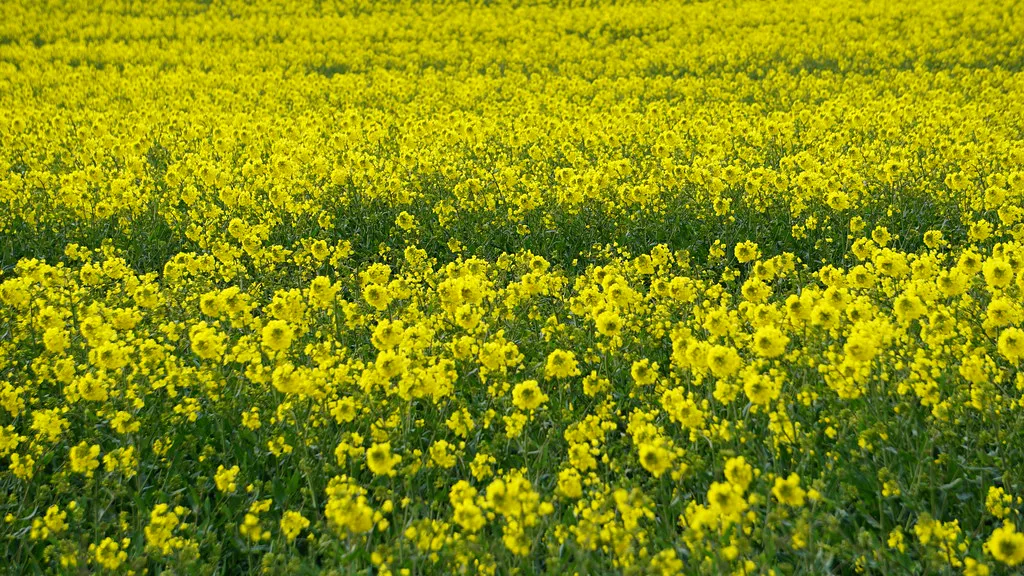
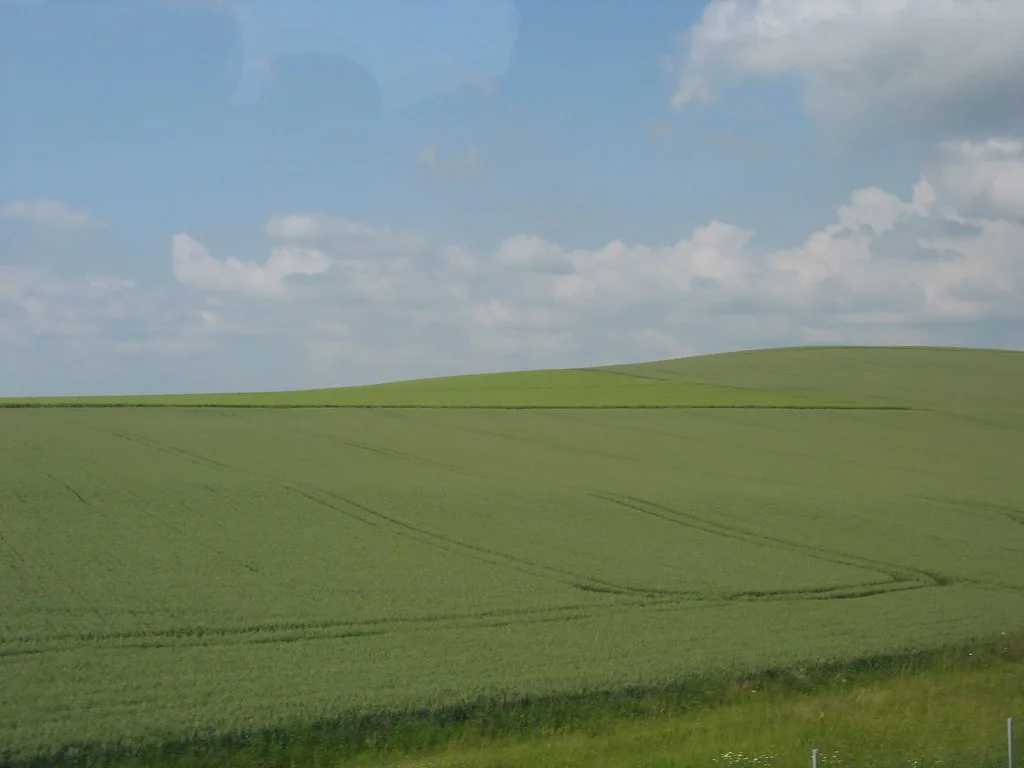
No single destination owns this landscape. Rapeseed is a mainstream farm crop across northern and western Europe, so the best region is usually the one you already plan to visit in spring. Lincolnshire is the clearest documented example in the UK. A stock-photo caption places oilseed rape in full bloom outside Burwell, just south of Louth, with Red Campion along the field edge. That image is dated 6 June 2013, so treat it as one photographer's day and not a bloom calendar. The table below compares the regions worth researching, and every row needs a local check before you commit.
| Region | Typical access | Viewing style | What to verify |
|---|---|---|---|
| Lincolnshire and the Wolds, UK (around Louth) | Car, plus local walks | Roadside and footpath | Marked public rights of way; local bloom reports |
| Normandy, France | Car | Scenic drives | Local bloom reports on regional tourism pages |
| Schleswig-Holstein and Mecklenburg, Germany | Car or cycling | Cycling routes and roadside | Cycle-route maps; local bloom reports |
| Denmark | Car or cycling | Roadside and cycling | Local bloom reports; access rules |
When to Go: Understanding the Bloom Window
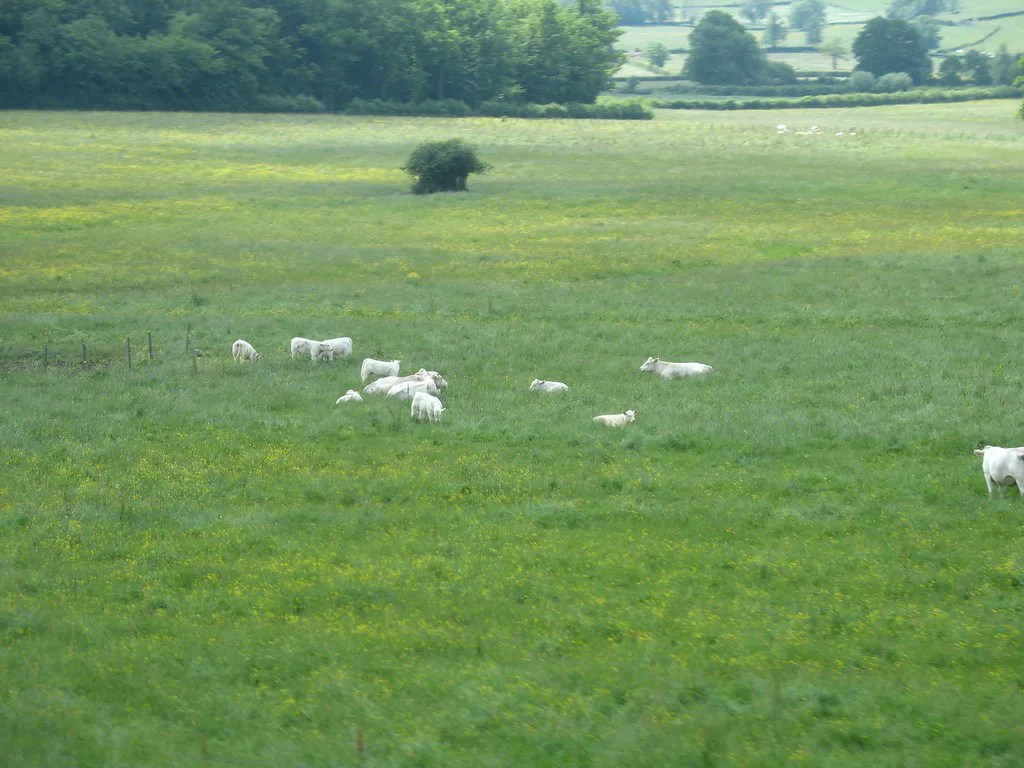
Tourism offices generally describe a spring bloom of about April to May. Real timing shifts with latitude, with the weather of the preceding winter, and with the variety sown. Winter varieties are sown in autumn and flower earlier than spring varieties. Warm spells pull flowering forward, and cold snaps push it back. Northern regions generally flower later than southern ones, which is why the same crop can be at its best in different weeks across Europe. The caption from Louth shows that a photographer caught full bloom in June, so treat any single date as an example and never as a guarantee.
- Early in the bloom: colour is vivid, but patches may still be green.
- Late in the bloom: petals start to fall, and fields fade toward green seed pods.
- Mid-bloom: usually the best balance, but only local reports can tell you when it arrives.
How to Plan the Trip
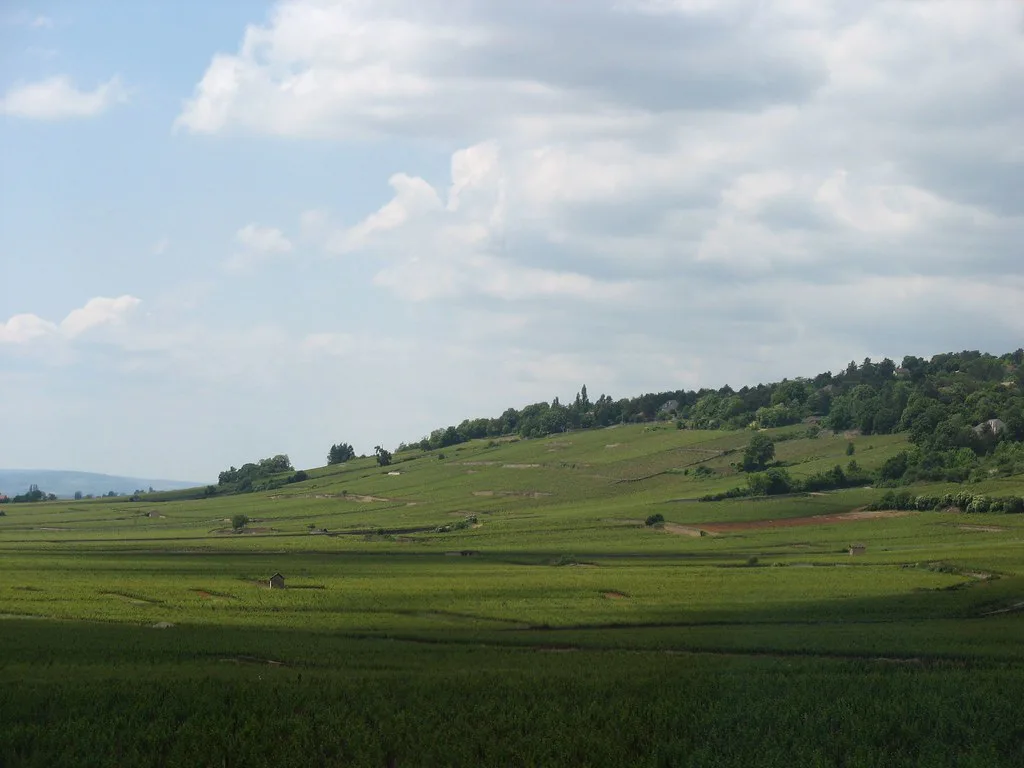
Most visitors need a car or a bike, since fields sit beyond rural stops. Rail plus a walk works only where a station sits near footpaths. Allow a flexible morning or afternoon for each area rather than a fixed slot, and keep a spare day in case rain or cold delays flowering. For France, start with the national tourism portal at Atout France and drill down to regional pages. For Denmark, Visit Denmark is the place to look for cycling routes. For Germany, Germany Travel covers regional touring routes. Base yourself in a market town and make short loops from there.
Visiting Respectfully and Safely
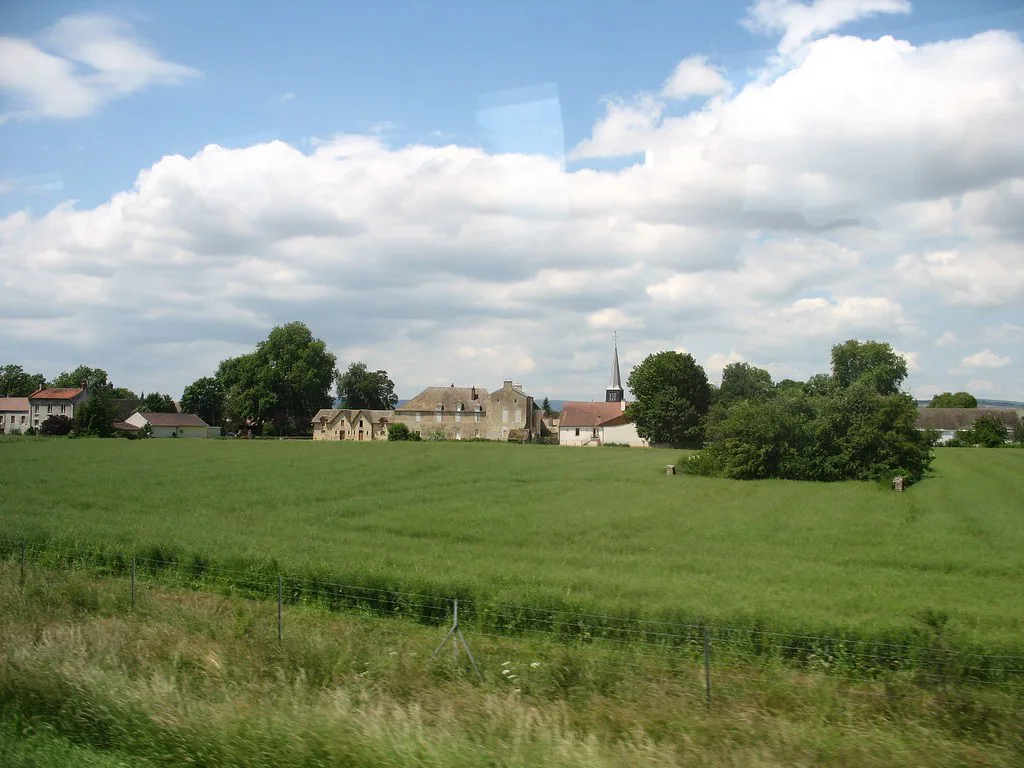
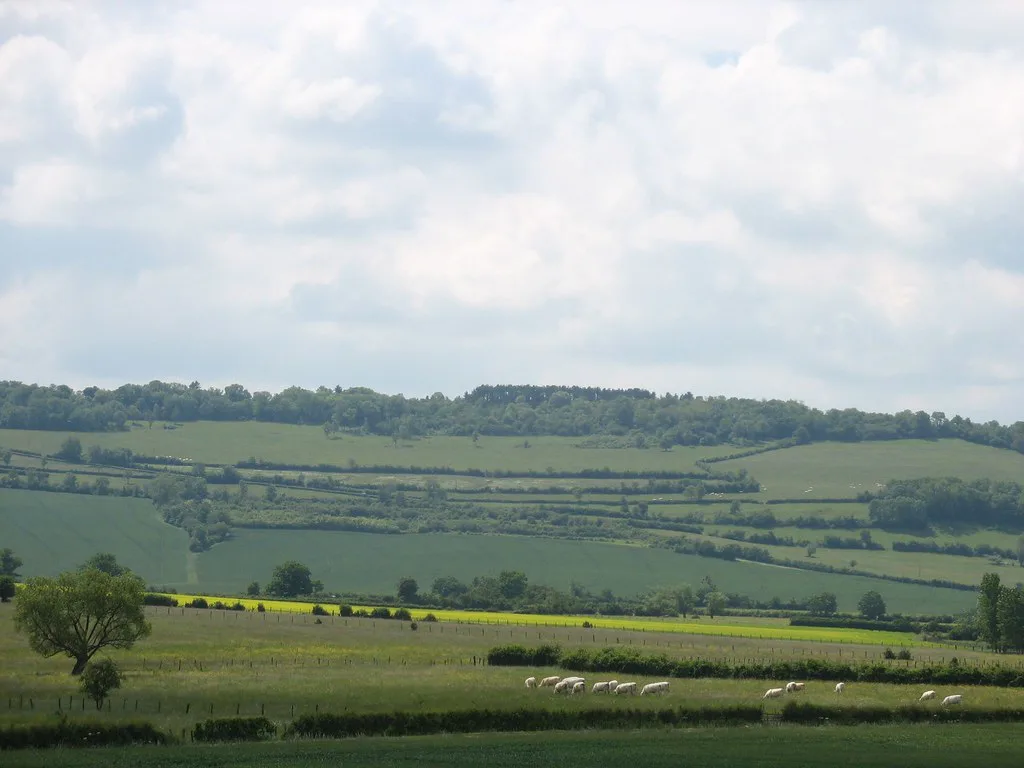
These are working farm fields, and walking into a crop damages it. Stay on marked public footpaths and rights of way, and shoot from the edge. Do not rely on social-media location tags, since they can point at private land. Rapeseed pollen and the strong smell of the crop bother some people, so anyone with a severe allergy should consult their national health service before visiting. Drones are regulated by national aviation authorities, so check the current rules for your country before you fly.
- Mistake to avoid: stepping into a field for a photo.
- Mistake to avoid: arriving on a fixed date without checking local bloom reports.
- Who should skip: people with severe pollen allergies, and anyone with no car and no rural rail or bus access.
Photography Tips for Rapeseed Fields
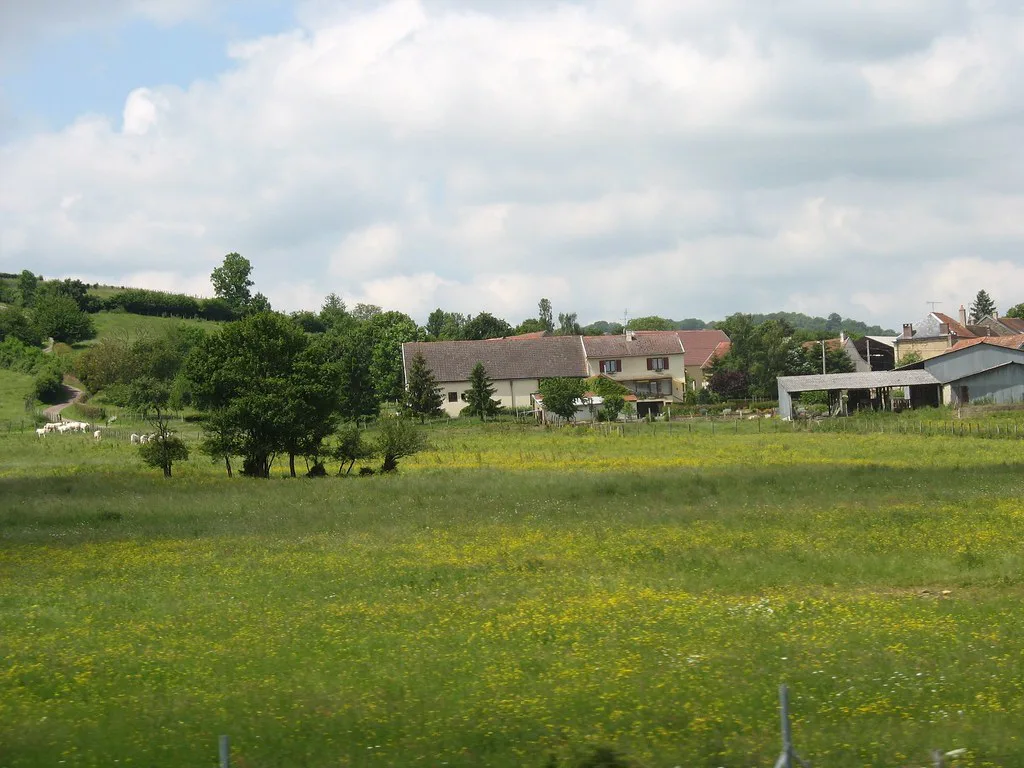
Low sun at either end of the day gives the yellow depth, and overcast skies can make the colour look flat or harsh. Look for foreground interest such as hedgerows, wildflowers, church spires and village rooftops. In Lincolnshire, the Alamy caption mentions Red Campion at the field edge, which shows how a single wildflower can anchor an image. A longer lens compresses rows of flowers into a clean yellow band without you leaving the path.
Rapeseed or Sunflowers? Planning a Second Bloom Trip
Rapeseed blooms earlier and works best as a field-edge viewing experience. Sunflowers bloom in summer and suit longer drives. For the later season, read our When Do Sunflowers Bloom? Europe Season Guide guide. The wider 5 Best Sunflower Fields in Europe: Where & When to Go page compares regions. For a UK follow-up, see Sunflower Fields UK: Where to Go, When to Visit & Costs. If France is your base, Sunflower Fields in France: Where and When to See Them is the next step. Provence has its own page, Sunflower Fields in Provence: Where & When to Go.
Frequently Asked Questions
Is rapeseed oil the same as canola oil?
Canola is a type of rapeseed bred for cooking oil, and the name is mainly used in North America. In the UK and much of Europe, the crop is called rapeseed or oilseed rape.
What does rapeseed look like?
Rapeseed is a leafy plant that carries clusters of small, four-petalled yellow flowers. A flowering field looks like a solid yellow sheet.
Why is rapeseed called rapeseed?
The name comes from the Latin word rapum, meaning turnip, a close relative of the crop. It has no link to the modern English word for the crime.
Bloom-season notes
Optional updates when we add or revise garden guides.
Continue reading
Guides on the same trip