Corso Zundert: Dahlia Flower Parade Guide
Planning Corso Zundert? See what the dahlia float parade is, how the day runs, ticket and transport questions to check, and how it compares with other flower festivals.
Last updated November 2026: Corso Zundert is the annual dahlia flower parade in the Dutch village of Zundert, North Brabant, with giant floats covered entirely in dahlias. Volunteer neighbourhoods build the floats, and the parade normally runs on the first Sunday of September. Read the official Corso Zundert site for this year's date, then use this guide to plan the day. It also sits within our wider flower festival calendar.
Featured image: Arend Vermazeren, CC BY 2.0, via Flickr.
What Corso Zundert Is and When It Happens
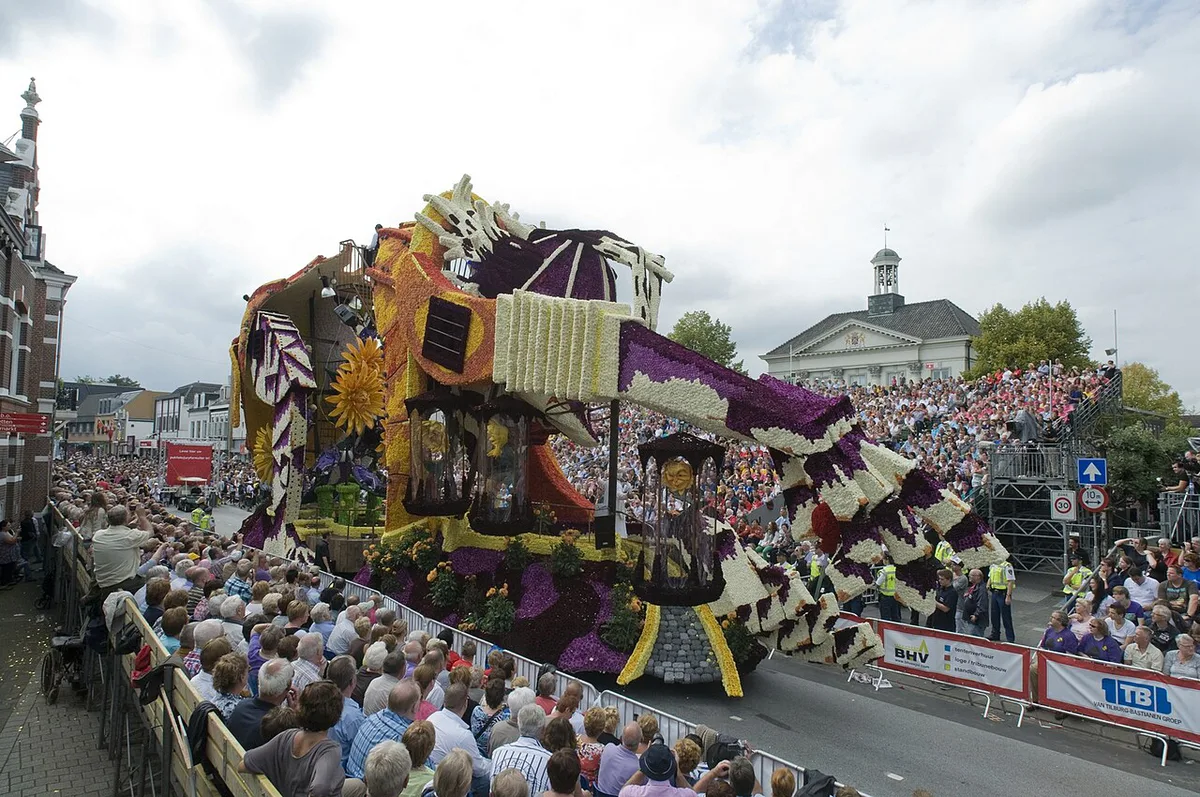
Corso Zundert is a parade of dahlia-covered floats through the village of Zundert. Teams from neighbouring hamlets and church villages build them as volunteers, and each team competes for the best design. The first parade took place in 1936, and early editions were decorated bicycles and a single farmer's cart. The event grew larger after World War II. Dates move with the calendar, so the official site is the place to read the current edition's day.
- Where: Zundert, North Brabant, Netherlands
- When: normally the first Sunday of September
- What: a dahlia float parade, plus a floats exhibition
- First held: 1936
How the Day Runs
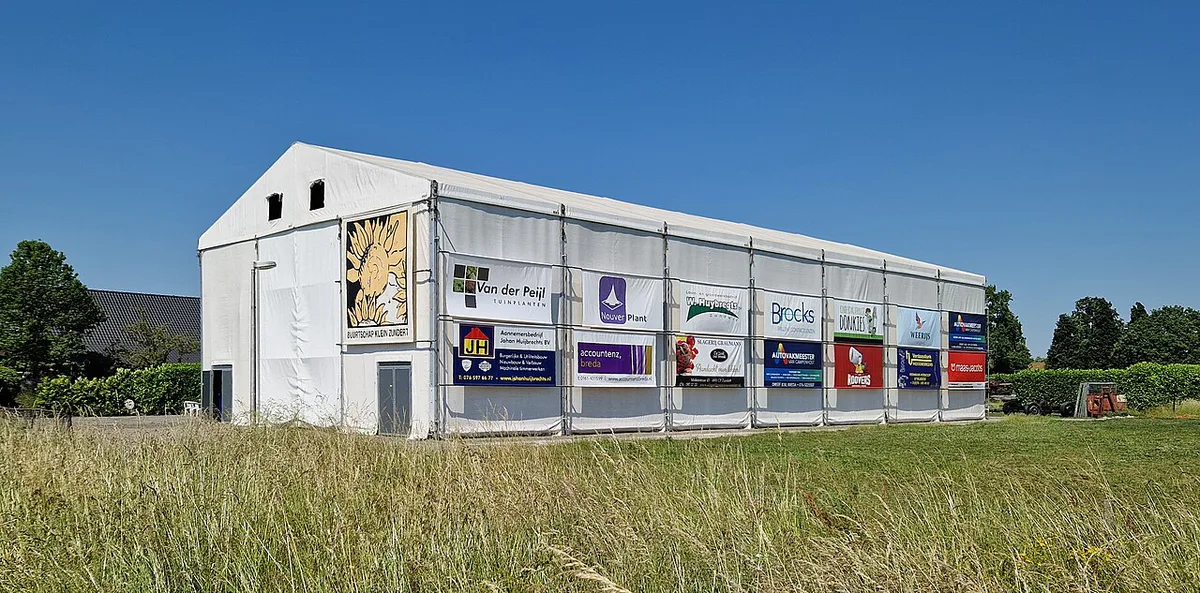
The 2020 provisional programme shows the shape of a typical parade day. Street theatre fills the morning, the parade starts after lunch, and the floats are shown again in the evening. That year the floats set off from the exhibition grounds and rolled through Molenstraat. Use the current programme and route map for exact times, because they can change between editions.
- 10:00 – first street theatre acts
- 13:30 – parade start
- 14:00 – first presentation at the Markt
- 16:30 – second presentation at the Markt
- 18:00 – floats exhibition and party
Why the Floats Are Special
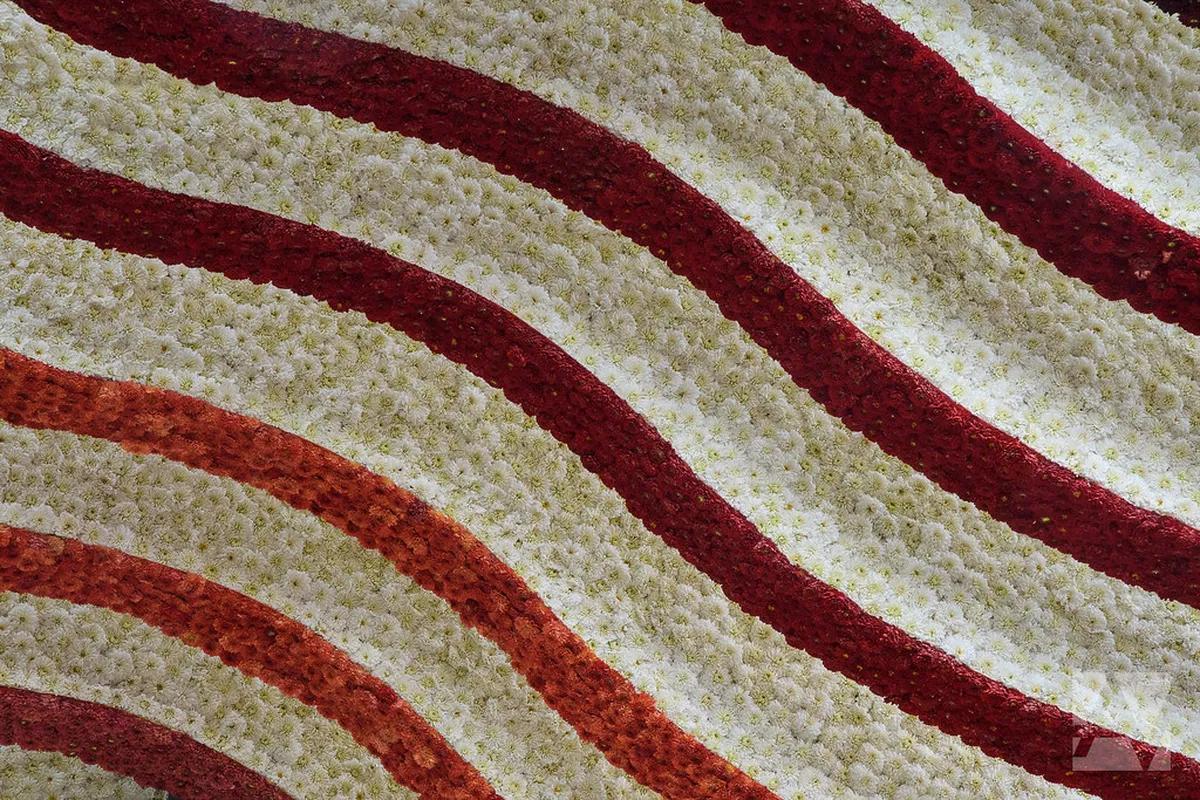
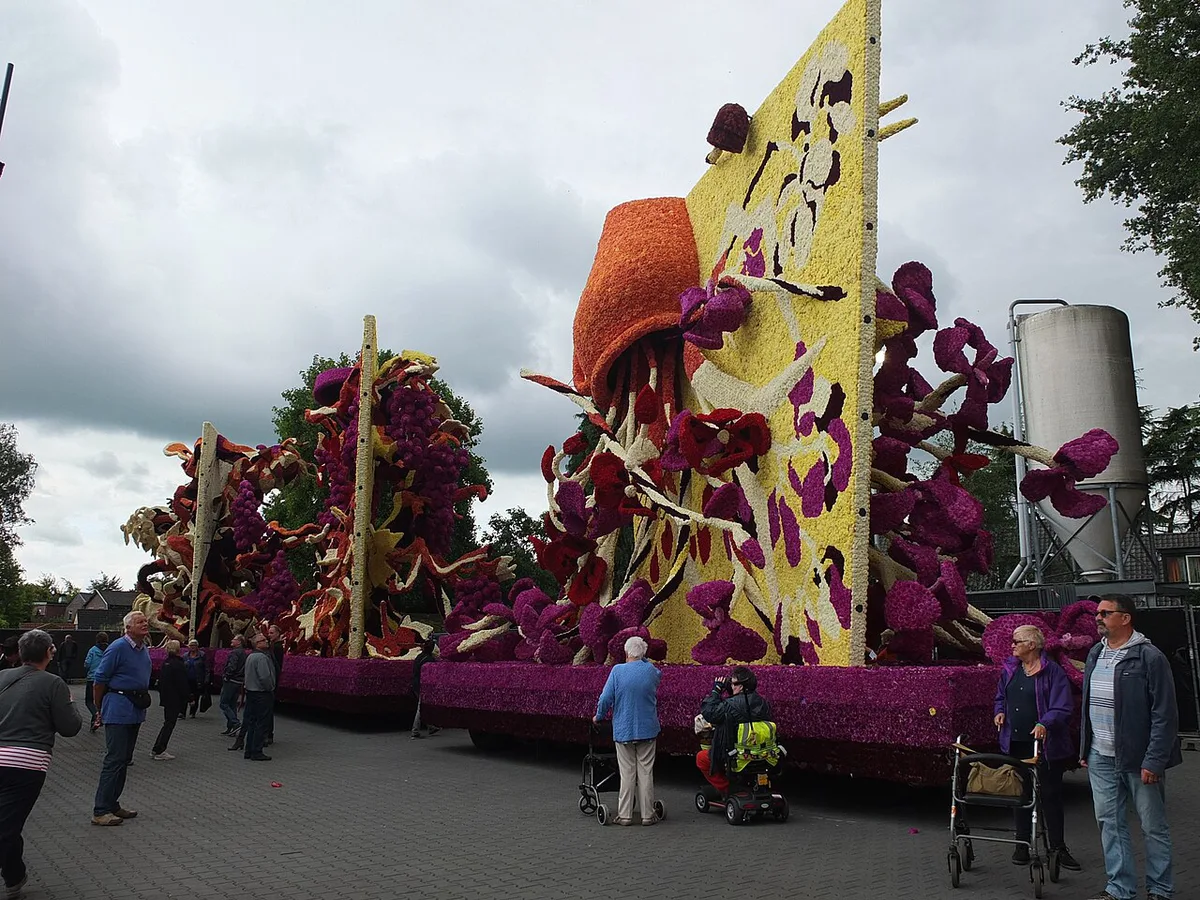
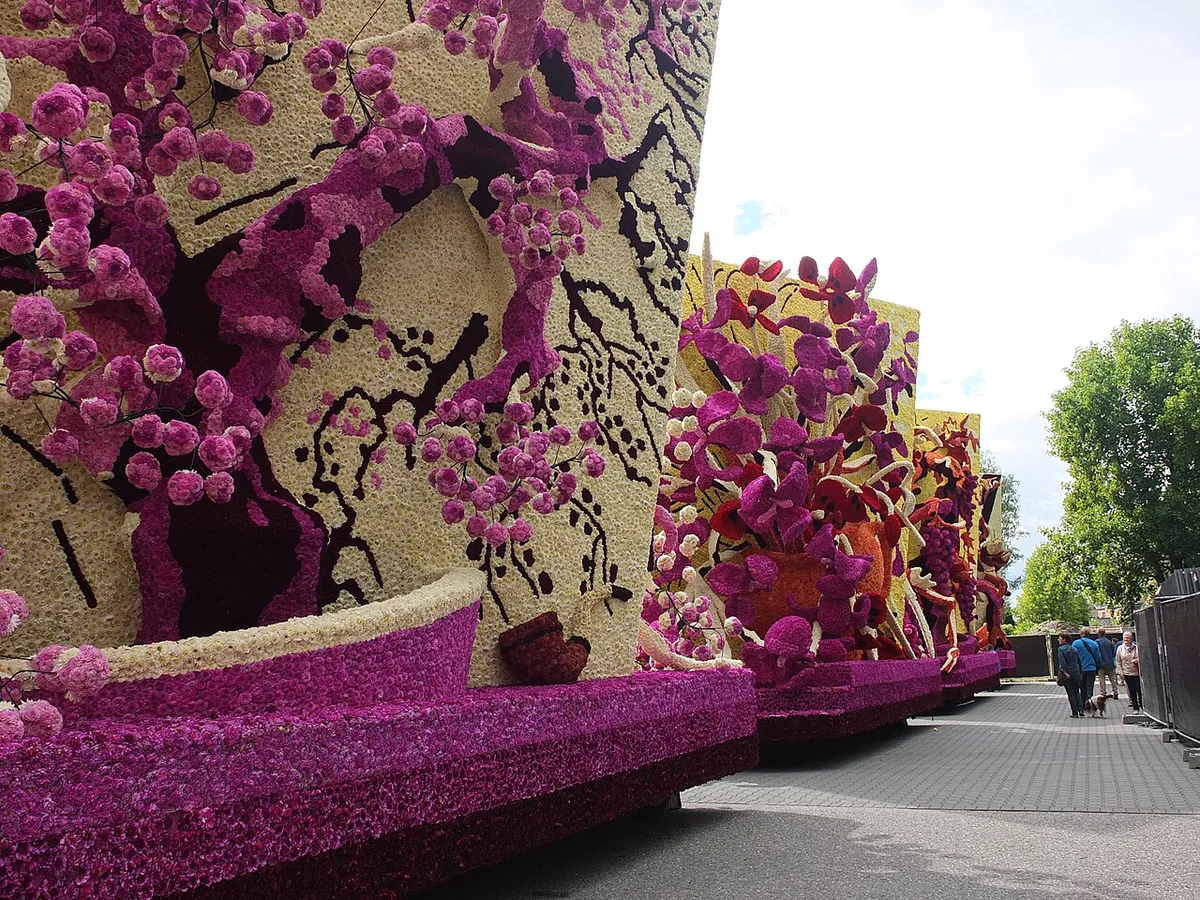
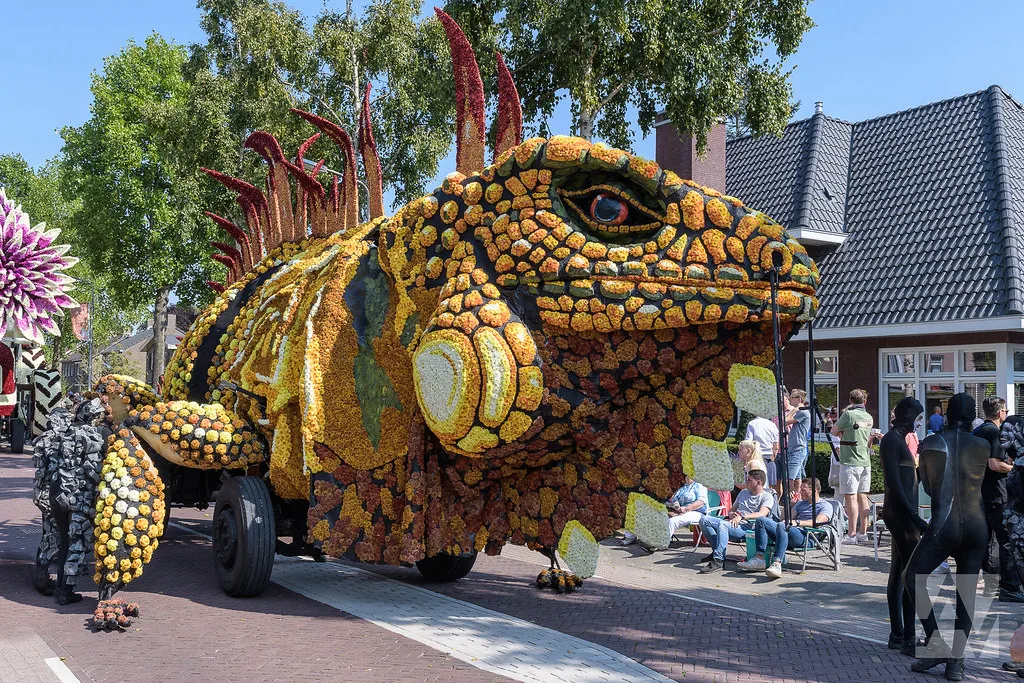
Every float must be completely covered in flowers, and the flowers are dahlias grown for the event. Organisers have estimated around 400,000 dahlias per float. Frames are built from iron and Styrofoam, with papier-mâché glued on, and the flowers go on in the final days. Volunteers often work late into the night to finish. Recent editions have shown about 20 floats, with some reaching up to 30 feet tall. A professional jury picks the winning design. The parade normally has no set theme. Vincent van Gogh was born in Zundert, and the parade made an exception to honour him in 1990 and 2003.
Tickets, Entry and Costs
Entry rules, grandstand options and any exhibition fee are set by the organisers each year. Read them on the official site before you plan a budget. Then build your costs around the checklist below.
- Parade tickets or paid viewing areas, if offered
- Parking or a shuttle
- Food and drinks in the village
- An overnight stay
- Entry to the floats exhibition, if it is charged
Getting There and Getting Around
Zundert is a village, so parade day means road closures and a walk between parking and the route. Decide early between driving and public transport. Read the event's own transport and parking pages, and use Visit Brabant's regional guide for wider travel information. Rail and regional bus options are worth checking on the operators' own sites.
Where to Stay
You have two options: sleep in or near Zundert and walk to the parade, or base yourself in a larger nearby town and travel in. Staying close saves transport stress on a day of road closures. A larger base usually gives more choice. Parade-weekend rooms are likely to be tight, so book early.
Best Viewing and Planning Tips
Parade day gives you the movement, the crowds and the best photographs of floats on the move. An exhibition day gives you a closer look at the dahlia work. In 2020 the exhibition ran on Monday 7 September, the day after the parade. The same year's programme also listed an exhibition and party from 18:00 on parade day. Arrive early, and carry layers, since September weather can change through the afternoon.
Some floats reach up to 30 feet tall, so pick your viewing spot before the crowds settle in, then plan parking around it.
- Mistake to avoid: arriving at parade time without checking the route and road closures.
- Pick your viewing spot first, then plan parking around it.
- Decide in advance whether you want the parade, the exhibition, or both.
Corso Zundert Compared With Other Flower Festivals
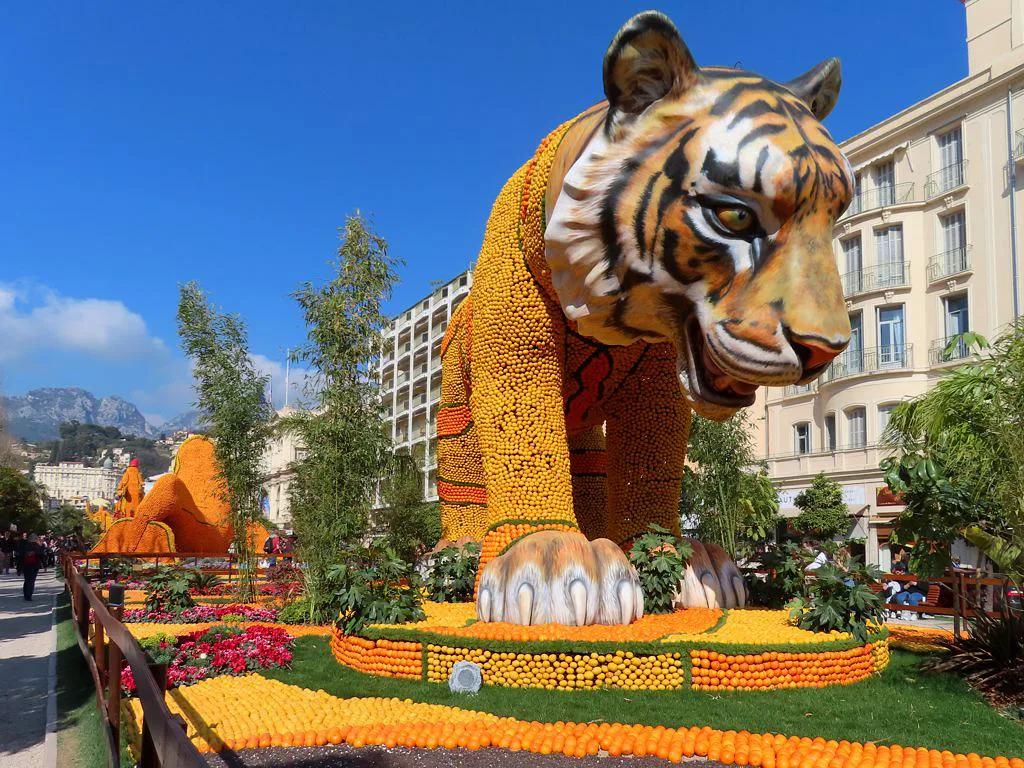
Corso Zundert is a float parade built from a single flower. Other European events use different formats. Another Dutch option is Floriade in the Netherlands. For flower carpets, see flower carpets in Spello. Italy's flower carpets in Genzano follow the same idea. For float parades, compare Nice's float parade. Valencia's flower battle and Jersey's flower battle are the battle format. A citrus alternative with parade floats is Menton's citrus festival.
| Event | Format | Location |
|---|---|---|
| Corso Zundert | Dahlia float parade | North Brabant, Netherlands |
| Infiorata di Spello | Flower carpets | Umbria, Italy |
| Infiorata di Genzano | Flower carpets | Lazio, Italy |
| Nice flower parade | Float parade | Nice, France |
| Valencia Battle of Flowers | Battle of flowers | Valencia, Spain |
| Jersey Battle of Flowers | Battle of flowers | Jersey |
Is Corso Zundert Worth the Trip?
Go if you want to see large, hand-built floats covered in a single flower and enjoy a village-scale event. Skip it if you prefer a relaxed visit without crowds or road closures. A quieter alternative is the set of flower markets across Europe. Plan at least the parade afternoon, and add the exhibition if you want to study the floats up close.
Why Dahlias Make Corso Zundert Possible
Dahlias are central to Corso Zundert because the floats need a huge supply of fresh flowers during the final build. Event material has described roughly 33 hectares of dahlia fields grown for the parade. It has also cited around 600,000 bulbs across about fifty dahlia varieties.
That scale helps explain why the finished sculptures look so dense and colourful. Volunteers attach the blooms shortly before the parade, when the flowers are at their best. Different varieties provide the colours and textures needed for faces, animals, abstract forms and large architectural details.
The flowers are not a decorative extra added to finished vehicles. They are the surface of each competing design. Seeing the floats at the exhibition can make this work easier to appreciate, since visitors can study the individual dahlias after the movement of parade day.
Bloom-season notes
Optional updates when we add or revise garden guides.
Continue reading
Guides on the same trip