Villandry Gardens: How to Visit, Best Season and Tips
Plan a visit to the Villandry gardens: what to see, how long to allow, when to go, how to get there from Tours and which Loire gardens pair well.
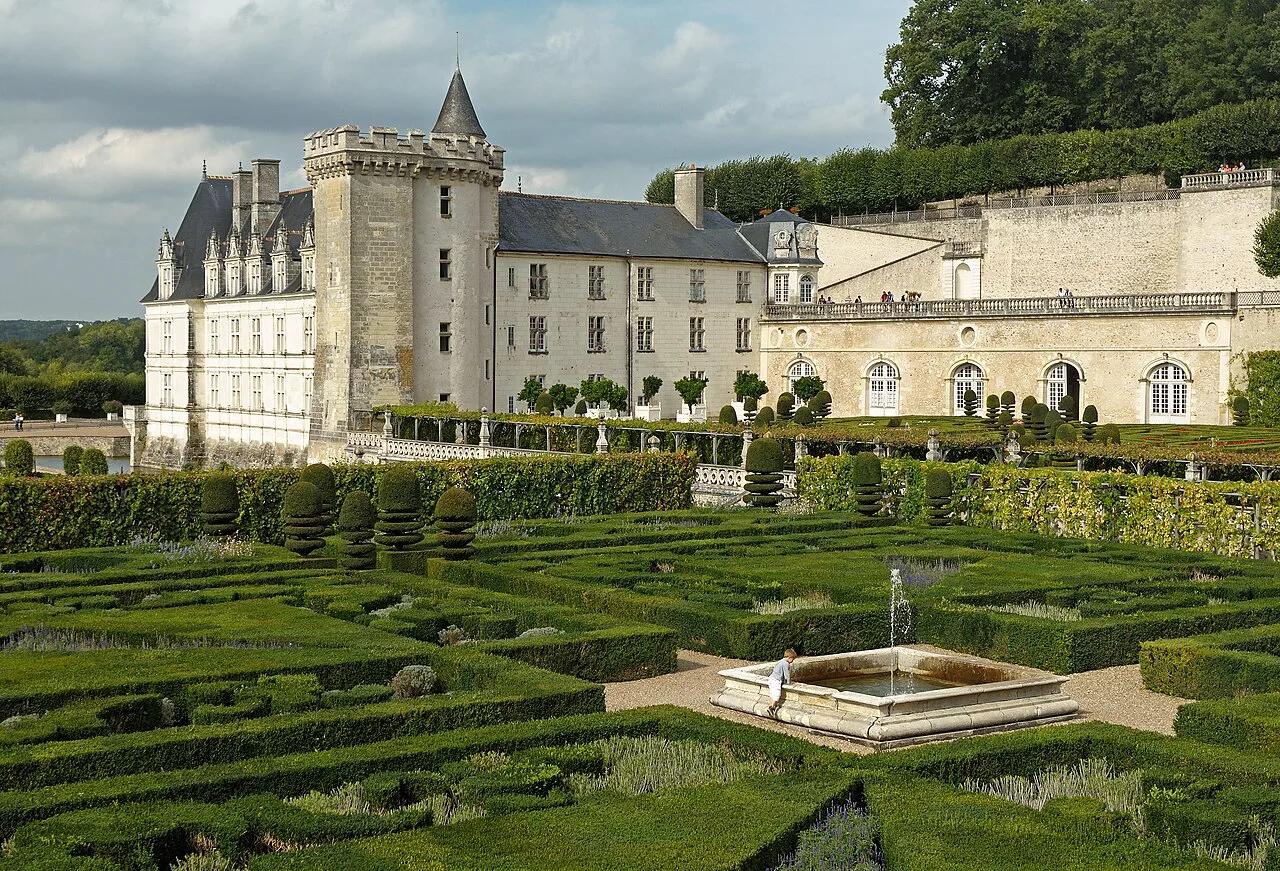
Last updated November 2026: the Villandry gardens sit beside a Renaissance château near Tours. Terraces step down to geometric parterres, an ornamental kitchen garden, a water garden, a sun garden and a maze. We'd go for the formal design, and this guide covers what to see, timing and how to get there, with more options in our guide to more Loire Valley gardens.
Featured image: Ввласенко, CC BY-SA 3.0, via Wikimedia Commons.
Are the Villandry gardens worth visiting?
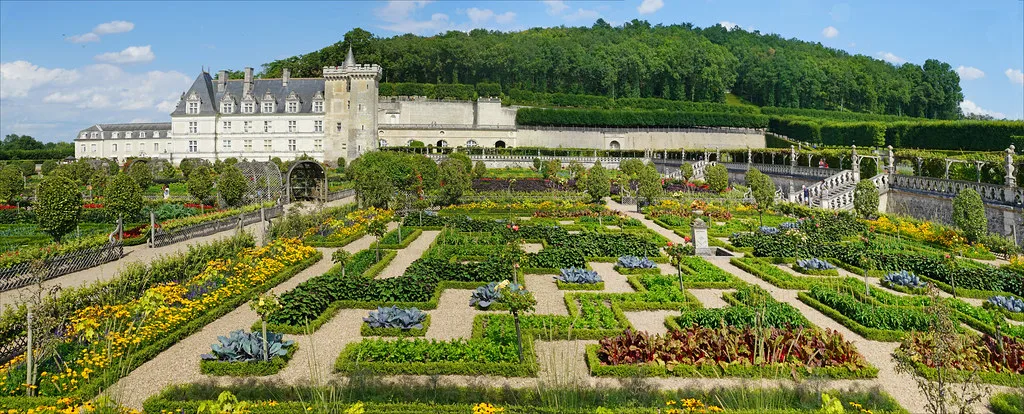
We'd say yes if you prefer formal design to loose, natural planting. Everything here is clipped and geometric, and the ornamental kitchen garden is what sets Villandry apart from other Loire gardens. Villandry lies about 15 km (9 miles) from Tours, roughly 20 minutes by car. Allow 2–3 hours as a working minimum for the gardens alone.
- Go if you like symmetry, clipped hedges and vegetables planted as patterns, and you want a garden that reads best from above.
- Pick another garden if you want whimsy: Rivau's themed gardens are a better fit.
- Pick another garden if you want quiet and contemplation: the Orsan priory garden is a monastic-style contrast, though it means a longer drive.
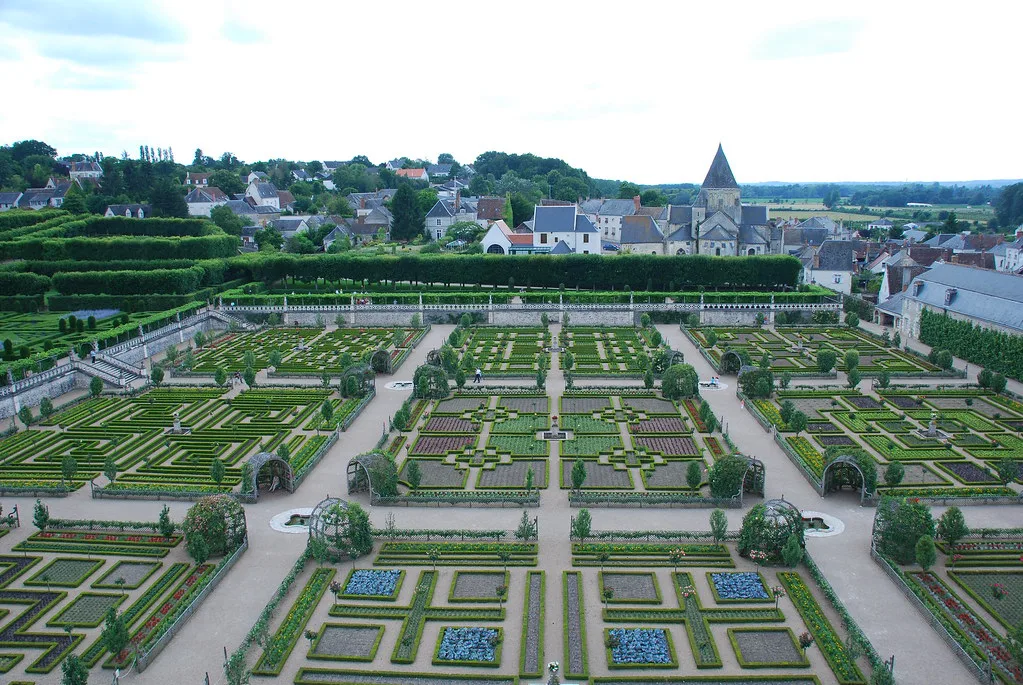
What to see in the gardens
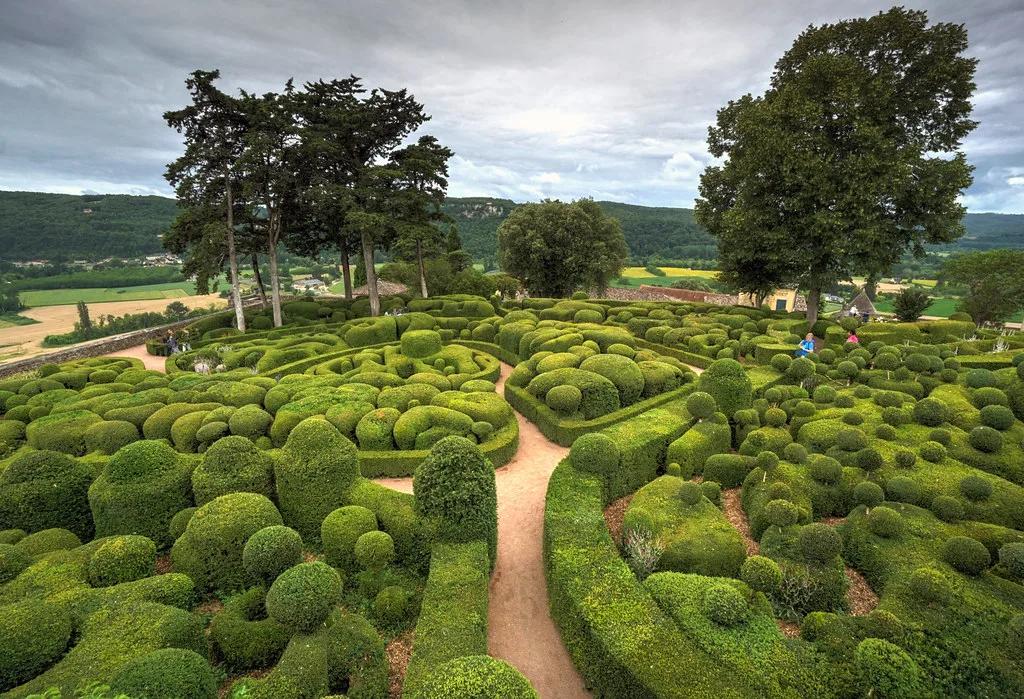
Villandry is laid out as separate sections, each with its own character. Start on the terrace above, because the pattern of the whole design only makes sense from height. Then walk down into the sections below.
- Ornamental garden: clipped box parterres whose designs carry symbolic themes, including love.
- Water garden: ponds and fountains that reflect the sky and the surrounding planting.
- Sun garden: open beds where seasonal flowers change the look through the year.
- Kitchen garden: cabbages, lettuces and herbs arranged so precisely that the beds read like embroidery.
- Maze: a clipped-hedge puzzle that suits families and anyone wanting a break from formal beds.
Reading the symbolism in the love gardens and kitchen garden
Much of Villandry's appeal comes from knowing what the patterns mean. The designs are not decoration alone, and a few minutes of context makes the terrace walk more rewarding.
The four loves of the ornamental garden
The clipped box parterres closest to the château are usually described as four garden-rooms, each representing a kind of love: tender, tragic, flighty and passionate. The shapes change from room to room. Look for hearts and flames, and for the broken, sword-like forms in the tragic-love parterre. The colours of the flowers set between the box hedges are part of the message, so what you see varies with the season.
The kitchen garden as a pattern
The kitchen garden is laid out in equal squares, each with its own geometric design. Vegetables are chosen for colour and leaf shape as much as for the harvest, which is why the beds look like embroidery from above. The beds are replanted through the year, so the same square can look quite different in May and in September.
- Best viewpoint: the raised terrace, where the squares read as a single pattern.
- Closer look: walk the paths between the squares to see the individual plants and the edging.
- Ask on arrival: the ticket desk or the official site can tell you which beds are at their best on the day.
How long to spend and a suggested route
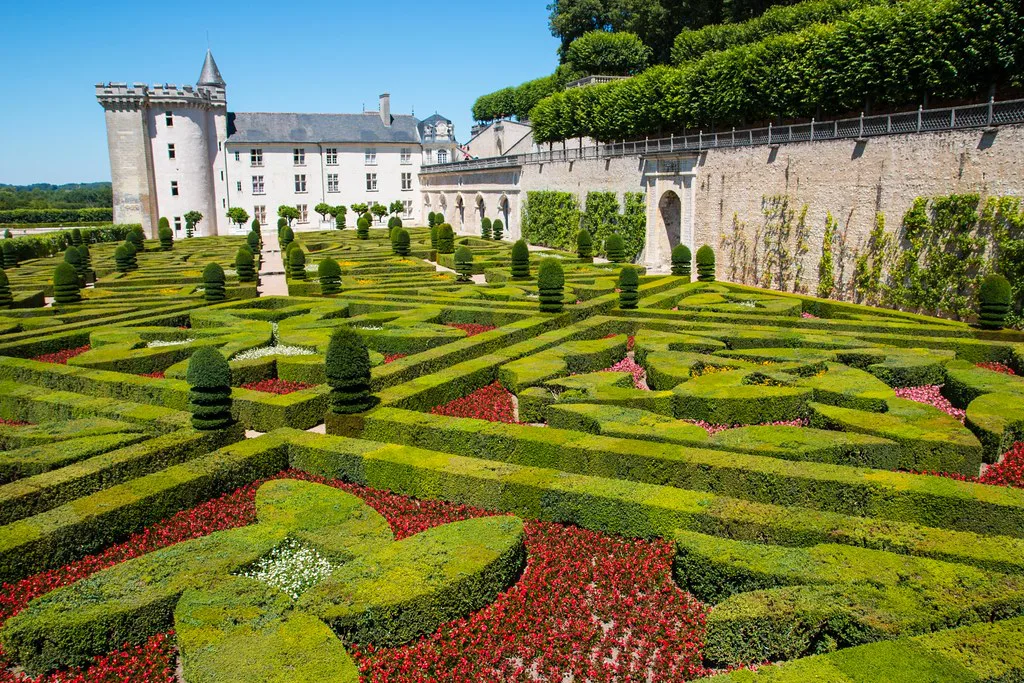
Our suggested order is terrace view first, then the garden sections, then the château interior last. That keeps the best vantage point for when you are fresh and leaves the indoor rooms as a fallback if rain arrives. Treat all durations below as estimates, not official figures. If kitchen-garden planting is your main interest, La Bourdaisière's kitchen garden is a lower-key comparison.
- Gardens only: about 2–3 hours at an unhurried pace.
- Gardens plus château interior: add roughly an hour on top of that estimate.
- Full day with a second stop: Villandry in the morning, then a short drive to one other site.
Tickets, opening periods and what's included
Opening periods and ticket types change by season. The official Villandry site lists current hours, fares and whether gardens-only and château tickets are sold separately.
Best time to visit Villandry: season by season
Spring (April–May) is the usual window for tulips and early planting. Summer (June–August) brings full beds and long days, while autumn (September–October) gives softer light. Planting changes each year, so check the official site's seasonal pages for what is actually in bloom.
| Season | What to expect | Trade-off |
|---|---|---|
| Spring | Tulips and early blooms; the kitchen garden is just starting | Beds still filling out |
| Summer | Fullest planting and the longest days | Likely the busiest season |
| Autumn | Golden light and harvest tones | Shorter days; some summer color fades |
| Winter | Quiet gardens, with the château interior still an option | Beds have the least color |
Getting to Villandry from Tours
Driving is the simplest route: about 20 minutes from Tours, with free parking near the château. Without a car, the trade-offs are real, so plan the return leg before you leave Tours.
- Car: easiest option and the best for pairing a second stop.
- Train: take a train to Tours or Langeais, then continue by taxi. Onward bus links are unconfirmed.
- Taxi or guided tour: more expensive, but no timetable stress.
- Summer shuttle: reported between Tours and Villandry, but check the Loire Valley tourism office for current timetables.
Combining Villandry with other Loire gardens and châteaux
Villandry works best as the formal anchor of a day. Our Loire Valley garden overview compares the options in more detail. Check drive times on the day before you commit to a pair.
- Formal plus riverside: pair Villandry with Chenonceau's riverside gardens, after checking the drive time.
- Second day, grand scale: Chambord's estate is a further-afield option.
- Second day, hunting-estate feel: Cheverny's grounds make another possible stop.
- Plant lovers: add the Chatonnière plant collections to a kitchen-garden theme.
How Villandry compares with other formal European gardens
Villandry is a good reference point if you are choosing between formal gardens on a longer trip. Its character is Renaissance-inspired geometry on a human scale, laid out to be read from raised walkways and a terrace rather than walked at length.
- Versus baroque landscapes: grand baroque gardens work through long axes, large water features and big sweeping vistas. Villandry is more compact and more planted, with the vegetables and flowers carrying the design. Our guide to baroque gardens in Europe helps if you want the larger-scale version.
- Versus royal estates in Spain: the gardens at Aranjuez show a different royal garden tradition, with tree-lined avenues and river-fed planting rather than clipped parterres.
The deciding question is what you want to look at. Choose Villandry for pattern, plant colour and a single, easily understood design. Choose a larger estate if you want a long walk or space to roam.
Shoes, light and the best viewpoint at Villandry
Wear comfortable shoes, because paths are gravel and the terraces involve stairs. Late afternoon gives softer light for photographs, and the terraces above the gardens are the best vantage point. Rain is easier to handle here than at many gardens, because the château interior is a fallback. For accessibility details, food and picnic rules, use the official site.
A short history of the Villandry gardens
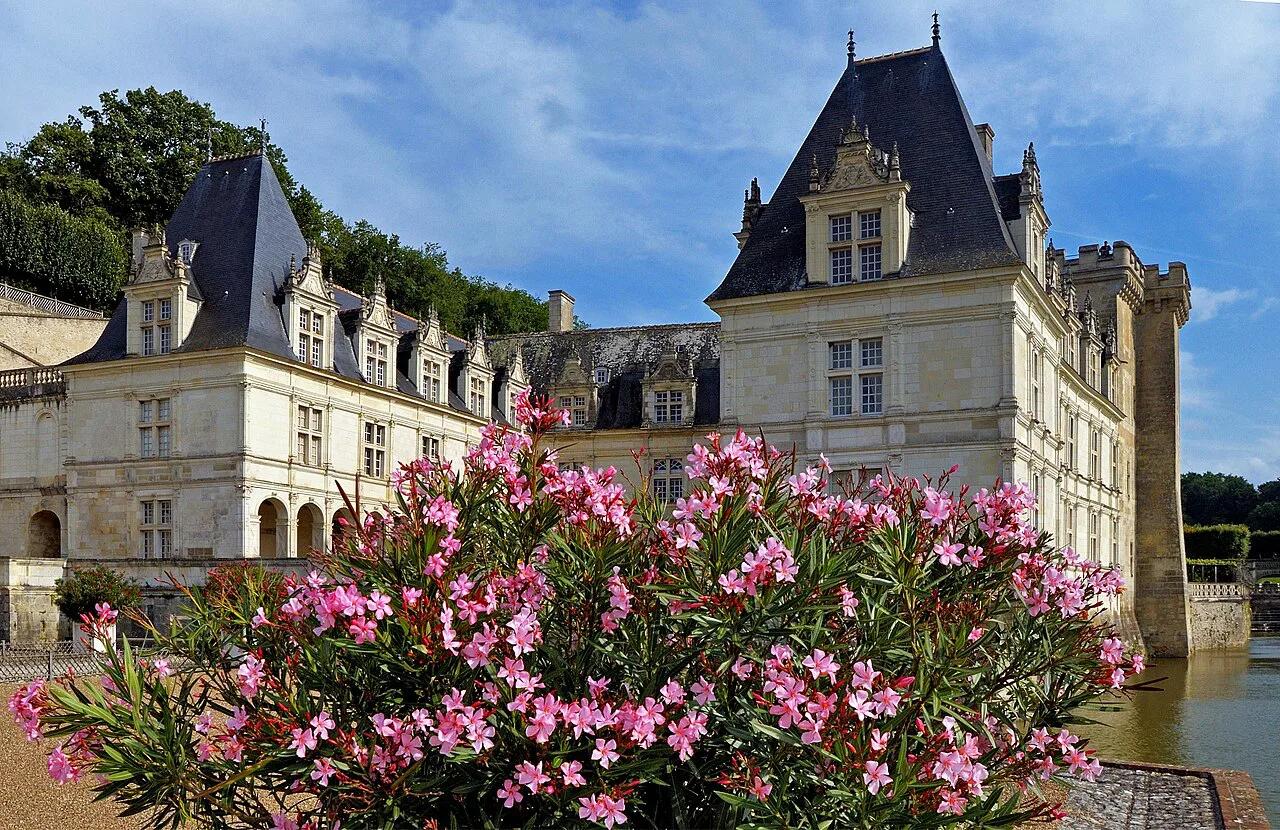
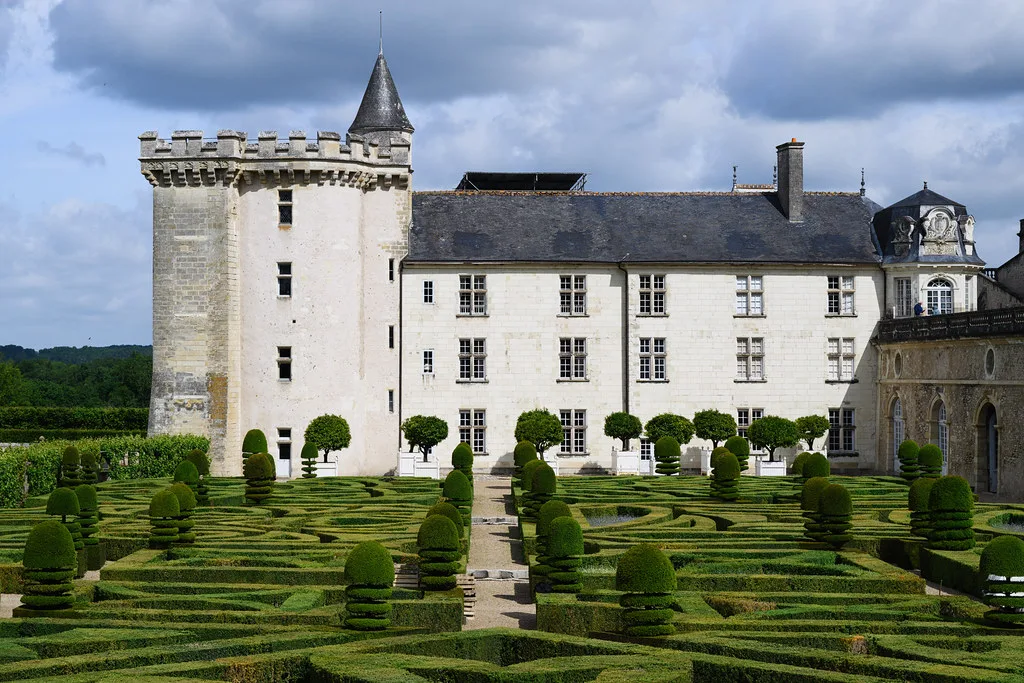
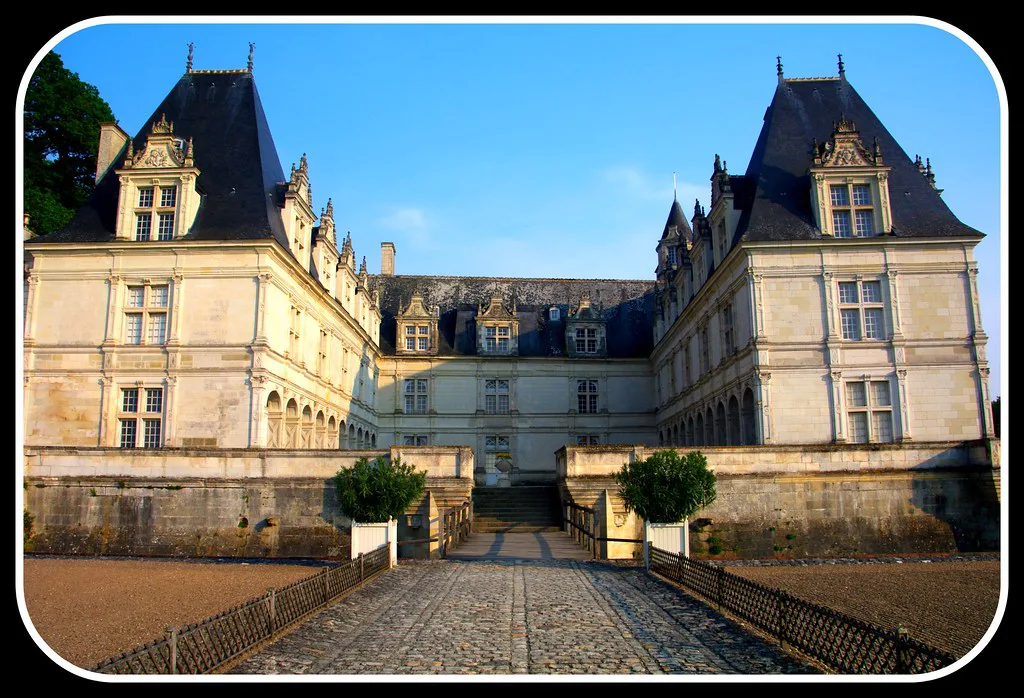
A medieval fortress once stood on the site, and the current château dates to the Renaissance. The gardens were restored in the early 20th century by Joachim Carvallo, and that restoration is the basis of today's layout.
Frequently Asked Questions
Why is Villandry famous?
Villandry is famous for its Renaissance-style gardens, especially the geometric parterres and the ornamental kitchen garden. Vegetables are planted as decorative patterns here. The terraces above let you see the whole design at once.
What are the most beautiful gardens in France?
Opinions differ, and no single ranking settles it. Villandry is a frequent pick for formal design. For alternatives nearby, our Loire Valley garden guide compares several, from themed to monastic.
Bloom-season notes
Optional updates when we add or revise garden guides.
Continue reading
Guides on the same trip