Chenonceau Gardens: Visiting Guide, Seasons And Time Needed
Plan a visit to the Chenonceau gardens: what to see, how long to allow, seasonal timing, tickets and how to pair them with other Loire gardens.
Last updated November 2026: the Chenonceau gardens belong to the Château de Chenonceau at Chenonceaux, in Indre-et-Loire, on the River Cher. They suit garden lovers, photographers and slow-paced visitors best. Our Loire Valley garden guide shows how they compare with other estates in the region.
Featured image: Gzen92, CC BY-SA 4.0, via Wikimedia Commons.
Chenonceau Gardens At A Glance
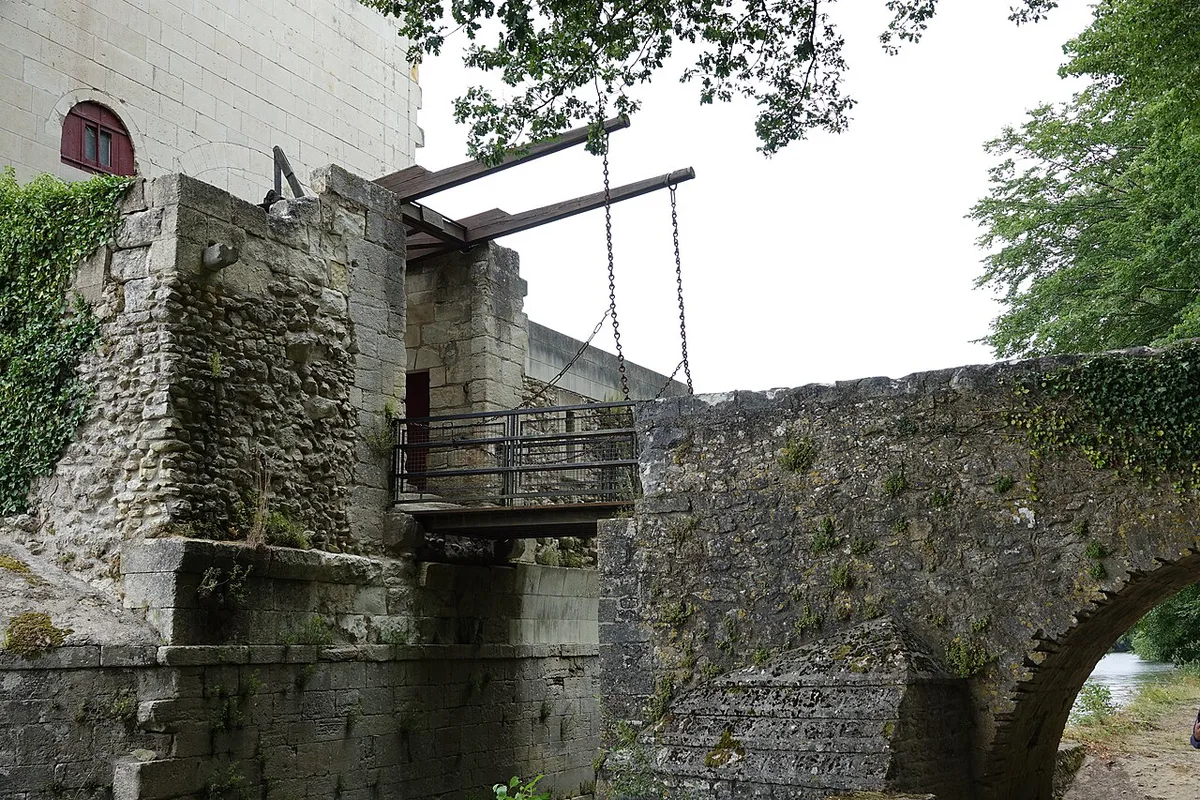
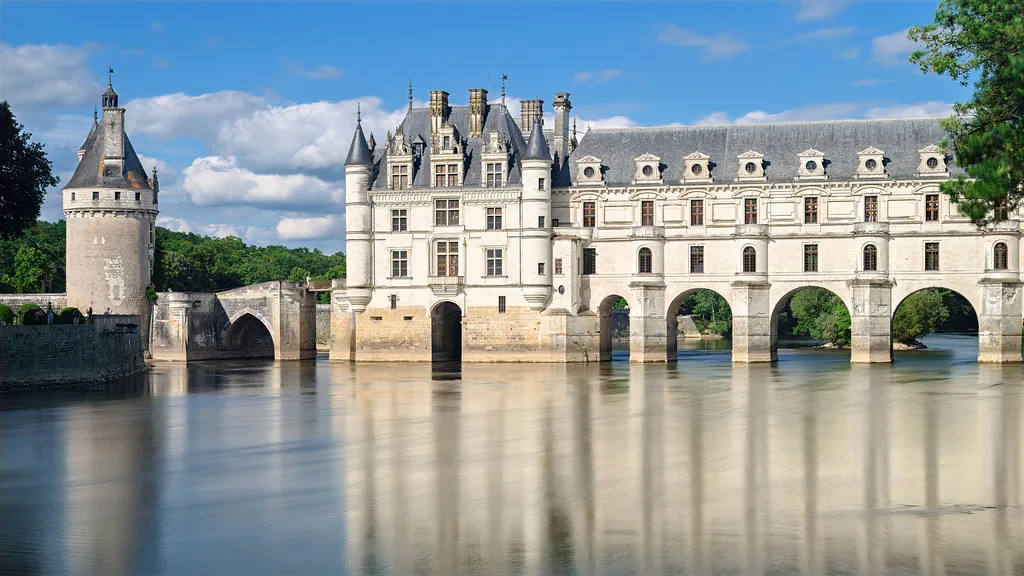
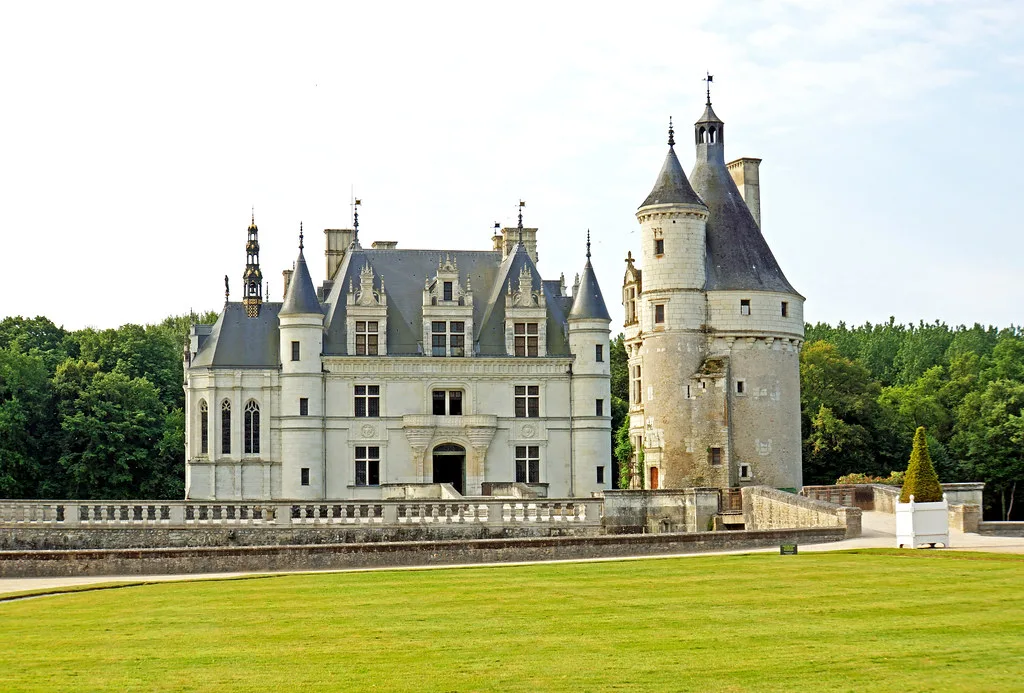
Chenonceau is a château built on the River Cher, and its gardens are part of the same estate. You visit them as part of the château visit rather than as a separate stop. They reward people who like to walk slowly, look at planting and take photographs. Families can use the open ground to move around between the château rooms. If gardens are not your priority, you can shorten this part and spend your time inside the château. Visitors who only want a quick look at the river façade lose little by skipping the far corners. Decide before you arrive, because the estate pulls you in several directions at once.
What To See In The Gardens
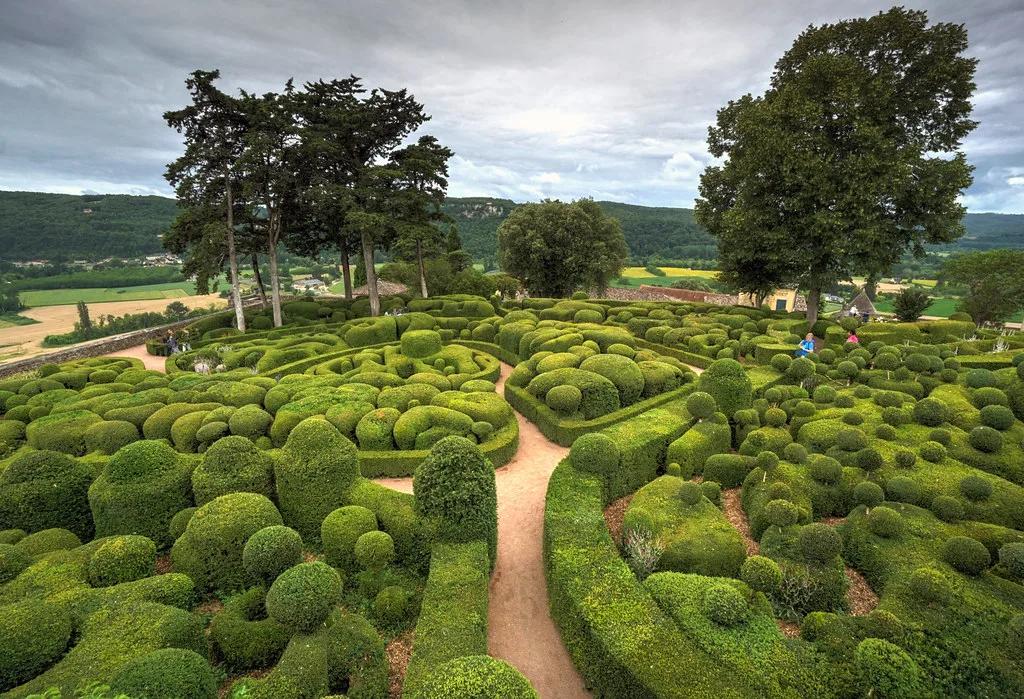
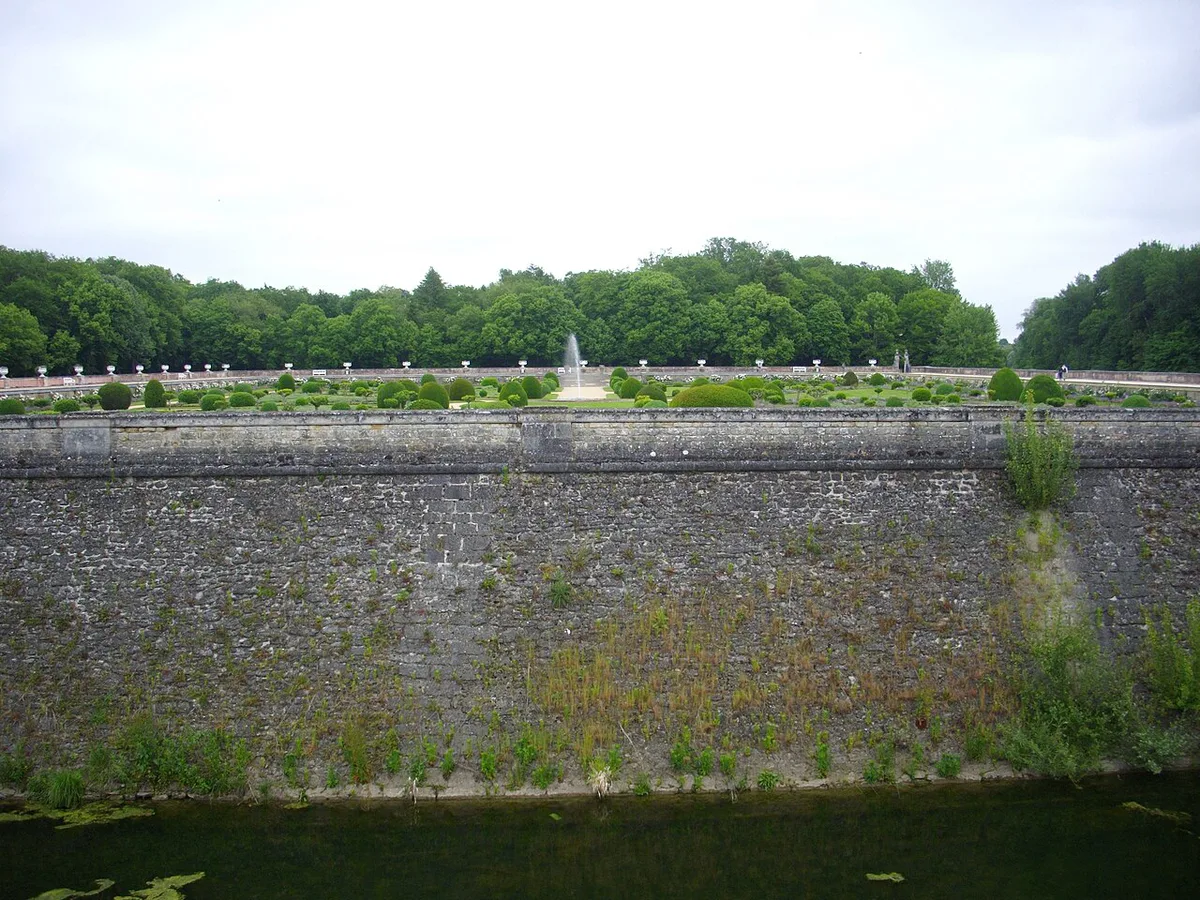
Chenonceau has two formal gardens. One is named for Diane de Poitiers and the other for Catherine de Medici. Each is laid out as a formal design, so you read them best from the paths that run along their edges. Beyond them, the Green Garden gives a softer, more planted counterpoint to the formal beds. There is also a vegetable and flower garden, where cut flowers are grown for use in the château. Work through the formal gardens first. Then walk to the working garden, where the planting changes with the season and the rows look different from visit to visit.
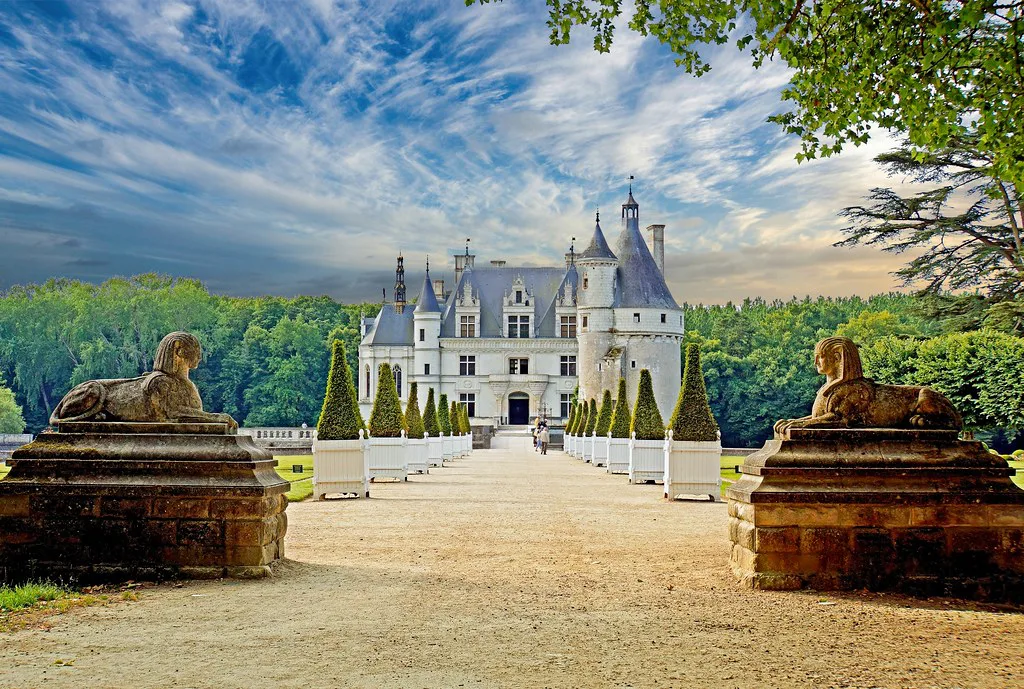
- Diane de Poitiers garden: formal layout, best seen from its surrounding paths.
- Catherine de Medici garden: the second formal garden, worth comparing side by side with the first.
- Green Garden: a quieter, more planted space.
- Vegetable and flower garden: a working garden with cut-flower production.
How Long To Allow And When To Go
Allow the gardens their own block of time inside a full château visit. Rushing the formal beds and the working garden defeats the purpose of coming. Spring and summer show the most planting, while autumn gives softer light and thinner crowds. Winter is quieter, and the gardens look more bare. Early arrival helps in every season, because paths are emptier and the light on the Cher is gentler. Late arrival is the most common mistake, since you may run short of time for the far gardens. Check the seasonal calendar on the official Chenonceau site before fixing your date.
- Mistake to avoid: arriving late and leaving the gardens to the last few minutes.
- Mistake to avoid: choosing a date without checking the seasonal calendar.
- Mistake to avoid: underestimating how far the paths run between the garden areas.
Tickets, Opening Hours And Booking
Ticket prices, opening hours and seasonal closing dates change from year to year. The official site holds the current figures and booking options, so read them there before you travel. Check at the same time whether the garden areas you want are included in your ticket type.
Getting There And Getting Around
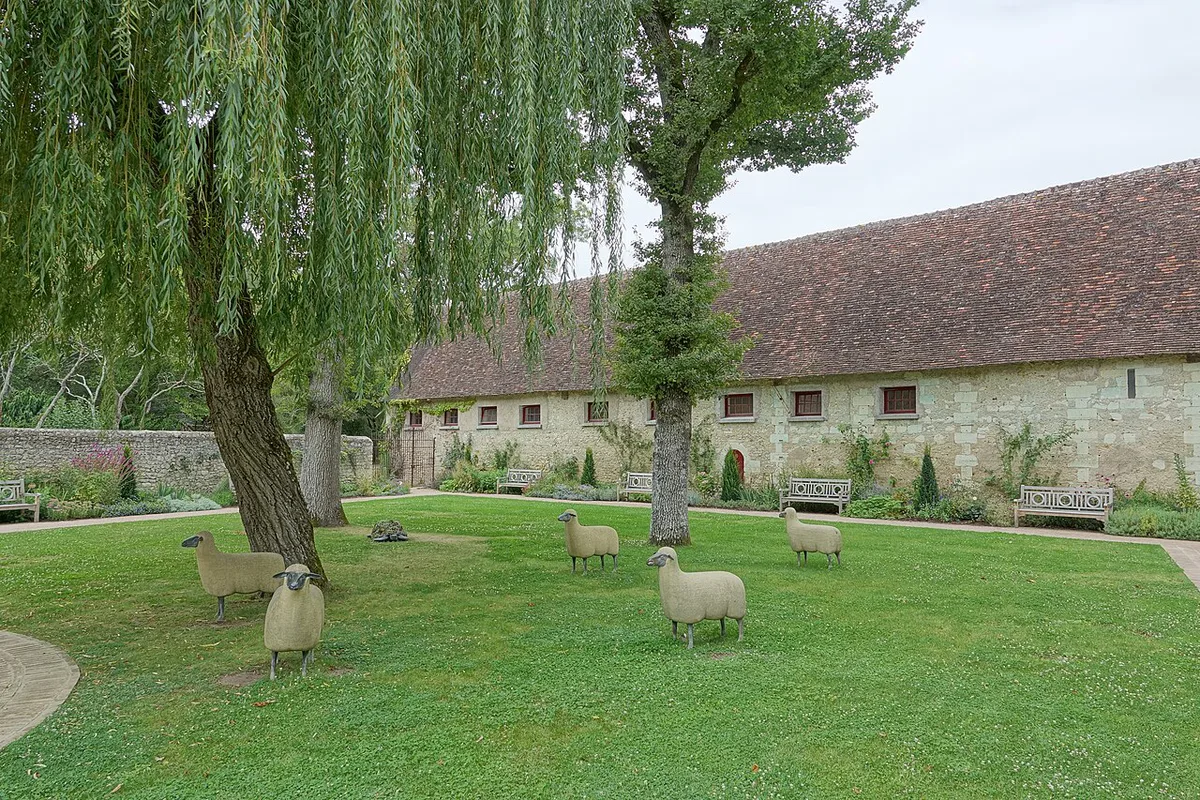
Chenonceau lies at Chenonceaux in Indre-et-Loire. Most visitors start from Tours or Amboise, by train, by car or on a organised excursion. Check SNCF and regional TER timetables for the Chenonceaux station, and confirm parking arrangements with the estate if you drive. Inside the grounds you walk, so wear comfortable shoes. If you use a wheelchair or have limited mobility, read the accessibility information on the official site first. Path surfaces and gradients vary between garden areas, so plan your route before you set off.
Combine With Other Loire Gardens
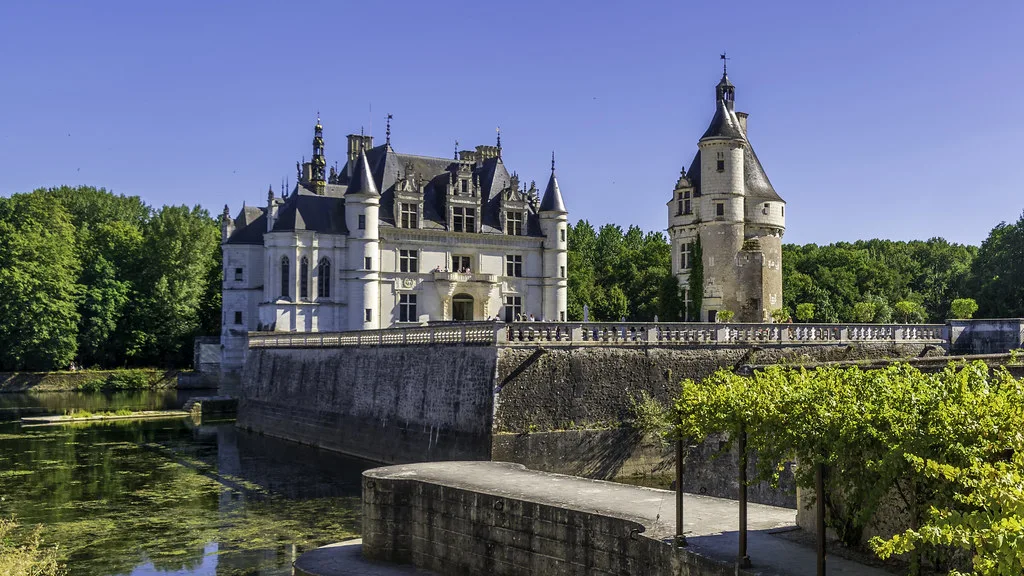
Chenonceau pairs well with other estates, each with a different character. Choose by what you want from the day rather than by distance alone. The Loire Valley tourism office lists regional sites that work as day trips.
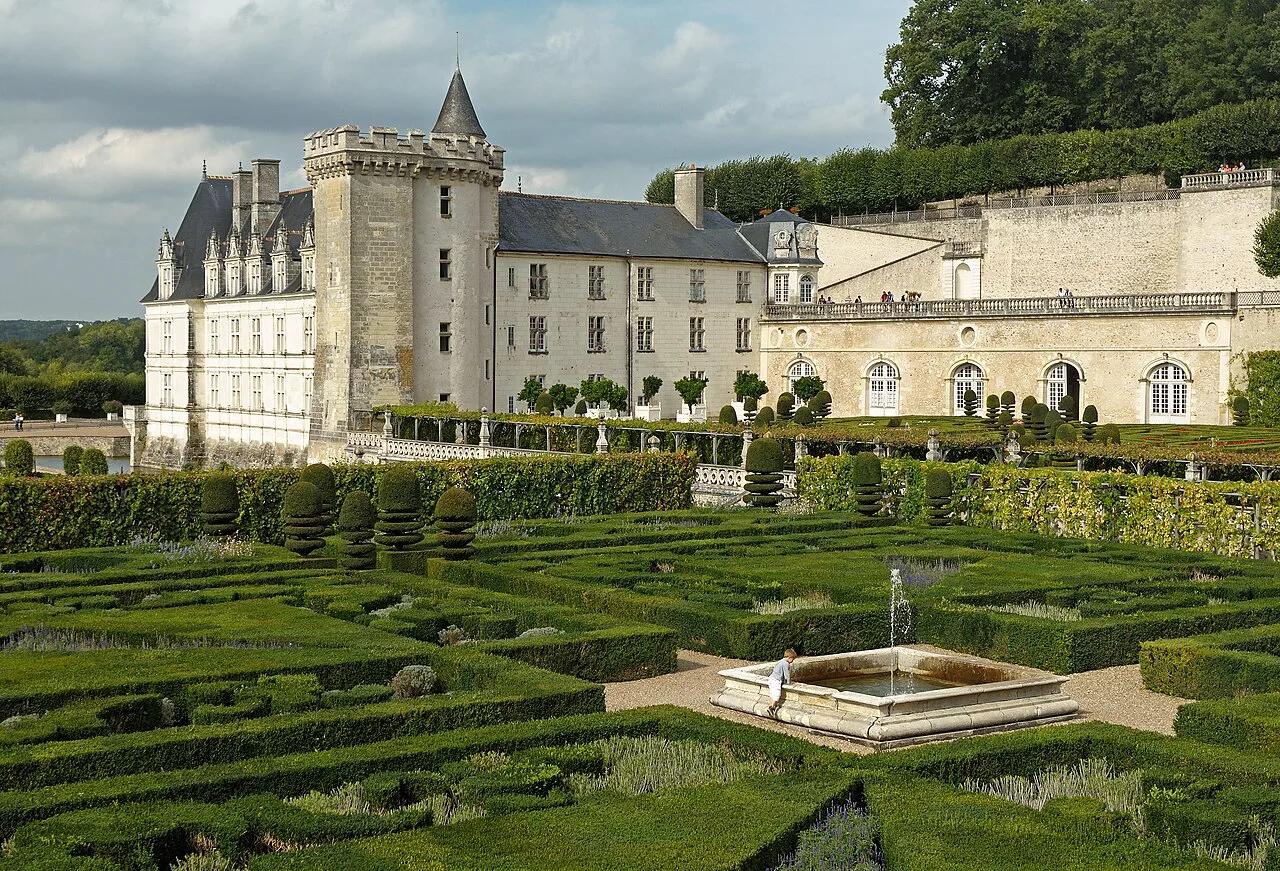
- Formal and edible planting: Villandry is the natural comparison for a garden-focused day.
- Design and festival: Chaumont-sur-Loire's garden festival suits visitors who want contemporary landscape ideas.
- Château interiors: Cheverny combines a lived-in château with its grounds.
- Big open ground: Chambord offers a larger scale than Chenonceau.
- Quieter and different: Rivau is a smaller alternative if you want fewer visitors.
Bloom-season notes
Optional updates when we add or revise garden guides.
Continue reading
Guides on the same trip