Sheffield Park Garden: When to Go & How to Plan a Visit
Plan a visit to Sheffield Park Garden in East Sussex: best season for bluebells and autumn colour, getting there by car or Bluebell Railway, and what to check.
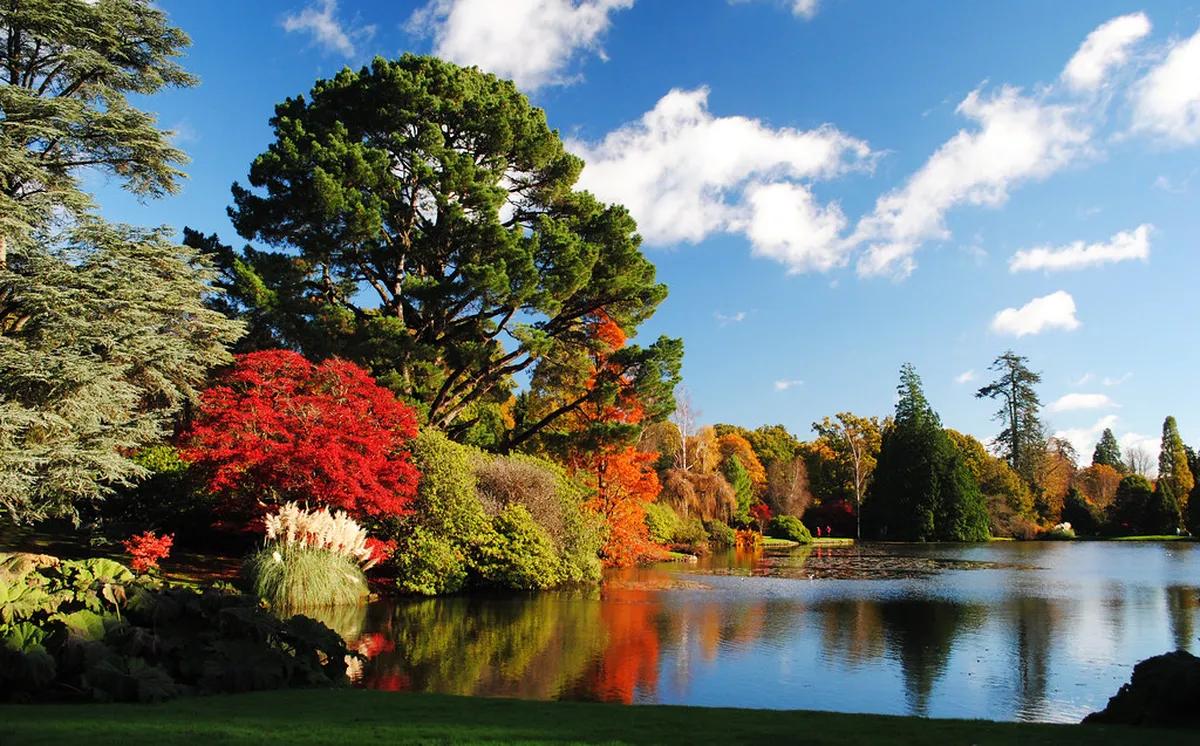
Last updated November 2026: Sheffield Park garden is a National Trust landscape garden in East Sussex, on the edge of Ashdown Forest. It is laid out around four main lakes and is best known for spring bluebells and autumn colour. Use this guide to pick a season, plan the day and compare it with other options in our Kent and Sussex gardens guide.
Featured image: Mark Wordy, CC BY 2.0, via Flickr.
Sheffield Park Garden at a Glance
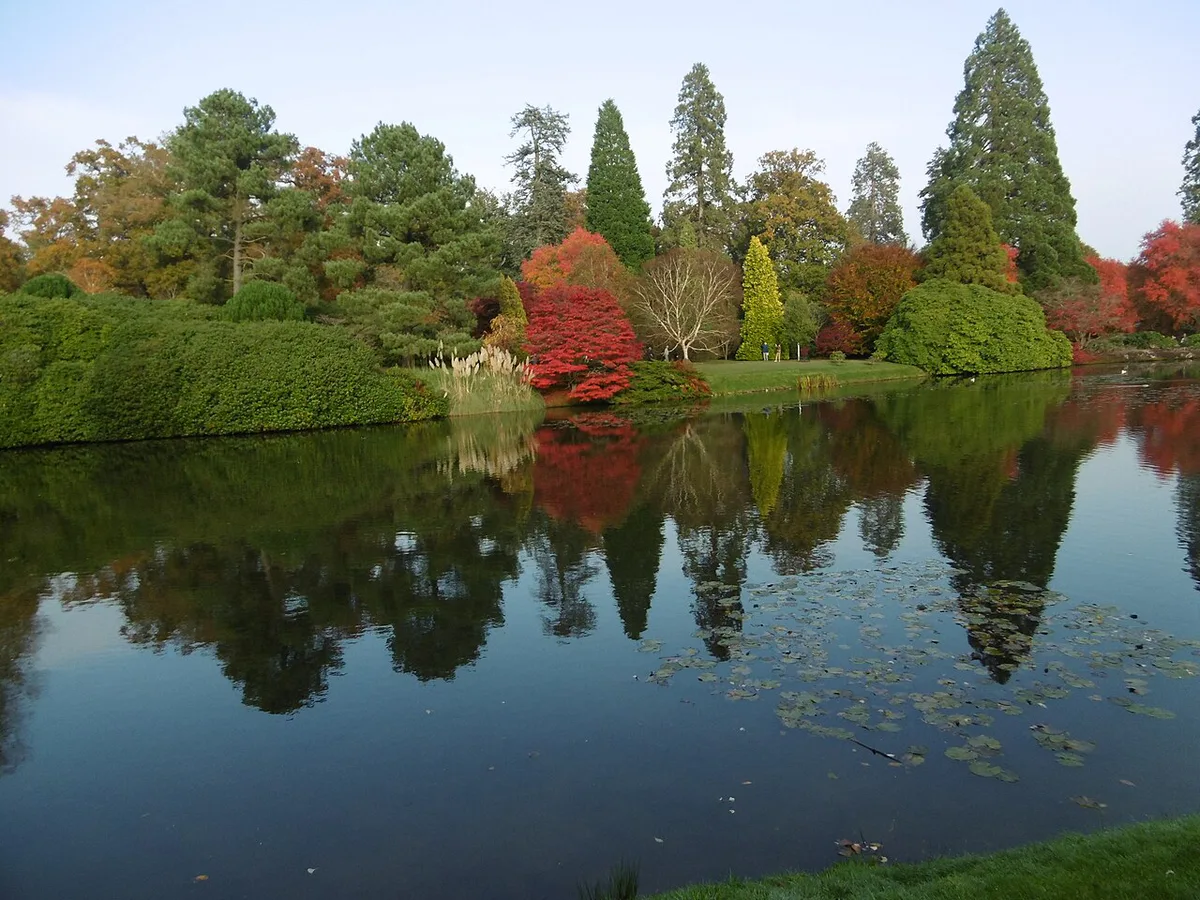
This is the Sussex garden to choose for water, reflections and trees rather than a house or formal borders. The 18th-century landscape was shaped with input attributed to Capability Brown and Humphry Repton. Arthur Soames reworked it in the early twentieth century into a horticultural garden. Its layered planting of trees and shrubs is reflected in four main lakes. The estate also has parkland walks, a tearoom and a children's natural play area. The garden sits next to Sheffield Park station on the Bluebell Railway, so steam-train fans often pair the two. It suits walkers, photographers, families and anyone who wants seasonal colour more than a plant collection with labels.
History of Sheffield Park: Brown, Soames and the National Trust
Knowing who shaped the garden explains why it looks the way it does: a lake-centred landscape from the 1700s, overlaid with the dense, colour-led planting of the twentieth century.
The 18th-century landscape
The estate was reworked in the later 1700s for John Baker Holroyd, later Lord Sheffield. The lakes and parkland come from this period, and the design is attributed to Capability Brown, with Humphry Repton later advising on the grounds. This is the layer that gives the garden its water-led structure of open views, tree-lined banks and linked pools.
Arthur Soames and the horticultural garden
Arthur Soames bought the estate in the early 1900s and spent the following decades planting it. He favoured trees and shrubs chosen for seasonal colour, including the North American maples, tupelos and nyssas that now give the autumn reflections. Most of the planting you see beside the lakes dates from his time, so the garden reads as a Georgian landscape dressed in Edwardian and later plantings.
The National Trust and the railway
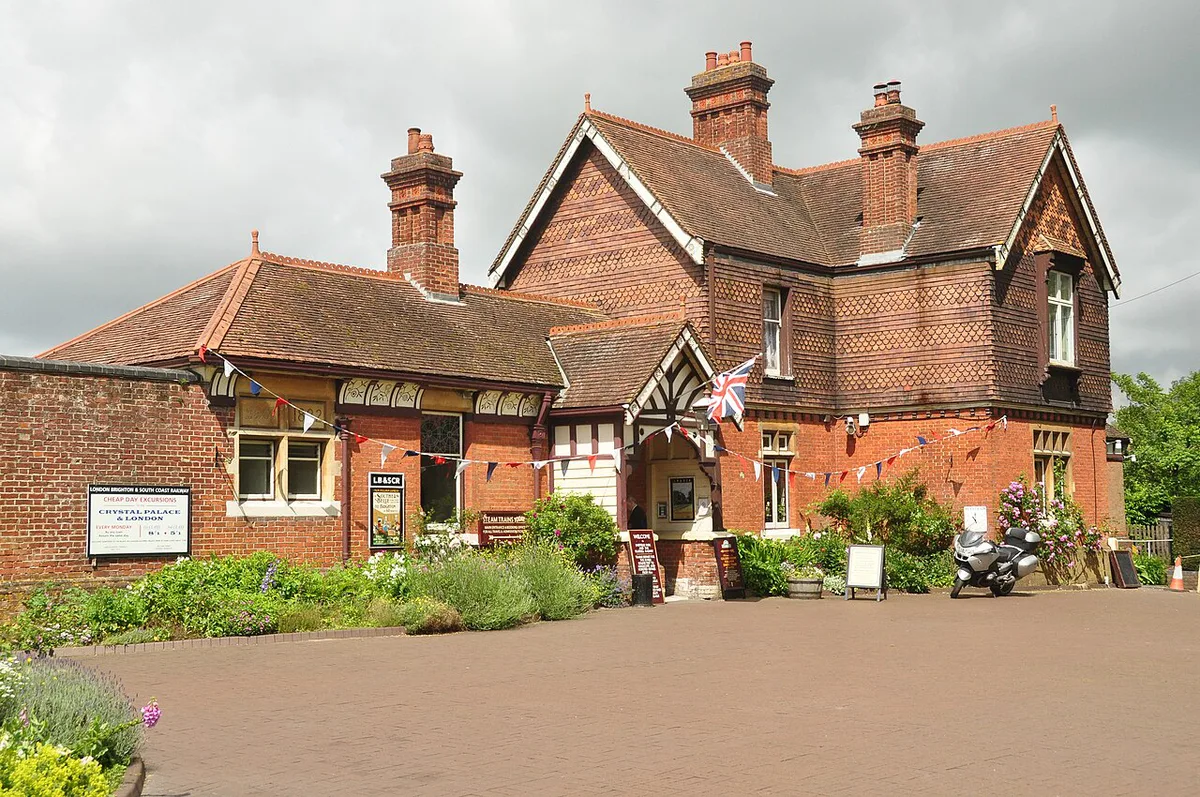
The garden passed to the National Trust in 1954, which still runs and restores it. The neighbouring station is a separate story. It opened in the 1880s on the Lewes to East Grinstead line, closed to regular services in 1958, and reopened in 1960 as the first preserved standard-gauge passenger line in Britain, the Bluebell Railway.
What the history means for your visit
- Lakes first: the water and the sightlines are the oldest part, so walk the lake loop before the side paths.
- Look for the specimens: the strongest autumn colour comes from the 20th-century tree planting, mostly on the lake margins.
- Pair it with the station: the railway is part of the same local story, which is why a combined day suits the site.
For exact restoration work and any current planting changes, the National Trust visit page is the best source, as the garden's displays are adjusted over time.
Best Time to Visit Sheffield Park Garden: Spring, Summer and Autumn
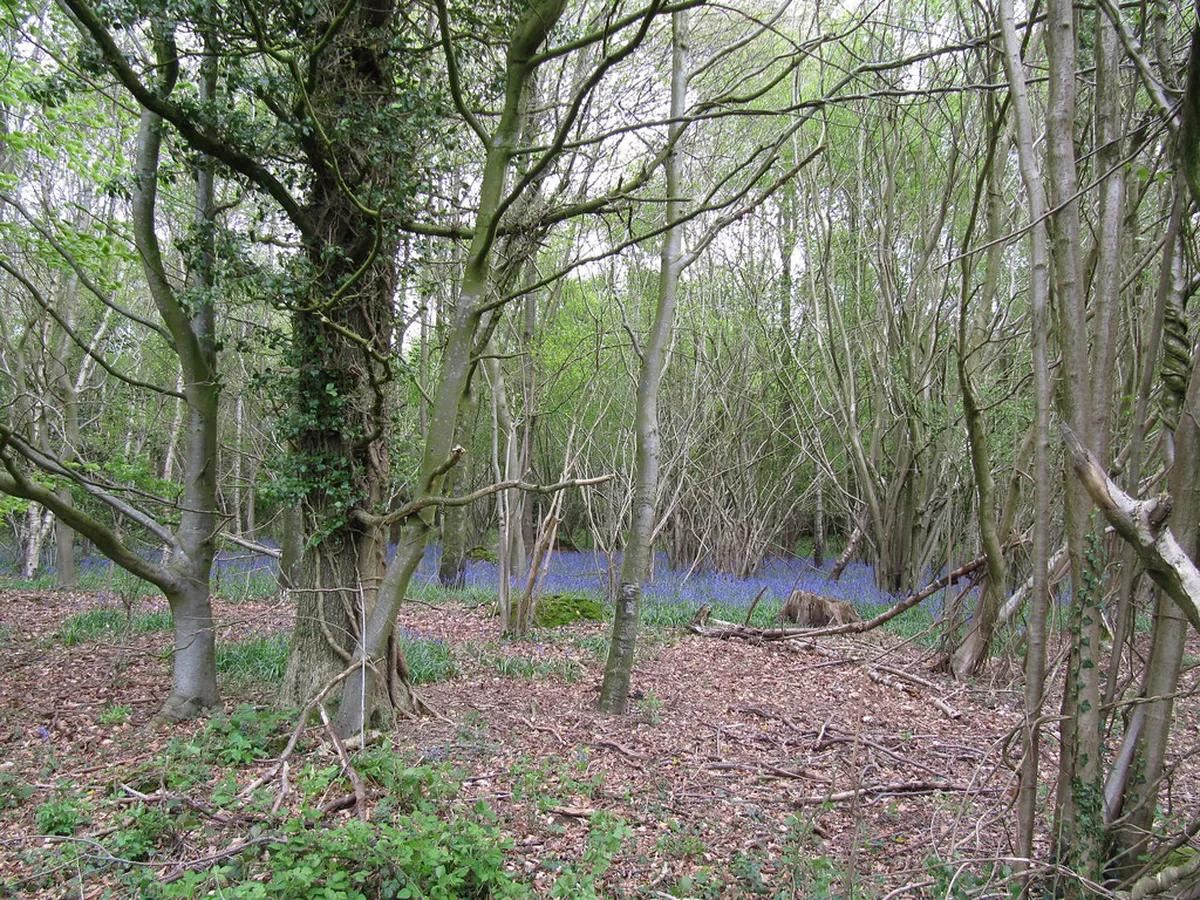
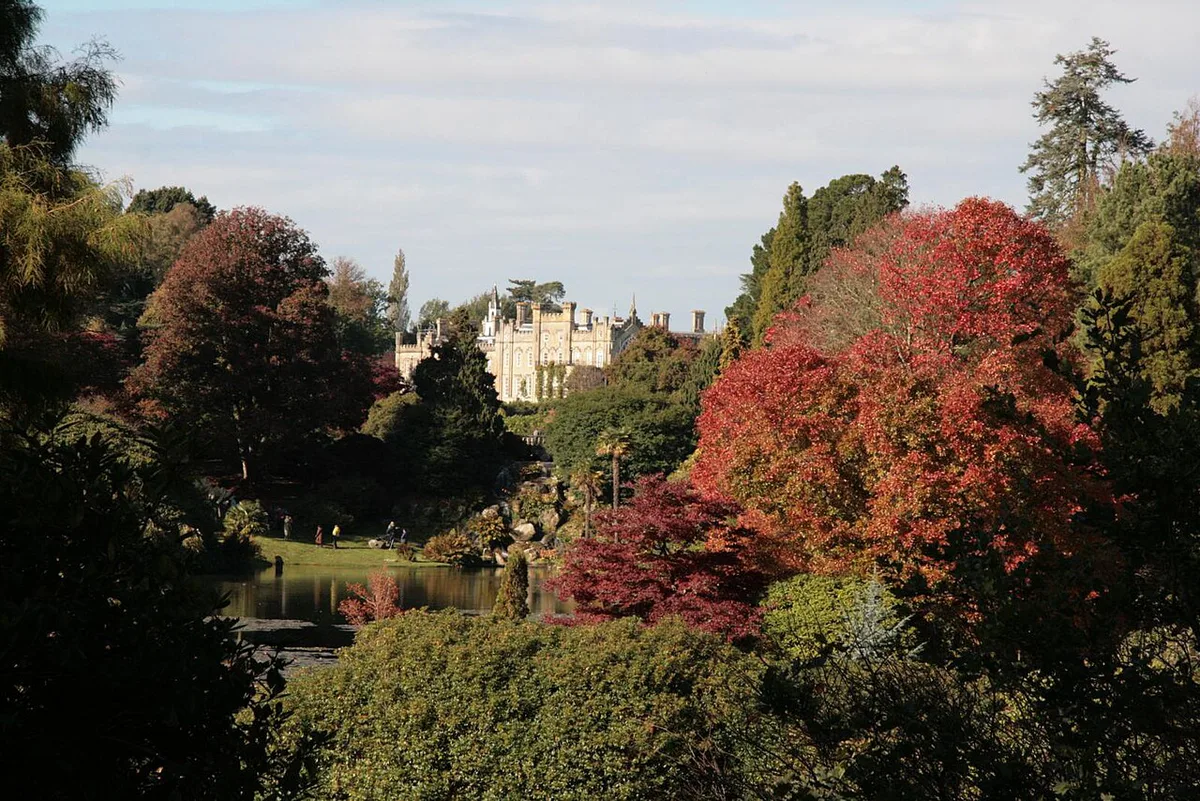
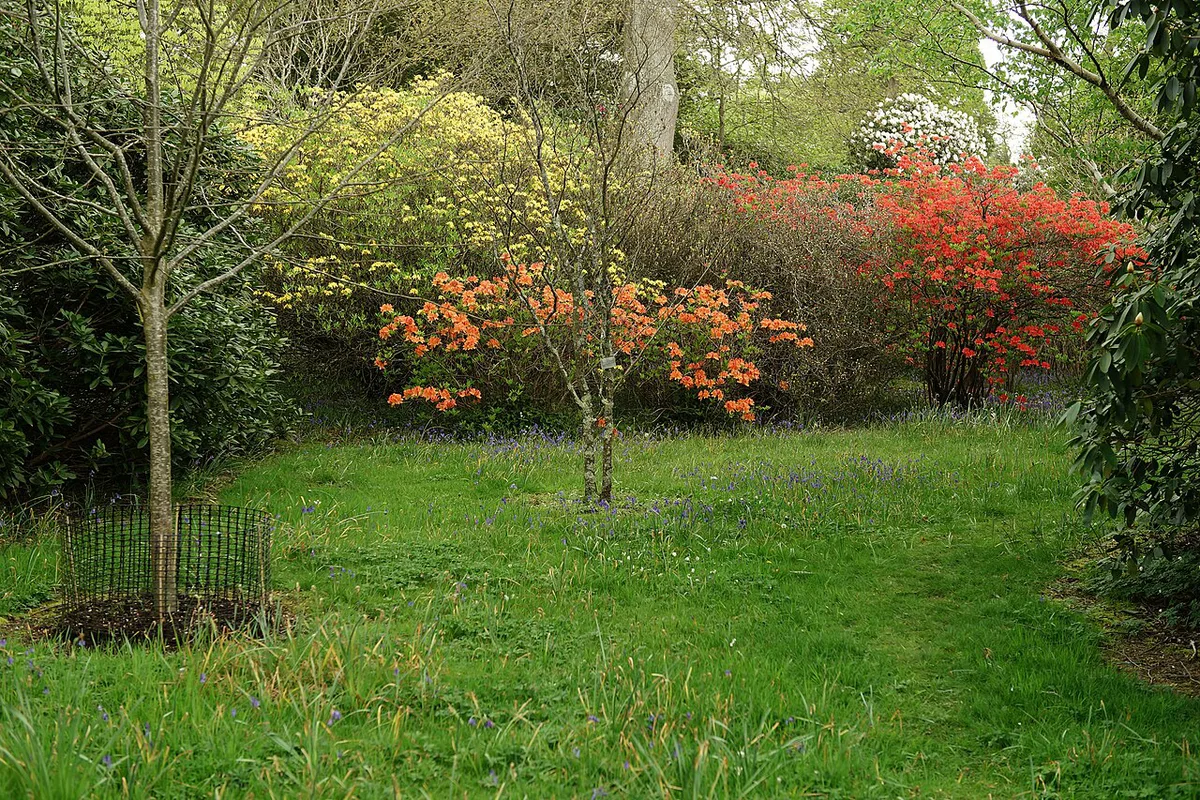
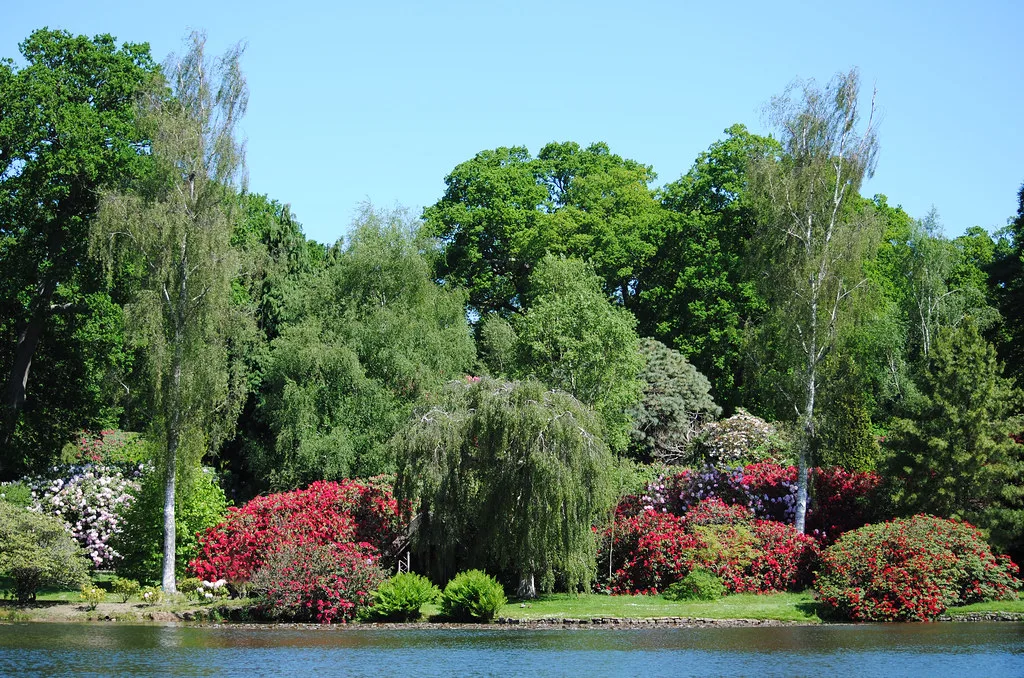
Autumn and spring pull the most visitors. Autumn colour comes from North American maples, tupelos and nyssas, which turn red and gold beside the lakes. Peak colour shifts from year to year, so follow the visitor updates on the National Trust Sheffield Park page rather than relying on a fixed date. Spring brings bluebells, daffodils and rhododendrons. Summer is the quieter option, with waterlilies and shaded green walks.

| Season | What to expect | Who it suits |
|---|---|---|
| Spring | Bluebells, daffodils and rhododendrons around the lakes | Flower seekers and photographers |
| Summer | Waterlilies, green walks and parkland, with a calmer feel | Families and relaxed strollers |
| Autumn | Red and gold maples, tupelos and nyssas reflected in the water | Colour chasers and lake-side walkers |
- Skip a visit in the depths of winter if colour is the goal, as the main planting shows little then.
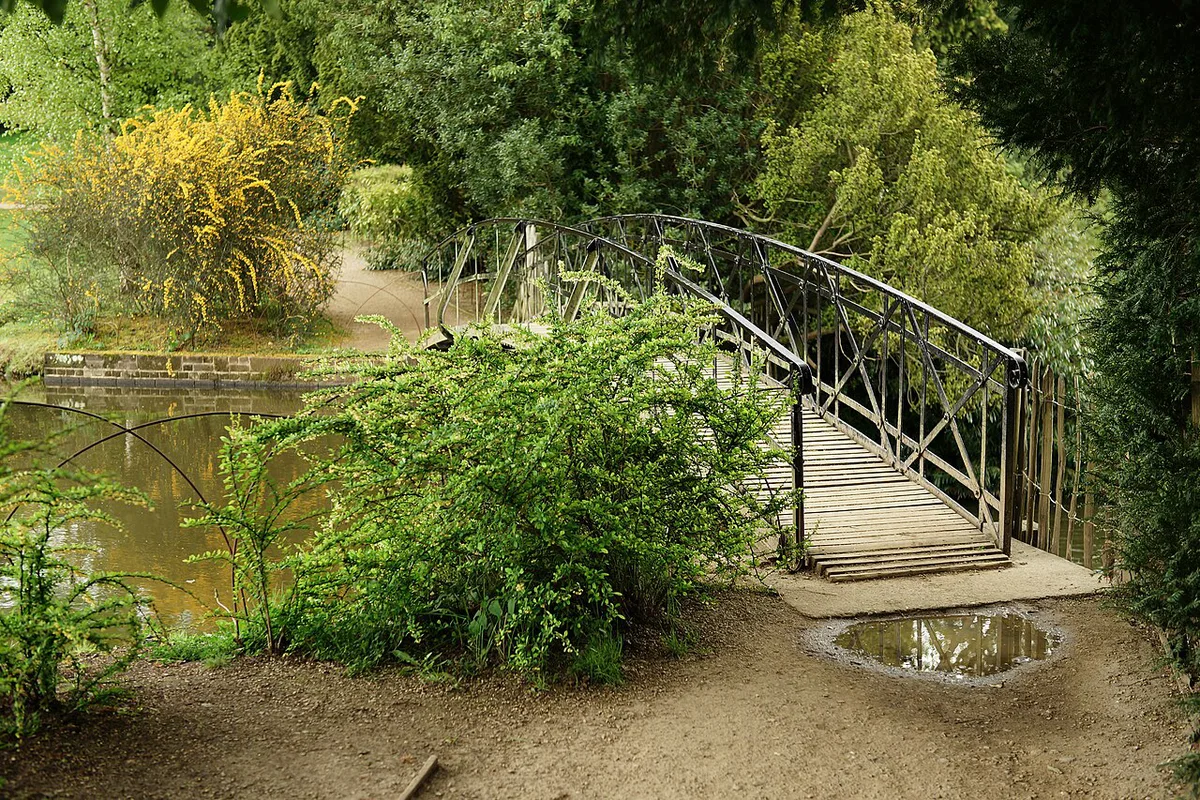
- Skip wet days if you only have smart shoes, because lake-side paths can be muddy.
What to See and Do in the Garden
Start with the lakes, which are the spine of the whole design. Paths loop between the four main bodies of water and give changing views across to layered trees and shrubs. Reflections are strongest on still days. Beyond the formal garden, the estate has parkland walks for a longer loop. The tearoom is the obvious stop for a break. Children can burn off energy in the natural play area.
How Long to Spend: Garden Only or Garden Plus Railway
Our recommendation is a relaxed half day for the garden alone. Add the parkland walks and a tearoom stop and it fills most of a day. The Bluebell Railway adds a second half to the plan. One listing gives a ride of roughly 40 minutes each way, but check the route and stations on the Bluebell Railway timetable before you plan around it. The railway does not run every day, so it sets the shape of the schedule.
- Garden-first day: arrive early, walk the lakes, have lunch at the tearoom, then ride the train in the afternoon if it is running.
- Train-first day: ride from the station beside the garden, then walk the lakes with whatever daylight remains.
- Short stop: lakes only, if you are fitting the visit around another Sussex garden.
Tickets, Opening Hours and Membership
Sheffield Park is run by the National Trust, so members can usually enter on their card. Prices, opening times and any booking rules for busy autumn weekends are published on the official visit page. Check it for the date you plan to go.
How to Get to Sheffield Park
Most visitors drive, since the garden is in the countryside near Uckfield and Ashdown Forest. The Bluebell Railway is the one public-transport link named for the site, because Sheffield Park station adjoins the garden. A car-free day therefore works best as a rail trip on a running day. Plan any bus or mainline connection to the railway on National Rail or Traveline, and leave margin for the last train home. Without a car, the estate's wider walks beyond the garden will be harder to reach.
Practical Tips and Mistakes to Avoid
Most problems come from timing and footwear. Autumn weekends are the busiest, so check entry and booking rules first. Water-side paths and parkland can be muddy after rain.
- Wear waterproof walking shoes or boots, not smooth-soled shoes.
- Do not assume the Bluebell Railway runs daily.
- Do not underestimate the lake loop, particularly if you add parkland.
- Check the National Trust page for dog rules and accessibility before you set out.
Sheffield Park vs Other Kent and Sussex Gardens
Choose by what you want from the day. Sheffield Park wins on lakes and tree colour. For plant collections, Nymans is a National Trust alternative in Sussex. Wakehurst suits a botanical focus. Borde Hill Garden: Visit Guide for West Sussex is another plant-led option. For a house-and-garden day, look at Great Dixter Visitor Guide: Seasons, Tickets and Getting There. Over in Kent, Sissinghurst and Hever Castle offer a different, castle-led style, so treat them as separate trips.
| Garden | Main draw | Choose it if |
|---|---|---|
| Sheffield Park | Four lakes, autumn colour, bluebells | You want water and trees |
| Nymans | Plant-focused National Trust garden | You want planting and borders |
| Great Dixter | House and garden together | You want a house element |
| Hever Castle | Castle with gardens, in Kent | You want a castle day out |
Frequently Asked Questions
Is Sheffield Park worth visiting?
Yes, if you like lakes, tree colour and walking. Autumn and spring are the strongest seasons. Pick another garden if you want a house or detailed plant collections.
Can you take a dog to Sheffield Park?
Dog rules can vary by area and season. Read the dog section on the National Trust visit page before you travel.
Bloom-season notes
Optional updates when we add or revise garden guides.
Continue reading
Guides on the same trip