Great Dixter Visitor Guide: Seasons, Tickets and Getting There
Plan a visit to Great Dixter in East Sussex: Christopher Lloyd's garden, when to go, tickets, getting there and which nearby gardens to pair it with.
Last updated November 2026. Great Dixter is a Lutyens-restored house and exuberant garden at Northiam, near Rye in East Sussex, shaped by the garden writer Christopher Lloyd. Lloyd wrote a weekly Country Life column for 42 years, and this great dixter guide covers when to go, how to arrive and what to see. For the wider region, start with our Kent and Sussex gardens overview.
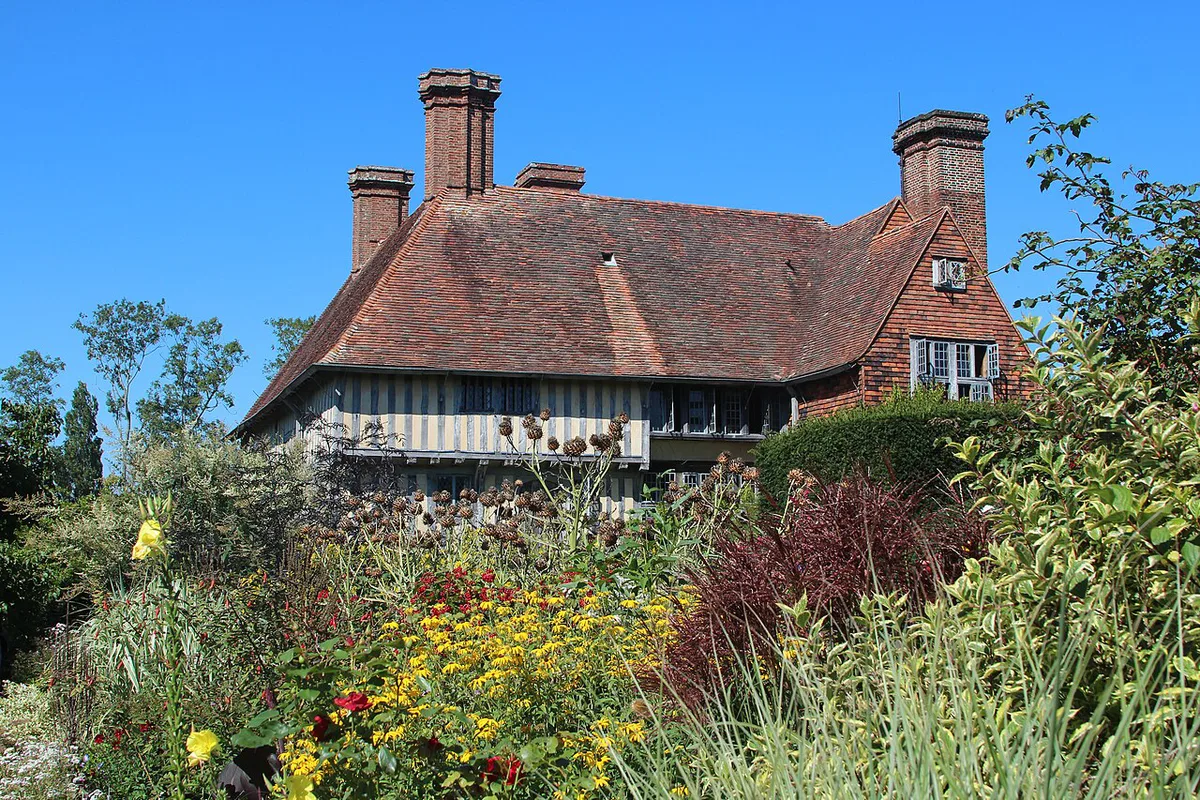
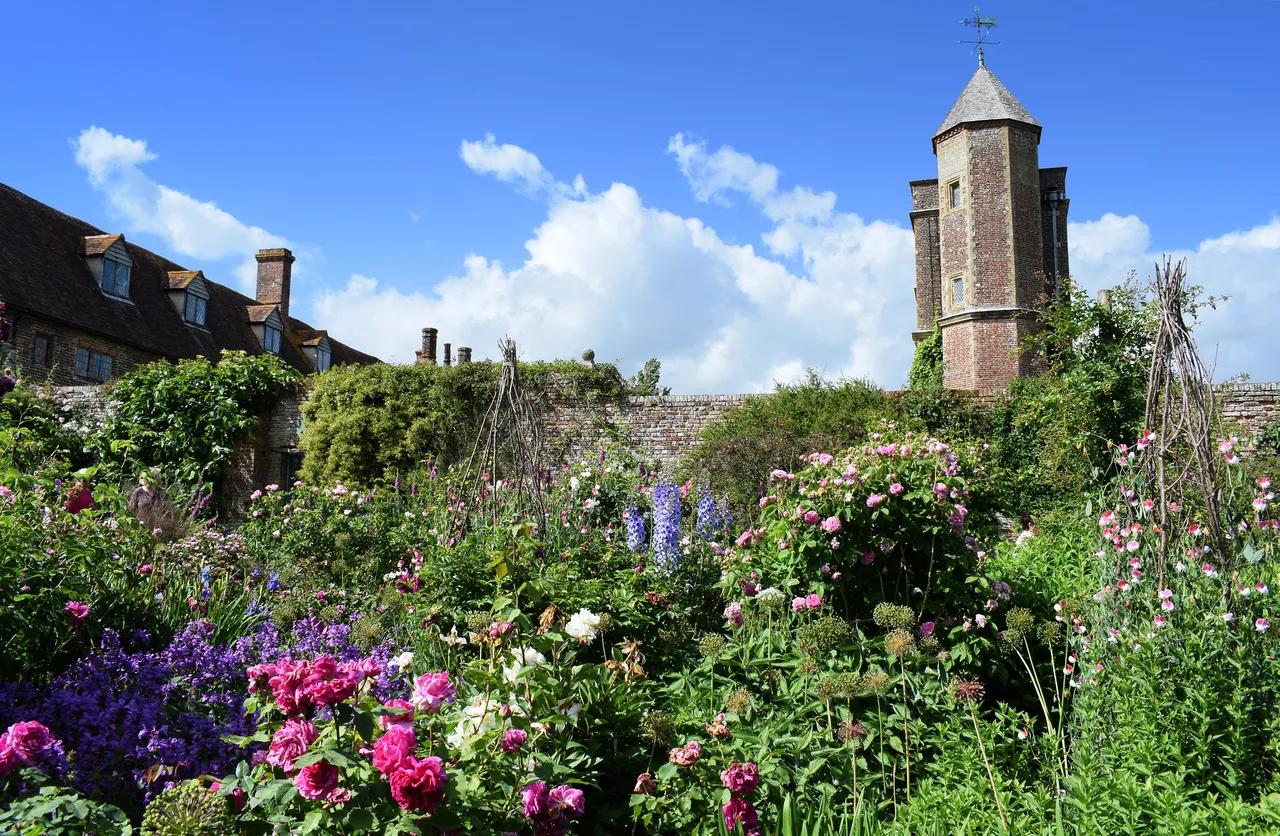
Featured image: andymag, CC BY 2.0, via Flickr.
What Great Dixter Is (and Who Will Love It)
Great Dixter is a house and garden run by the Great Dixter Charitable Trust. Christopher Lloyd lived here and became one of Britain's best-known garden designers and authors. His garden favours layered, exuberant planting over tidy lawns. A topiary garden frames views back to the house, and a plant nursery sits alongside the garden. It suits plant-minded visitors, photographers and anyone who prefers a working garden to a formal showpiece. Current visitor details are on the official Great Dixter site.
The History of Great Dixter: Nathaniel Lloyd to Christopher
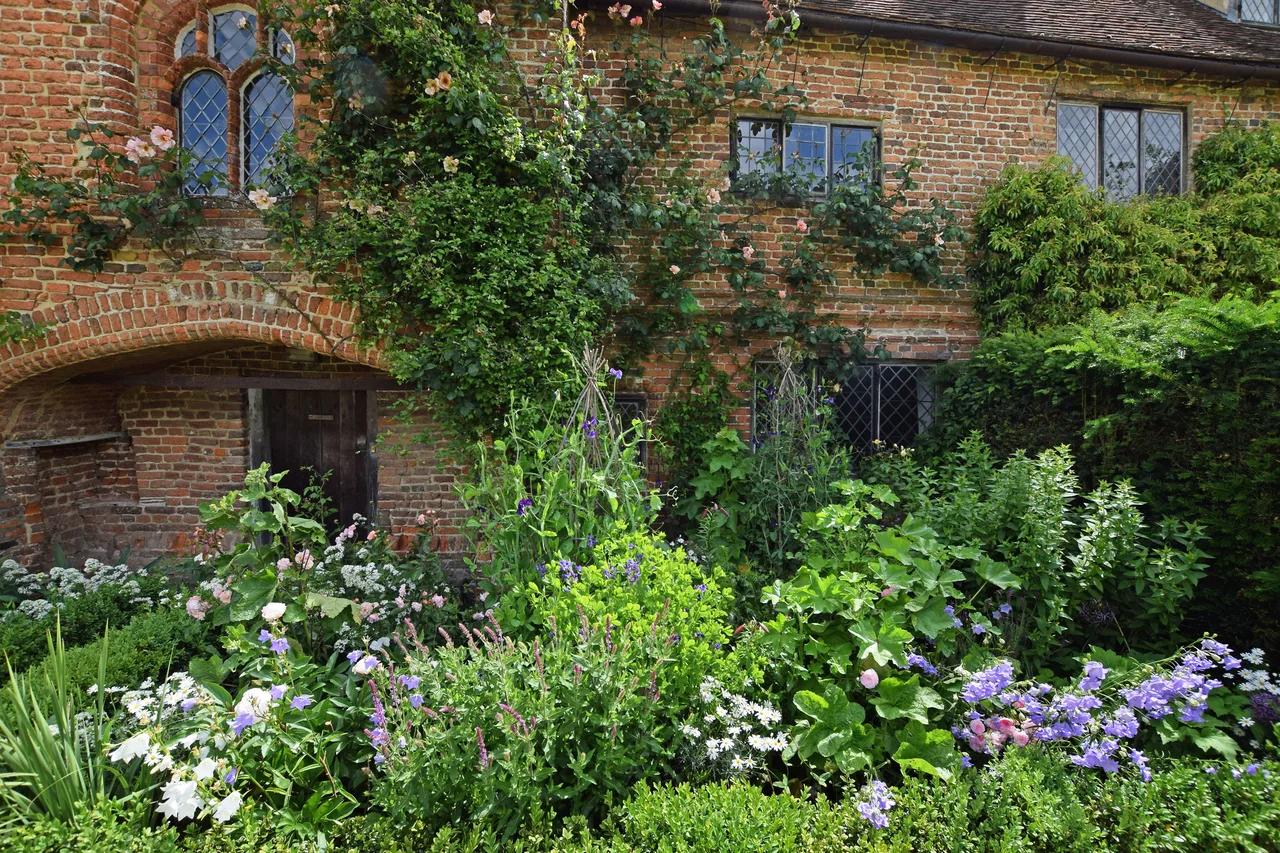
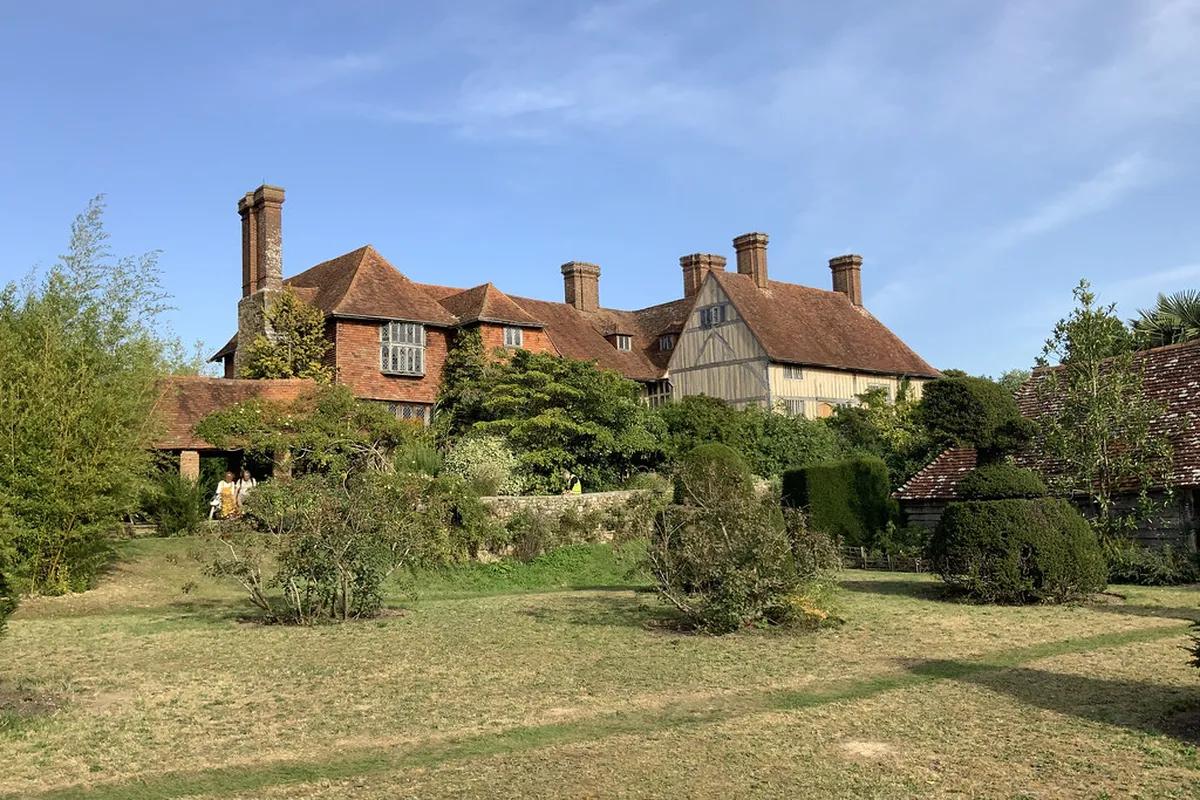
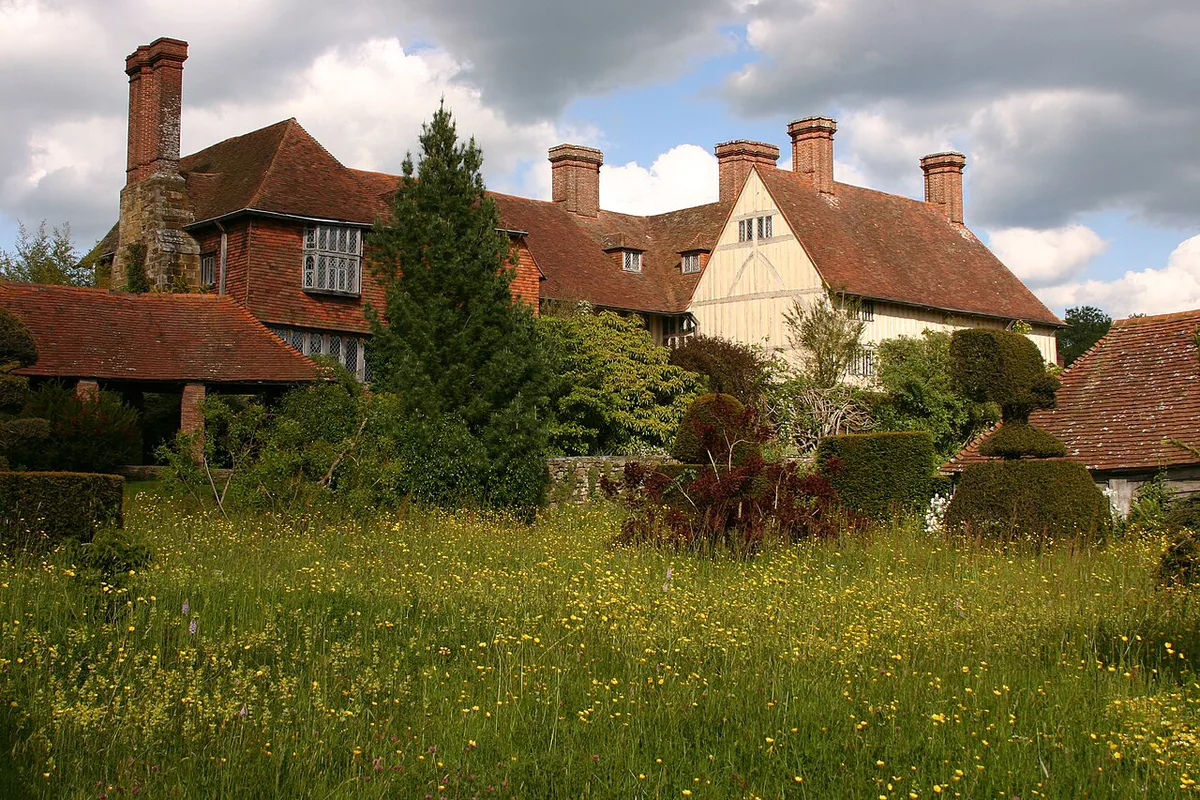
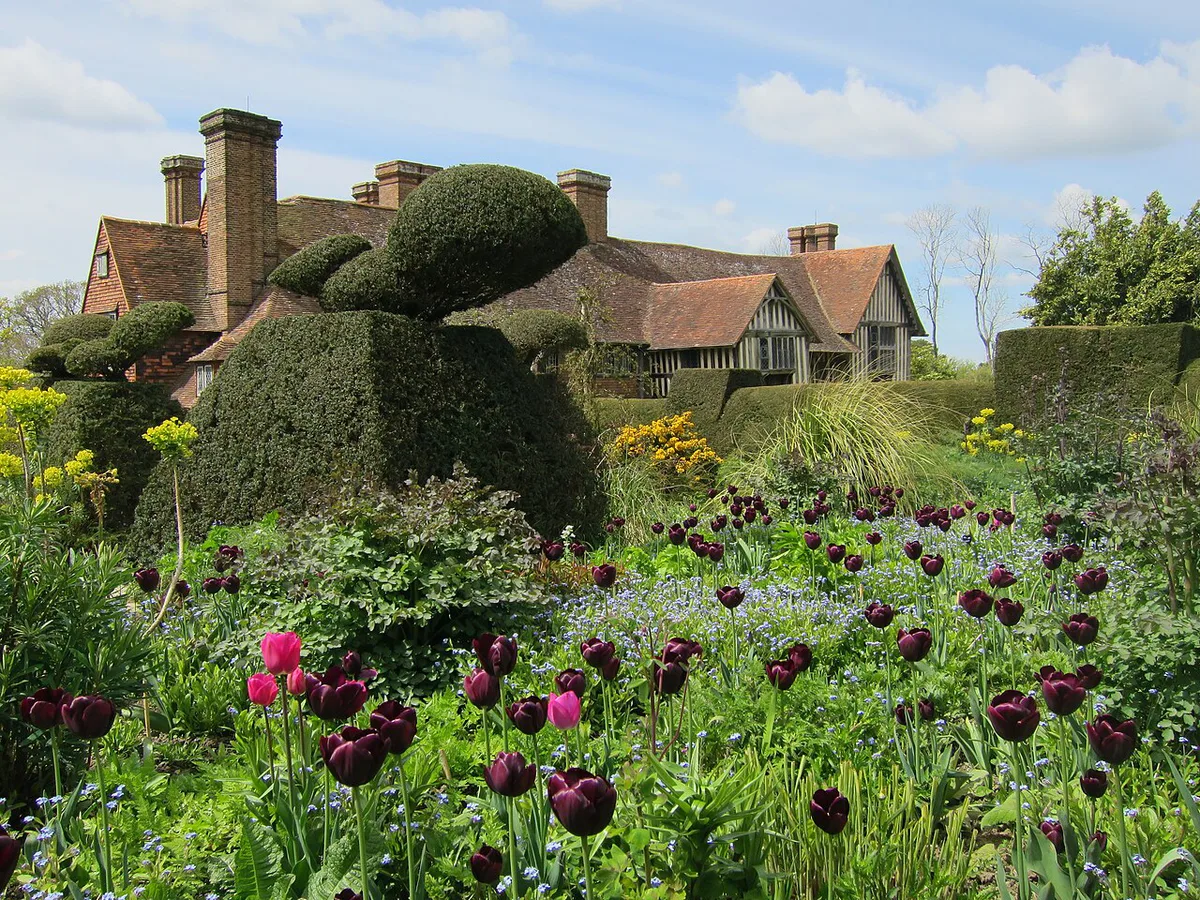
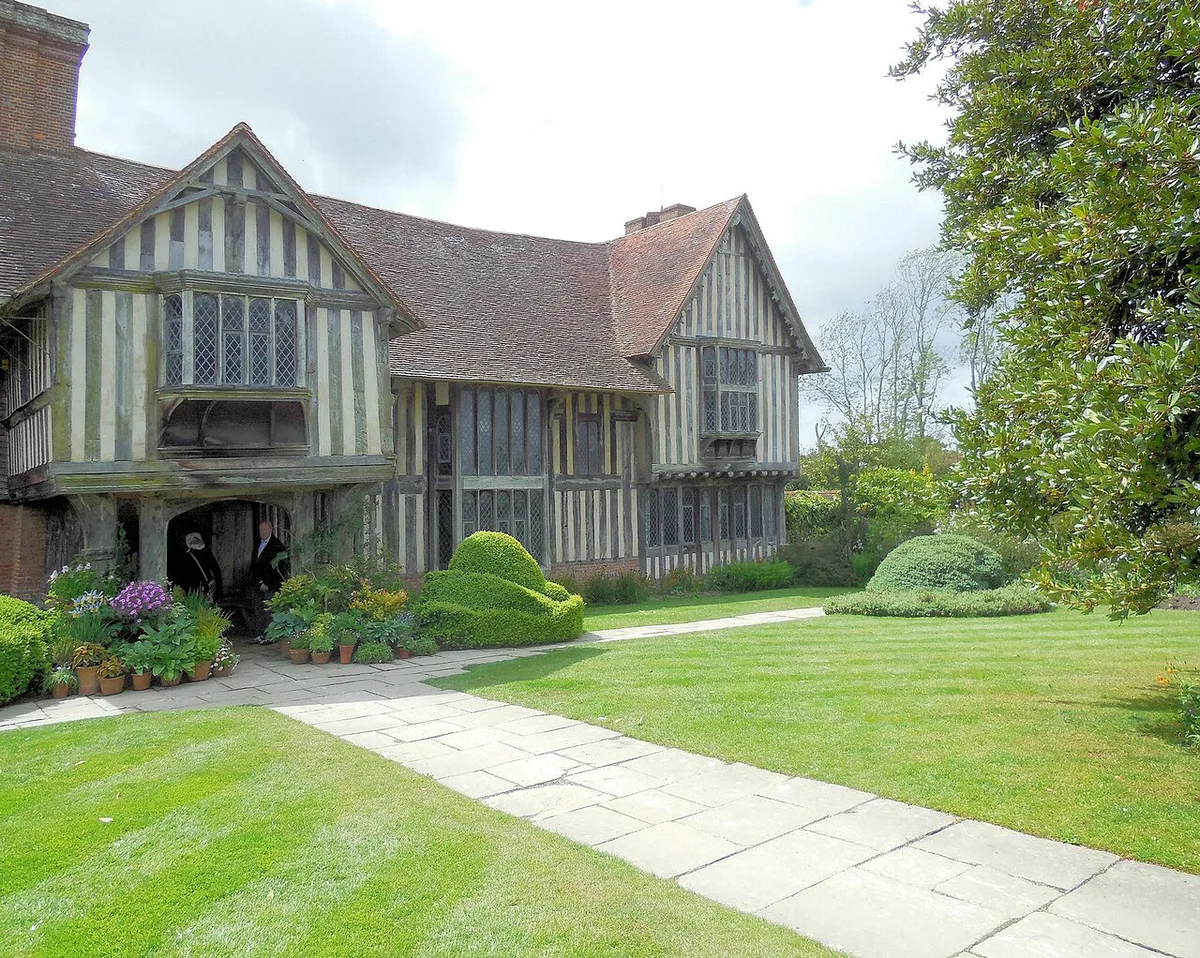
The house is older than its garden's fame. The core is a timber-framed hall house from the mid-15th century. Nathaniel Lloyd, Christopher's father, bought it in 1910 and brought in the architect Edwin Lutyens to restore it and add to it. The result is the house you see today: medieval fabric joined to Arts and Crafts additions. Nathaniel also laid out the first garden structure, including the clipped yew topiary and the formal compartments around the house.
Christopher Lloyd was born at Great Dixter in 1921 and returned to live here after his training. Over the following decades he turned his father's tidy framework into the loose, colour-rich planting the garden is known for. He died in 2006. The Great Dixter Charitable Trust now runs the property, and Fergus Garrett, who worked alongside Lloyd for many years, leads the gardening team.
This history explains what you are looking at:
- The structure is Nathaniel's. Hedges, topiary and the arrangement of rooms around the house give the garden its order.
- The planting is Christopher's. Dense, layered beds spill over the paths and push against the formal lines.
- The experiments continue. The team still tries new combinations rather than preserving a fixed scheme, so no two visits look quite the same.
When to Visit Great Dixter
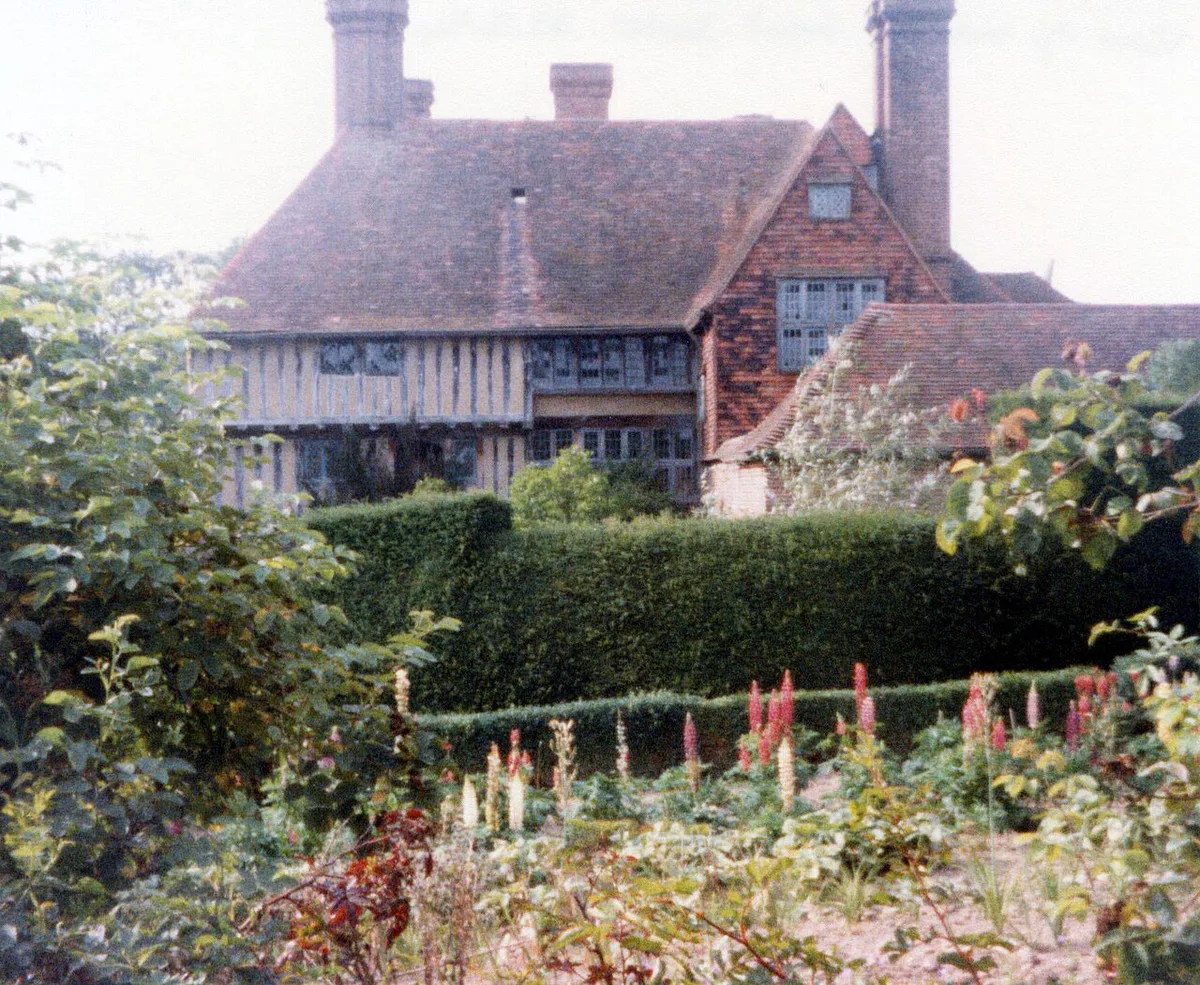
Great Dixter does not open year-round on a fixed pattern, so check the trust's current season before you plan travel. The Long Border is the planting centrepiece, and a visit when it is in full growth gives the fullest picture of Lloyd's approach. Late-season visits also reward the effort. A photograph taken in the topiary garden on 22 October 2022 shows the house and clipped shapes in autumn light. Turning up outside the opening season is the costliest mistake, because a rural trip leaves no easy plan B.
- Spring: expect the garden to be waking up, with the house and topiary as the steady frame.
- Summer: the Long Border and mixed planting are the main draw.
- Autumn: topiary, structure and late-season colour carry the visit.
- Winter: confirm opening dates first, since the garden may be closed.
Tickets, Opening Times and How Long to Allow
Prices, opening dates and booking rules are set by the trust and can change. Check the official visit page for the current ticket options and whether advance booking applies.
How to Get to Great Dixter
Northiam is a rural village, so a car is likely the easiest way to arrive. Public transport takes planning, so check the official visit page for current travel and parking guidance.
What to See and Do on the Day
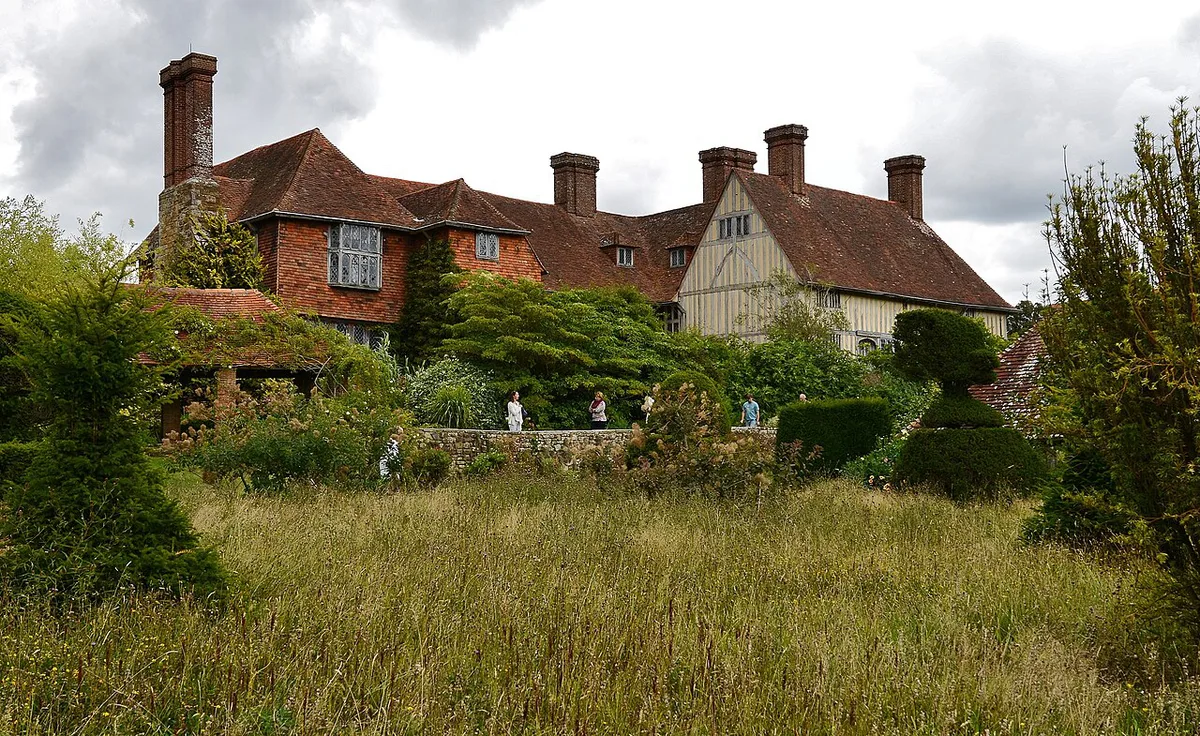
Start with the house, then work outward through the garden. Allow extra time for the nursery if you want to buy plants.
- Topiary garden: clipped shapes that frame the house from the garden side.
- Long Border: the planting centrepiece, and the best place to see Lloyd's style.
- House: the Lutyens-restored home where Lloyd lived and worked.
- Nursery: ask the trust how plant buying works on your visit day.
- Café: check the official site for current catering and opening arrangements.
Garden Areas Worth Finding: Exotic Garden, Peacock Garden and Meadows
Great Dixter is laid out as a series of connected garden rooms rather than one sweep of lawn, so a map from the ticket desk helps. Beyond the Long Border and topiary, look for these areas:
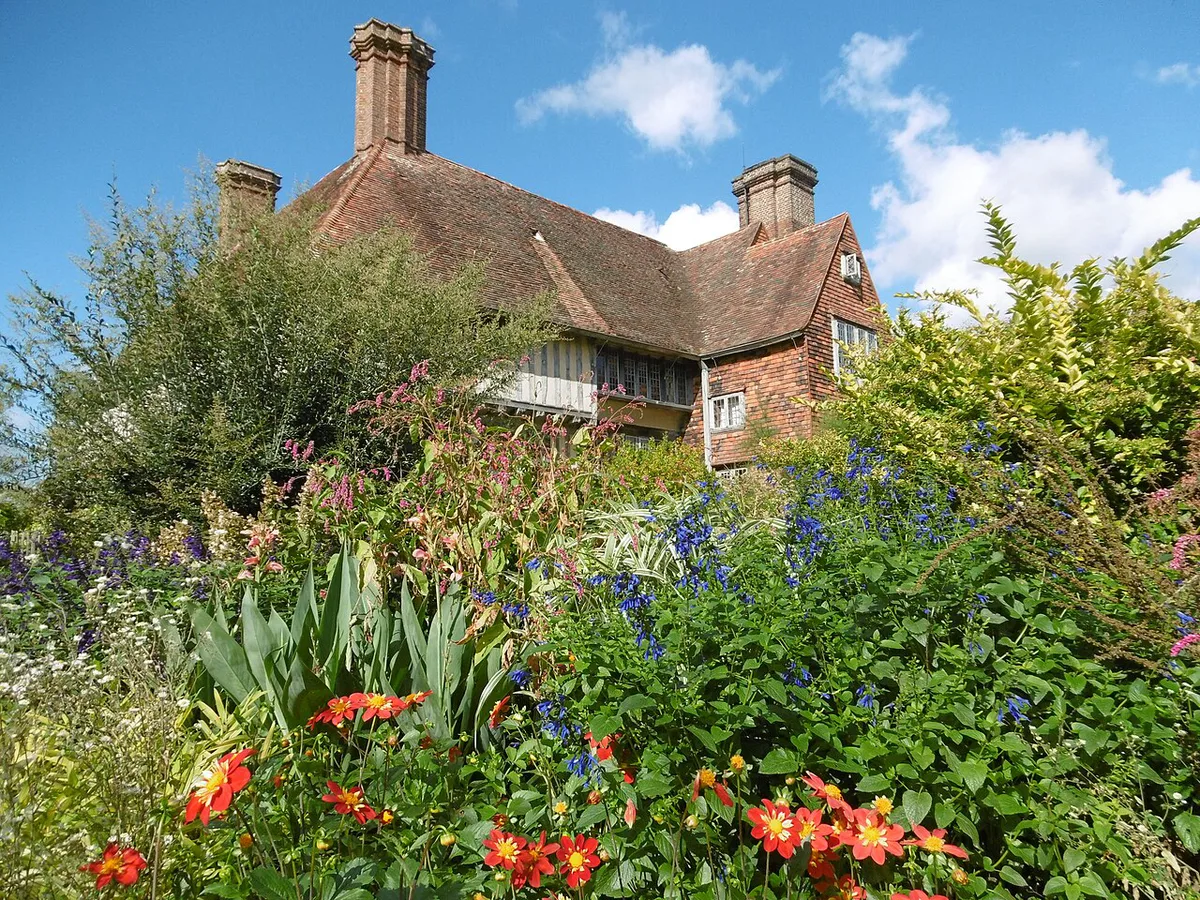
- Exotic Garden. Christopher Lloyd replaced a formal rose garden here in the 1990s with bold foliage plants: banana, canna, dahlia and tender perennials. It peaks in late summer and early autumn, and it is the area that best shows how far he moved from convention.
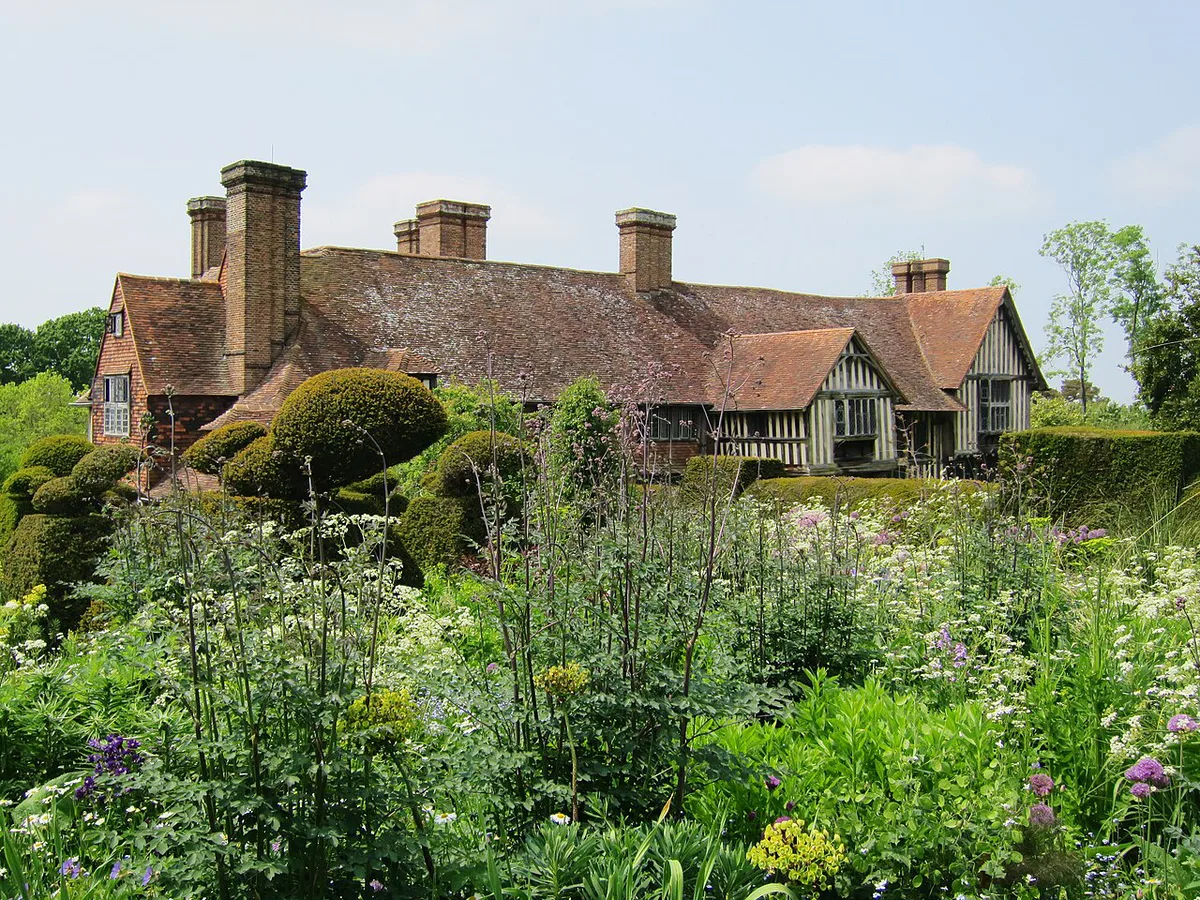
- Peacock Garden. Clipped yew shapes, a nod to Nathaniel Lloyd's original topiary, set among mixed planting near the house.
- Sunk Garden. A formal pool garden enclosed by walls, which gives a quiet contrast to the busier borders.
- Orchard and meadows. Spring bulbs and wildflowers grow in long grass around the fruit trees. The mown paths through them are a good way to see the garden from its edges.
- Walled areas and the High Garden. Smaller enclosures where Lloyd tried plant combinations at close range.
Which areas look their best depends on the month, and the trust may redesign beds between seasons. If you plan to buy plants, finish with the nursery so you are not carrying pots around the garden.
Great Dixter vs Other Kent and Sussex Gardens
Great Dixter is a plantsman's garden, not a grand estate. Choose a different garden if your priorities differ. Compare the options below against the opening seasons on each official site.
- Choose Great Dixter if you want a single-minded garden shaped by one gardener-writer.
- Choose Sissinghurst Castle Garden: Visitor Guide & Tips for a famous Kent garden, with details on the National Trust page.
- Choose Hever Castle Gardens: Visit Guide and Timing if you want a castle-with-garden day.
- Choose Leeds Castle Gardens: What to See and When to Go for a larger estate visit.
- Choose Pashley Manor Gardens: Visiting Guide and Seasons for another Sussex garden near the same area.
- Choose Sheffield Park Garden: When to Go & How to Plan a Visit or Nymans for larger Sussex landscapes.
Pairing Great Dixter With a Wider Trip
Rye is the nearest town named in the garden's address, so it makes the natural base for a day out. Pair Great Dixter with a second garden rather than a third, since each rewards a slow visit. Scotney Castle, Kent: What's Open and How to Visit and Borde Hill Garden: Visit Guide for West Sussex are useful follow-ups.
- Mistake to avoid: arriving outside the opening season.
- Mistake to avoid: assuming public transport is easy in rural Northiam.
- Mistake to avoid: skipping advance booking if the trust requires it.
- Mistake to avoid: leaving too little time for the nursery.
Frequently Asked Questions
Who designed Great Dixter?
Great Dixter is a Lutyens-restored house. Christopher Lloyd shaped the garden and made it known for exuberant planting.
How long to spend at Great Dixter?
Allow enough time for the house, the borders, the topiary garden and the nursery. Visit length depends on your interest in plants.
Does Great Dixter have a cafe?
Catering arrangements can change by season.
Is Great Dixter open all year?
Opening dates are set by the trust and may not cover every month.
Bloom-season notes
Optional updates when we add or revise garden guides.
Continue reading
Guides on the same trip