Hidcote Manor Garden: Visitor Guide and Planning Tips
Planning Hidcote Manor Garden in the Cotswolds? Get the layout, best season, time needed, transport and how to pair it with Kiftsgate Court.
Last updated November 2026: Hidcote is the National Trust's Arts and Crafts garden at Hidcote Bartrim, near Chipping Campden in the north Cotswolds. Lawrence Johnston began it in 1907 as a chain of hedged garden rooms, and it is now Grade I registered. Treat it as a single garden rather than a town, and use this guide to decide when to go, how long to stay and how to arrive.
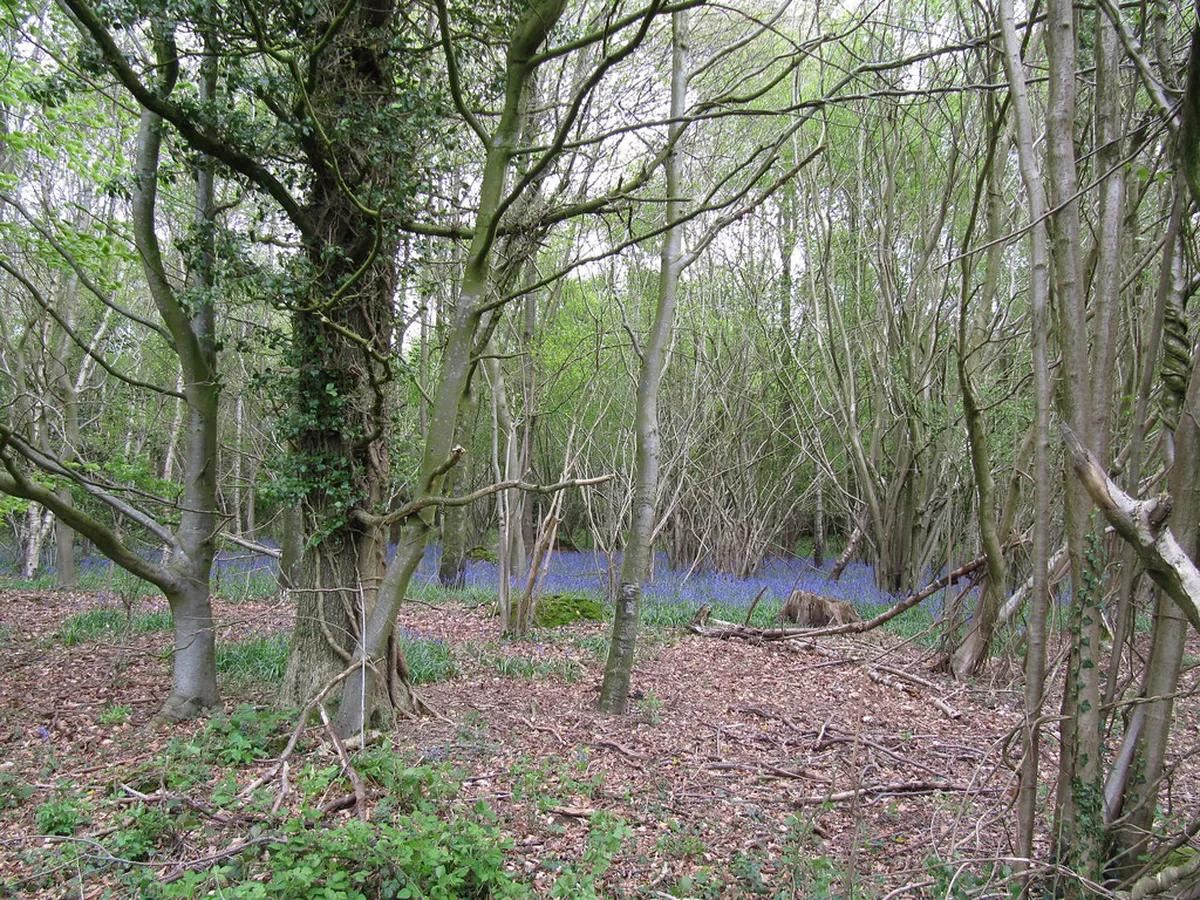
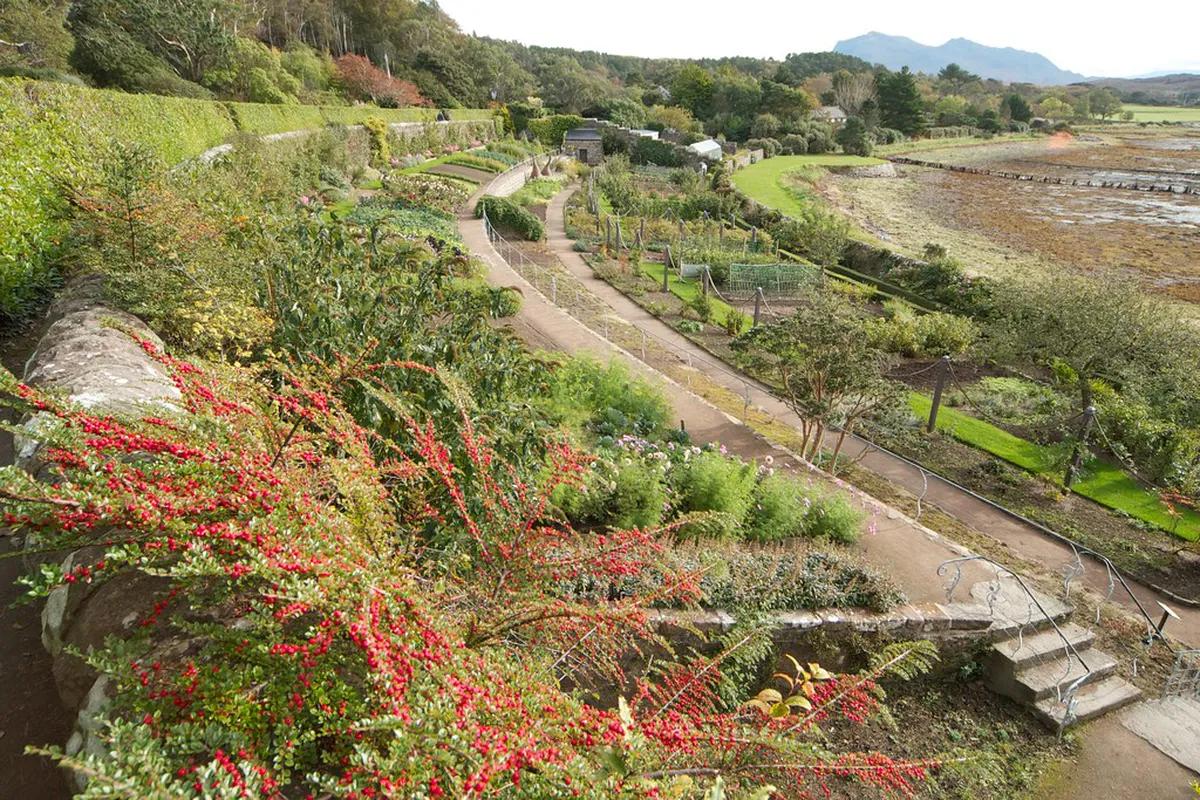
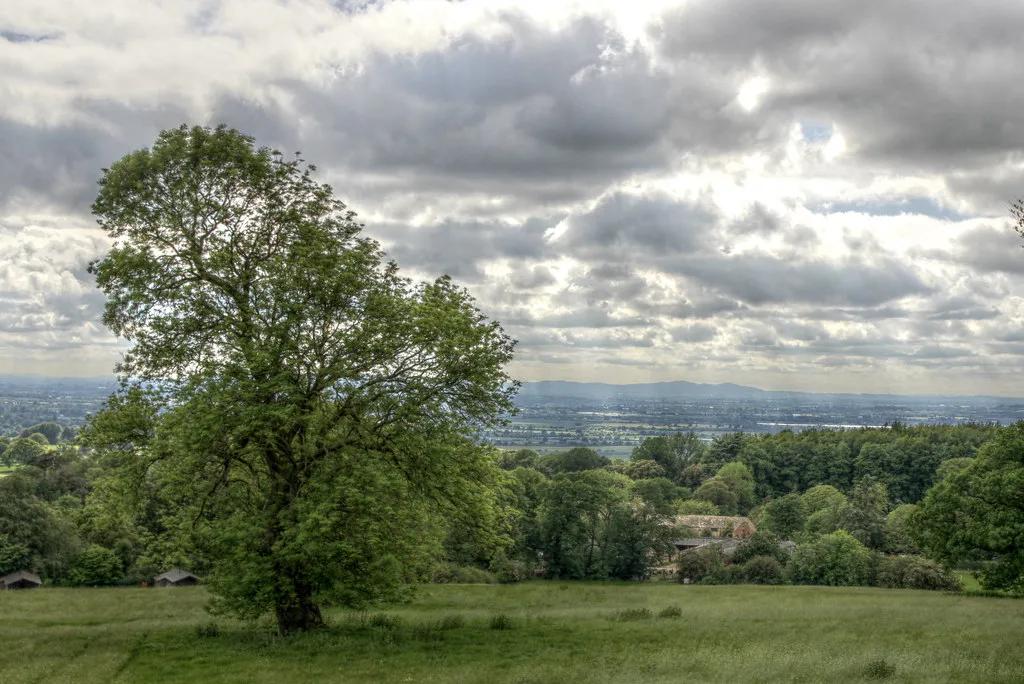
Featured image: muffinn, CC BY 2.0, via Flickr.
Hidcote at a glance
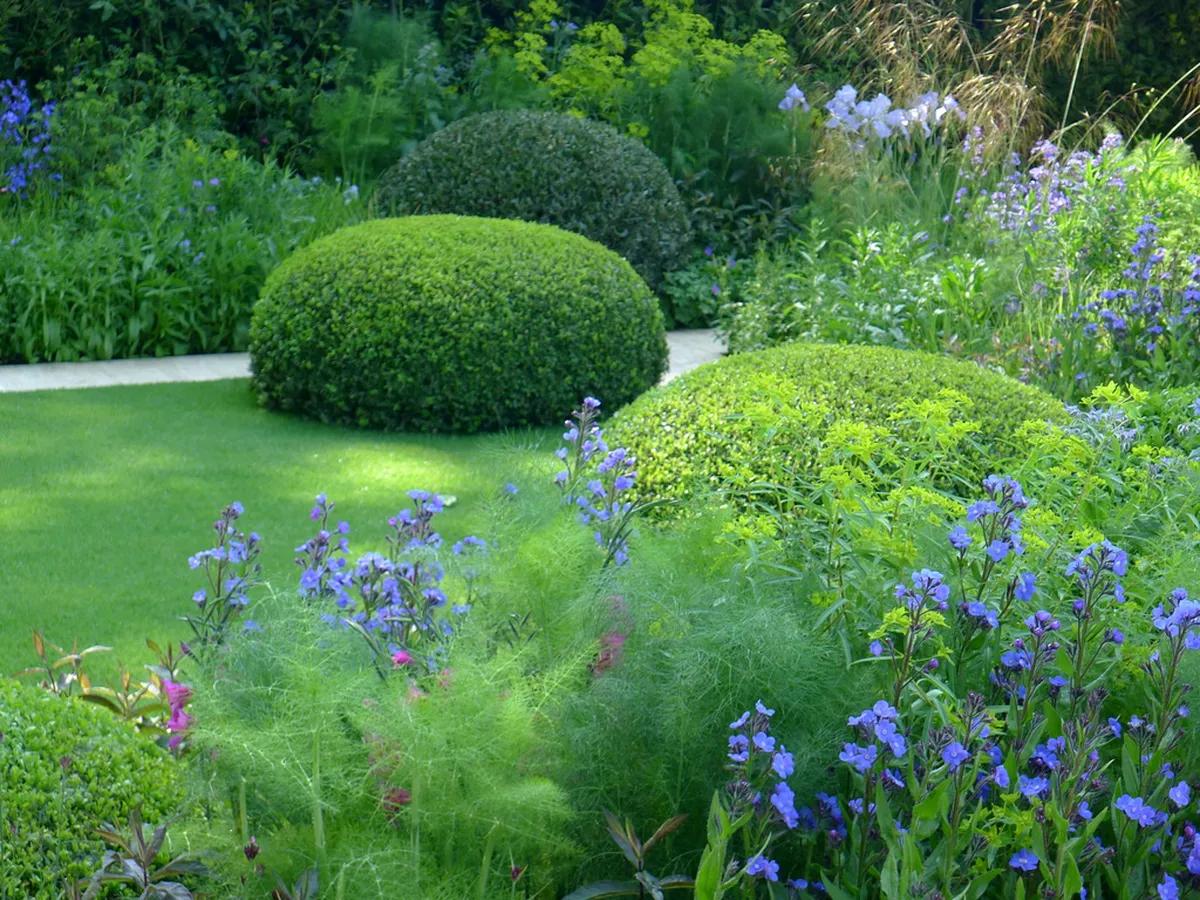
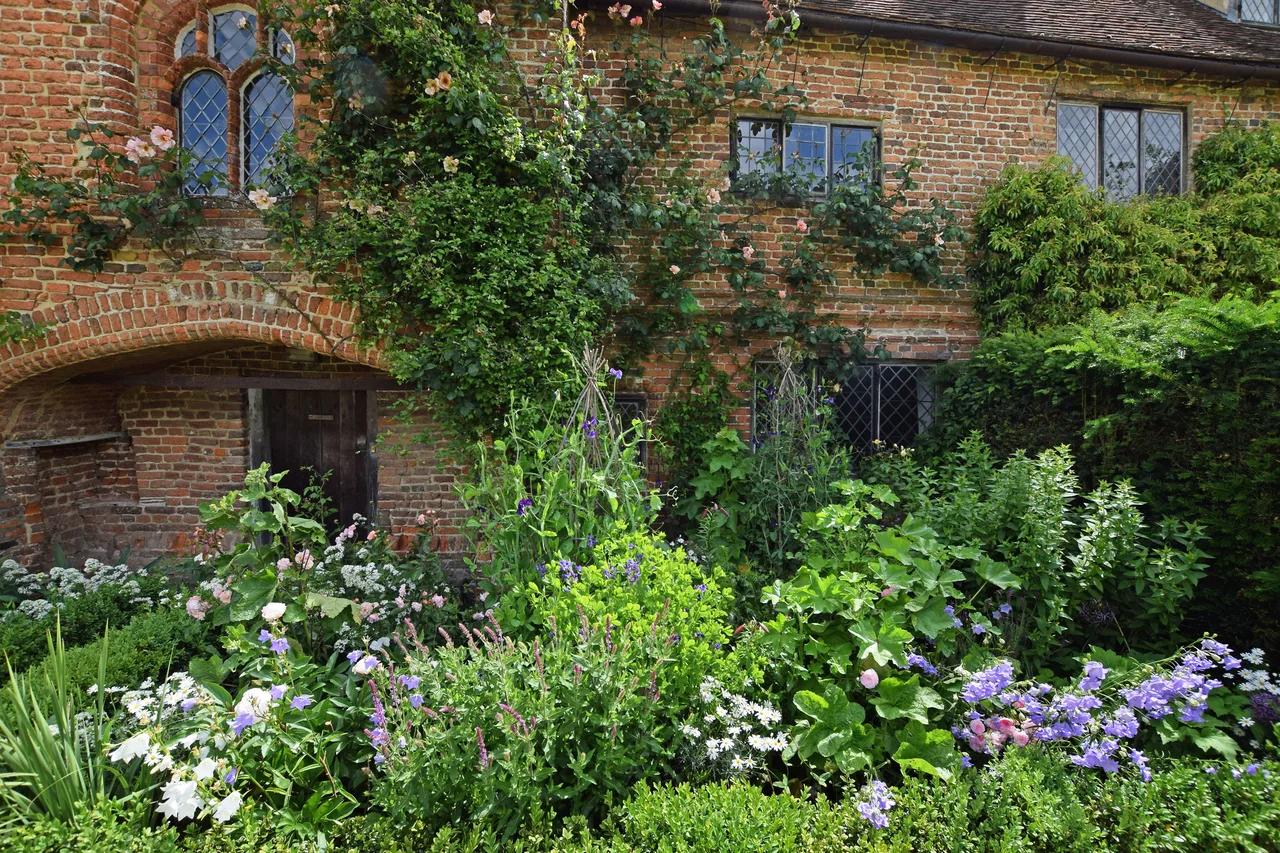
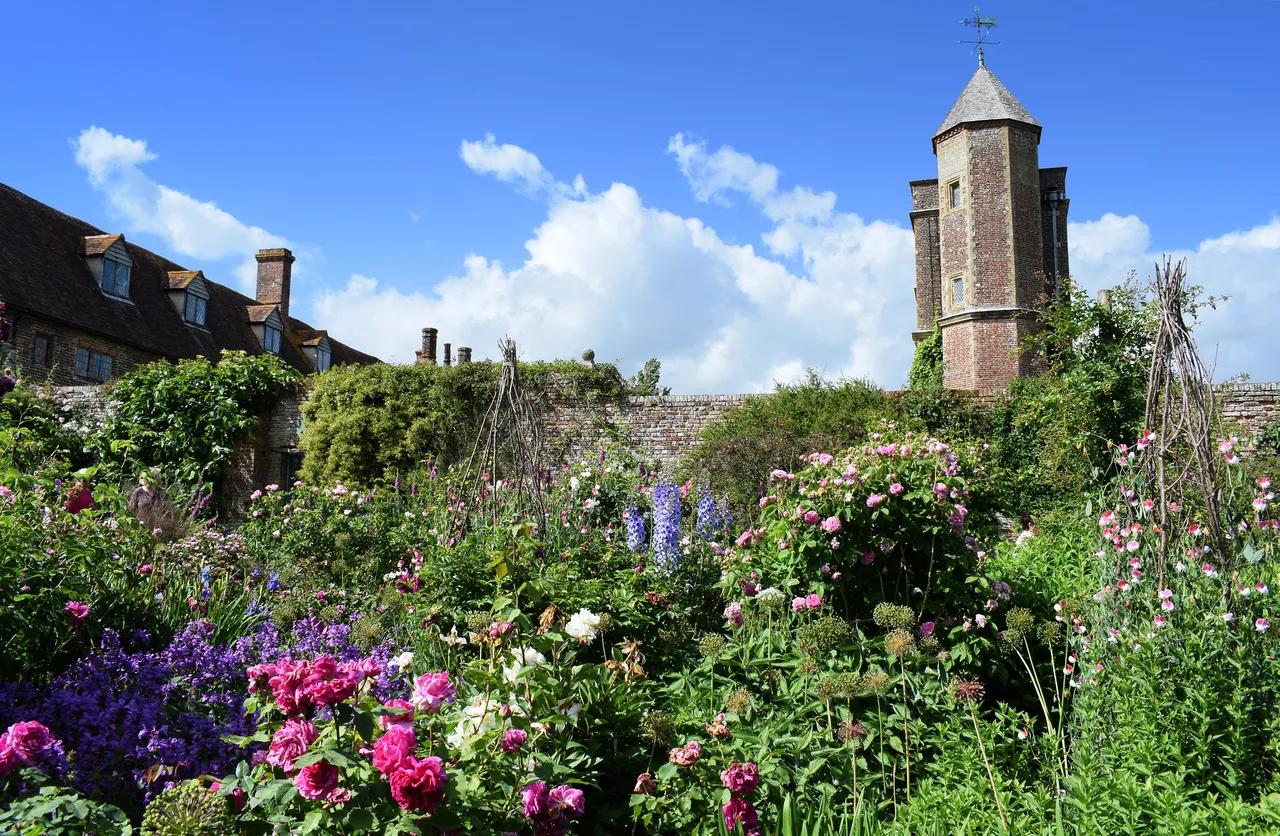
Hidcote Manor Garden is a plantsman's garden of linked rooms built around a late 17th-century manor. Its registered area is about 4.5 hectares, roughly 11 acres. Expect clipped hedges, framed views and dense planting rather than open parkland.
- What it is: an Arts and Crafts garden begun in 1907, in National Trust care since 1948 and Grade I registered.
- Where: Hidcote Bartrim, near Chipping Campden. There is no town or village centre to explore at the garden itself.
- Best for: plant lovers, photographers and anyone who enjoys hedged rooms that open onto sudden views.
- Time needed: about 2 to 3 hours for a focused visit, or half a day with lunch.
- Best season: late spring to early autumn, with a different highlight in each month (see the season guide below).
- Car-free: possible with planning, though the last stretch needs a bus change, a walk or a taxi.
- Book ahead: look at the National Trust Hidcote page for seasonal hours and any timed entry.
Why Hidcote matters and what makes it different
Lawrence Johnston began work in 1907, after his mother, Gertrude Winthrop, bought Hidcote Manor and the hamlet of Hidcote Bartrim. He was 36. Instead of one grand axis, he built a sequence of enclosed rooms, each with its own planting and mood.
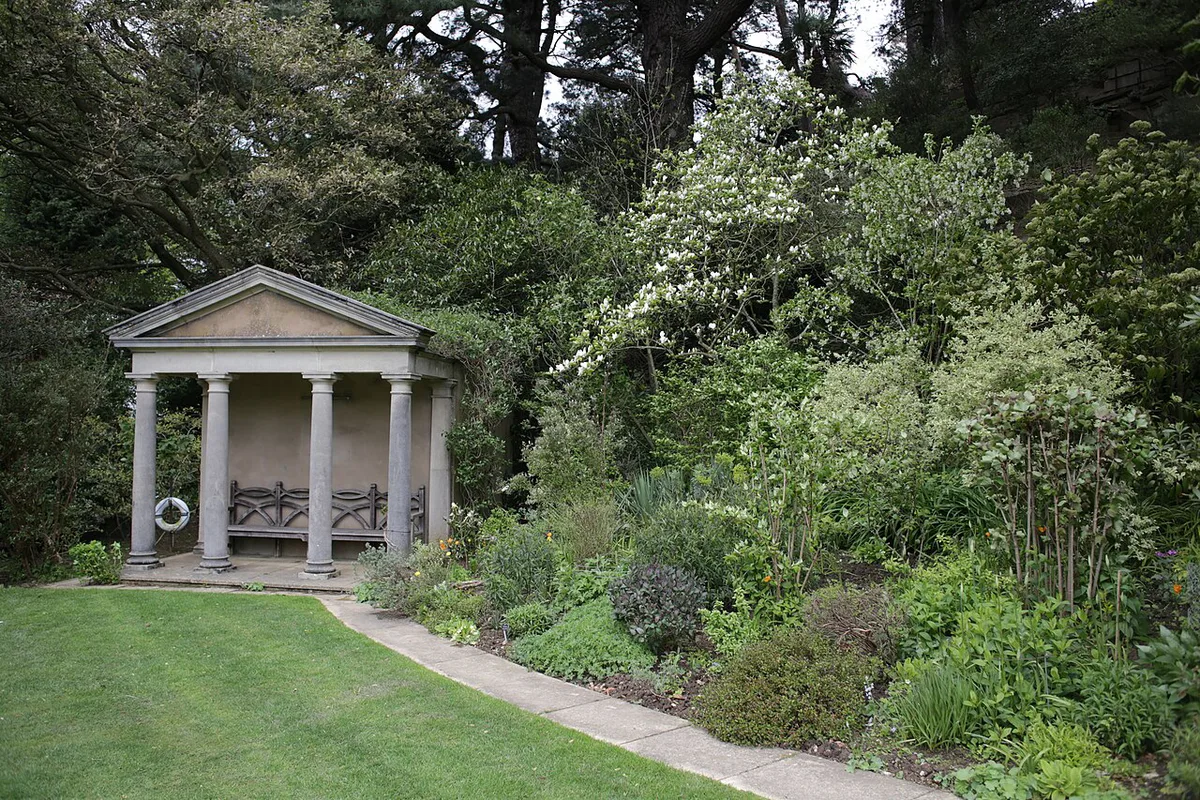
Hedges of yew, holly, hornbeam and beech separate the rooms. Drystone walls and brick piers frame the gates and vistas between them. Two long lines tie the layout together: the Theatre Lawn running west from the manor, and the Long Walk in the south.
Wartime labour shortages left the garden run down, and Johnston gave it to the National Trust in 1948. Plant lovers also know the name through Lavandula angustifolia 'Hidcote', a compact lavender with deep violet flowers. Hypericum 'Hidcote' is the other cultivar that carries the garden's name into gardens far beyond the Cotswolds.
Garden layout: what to see and in what order
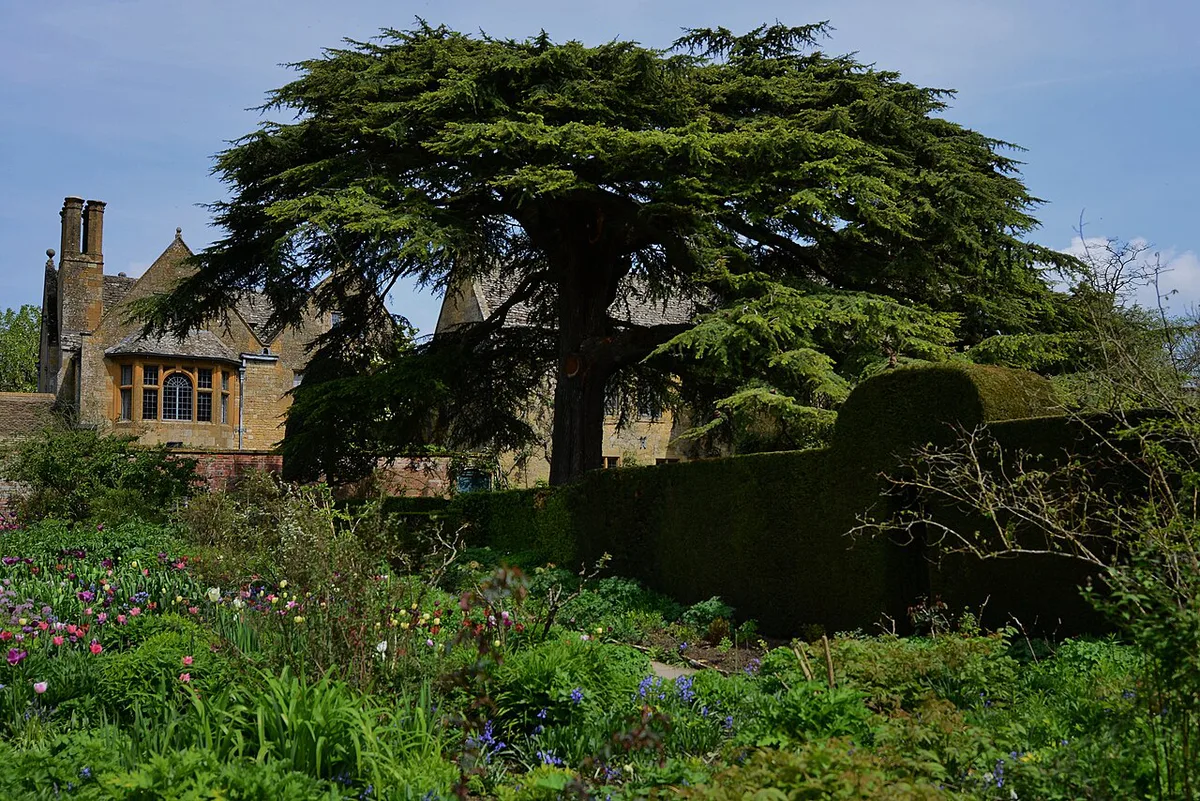
Start in the courtyard, where a former barn serves as the ticket office and shop, then pass through the Garden Yard to the gardens. Two long lines keep you oriented. The Theatre Lawn is about 140 m long, and the Long Walk runs about 200 m between hornbeam hedges. When the hedges close in, find one of those lines and walk along it.
- Theatre Lawn: open turf enclosed by yew, and the best place to get your bearings. Come here first, and return when you need a rest.
- Stilt Garden and Red Borders: pleached hornbeam 'stilts' lead to a gate with a view west over the countryside. This is the strongest early viewpoint, and the Red Borders peak in high summer.
- Long Walk: a straight grass corridor down the southern garden. Walk it in the late afternoon if the opening hours allow.
- White Garden and Maple Garden: yew-hedged compartments south of the manor. Choose them for calm planting in summer and for colour in autumn.
- Fuchsia Garden, Bathing Pool Garden and Poppy Garden: a box knot garden, a stream-fed circular pool and a small round lawn. They suit visitors who like small, enclosed spaces.
- Pillar Garden and stream gardens: tall clipped yews on three levels, then winding woodland paths. These give a softer finish if your legs still have energy.
- Beech Avenue, Rose Walk and Kitchen Garden: a 170 m avenue north of the Theatre Lawn leads to the working side of the garden. Skip it on a short visit.
Best time to visit Hidcote by season
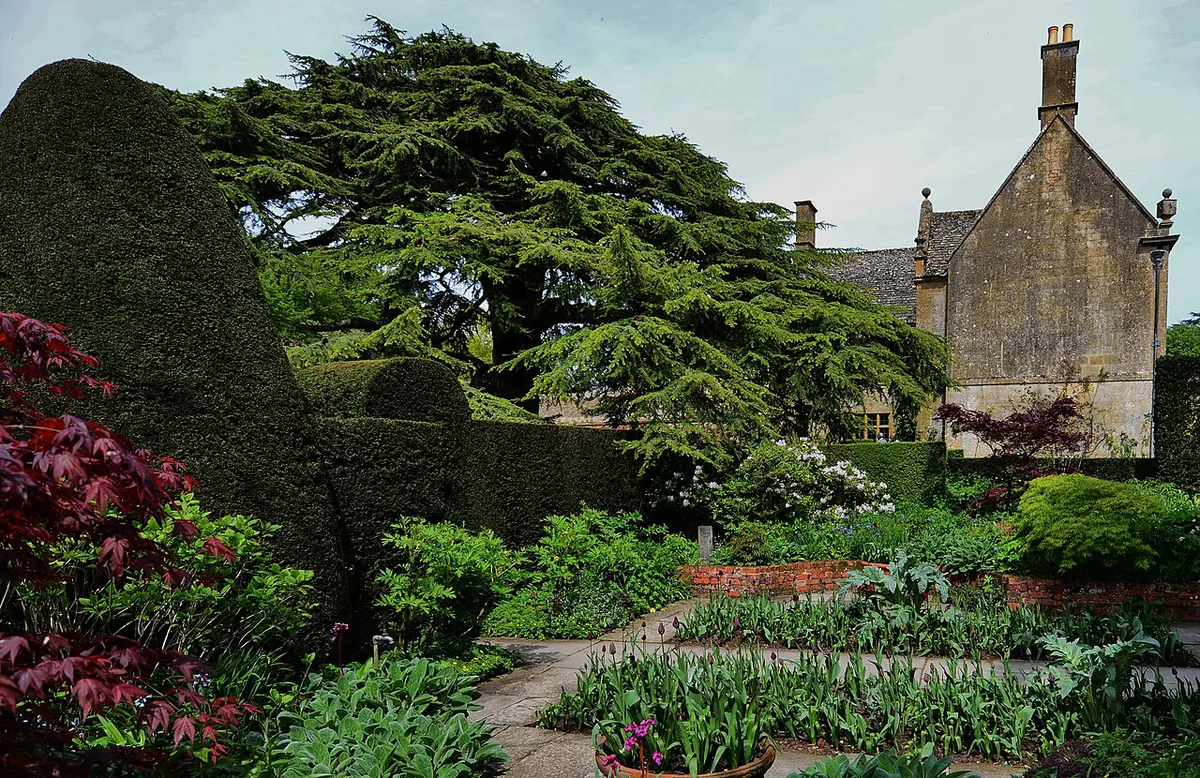
Hidcote changes character more than most gardens because hedges, borders and trees peak at different times. Bloom dates shift from year to year, so use the National Trust's current garden updates before you commit to a particular week. Yew and holly stay green all year, so the framework reads clearly even when the borders are bare.
- Spring: bulbs in the orchard grass and fresh blossom. Choose it for a quieter walk, and skip it if you want the borders at full height.
- Early summer: borders and roses build through the rooms. This is a good all-round choice for first visits.
- High summer: the Red Borders at their loudest. Expect more visitors, and expect hedges to hide views until you reach each gate.
- Autumn: the Maple Garden colours, and low light falls along the Long Walk. Choose it for photography.
- Winter: structure over colour, if the garden is open at all. Check seasonal opening before planning around it.
How long to allow and sample plans
Most visitors underestimate Hidcote because the rooms are small and the paths double back. The table below sets out three realistic ways to spend the day.
| Plan | Who it suits | Trade-off |
|---|---|---|
| Short visit (about 2 hours) | Time-pressed visitors arriving by car | Skips the stream gardens and Kitchen Garden |
| Half day (3 to 4 hours, Hidcote only) | First-timers and photographers | Leaves no time for neighbouring gardens or Chipping Campden |
| Full day with Kiftsgate Court and Chipping Campden | Keen gardeners who enjoy walking | Two tickets, more travel, and tired legs by late afternoon |
Tickets, opening hours and booking
Prices, opening days and last entry change by season, so the official National Trust Hidcote page is the source to rely on. Older listings describe a March to November season, but current dates may differ. Timed entry or capacity limits can apply on busy days, so read the booking notes before you travel. Our guide to National Trust Gardens: Best Picks by Season and Region helps you decide whether membership pays off if you plan several visits. Any ticket price you see on third-party listings may be out of date.
Getting there and getting around
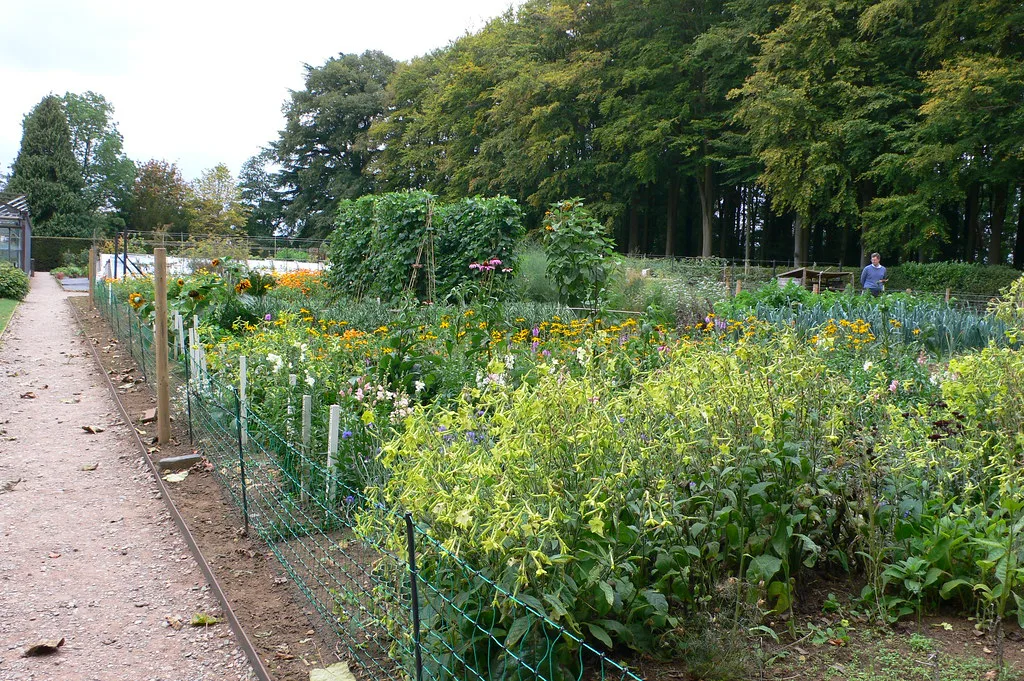
Hidcote lies about 12 km (7.5 miles) east of Evesham and 13 km (8 miles) south of Stratford-upon-Avon. By car, take the B4081, and the garden sits 4 miles north-east of Mickleton. Parking details are on the National Trust page.
Without a car, one older visitor report describes a bus between Moreton-in-Marsh and Chipping Campden that stops at Mickleton. The same report mentions an easy walk between Mickleton and the garden. Treat both as leads only, because that account dates from 2008. Check the current timetable with the bus operator before you rely on it. A taxi from Chipping Campden is the fallback for the last leg, and National Rail's journey planner covers the train portion.
Accessibility and practical tips
Expect gravel and stone-flagged paths, flights of stone and brick steps, and narrow gaps in the hedges. A ha-ha about 1 m deep marks the south and west edges, so keep children and dogs away from the drop. Wheelchair, buggy and dog policies are listed on the National Trust page. Check them before you go, because the layout is not flat and the rules can change.
The ticket office and shop sit in the courtyard barn. Refreshment arrangements and plant sales vary, so look for the current details on the same page.
Pairing Hidcote with Kiftsgate Court and Chipping Campden
Kiftsgate Court adjoins Hidcote, less than 1 km to the west on the heritage register's measure. It is a privately run garden, so a Hidcote ticket does not cover it. Check Kiftsgate's own website for hours and prices.
Kiftsgate Court is less than 1 km to the west, but a Hidcote ticket will not cover it. Give Hidcote 2 to 3 hours first.
Pairing the two works well in a long day when you start at Hidcote and finish at Kiftsgate. Skip the second garden if you arrive late, travel with young children or want to eat in Chipping Campden. Chipping Campden is the sensible base town for dinner and accommodation, but it is not within the garden grounds.
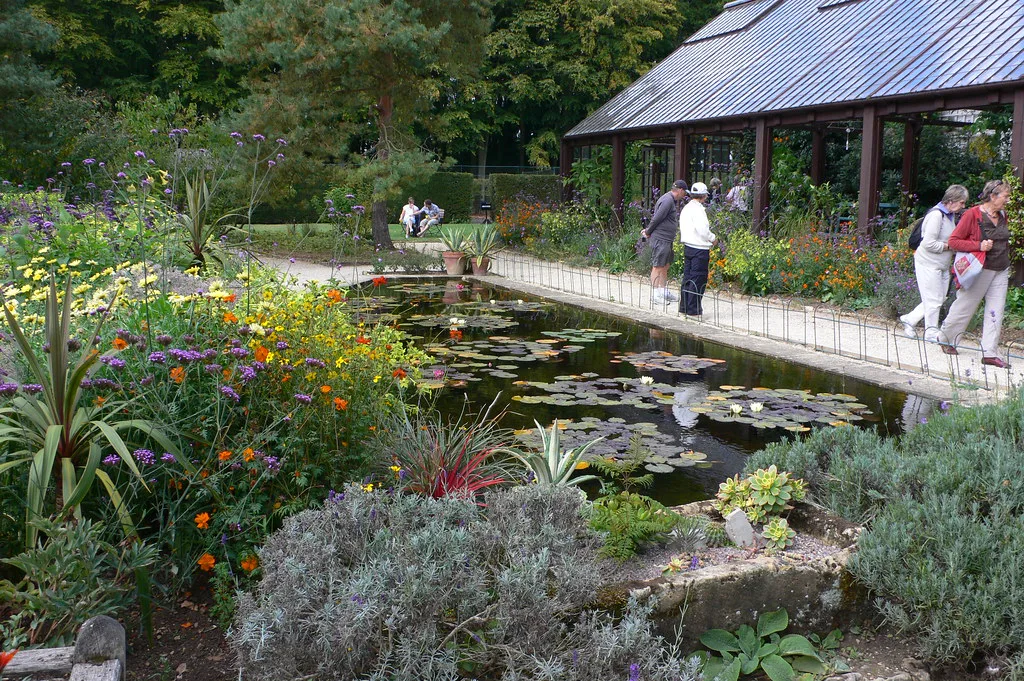
- Do both if you have a full day, enjoy walking and like comparing garden styles.
- Do Hidcote only if you want to look closely, take photographs or visit at a relaxed pace.
- Add Chipping Campden if you arrive by bus or taxi and want an easy evening base.
Hidcote compared with other English gardens
Hidcote is a plantsman's garden of formal rooms. It is a different experience from the trial and display gardens run by the Royal Horticultural Society. For a large RHS showcase, try RHS Wisley. For another RHS site, read about Hyde Hall. If you prefer landscape scenery, Stourhead's lake and grounds and Blenheim's grounds give you more open space. Garden lovers building a longer trip can browse gardens across England for more ideas.
More estates for a second trip include Waddesdon, Cliveden and Anglesey Abbey.
- Pick Hidcote if you like hedged rooms, plant detail and small framed views.
- Pick another garden if you want parkland, big lakes or long walks in open country.
- Pick another garden if you cannot manage steps, gravel or narrow paths.
Mistakes to avoid at Hidcote
A few errors are easy to avoid with a little planning.
- Arriving without checking seasonal hours and booking notes on the National Trust page.
- Allowing less than 2 hours, then rushing the stream gardens and Long Walk.
- Expecting a town: Hidcote Bartrim is a hamlet, and Chipping Campden is a separate trip.
- Assuming a Hidcote ticket covers Kiftsgate Court, which is privately run.
- Relying on an old bus timetable without checking it.
Frequently Asked Questions
Is Hidcote worth visiting?
Yes, if you enjoy plantsman's gardens and hedged garden rooms. It is a poor match if you want sweeping parkland or easy, flat paths.
Is Hidcote dog friendly?
Dog rules vary by area and season, so the National Trust Hidcote page is the place to check. Mind the ha-ha along the south and west edges.
Does Hidcote have a cafe?
A tea room has been reported there, and the ticket office and shop sit in the courtyard barn. Check the National Trust page for current refreshment arrangements.
Is Hidcote the best lavender?
Lavandula angustifolia 'Hidcote' is a well-known compact lavender with deep violet flowers. Whether it is the best depends on your garden and taste.
Bloom-season notes
Optional updates when we add or revise garden guides.
Continue reading
Guides on the same trip