Cliveden Gardens: Visiting Guide and Best Time
Is Cliveden worth a visit? Our guide covers the National Trust gardens, how to plan the day, tickets and access, and how it compares with other English gardens.
Last updated November 2026: Cliveden is the National Trust's Thames-side estate near Taplow, Buckinghamshire, and its formal gardens are the main reason to go. Expect the Italian Garden, Parterre, Water Garden and Long Garden, with woodland rising above the river. Time, ticket type and car access are the main trade-offs, so settle those before you set out.
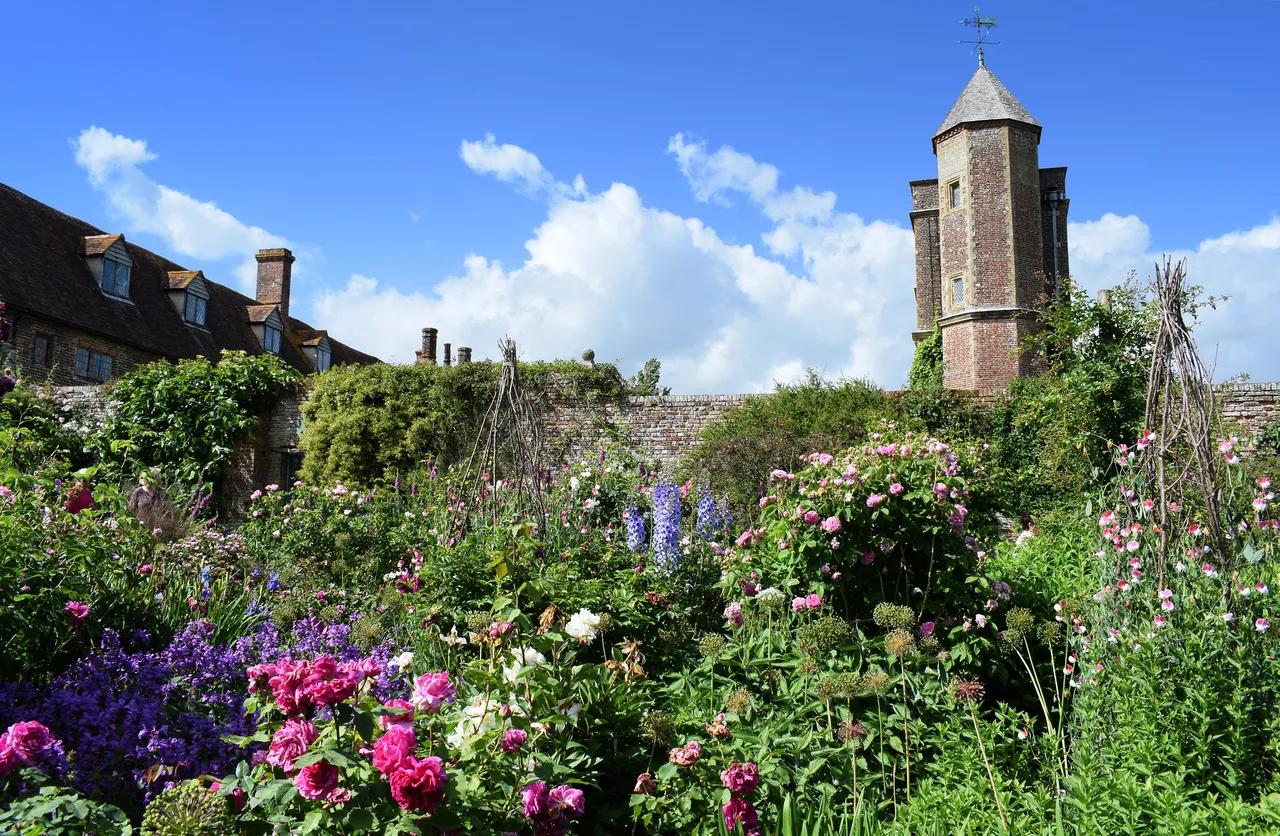
Featured image: davidshort, CC BY 2.0, via Flickr.
Is Cliveden worth visiting?
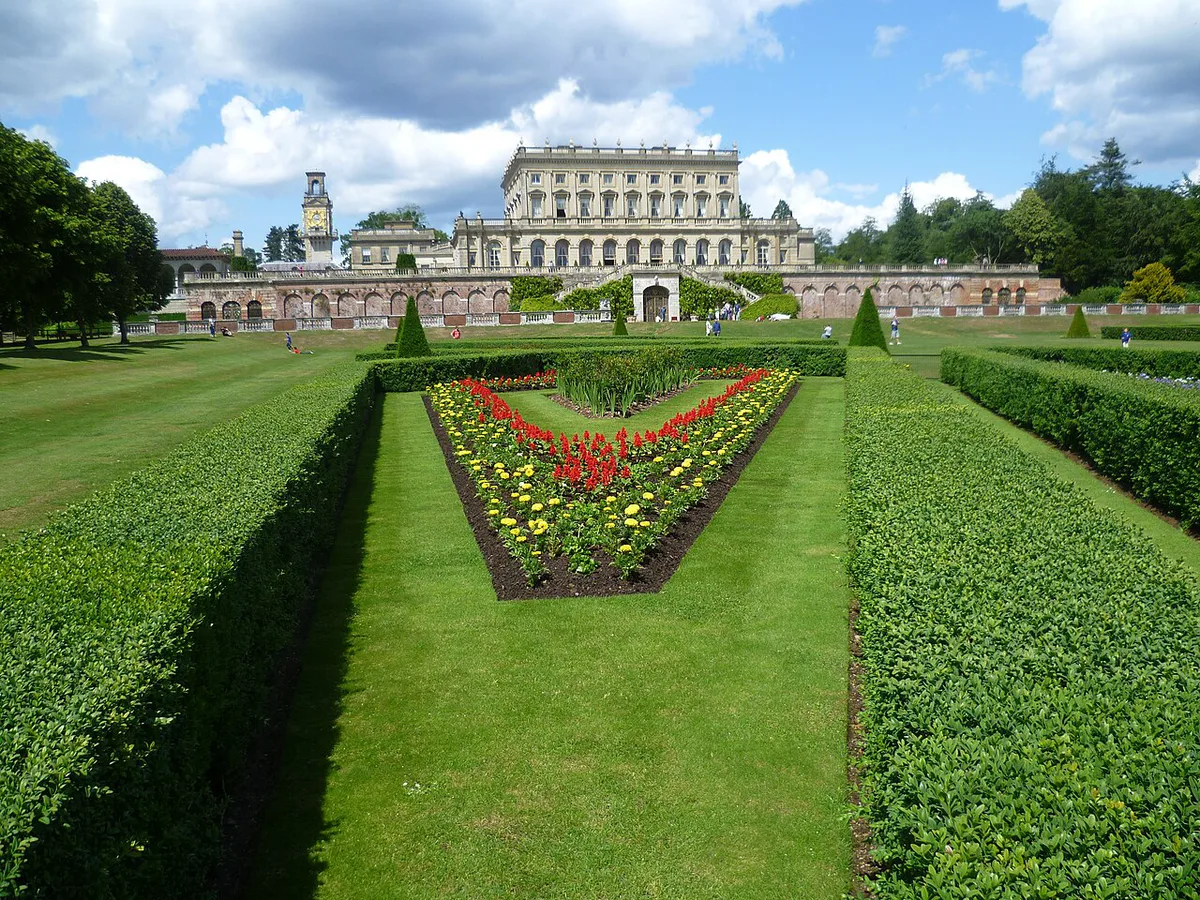
Yes, if you want a formal-garden day with a river walk attached. Cliveden combines clipped, designed gardens with woodland paths above the Thames. That mix gives you two different kinds of outing on one estate. Visitors who only want a quick plant-labelled stroll may find a dedicated plant garden a better fit.
- Best for: first-time visitors to English gardens, photographers, and anyone who likes a long walk after the formal beds.
- Also good for: National Trust members, who can fold Cliveden into a wider tour of Trust properties.
- Skip if: you need a guaranteed short, flat visit with no planning, or you want a purely plant-collection garden.
What the gardens are like
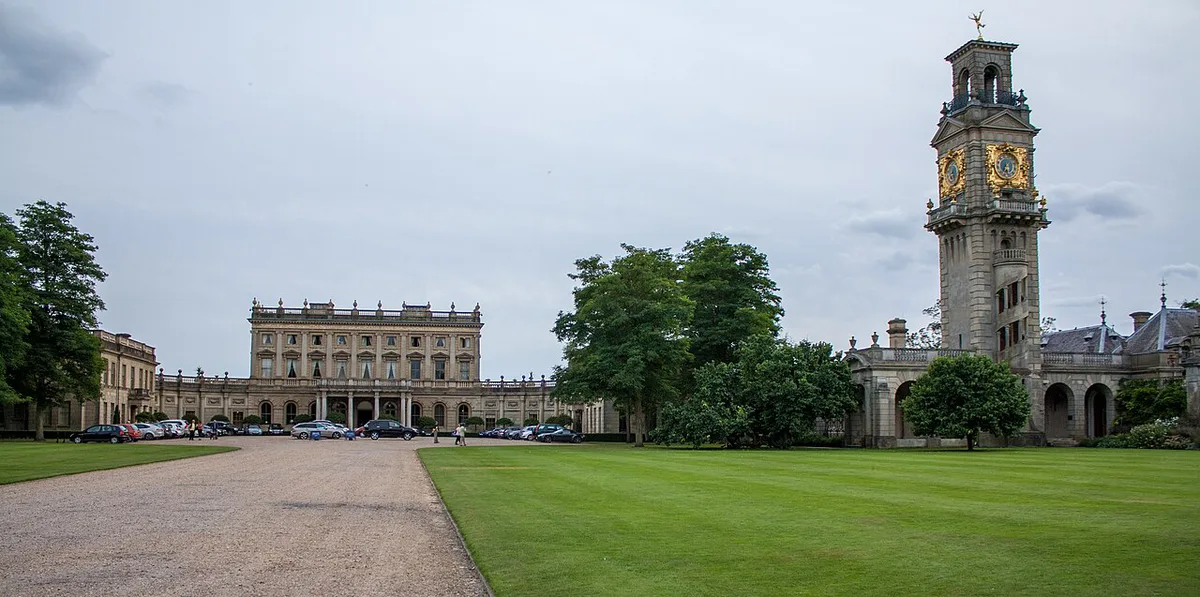
Cliveden is a set of distinct garden rooms rather than one open lawn. Each area has its own character, so you can choose a route to match your energy and the weather. The official National Trust Cliveden page lists what is open on the day you travel.
- Italian Garden: a formal, structured space, best for visitors who like symmetry and photography.
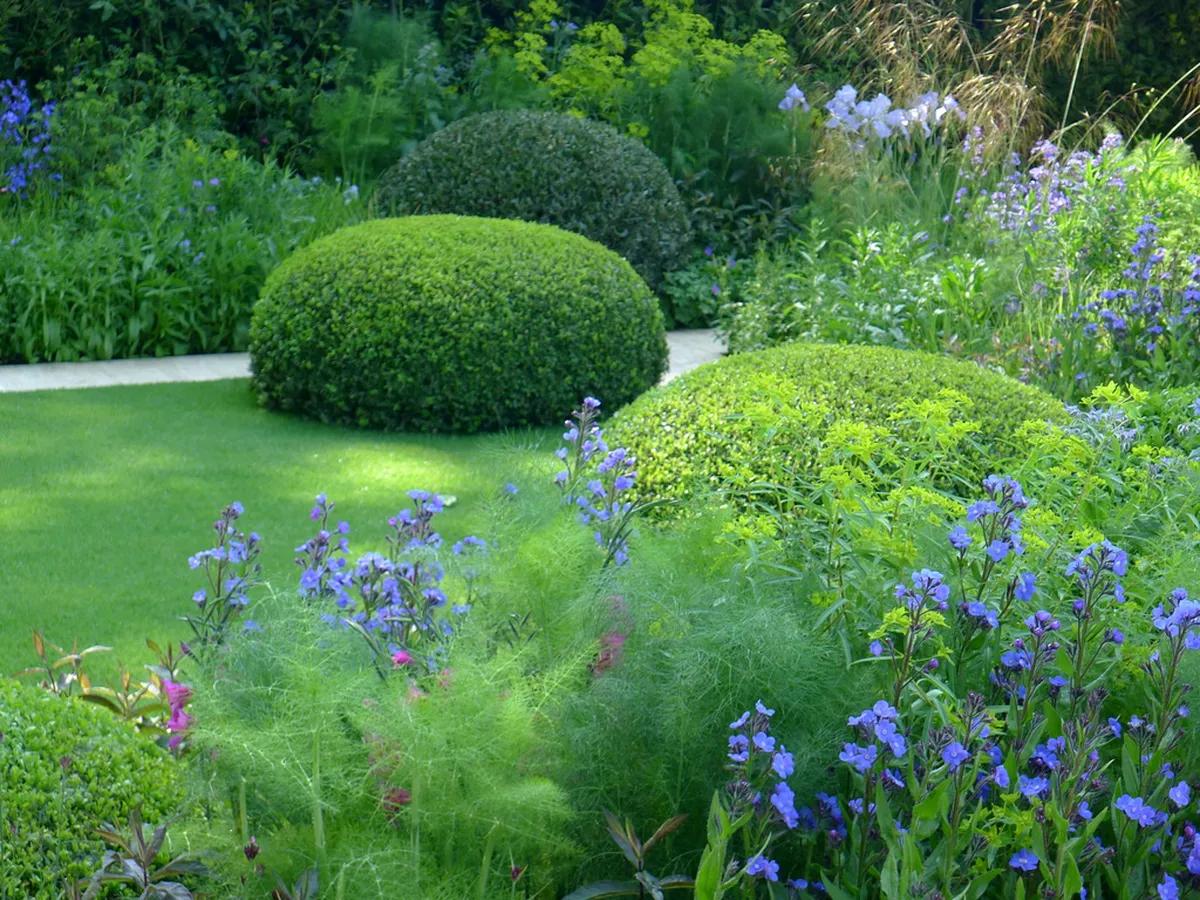
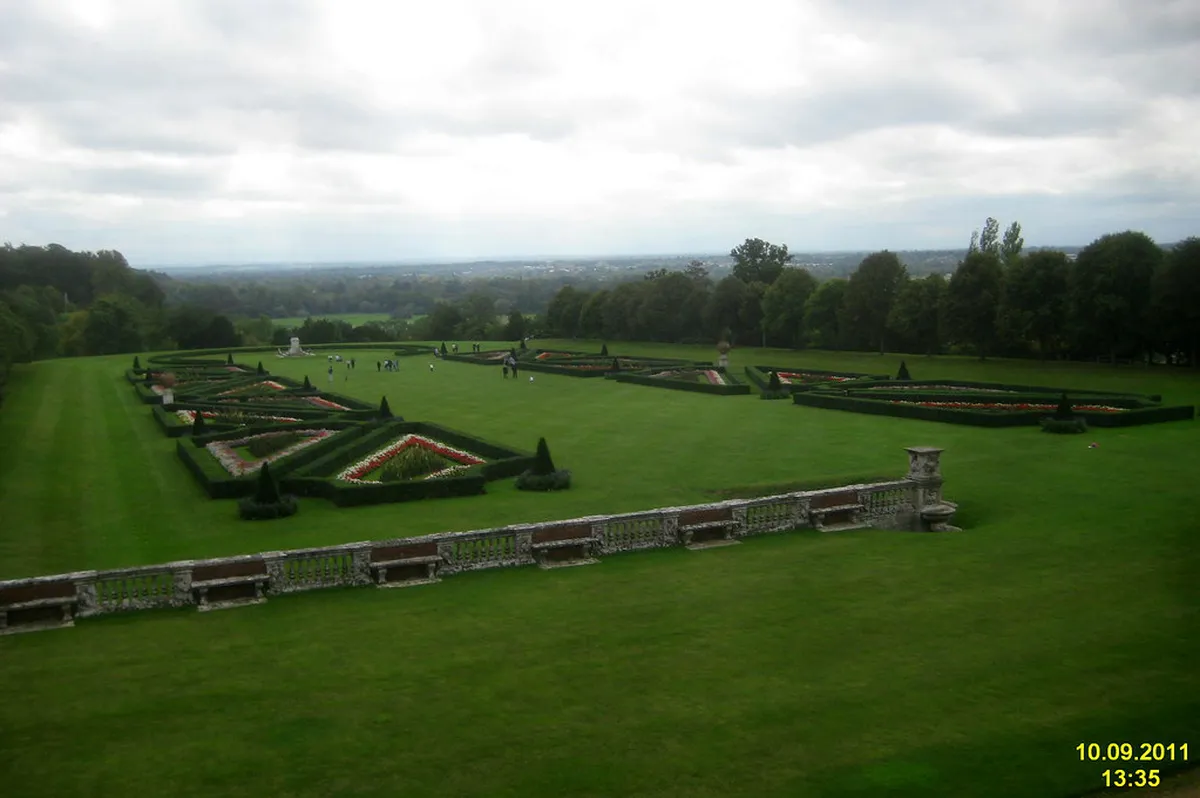
- Parterre: patterned formal planting, suited to anyone who enjoys seasonal bedding schemes.
- Water Garden: a quieter, more enclosed area, good when the main lawns feel busy.
- Long Garden: a linear walk, helpful for first-timers who want an easy orientation.
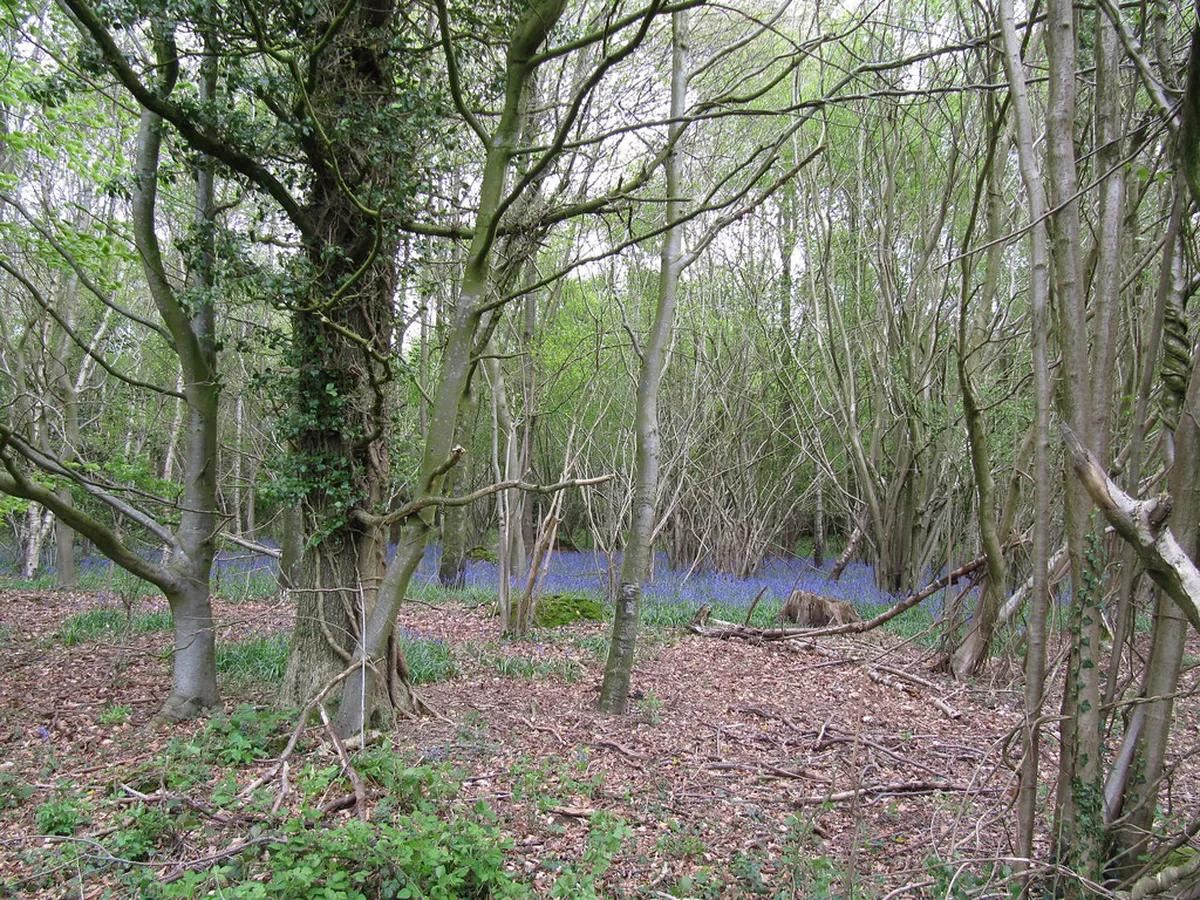
- Woodland above the river: longer walks with Thames views, best for walkers and dog owners who check the dog policy first.
History and heritage status of Cliveden's gardens
Knowing who built what makes the garden rooms easier to read on the ground. The estate has been remade several times, and each owner left a layer you can still see.
- 1666: The first house on the Thames-side ridge was built for the 2nd Duke of Buckingham. The setting above the river has barely changed since.
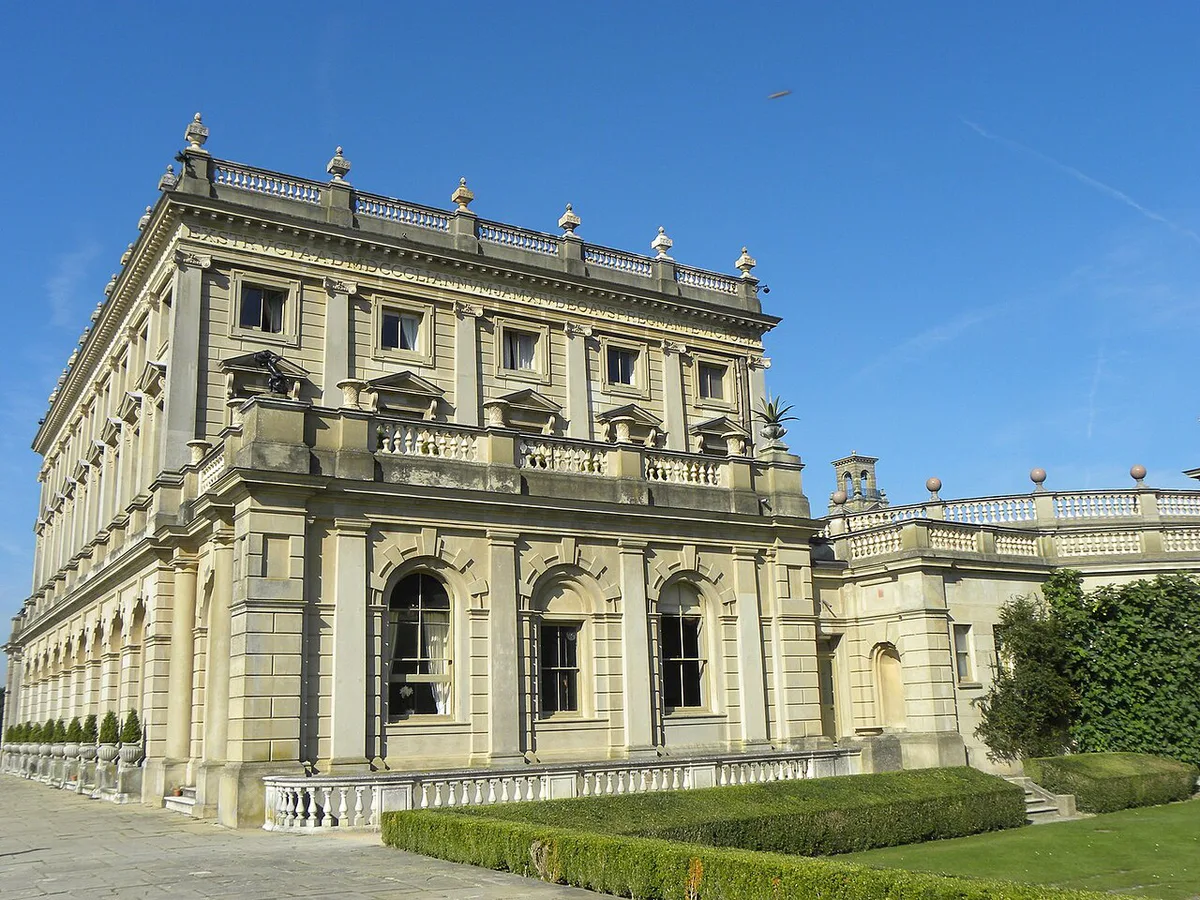
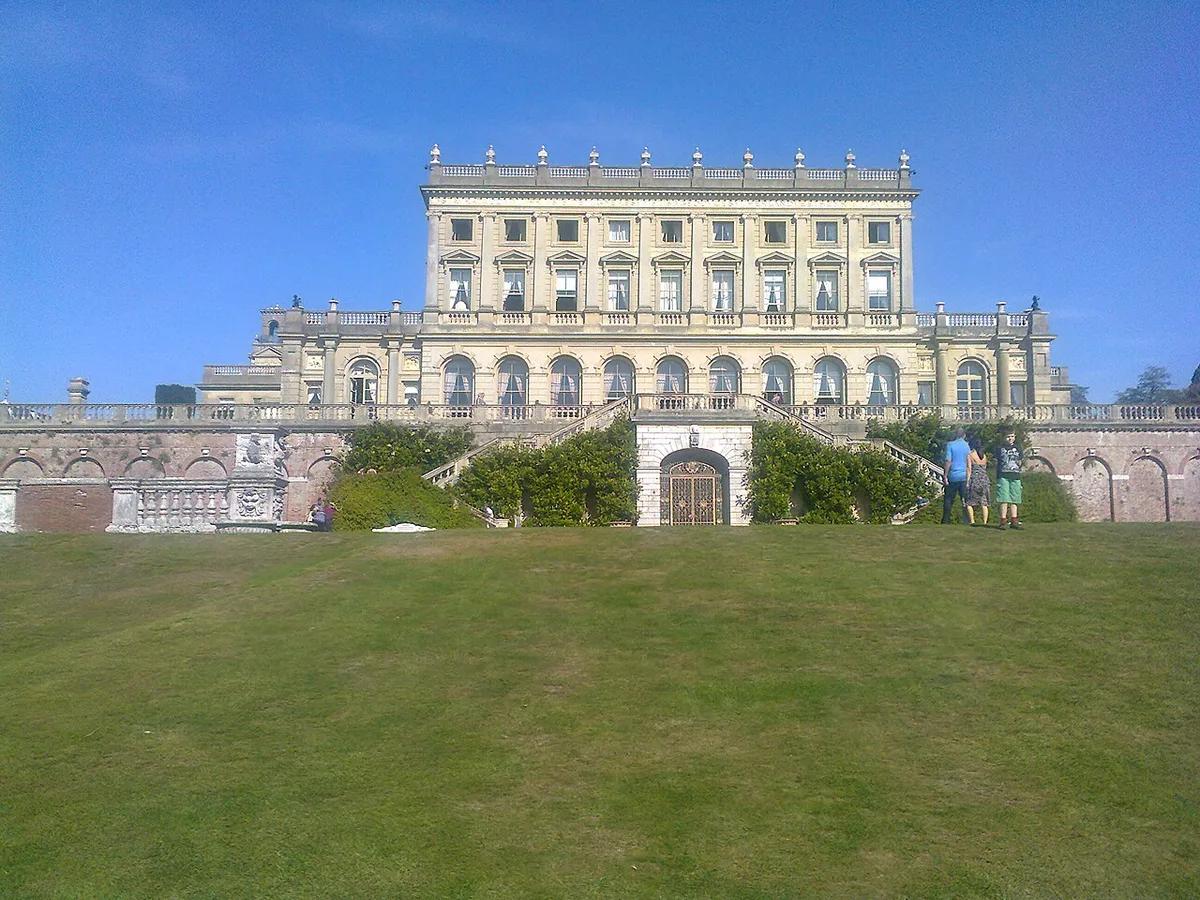
- 1851: The present house was designed by Sir Charles Barry for the Duke of Sutherland. The formal terraces and the Parterre belong to this Victorian period.
- 1893: William Waldorf Astor bought the estate. He added Italian sculpture and architectural pieces, including the balustrade in the Italian Garden. The Fountain of Love by Thomas Waldo Story is also part of his scheme.
- 1900s to 1960s: Under Nancy Astor, Cliveden became a political and social meeting place. It is also linked to the 1961 Profumo affair, which began at the estate's swimming pool.
- 1942: The Astor family gave the estate to the National Trust.
The gardens and grounds are on Historic England's Register of Parks and Gardens. Registration recognises the layout as nationally important, but it does not change what is open to visitors on the day.
Reading the layout: the Italian Garden and Parterre show the Victorian and Edwardian taste for formal design. The woodland above the river is the older, looser landscape that the formal rooms were set into.
The house is separate from the garden visit. Access to the interior and its rooms can vary, so check the National Trust Cliveden page before you plan around it.
How to plan your visit
Decide first whether you have a half day or a full day. A half day suits the formal gardens only. A full day lets you add the woodland above the river and a slower lunch. First-timers should start with the Italian Garden and Parterre, continue through the Water Garden and Long Garden, then finish in the woodland if energy remains. In wet weather, shorten the circuit to the formal gardens and keep the woodland for a drier visit. Wear shoes that cope with damp paths.
Best time to visit
Formal gardens change with the planting calendar, so the best month depends on what you want to see. Spring and summer favour colour in the beds. Autumn and winter favour woodland walks and a quieter estate. The National Trust page carries current seasonal highlights, events and any closures. Avoid assuming that every area is open in every month.
Tickets, opening times and costs
Admission depends on whether you are a National Trust member and on what you want to enter. Current prices, opening hours, last entry and parking charges are on the official Cliveden page, which is the only source to trust for 2026 figures.
Getting there

Driving is the simplest option, and the estate has visitor parking. If you plan to arrive by public transport, check the rail operator and local bus timetables first, because the final leg to the estate is the weak point. Taxi availability is worth checking too. Visit Buckinghamshire is a useful starting point for local travel context.
Accessibility and families
Garden paths, slopes, buggy access, toilets, cafés and the dog policy are all listed on the official page. The woodland is the most likely area to have steeper or uneven ground, so check route notes before taking a wheelchair or buggy there.
Cliveden vs other English gardens
Cliveden suits visitors who want formal gardens plus a river setting. Other gardens win on different criteria, and our guide to gardens in England maps the wider choices. National Trust members can browse more properties in our National Trust gardens roundup.
| Garden | Setting | Best for | Read next |
|---|---|---|---|
| Cliveden | Formal gardens and woodland above the Thames | Formal-garden day with a river walk | This guide |
| Stourhead | Landscape garden | Lakeside circuit walkers | Stourhead guide |
| Savill Garden | Windsor Great Park garden | Seasonal planting lovers | Savill Garden guide |
| Blenheim Palace | Palace grounds | Garden plus palace day | Blenheim gardens guide |
Mistakes to avoid at Cliveden
Most problems come from assuming too much. Check the day's opening and last entry before leaving home. Do not assume every part of the estate is open to day visitors. Pick footwear for damp paths, and settle your ticket type before you arrive. If you prefer plant-focused gardens, our RHS gardens guide is a better next step.
Choose the right length of Cliveden visit
Plan around the estate’s two distinct experiences: formal gardens and woodland above the Thames. A half-day visit works best when you focus on the four main garden areas: the Italian Garden, Parterre, Water Garden and Long Garden.

Start at the Italian Garden and Parterre if this is your first visit. Continue to the Water Garden for a quieter change of pace, then use the Long Garden as a simple way to orient yourself. This route keeps the day focused when time is limited.
Allow a full day if you also want the woodland paths and river views. That extra time makes room for lunch and a slower walk, without rushing the formal spaces. In wet conditions, keep to the formal gardens and leave the woodland for another visit.
- Choose a half day for the four formal garden areas.
- Choose a full day for gardens, lunch and woodland walking.
Frequently Asked Questions
Do you have to pay to go to Cliveden House?
Admission to the estate depends on membership and ticket type. Check the current rates and what is included on the official National Trust page before you go.
How do you pronounce Cliveden?
It is usually said "KLIV-den".
Bloom-season notes
Optional updates when we add or revise garden guides.
Continue reading
Guides on the same trip