Bergpark Wilhelmshohe, Kassel: Water Shows, Routes and Tips
Plan Bergpark Wilhelmshöhe in Kassel: water show timing, short, medium and full routes, getting there, ticket layers and access notes for the Hercules hillside.
Last updated November 2026. Bergpark Wilhelmshöhe in Kassel is a UNESCO World Heritage hillside park crowned by the Hercules monument and known for its Baroque water features. It suits walkers, garden fans and anyone who likes landscapes built on a grand scale. Timing decides the visit, because the water display runs only on set days and times, and a half-day is the minimum worth planning.
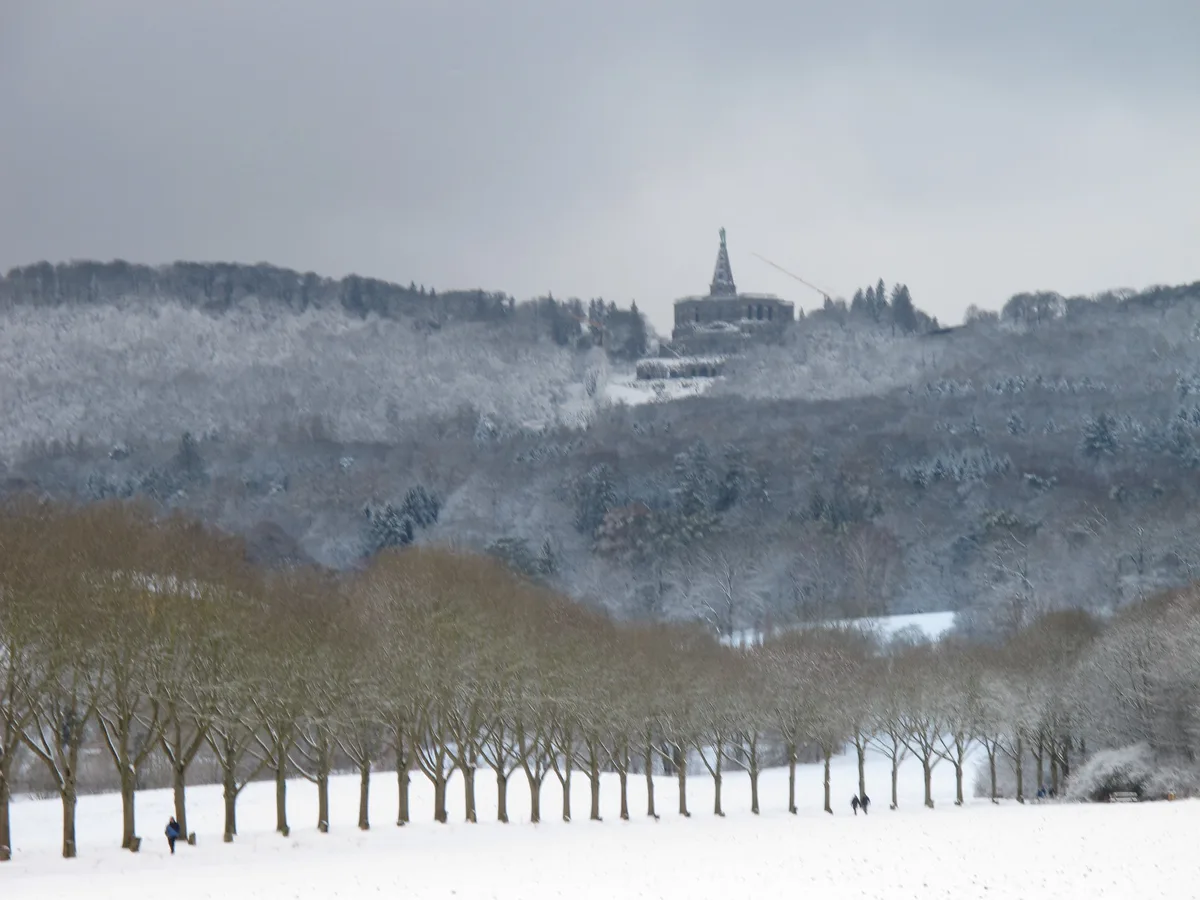
Featured image: H. Zell, CC BY-SA 3.0, via Wikimedia Commons.
Is Bergpark Wilhelmshohe worth it, and how long does it take?
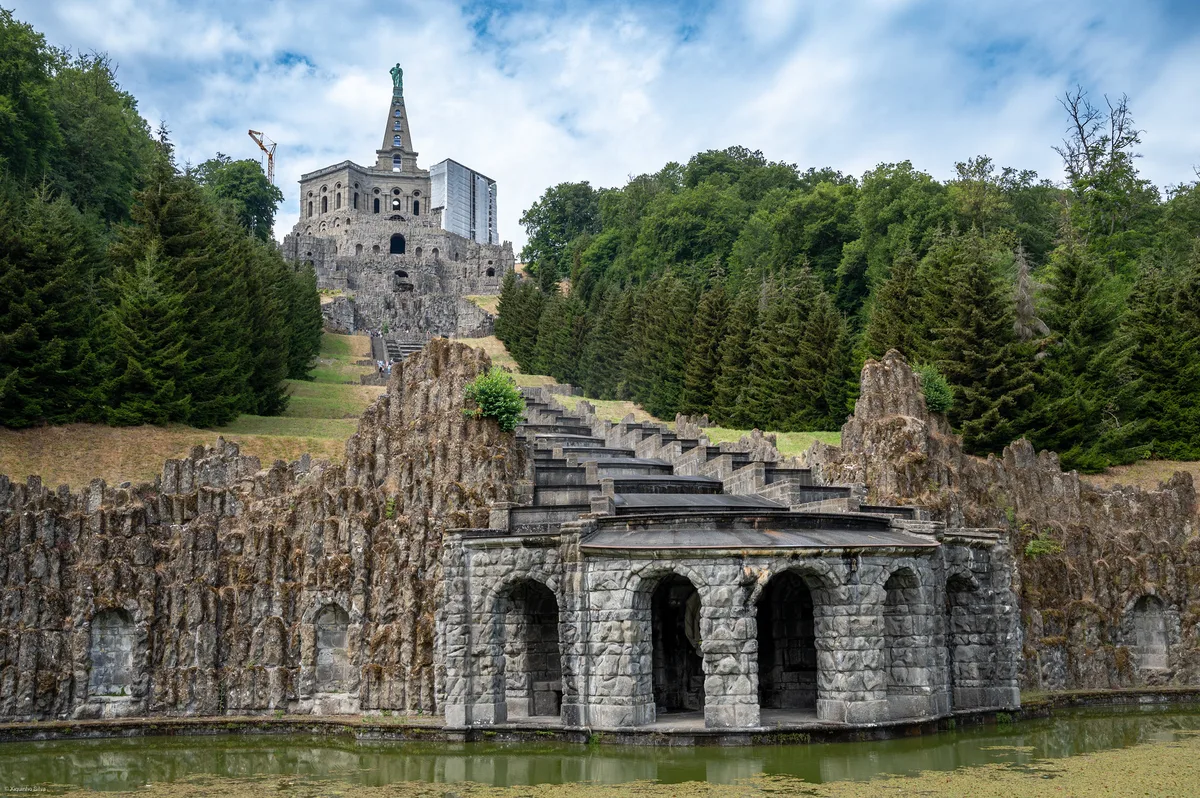
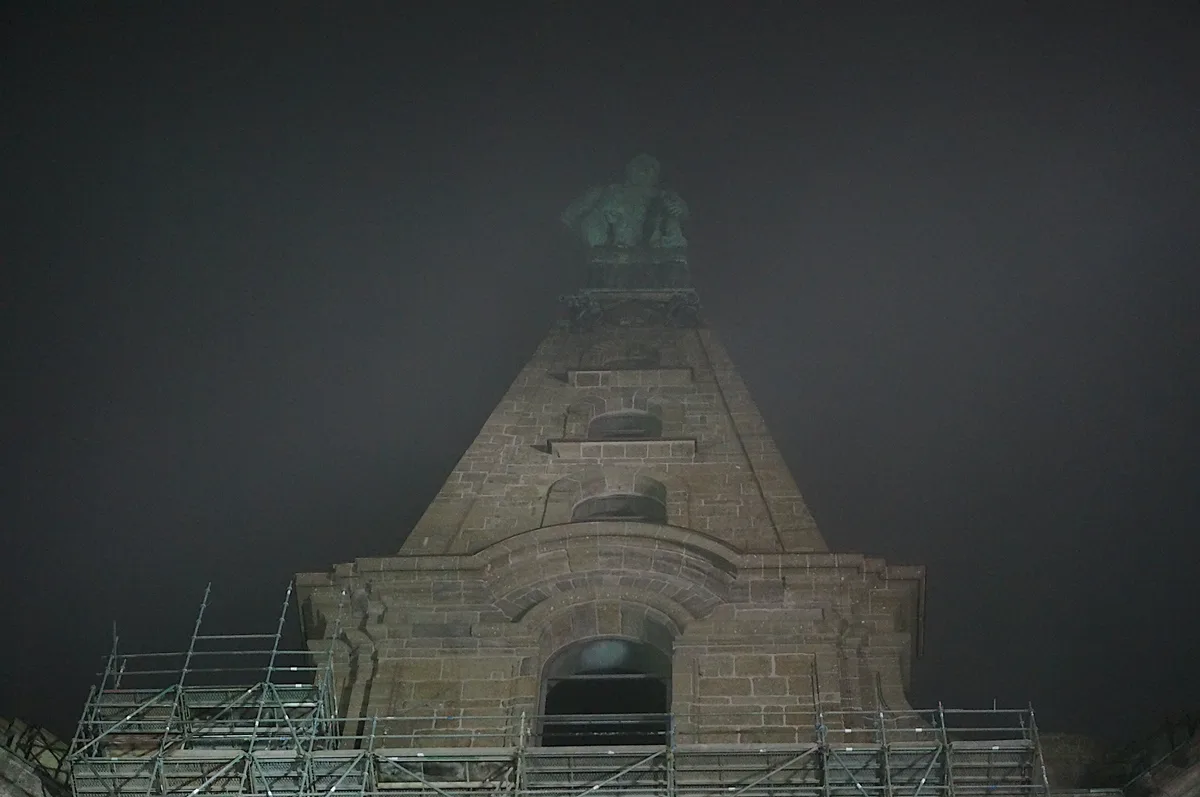
Yes, if you like big landscapes and are happy to climb. The park rises up a slope, and its main draw is the cascades that tumble down from the Hercules monument at the top. Plan a half-day as the minimum. A full day lets you walk the whole slope without watching the clock.
Your first decision is whether to arrive for the water display or to see the park on a quiet off-show day. The display is a scheduled event, so building the day around it gives you a fixed anchor. Off-show days suit photographers and walkers who care more about the paths, trees and views than the performance.
Wilhelmshöhe: park, palace or station?
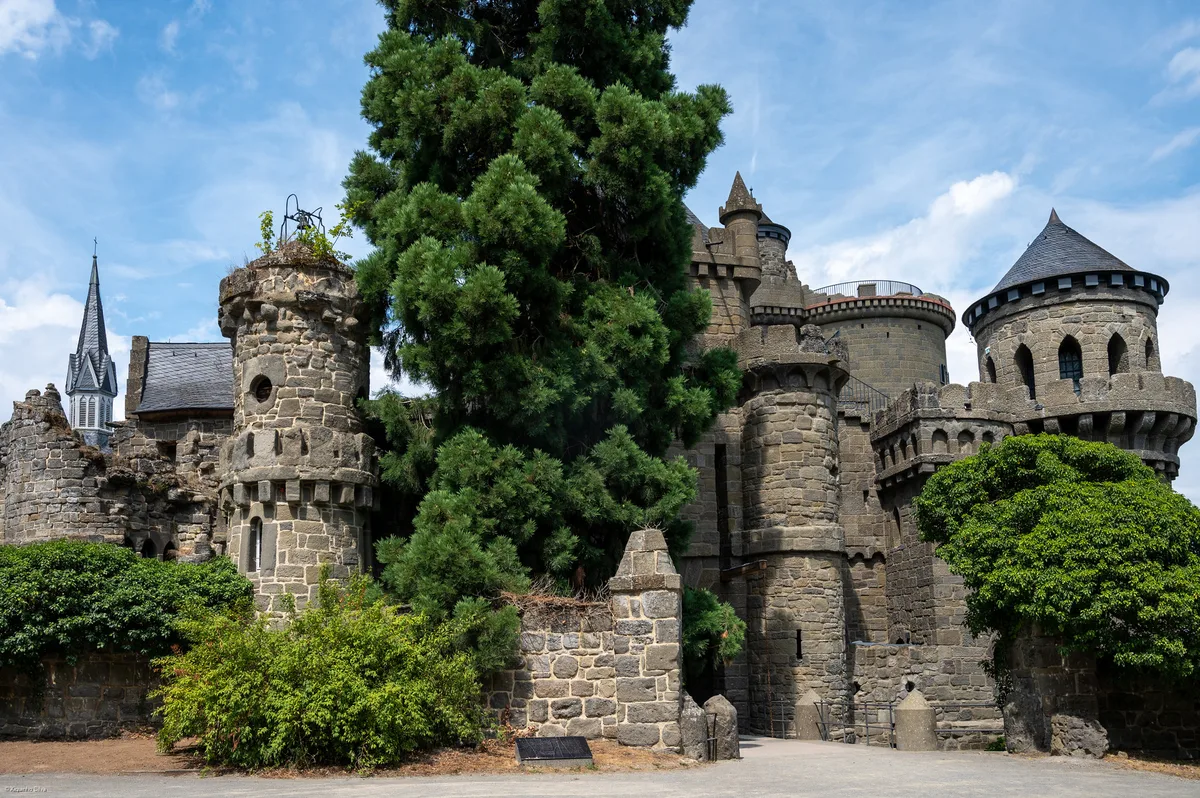
Three different things share the name. Bergpark Wilhelmshöhe is the hillside park and the main reason most visitors come. Schloss Wilhelmshöhe is the palace at the foot of the slope, which houses a museum. Kassel-Wilhelmshöhe is the railway station, and for most visitors it is simply the way in.
Searches for the name can therefore mean any of the three. This guide covers the park first, then the palace and the station only as they affect your route.
When to go: water shows, seasons and time of day
The Wasserspiele are the water display that sends the cascades down the slope on a timetable. They do not run all day, and they do not run every day. The Museumslandschaft Hessen Kassel site publishes the current schedule, so check it for dates and times before you fix your trip.
Seasonal limits apply to the display, so do not assume a show on any given day, and especially not in winter. In late autumn and winter, expect bare trees, wet paths and early dusk. The park is still walkable then, but you would be seeing the structures and views rather than moving water.
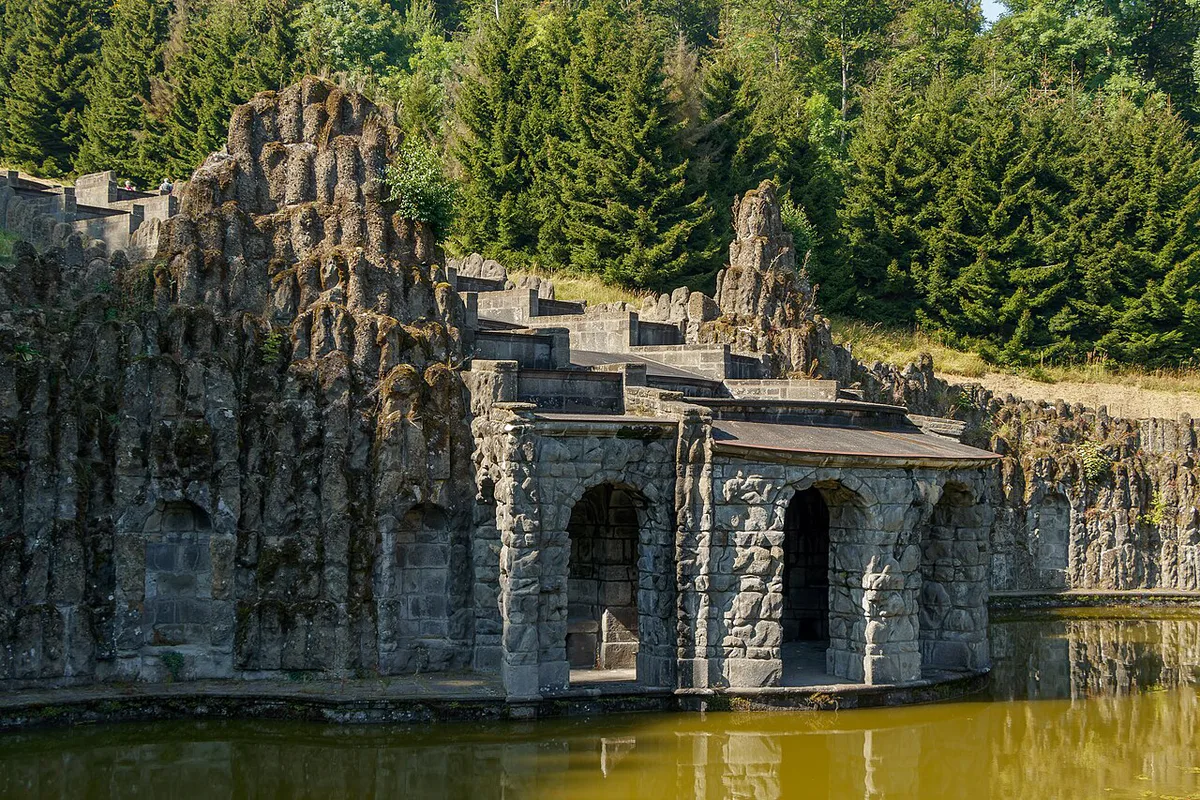
Arrive early on a show day so you are positioned before the display begins. Water takes time to travel down the slope, so shows are best followed from the upper park to the lower park. On an off-show day, start at the top while your legs are fresh and drift downhill.
How to get there: train, tram, bus and car
Take the train to Kassel-Wilhelmshöhe station. From there, a local tram or bus connects toward the park and palace. Check the current line numbers and ticket zones with the local transport operator, because routes change and the numbers are easy to get wrong.
Driving is the alternative. Parking options sit near the palace end and near the upper park, so match your car park to your route. Park at the palace if you plan to climb and then return downhill. Use the upper side if you want to start at the Hercules monument and walk down.
Direction matters more than distance here. Starting at the top and walking downhill is gentler, but you then need a plan for getting back up to your transport. Starting at the palace means a long climb first, with the reward of an easier descent.
Routes: short, medium and full
Choose by effort, not by ambition. The table compares three ways to cover the park, with times left relative because walking pace and stops vary.
| Route | Who it suits | Time and effort | Highlights |
|---|---|---|---|
| Short: palace and lower park | Families, short stays, low-effort days | Shortest, mostly gentle | Palace, lower lawns, the start of the cascades' view |
| Medium: cascades and middle park | Most visitors, show-day plans | About half a day, moderate climb | Cascades, water features, middle-slope paths |
| Full: up to the Hercules monument | Confident walkers, full-day plans | Longest, steep in places, many steps | Hercules monument, summit views, whole slope |
Tickets and what costs extra
Treat the visit as three separate cost layers. The park, the palace museum and the Hercules interior or viewing platform may each have their own rules. Some parts are free to walk, some need a ticket and some are optional extras.
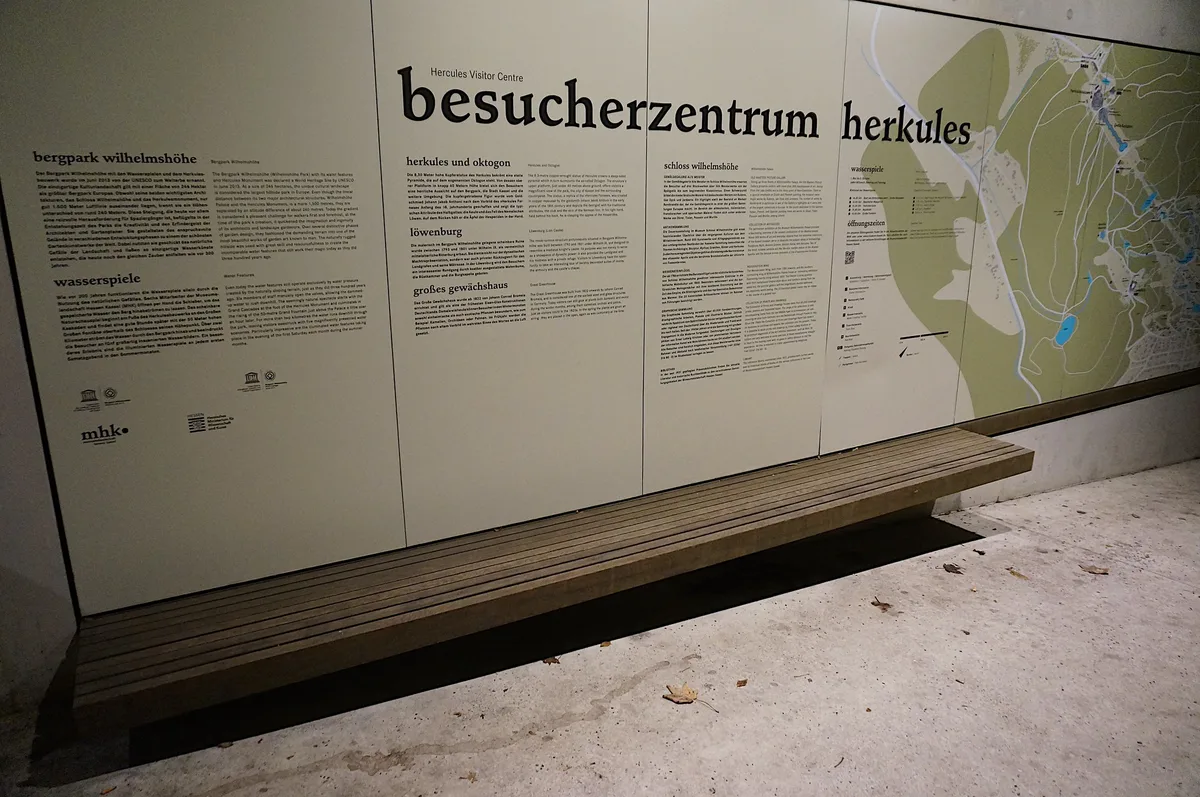
No single fee covers everything, so do not budget from one figure. Check the official Kassel museum pages for current prices, and decide before you go which layers you actually want. If time is short, skip the palace interior and spend the money and hours on the cascades.
Accessibility, kids and weather gear
The slope is the main challenge. Paths near the palace and lower park are the most manageable, including for strollers. The cascades and the climb to the Hercules monument involve stairs, steep sections and uneven surfaces, so reduced mobility makes the upper park hard.
Children do well on the short and medium routes. The full climb tends to wear out small legs, and a stroller will not manage the steps. Wear sturdy shoes with grip, since wet leaves and stone steps get slippery.
Carry a rain layer, because weather on a hillside shifts quickly. Cafe and restroom stops along the route vary, so look at the official visitor information for what is open when you go, and carry water for the upper section.
Combine it with Kassel and Germany's gardens
Bergpark takes most of a day on its own, so pair it lightly. For a flatter second stop, Karlsaue park in Kassel makes a calmer contrast with its lawns and water. If time is short, skip the palace interior and keep the evening for the city.
Readers comparing historic landscape parks can look at Muskau Park (Fürst-Pückler-Park Bad Muskau): UNESCO Visitor Guide on the Polish border. Another option is the Wörlitz garden realm, which is a very different, flatter landscape. For a lighter garden day, Hermannshof in Weinheim is far easier on the legs. Our guide to gardens in Germany places all of these on one map.
Frequently Asked Questions
Is Kassel, Germany worth visiting?
Yes, mainly for Bergpark Wilhelmshöhe, the UNESCO-listed hillside park with the Hercules monument and its water display. Karlsaue offers a gentler second park in the city. Plan at least a half-day for the Bergpark alone.
Bloom-season notes
Optional updates when we add or revise garden guides.
Continue reading
Guides on the same trip