Muskau Park (Fürst-Pückler-Park Bad Muskau): UNESCO Visitor Guide
Muskau Park spans Germany and Poland. Plan your visit with sides to choose, border crossing, tickets, getting there, best season, and how long to stay.
Last updated November 2026: Muskau Park (German Fürst-Pückler-Park Bad Muskau, Polish Park Mużakowski) is a UNESCO-listed landscape park on both banks of the Lusatian Neisse. It sits on the German–Polish border and is one park shared by two countries. Plan for two sides, two currencies and a lot of walking.
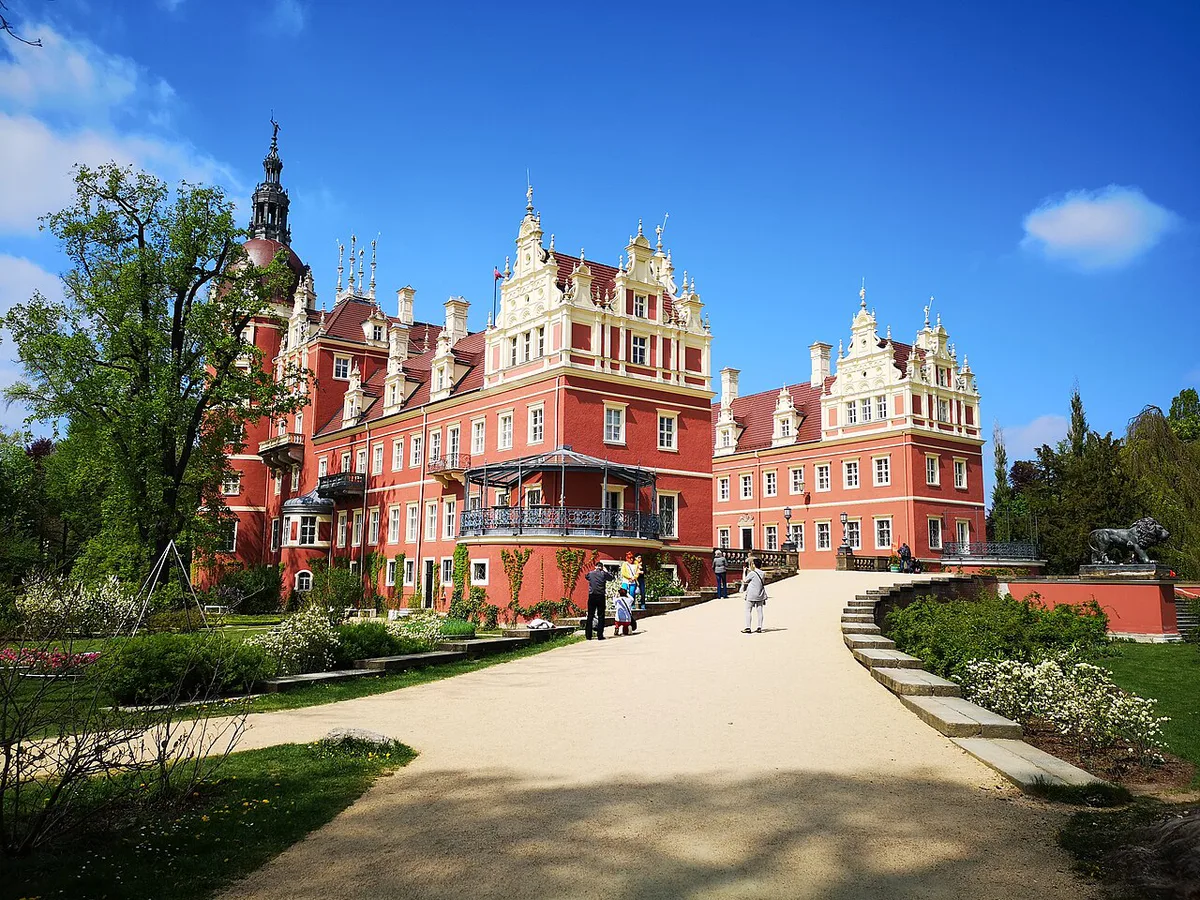
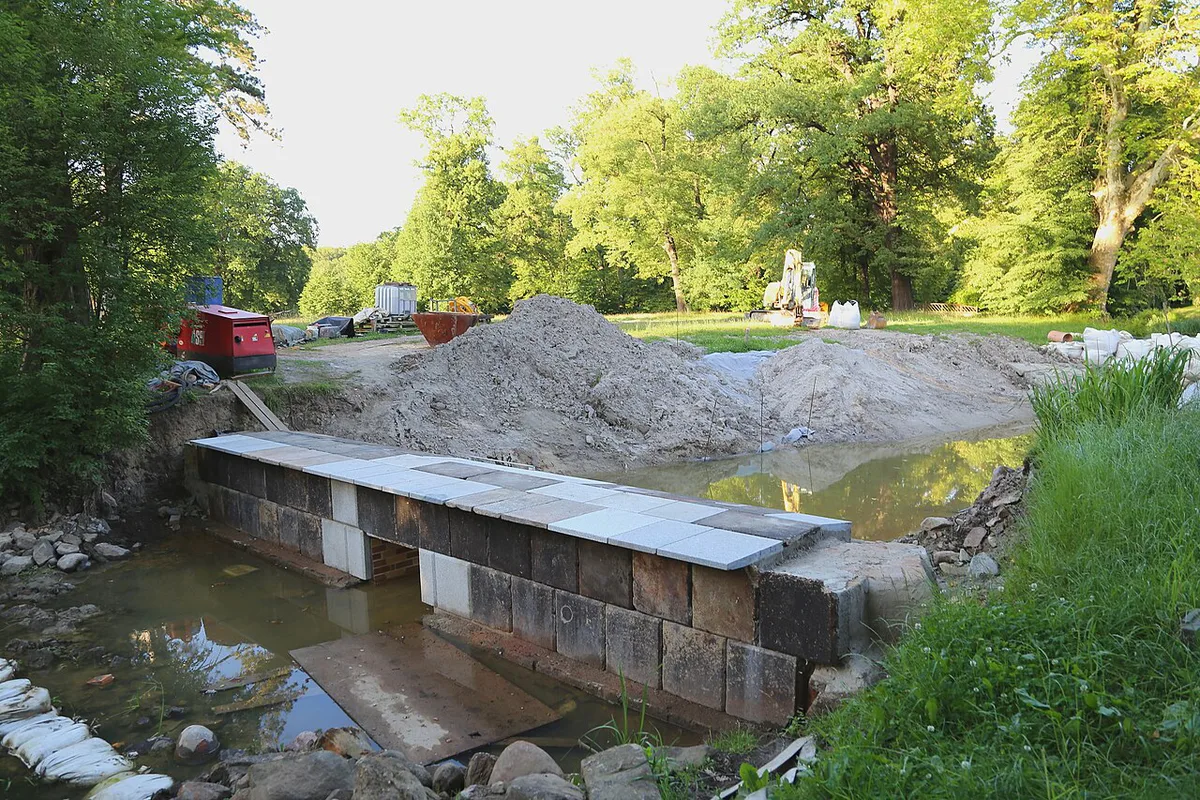
Featured image: Riccardo Schmidt, CC BY-SA 4.0, via Wikimedia Commons.
What Muskau Park Is, and Why It Is Worth Visiting
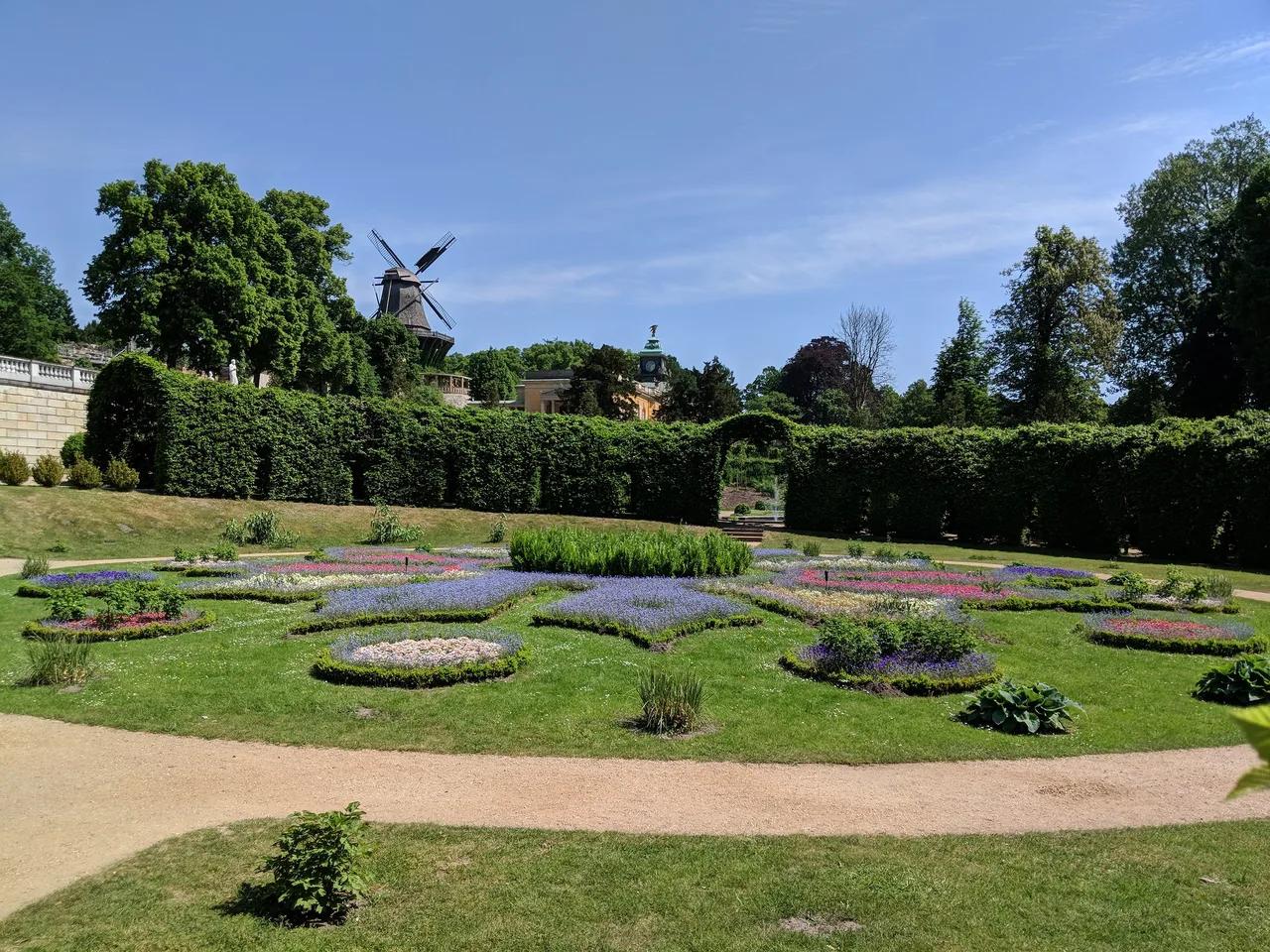
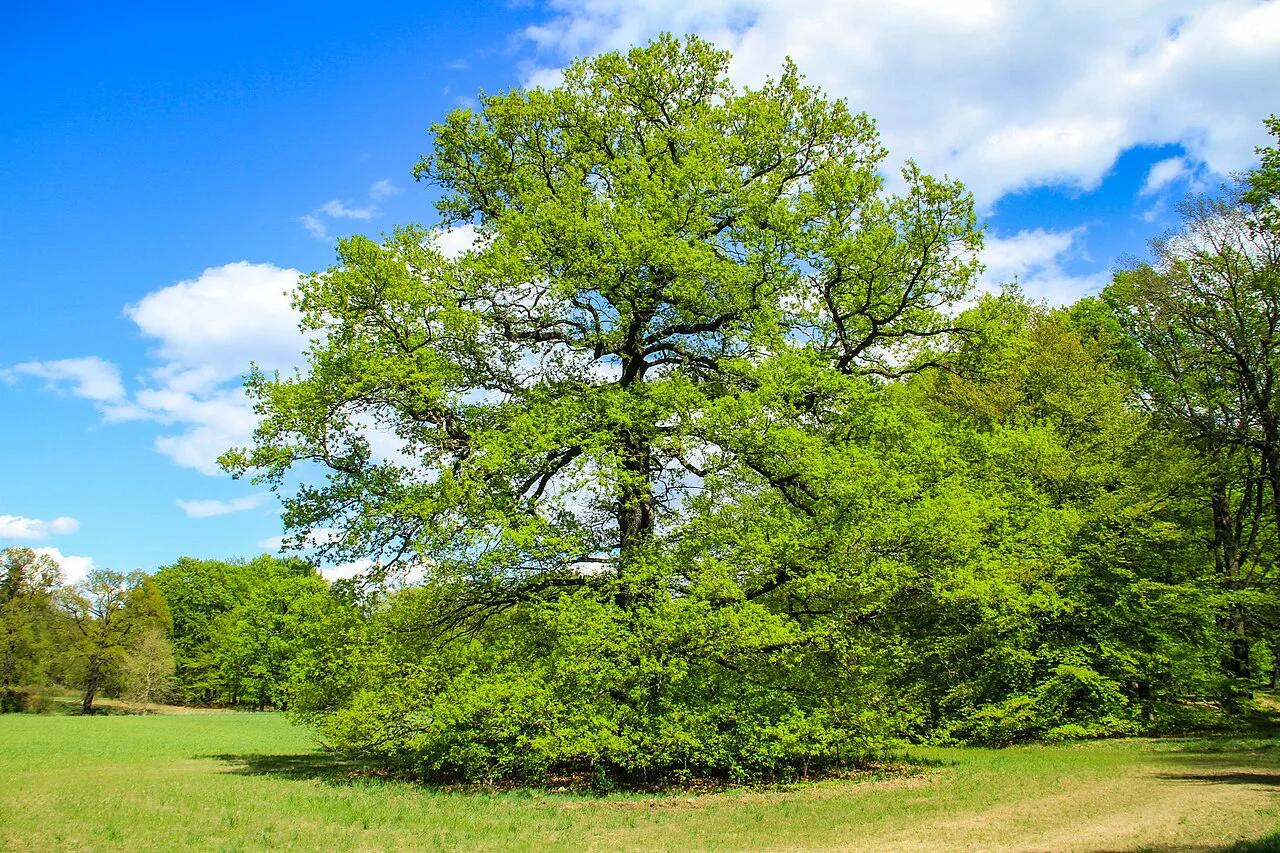
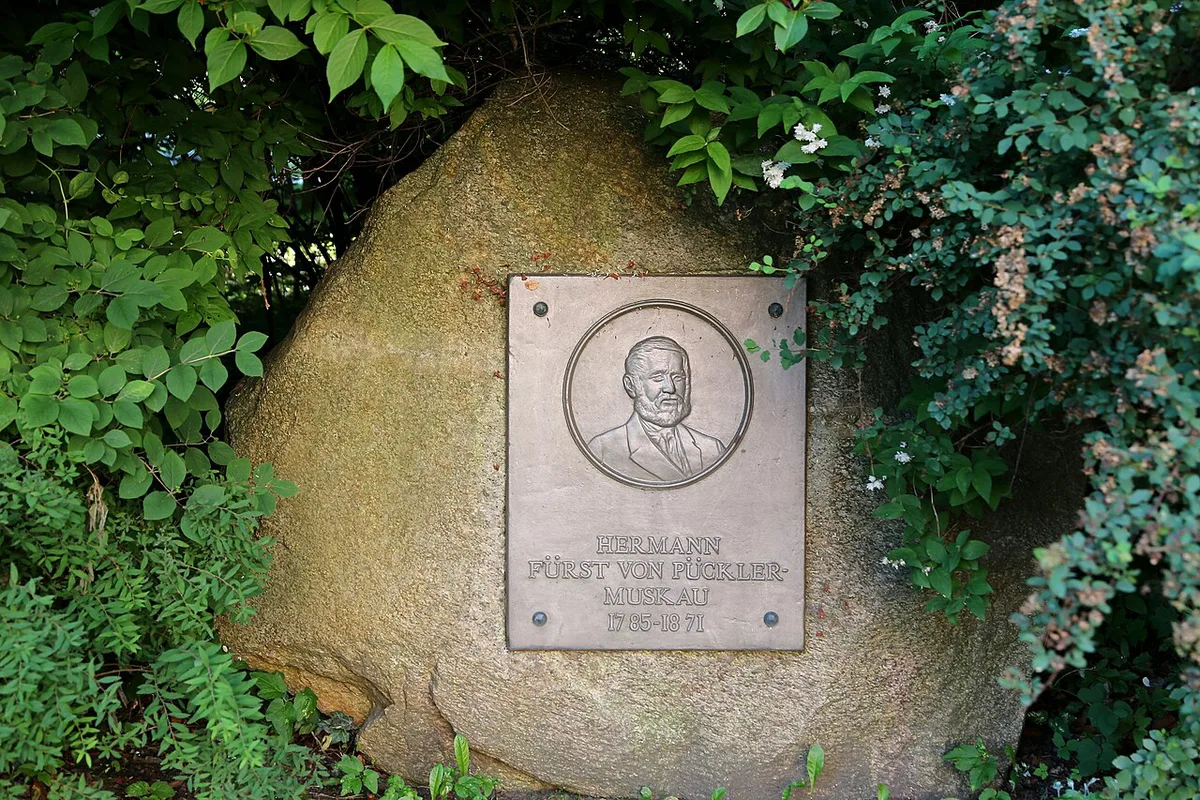
Hermann von Pückler-Muskau created the park between 1815 and 1844. He inherited the estate in 1811 and was forced to sell it in 1845 for financial reasons. UNESCO's description gives the area as about 559.9 ha. Pückler worked in a style described as ‘painting with plants’. He used local plants and the existing landscape instead of imposing a classical ideal. The park reaches into the town of Muskau, so the town itself is part of the design. Eduard Petzold continued the work under the next owner. He added paths, bridges, the arboretum and the Lower Mountain Park. Second World War damage was severe: two-thirds of the town's buildings, two castles and all the bridges were destroyed. Afterwards the Neisse became the border, which is why one park now belongs to two countries.
Germany Side or Poland Side? How to Choose
Treat the Neisse as a dividing line you will cross at least once. Most first-time visitors start on the German side and add the Polish bank if time allows.
- German side (Bad Muskau): the town, the castle area and the park foundation's visitor services. Best for first visits and for arrivals by car or train. Trade-off: you see only part of the park if you stop at the river.
- Polish side (Łęknica): the park is called Park Mużakowski here. Best for cyclists and for visitors who want the second bank of the park. Trade-off: you pay in PLN and need to plan the return crossing.
- Both sides: the only way to see the park as Pückler designed it. Trade-off: it takes the most time and legwork, and you should read the current border-crossing rules first.
Best Things to See and Do in Muskau Park
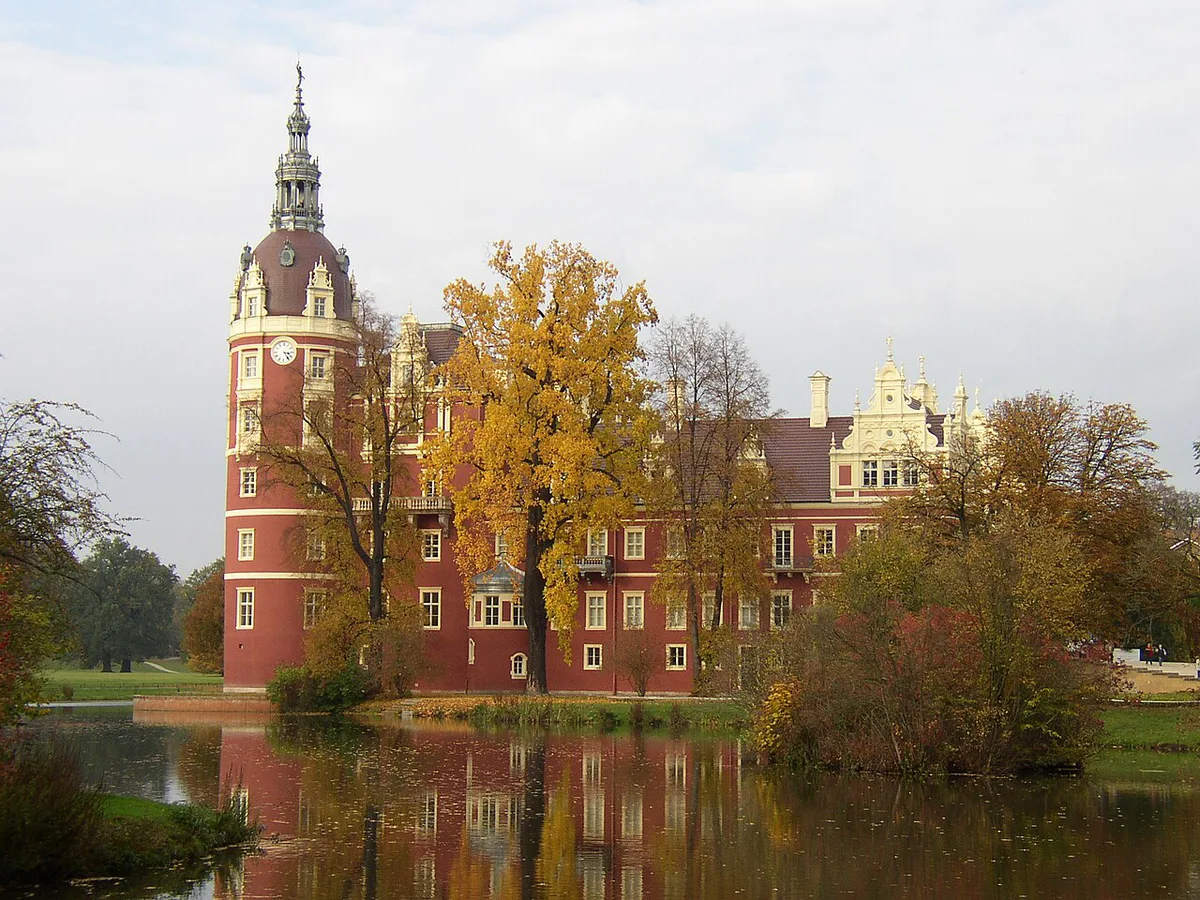
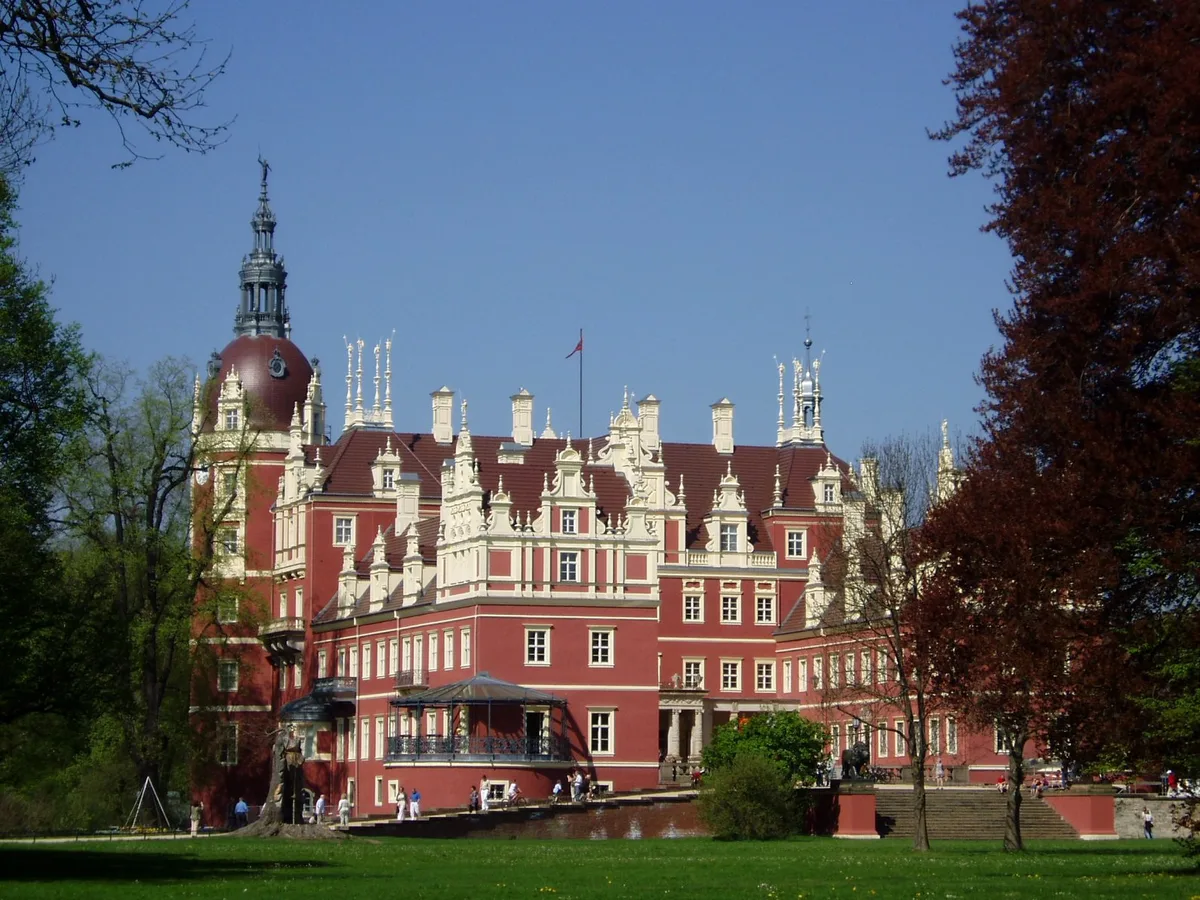
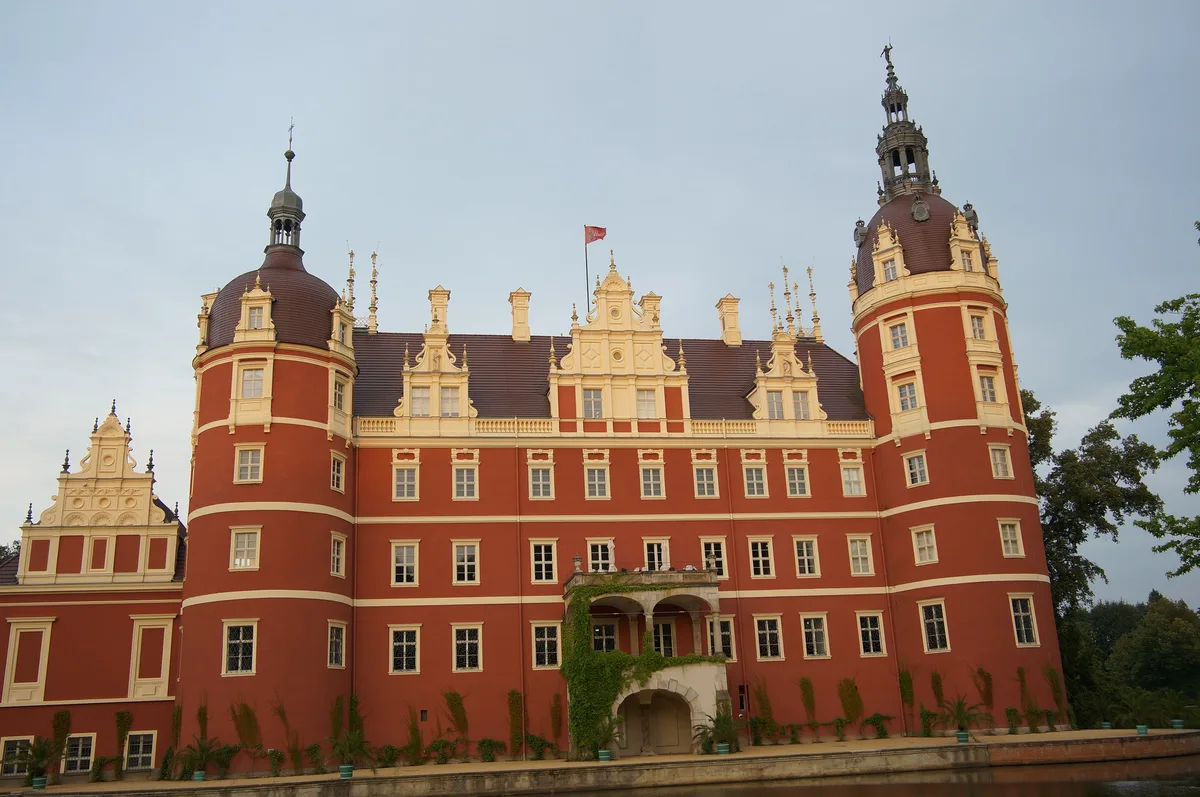
Start in the castle area of Bad Muskau, where Pückler first pulled down the fortifications and moat. He then built an artificial watercourse through the castle park. It widened into the castle lake and was finished in 1819. Over the next five years he rebuilt the castle, built two bridges, a Gothic chapel and an English-style cottage. Smaller bridges across the river followed in 1826. After 1829 he began reshaping the Upper Mountain Park. Petzold's arboretum and Lower Mountain Park came later. These named stops are worth plotting on your map before you set out:
- Wehrinsel and the Neisse border
- Fuchsienbrücke
- Ruine der Bergkirche
- Clementinen-Eiche
- Weinbergteich (Feuerturmteich) in the Bergpark
- Badepark Bad Muskau
How Long to Spend at Muskau Park
A park of 559.9 ha rewards a plan. Pick a pace before you arrive, then choose the side to start from.
| Plan | Effort | Best for | Skip if |
|---|---|---|---|
| Half day | Low to moderate | Castle area and the nearest paths on one bank | You want to cross into Poland and back |
| Full day | Moderate to high | Both banks, the arboretum and a mountain park | You have limited mobility or small children |
| Two days | Relaxed | Walking one bank per day, or cycling the area | You are only passing through on a short itinerary |
Tickets, Costs and Opening Hours
Park entry terms, exhibition prices and opening hours are set by the park foundation, so check the official park site before you go. Pay in EUR on the German side and in PLN on the Polish side, and carry some cash as well as a card.
Getting There and Getting Around
Bad Muskau is the German gateway, and Łęknica is the Polish one. Berlin, Dresden, Cottbus and Görlitz are the usual starting cities. Run each journey through a route planner for current train links, the final leg and the nearest car park. Cars suit the longer approaches. Cyclists can reach the park on regional routes such as the Oder-Neisse Cycle Path, which runs through the area as a long-distance route rather than a park circuit. Inside the park, walking and cycling are the main ways to move between the two banks. Border crossing and ID rules can change, so read the current German and Polish government guidance before you cross.
Where to Stay and Eat
Bad Muskau suits visitors who want to stay close to the castle area and arrive by train or car. Łęknica suits cyclists and travellers who prefer the Polish bank. Cyclists report the area as a favourite overnight stop on longer rides. Pick lodging on the bank where you plan to start, because the crossing adds time at both ends of the day. Carry both EUR and PLN when you eat out.
Best Time to Visit
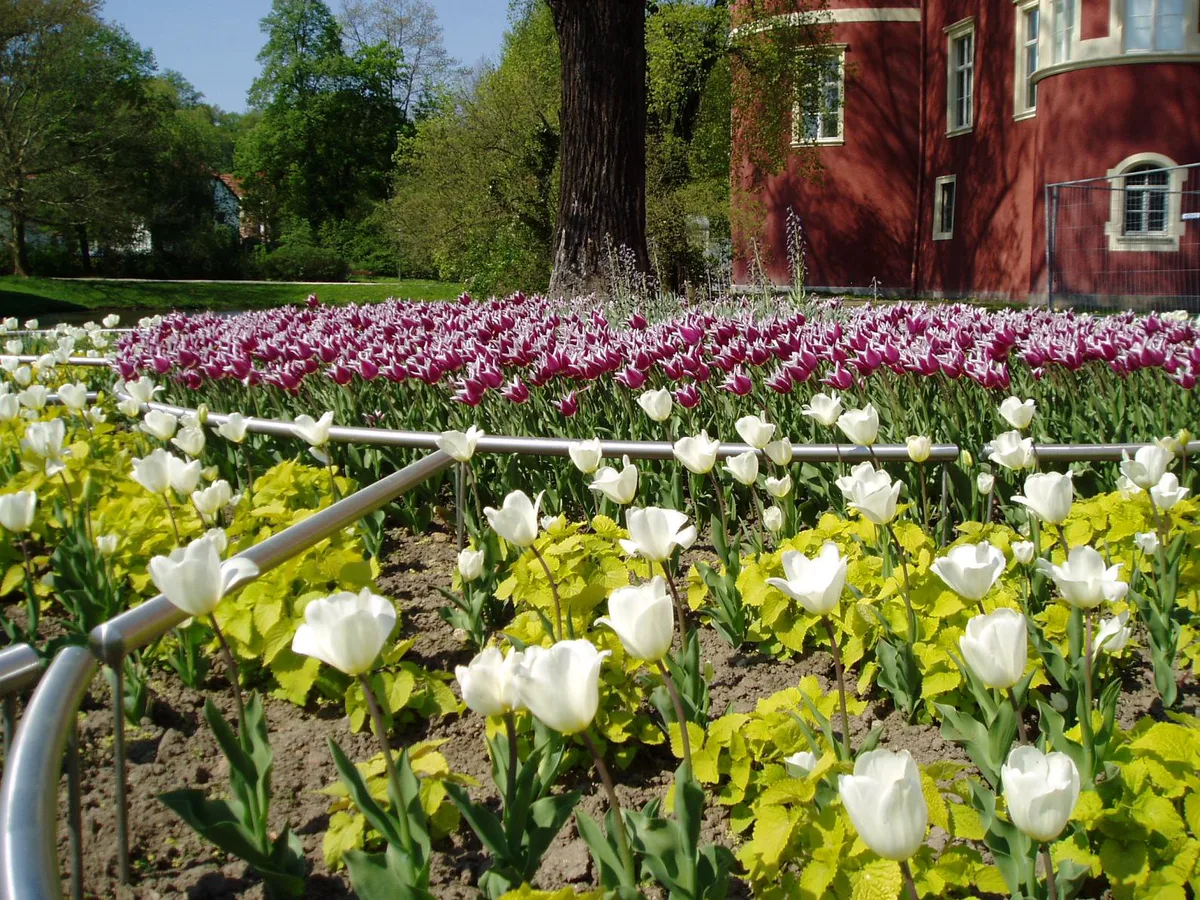
Spring and autumn suit a park built from trees, water and long views. Peak bloom and colour change from year to year, so ask the park foundation for current notes before you plan around a date. Winter is a different trip. A late-November forecast showed 2°C by day and 0°C at night, so pack for ice. Daylight is short, so start early and leave extra time to return.
Mistakes to Avoid at Muskau Park
Most problems come from underestimating the park.
- Planning only one bank and missing half the design.
- Underestimating distances in a 559.9 ha park.
- Relying on a single currency when the park straddles EUR and PLN.
- Skipping the current border-crossing and ID rules.
- Arriving without a map of the paths and bridges.
Is Muskau Park Worth the Detour?
Garden enthusiasts get the strongest case for the trip. Wörlitz's landscape garden is the closest comparison in the English park tradition. Families and short-itinerary visitors may prefer a half day on one bank. Cyclists can fold the park into a longer ride. From Berlin, closer options include Berlin's Gardens of the World. Berlin's botanic garden is another closer pick. A third is the Britz park. For other large historic parks, see Wilhelmshöhe's hillside park and Kassel's Karlsaue. More regional picks include Weinheim's Hermannshof garden, Essen's Grugapark, Bremen's rhododendron park and Munich's botanical garden. Browse more German gardens to build a longer route.
Bloom-season notes
Optional updates when we add or revise garden guides.
Continue reading
Guides on the same trip