Studley Royal Water Garden: Visitor Guide to the Park
Plan a visit to Studley Royal, the water garden beside Fountains Abbey near Ripon. Learn how it differs from the abbey, what to see and how to pick a route.
Last updated November 2026: Studley Royal is the 18th-century water garden and deer park beside the Fountains Abbey ruins near Ripon, North Yorkshire. Both sit within one World Heritage Site that the National Trust looks after. This guide separates the garden from the abbey and helps you choose a route.
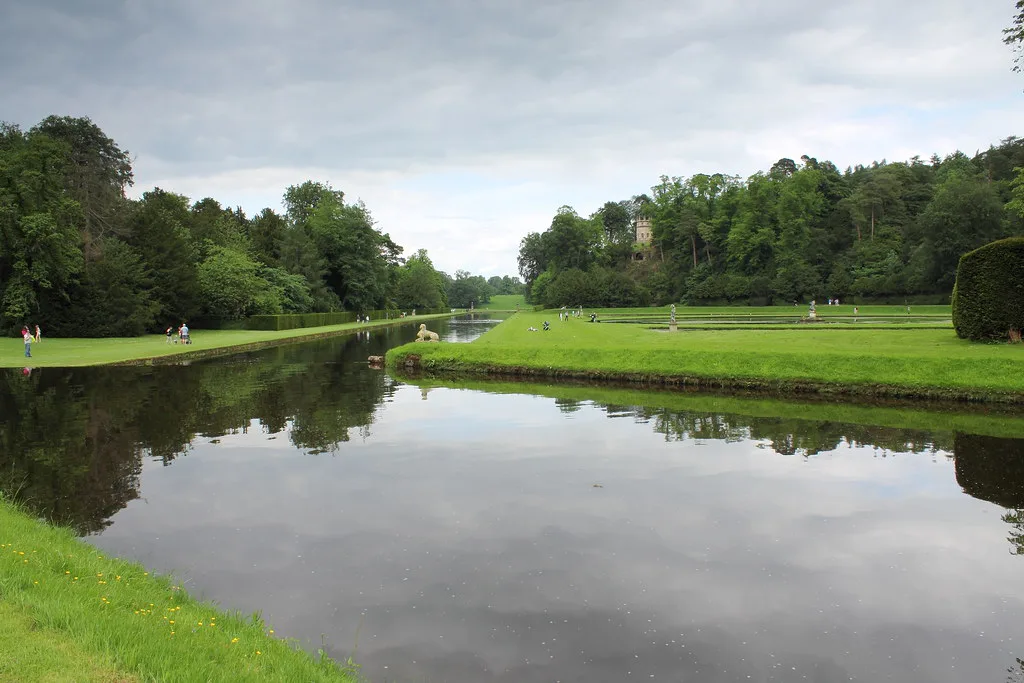
Featured image: puffin11uk, CC0 1.0, via Flickr.
What Studley Royal is, and how it differs from Fountains Abbey
Studley Royal and Fountains Abbey were once separate estates. William Aislabie bought the abbey lands in 1767 and joined the two, and the combined site now covers about 323 hectares. The National Trust runs both halves as one visit, which is why searches for the name often return abbey pages. Use the list below to tell the parts apart.
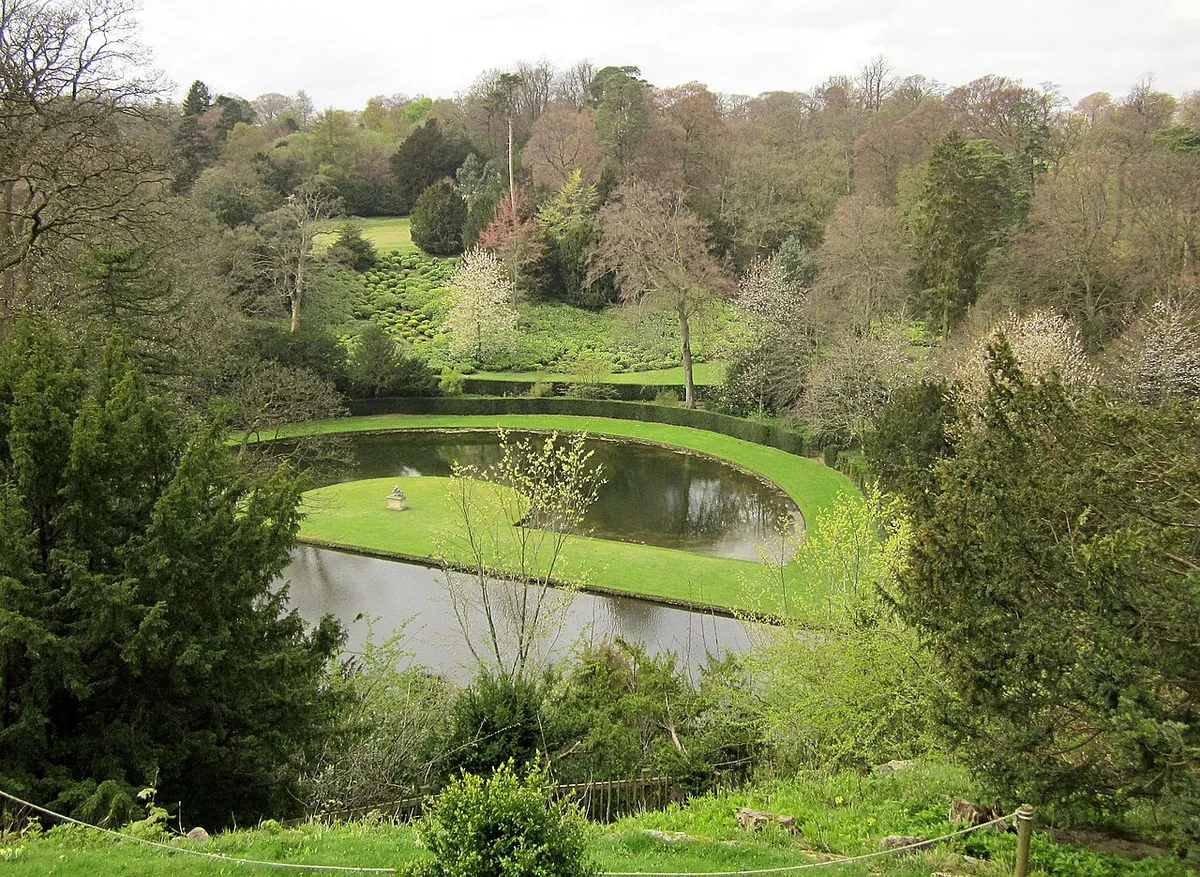
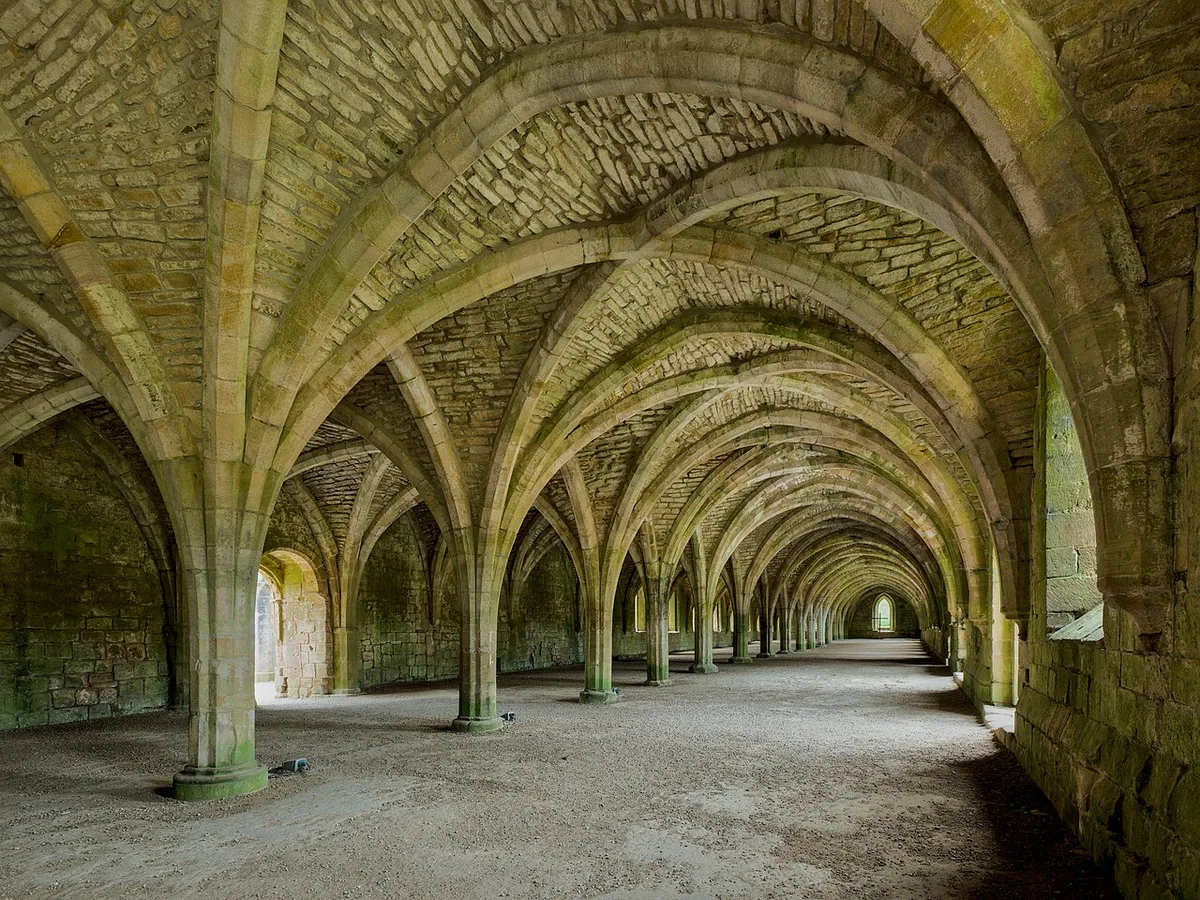
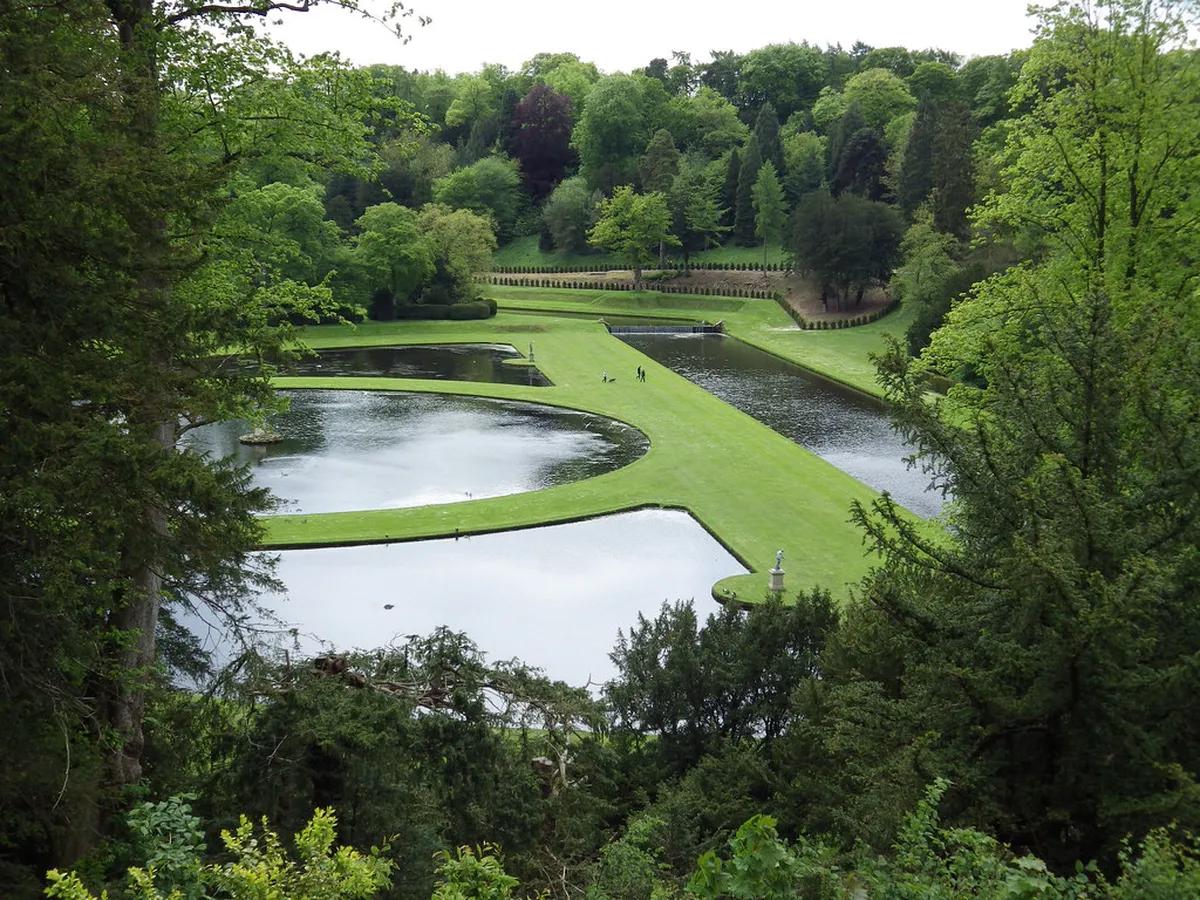
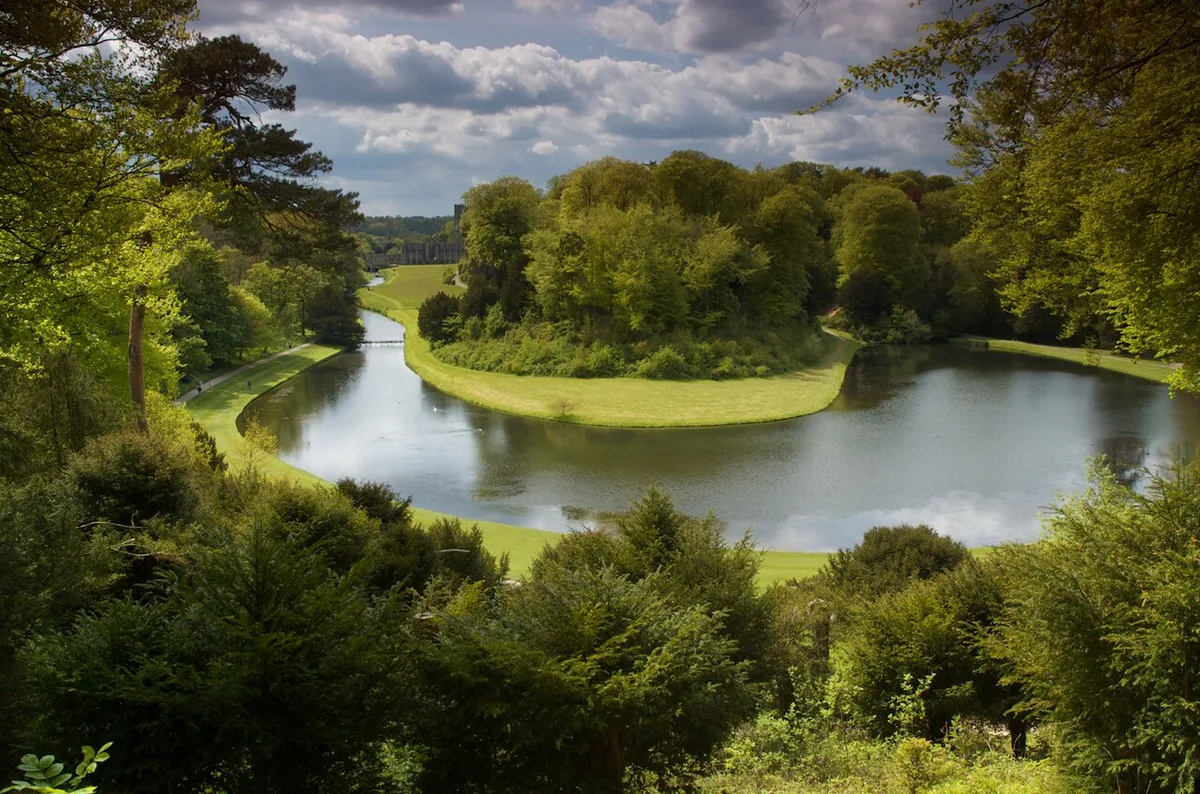
- Studley Royal water garden: the Georgian landscape of ponds, canals and garden buildings laid out under John Aislabie.
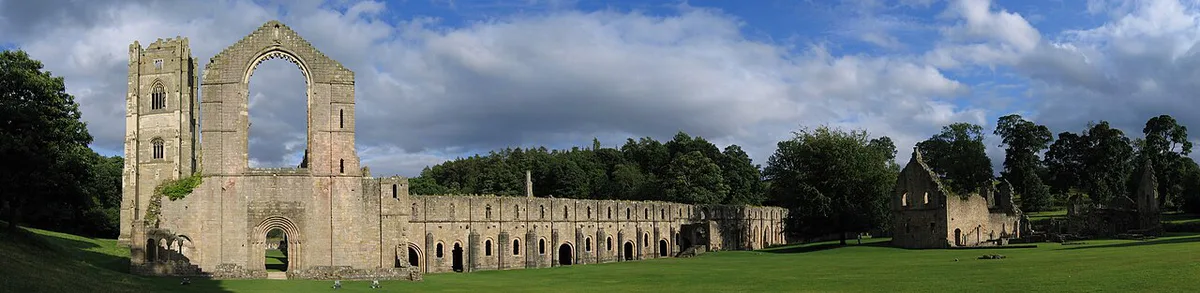
- Fountains Abbey: the ruins of the Cistercian abbey that the park grew around.
- Fountains Hall: the Jacobean mansion beside the abbey.
- St Mary's Church: the Victorian church designed by William Burges.
- Deer Park: the open parkland around the garden.
What to see in the water garden and park
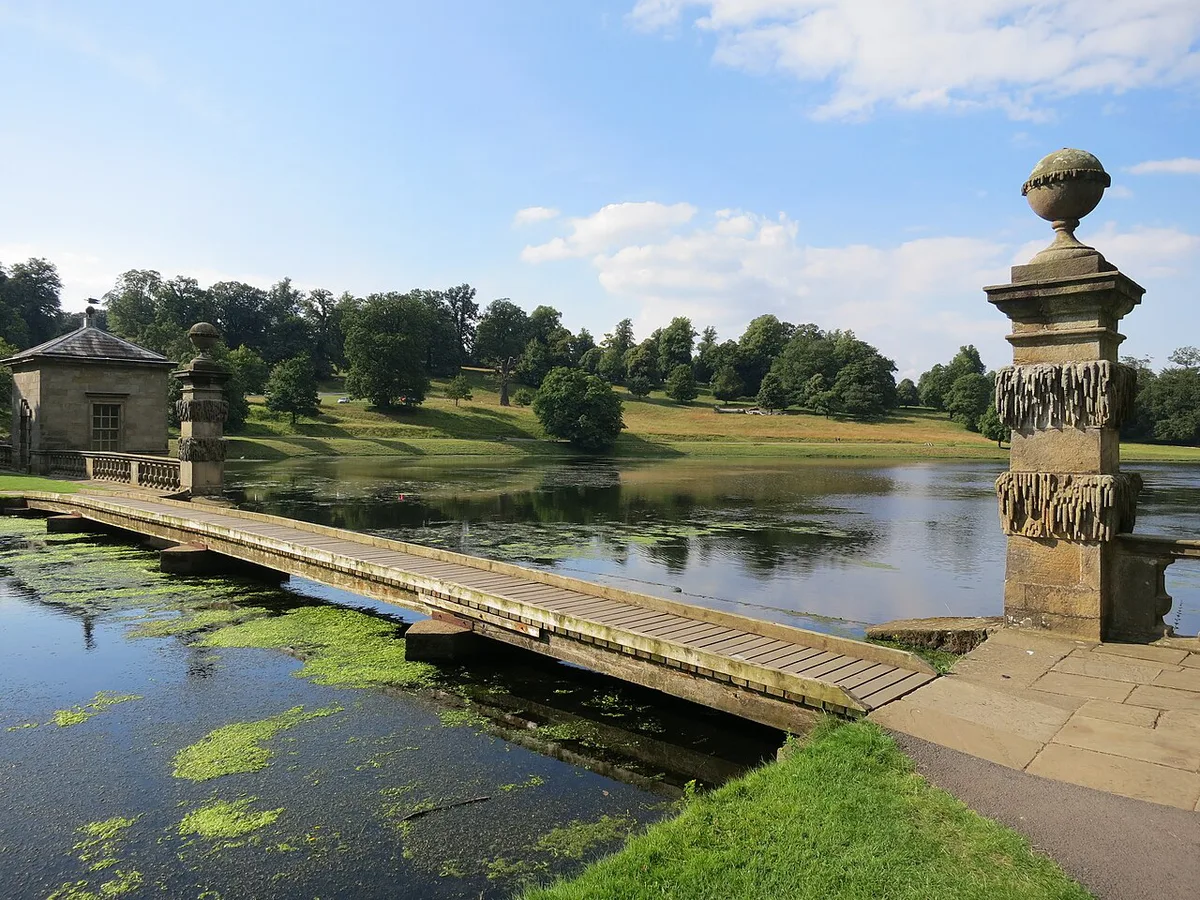
John Aislabie began the water garden in 1718. Its formal water and its garden buildings are the reason most people come. Each stop below suits a different pace, so you can add or drop them as time allows.
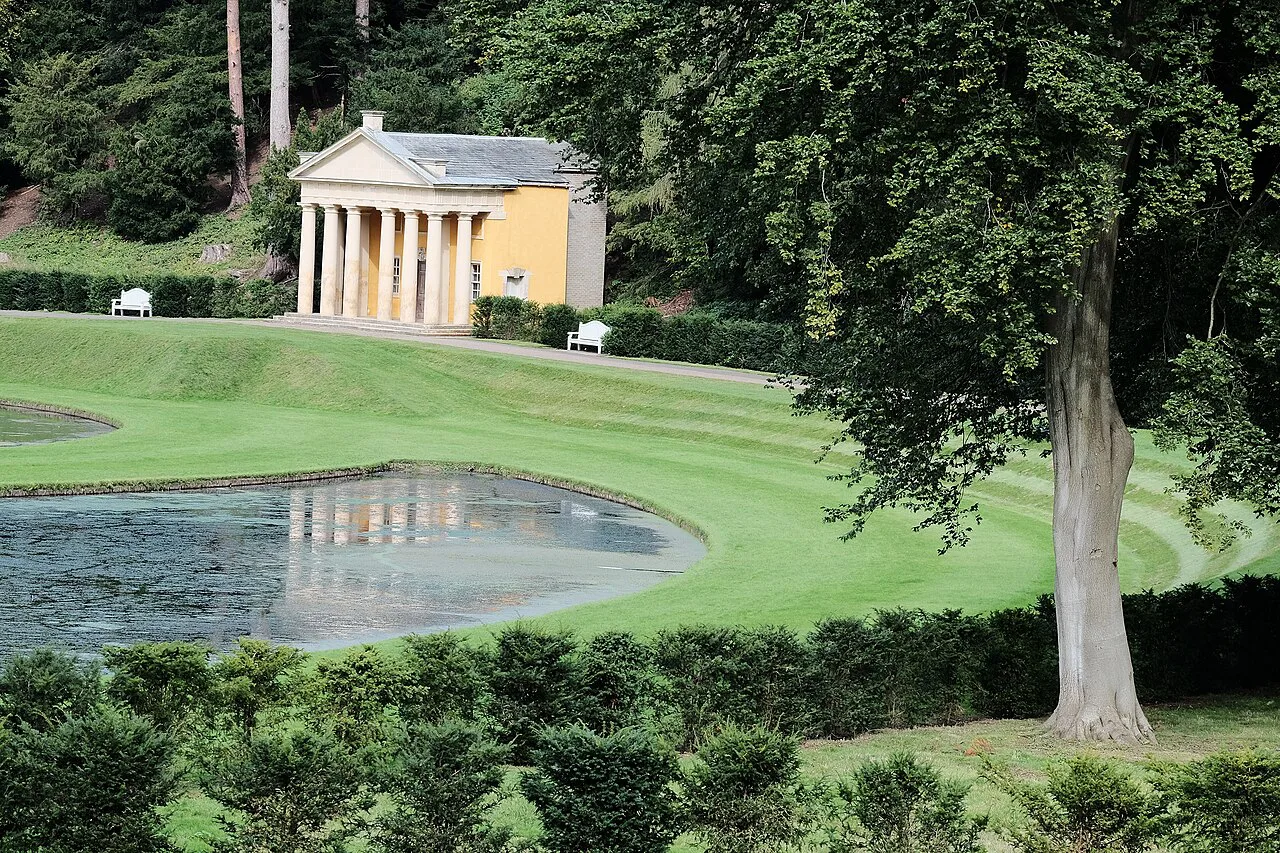
- Temple of Piety: a garden building attributed to Aislabie, set among the water features.
- Banqueting House: another garden building, useful as a mid-walk stop.
- How Hill Tower: a viewpoint structure on the higher ground of the estate.
- Deer Park: open parkland where you can walk beyond the formal garden.
- St Mary's Church: consecrated in 1878 and designed by William Burges for the First Marquess of Ripon.
- Studley Royal House: a ruin since a fire in 1946.
How long to allow and which route to choose
Time depends on whether you stay in the water garden, add the abbey, or walk the whole park. The National Trust page gives current timings and last admission, so plan your finish around those. Start with the area that matters most to you, because the valley layout makes backtracking tiring.
Across about 323 hectares, the combined abbey and garden site is large, so decide your route before you arrive.
| Visit type | What it covers | Best for |
|---|---|---|
| Short | Water garden highlights and the nearest garden buildings | Rainy-day or tight itineraries |
| Medium | Water garden plus the abbey ruins | First-time visitors and history fans |
| Full | Garden, abbey, Fountains Hall, Deer Park and St Mary's Church | Photographers and keen walkers |
Tickets, membership and opening times
Prices, opening hours and last admission change by season, so use the National Trust page for current figures. The trust has owned the site since 1983, and its members enter under their membership.
Getting there, parking and access
Entrances, car parks, step-free routes, dog rules and public transport options are listed on the National Trust page. Paths run through a valley, so expect slopes and wear sturdy footwear.
- Suits well: history fans, garden photographers and walkers who like long, varied routes.
- Could skip: anyone with under a short half day, or anyone who needs fully flat routes and has not checked the access notes.
- Common mistake: arriving late for a full circuit.
- Common mistake: assuming the park is flat.
When to go
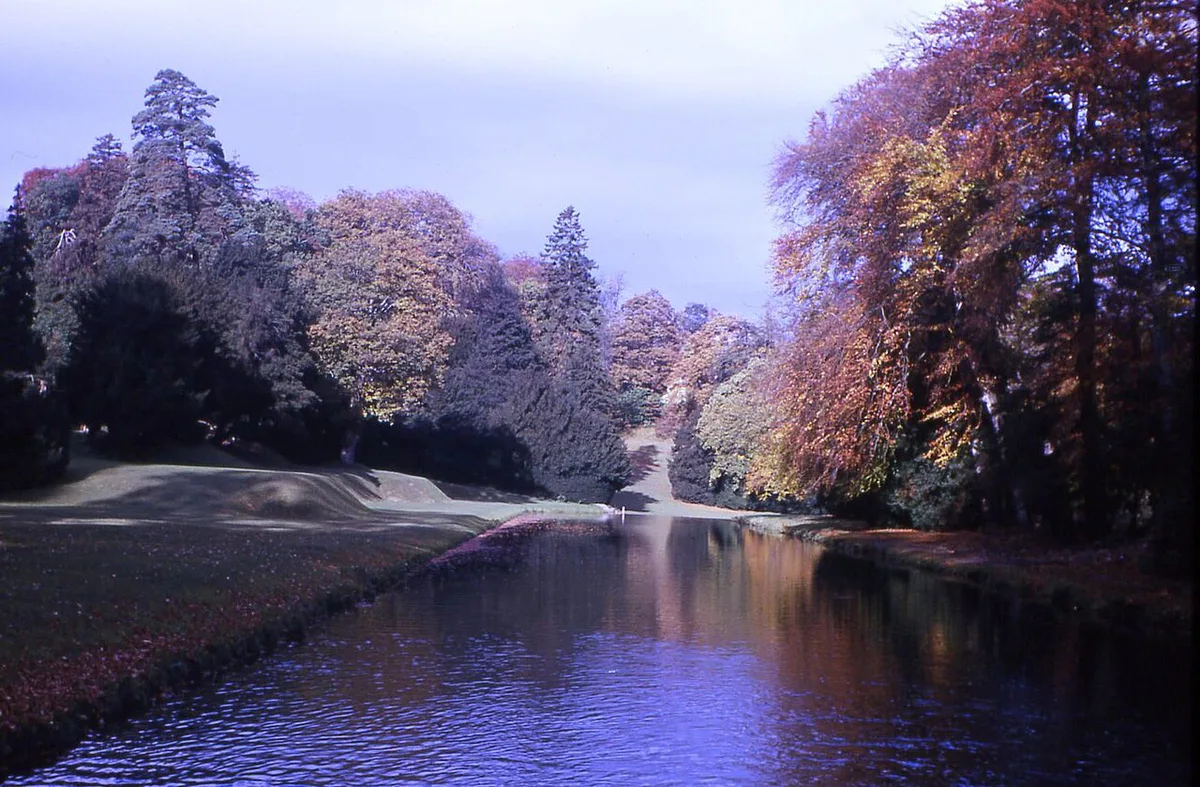
Autumn colour and low winter light both suit the water and the ruins. Events and limited-access periods vary by year, so look at the National Trust page before you set a date. Arriving early gives you the most daylight for a full circuit.
Where to stay and what to pair it with
Ripon is the nearest base named for this visit. Harrogate is another option, and Visit Yorkshire lists local accommodation. From a Harrogate base, RHS Garden Harlow Carr: Visitor Guide and What to See makes a natural second garden stop. Newby Hall's gardens and Castle Howard's gardens are other Yorkshire options, though you should check distances before planning them for one day. For a wider trip, see our guide to 8 Best Gardens in Yorkshire: Where to Go and When.
How to read the landscape as you walk
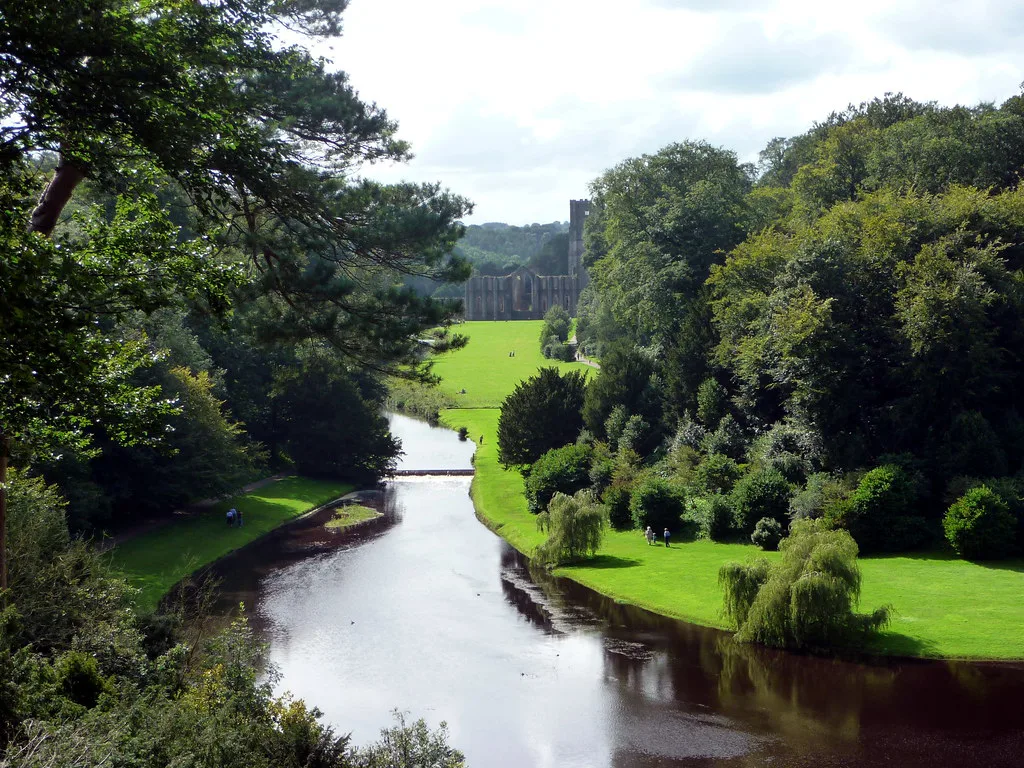
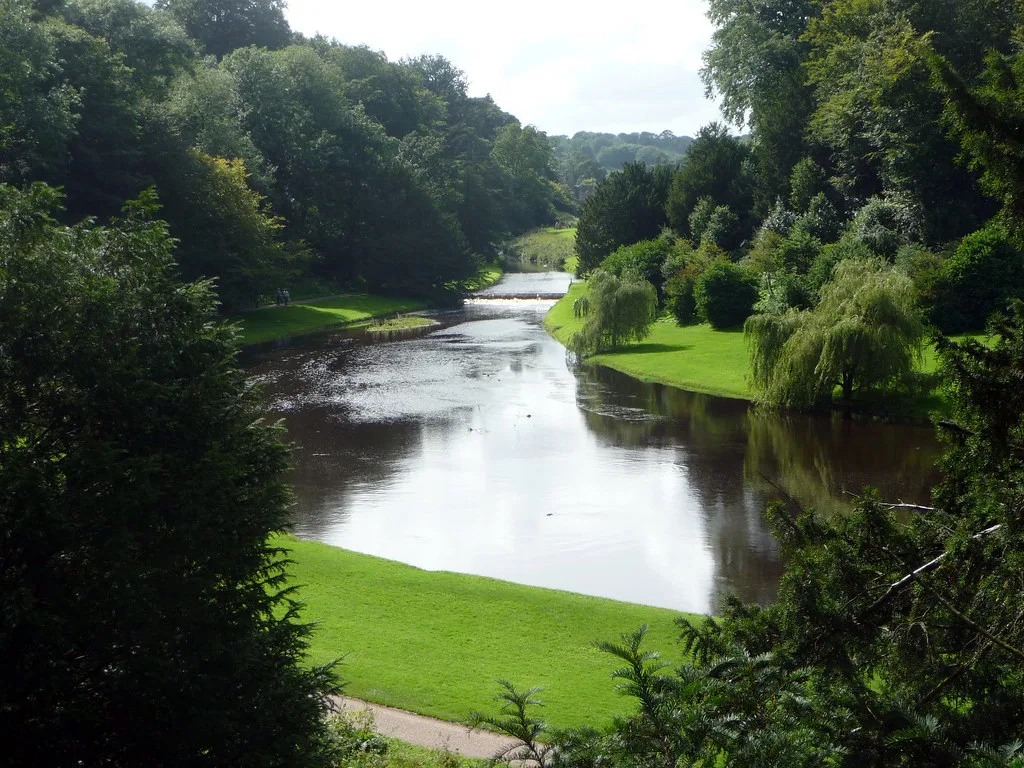
Studley Royal works best when you treat it as several connected landscapes rather than a single formal garden. John Aislabie began shaping the water garden in 1718, so the ponds, canals and garden buildings are central to the visit. The abbey ruins add a much older layer beside that designed landscape.
William Aislabie joined the estates after buying the abbey lands in 1767. That history explains why a walk can move from formal water features to monastic ruins, parkland and later buildings without a clear break. St Mary’s Church is one of those later additions: it was consecrated in 1878.
For a more satisfying visit, pause at the change between each setting instead of rushing between landmarks. The 323-hectare site is large enough that the water garden, abbey and Deer Park can feel like separate destinations. Choose the landscape that interests you most first, then add the others if your energy and daylight allow.
Frequently Asked Questions
Is Fountains Abbey free for National Trust members?
National Trust members enter under their membership. Check the official page for current rules on parking and special events.
Why is Fountains Abbey in ruins?
The abbey passed into private ownership after the Dissolution of the Monasteries. Later owners used the land, and the ruins became the focus of the park.
Bloom-season notes
Optional updates when we add or revise garden guides.
Continue reading
Guides on the same trip