Little Sparta: Visiting Ian Hamilton Finlay's Garden
Little Sparta is Ian Hamilton Finlay's art garden in the Pentland Hills near Dunsyre. See what it is, how to plan a visit and who it suits.
Last updated November 2026. Little Sparta is the garden-as-artwork made by the poet and artist Ian Hamilton Finlay in the Pentland Hills, near Dunsyre in South Lanarkshire. It is an art garden of inscribed stones, pools and classical references, not a flower garden. If you want plants, start with our guide to gardens in Scotland instead.
Featured image: Tim A, CC BY 4.0, via Flickr.
What Little Sparta is (and what it is not)
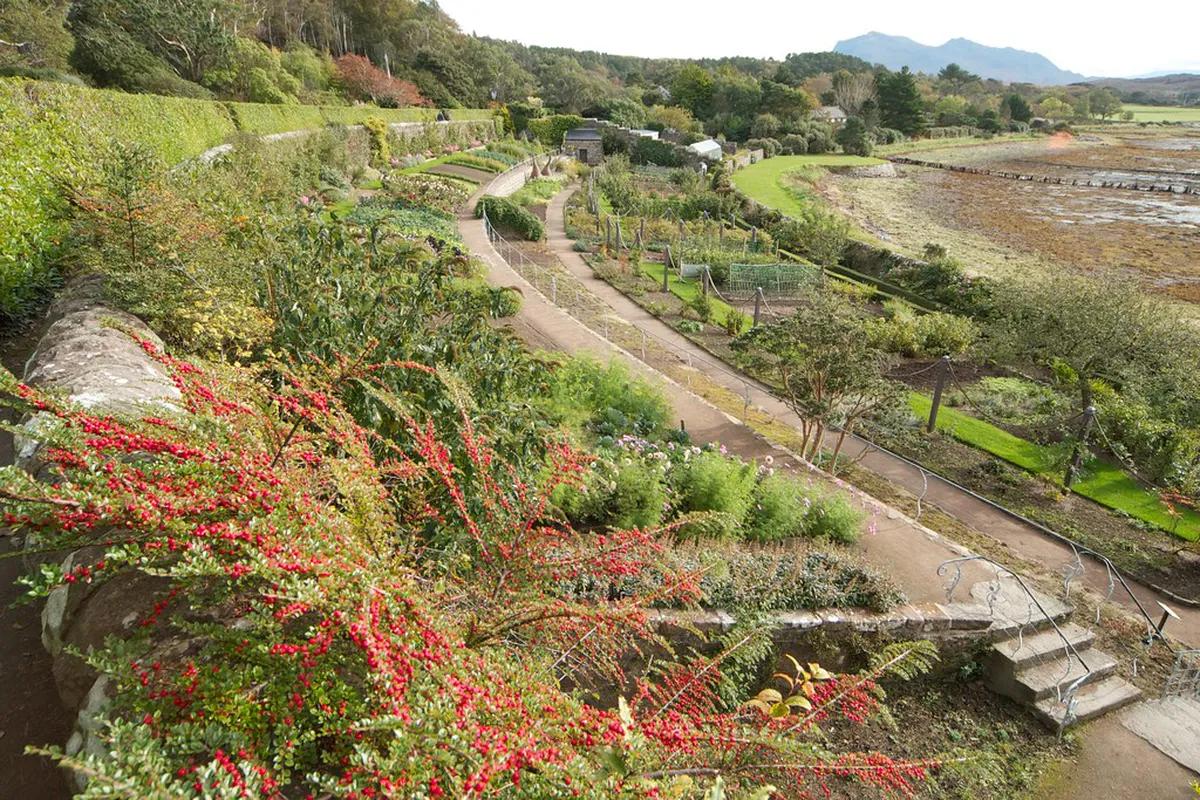
Little Sparta is a conceptual garden. Finlay treated the whole site as one work, and the planting, water and stonework all carry meaning. You come here to read and look, not to admire borders. Scotland's best-known gardens are mostly horticultural, so this one sits apart from them. Expect a thinking garden rather than a collection of rare plants.
Ian Hamilton Finlay and the idea of the garden
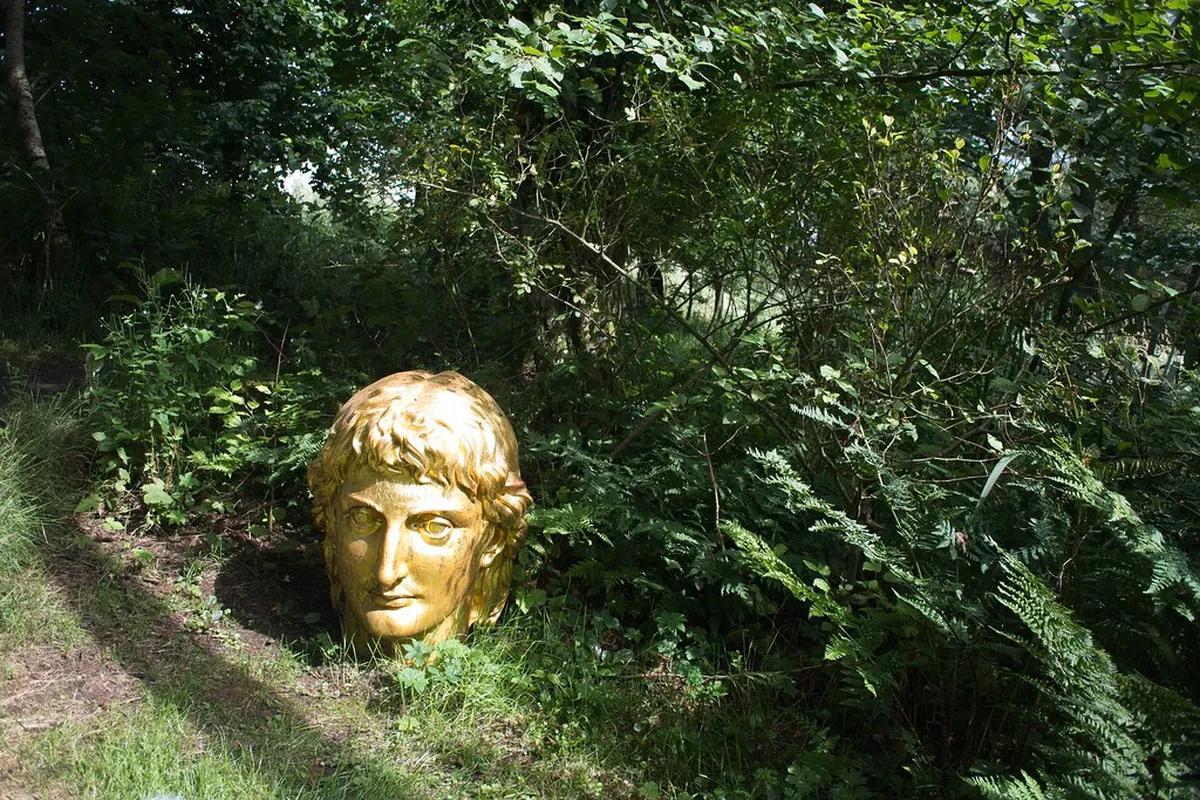
Finlay was a poet and artist, and he made the garden with his wife Sue from 1966. He saw a garden as a place where poetry could be built in stone, water and planting. Classical antiquity runs through his work. Finlay also made a Latin inscription, "Et in Arcadia Ego", a key idea in his output. It can be read as longing for lost paradise, and also as a reminder that death exists even in Arcadia. Little Sparta turns these themes into pedestals, capitals and carved words that look like classical remains. Trust the Little Sparta Trust for the garden's own account of his aims.
What you will see at Little Sparta
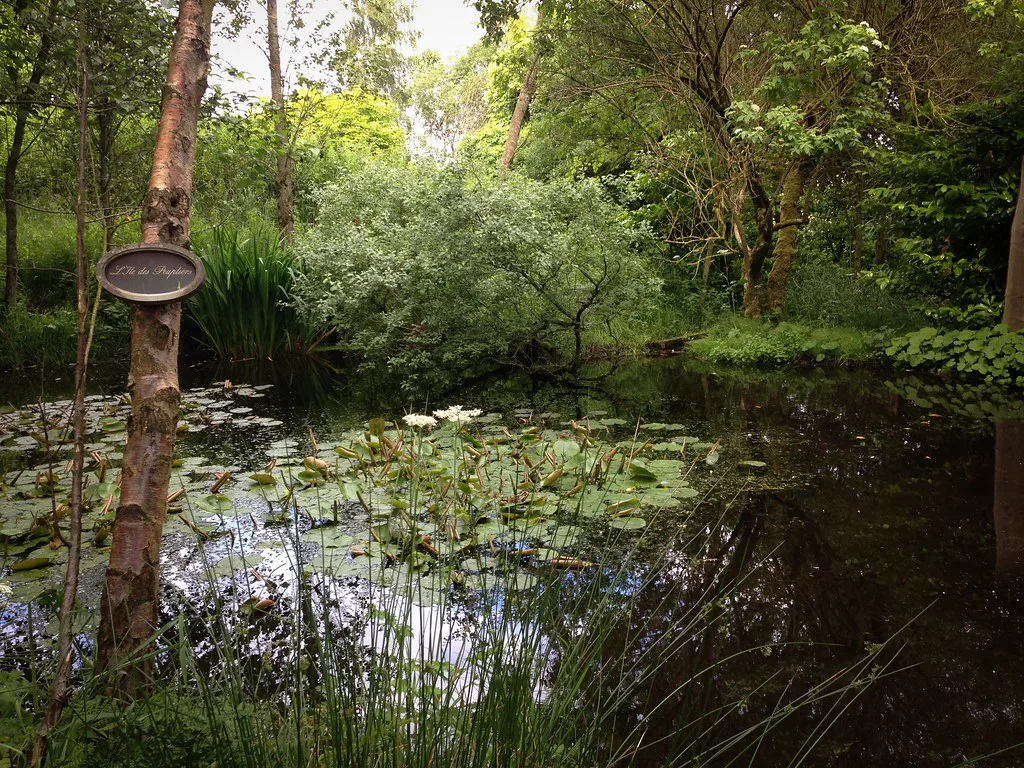
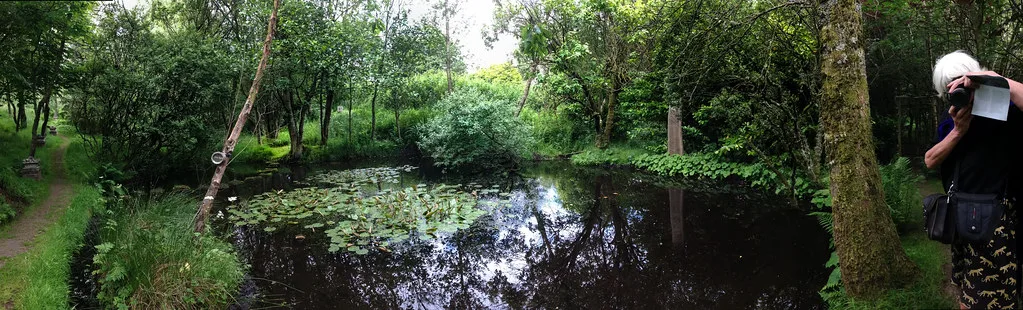
Water is central. Lochan Eck is a pond edged with reeds and rushes, and it is one of the garden's best-known corners. Elsewhere you meet inscribed stones, antique-looking pedestals and sculptural pieces that evoke ruins. Some features hint at a lost aqueduct or a stray arrow of Cupid. Read each inscription slowly, then look at what surrounds it. Finlay placed words so that the planting and water complete their meaning. Published figures for the garden's size and artwork count vary, so treat any exact tally with caution.
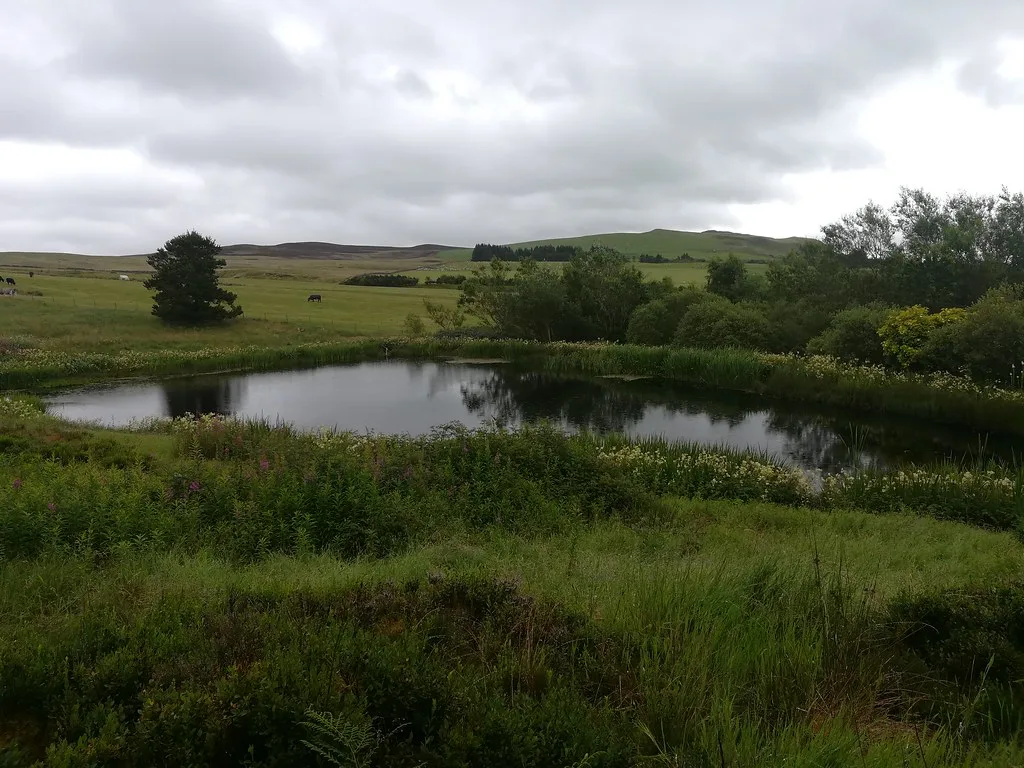
- Look at the water first, then at what the inscriptions say about it.
- Read each carved line alongside its setting, not in isolation.
- Notice how worn-looking stone and new planting are placed together.
- Allow time to sit; the garden rewards slow looking.
Visiting Little Sparta: access, booking, hours and tickets
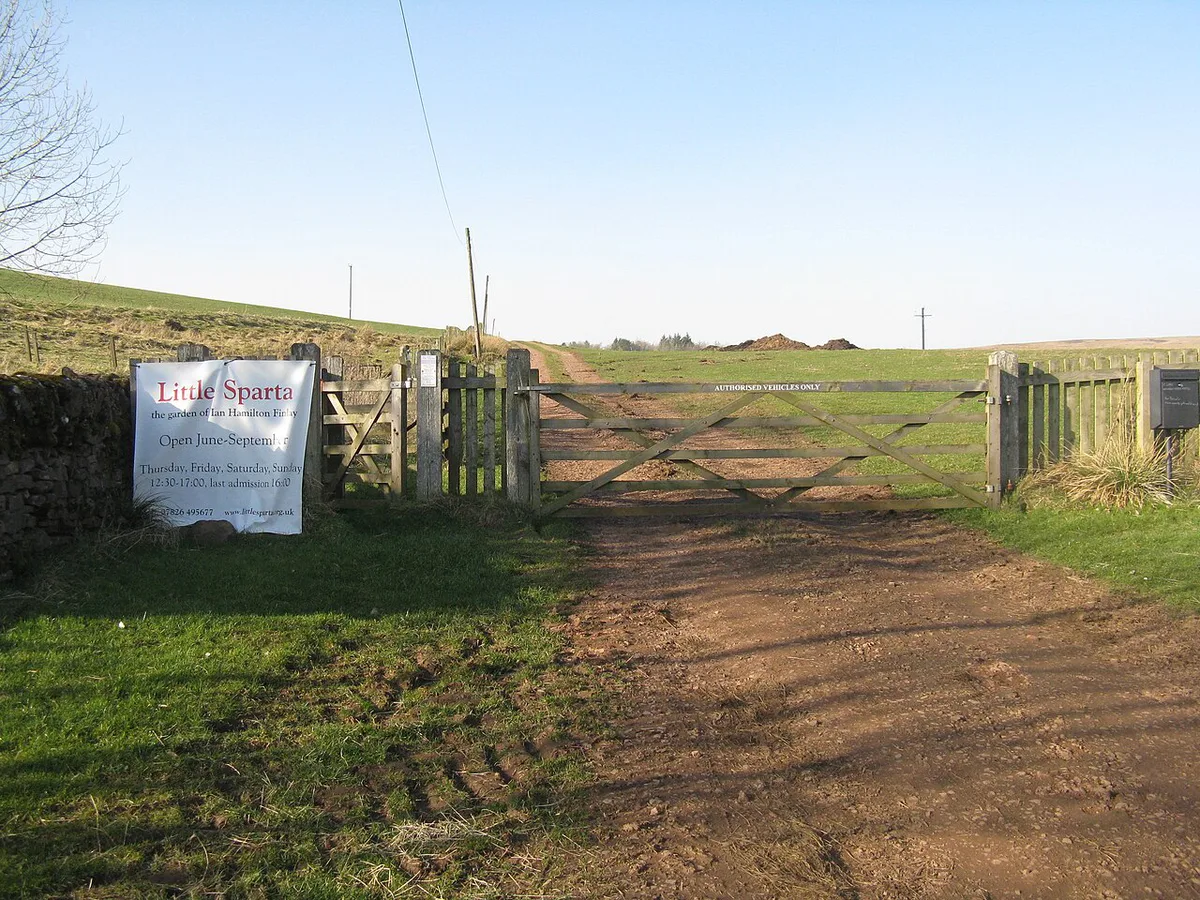
Opening season, days, booking rules and ticket prices are set by the operator and can change. Check the Little Sparta Trust website for current details before you plan the trip.
Getting to Dunsyre from Edinburgh and Glasgow
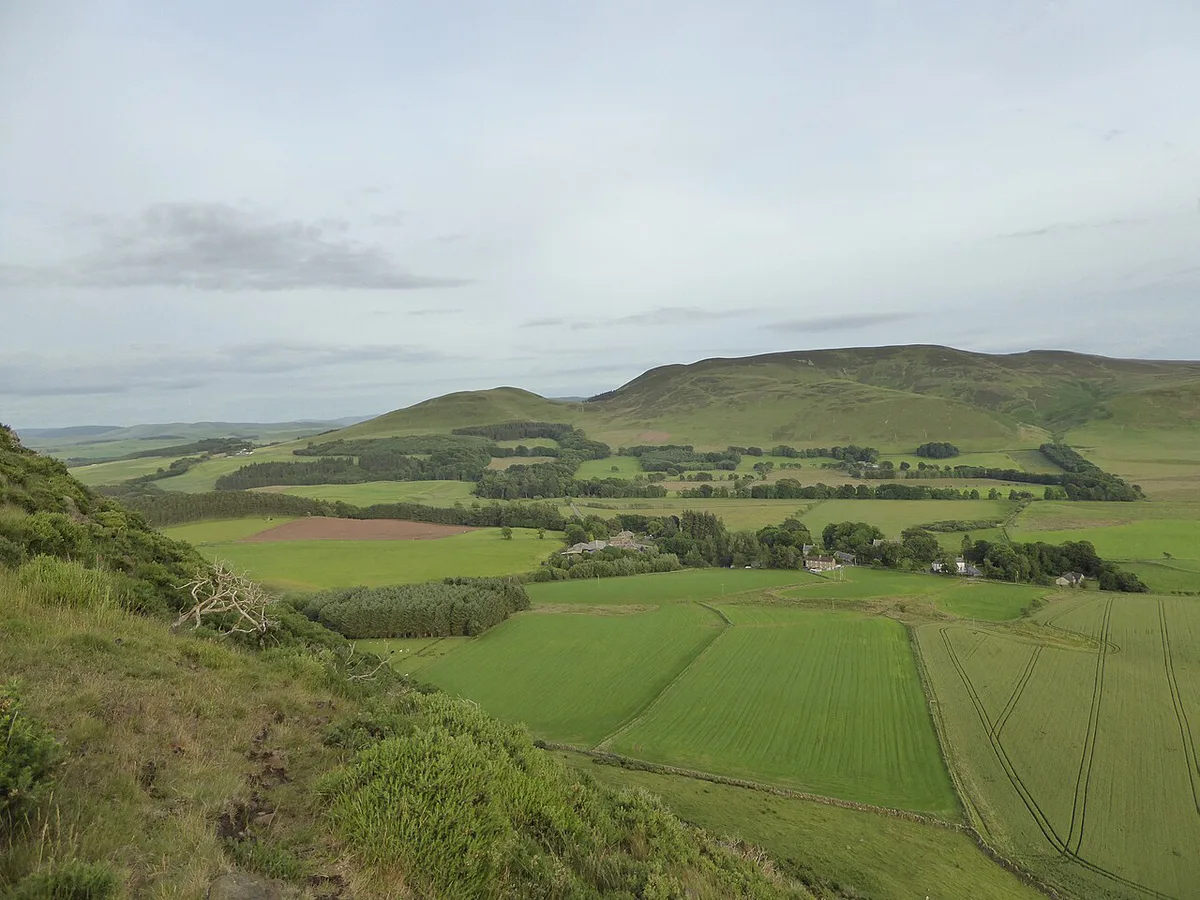
Dunsyre is a rural spot in the Pentland Hills, so plan for country roads at the end of the journey. Check the Trust's directions for parking and for any transport advice. Our guide to Gardens Near Edinburgh: Easy Day Trips and Half-Day Picks helps you compare other day trips from the capital.
How to build a day around the garden
Give Little Sparta a slow, unhurried visit rather than slotting it in between other stops. The ground can be uneven and damp, so wear waterproof footwear. The setting is exposed upland, so bring a windproof layer. Pairing it with a second garden is possible, but check the road distances yourself first. Dawyck Botanic Garden is a plant-led alternative if you want a horticultural day instead; see the Dawyck guide.
- Go for a half day if you want a focused look at the inscriptions and Lochan Eck.
- Choose a full day if you plan to pair the garden with another stop or a hill walk.
- Avoid arriving without checking the booking rules.
- Avoid expecting a botanic garden with labelled plant collections.
Who should go and who should skip
This is a niche, art-led visit rather than a crowd-pleaser. It suits people who like poetry, sculpture and design. Families, mobility-limited visitors and anyone expecting flower borders should check the policies and the terrain first. Ask the Trust directly about access, dogs and children.
| Visitor | Fit | What to do |
|---|---|---|
| Art, poetry and design fans | Strong fit | Allow a slow visit and read every inscription |
| Plant lovers | Weak fit | Choose a horticultural garden from our Scotland guide |
| Families with young children | Check first | Ask the Trust about child and dog policies |
| Mobility-limited visitors | Check first | Ask the Trust about paths and access before booking |
Best season and time of day
Opening months are set by the Trust, so check them first. Light, water and planting all change through the season. Low sun can make Lochan Eck and the carved lettering easier to read. The exposed upland setting means weather can turn quickly, so dress in layers.
Little Sparta vs other Scottish gardens
Most Scottish gardens reward plant lovers. Benmore Botanic Garden: Redwoods & Rhododendrons Guide is known for its trees. Crarae Garden: Visitor Guide to Loch Fyne's Glen Garden suits those who want a woodland glen. Drummond Castle Gardens: Visit Guide and Tips offers formal design. Little Sparta is different because the art is the point, and the plants support the poetry. Pick it if ideas matter more to you than blooms. For more options, return to our Scottish gardens hub.
How to Look Around Little Sparta
Little Sparta rewards a slower approach than a conventional garden visit. Ian Hamilton Finlay and Sue began making it in 1966. Let each inscription lead your attention towards its nearby water, planting or stonework. The point is often in that relationship, rather than in a single object.
The garden is often described as covering 5 acres, but it does not need a rigid route. Begin at Lochan Eck, then pause wherever words and landscape meet. Read carved lines aloud if you can. Look at the reflections, reeds and rushes before moving on.
Do not rush to identify every allusion to antiquity. Notice recurring contrasts instead: formal stone beside living plants, still water beside emphatic language, and old-looking forms within a changing landscape. Waterproof footwear and a windproof layer make it easier to linger on uneven, damp ground.
Bloom-season notes
Optional updates when we add or revise garden guides.
Continue reading
Guides on the same trip