Heather in the Netherlands: Where and When to See Bloom
Plan a heather trip in the Netherlands: late-summer bloom timing, heathland regions including De Kempen, Veluwe and Schoorl, and how to pair it with gardens.
Last updated November 2026. Heather in the Netherlands (heide in Dutch) is a late-summer bloom, with the usual window running from August into early September. The main regions are the Veluwe, Hoge Veluwe, the dunes around Schoorl and the quieter heathland of De Kempen in Brabant. Pick by how you travel: Veluwe for variety, De Kempen for space, and a garden stop if you want a second plan.
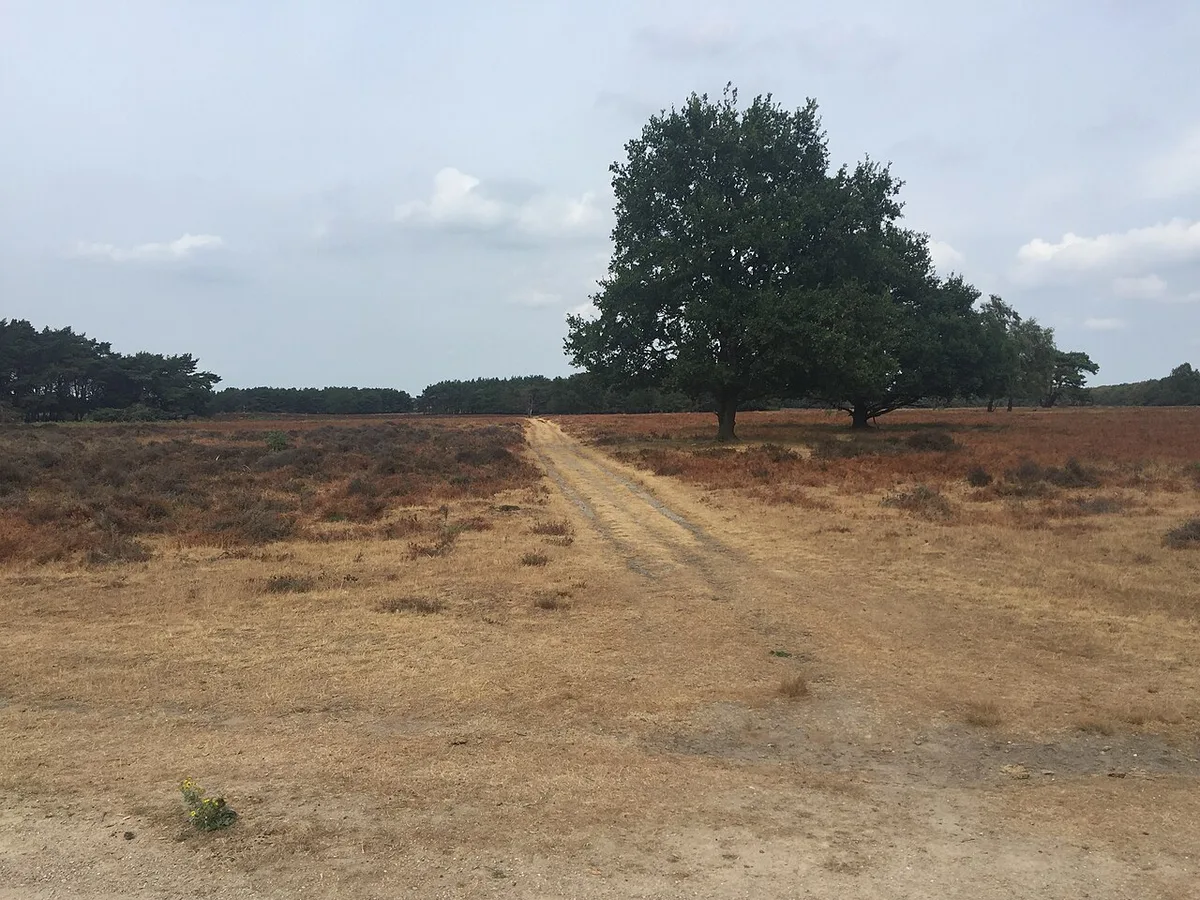
Featured image: Jos Dielis, CC BY 2.0, via Flickr.
Heather in the Netherlands: bloom timing
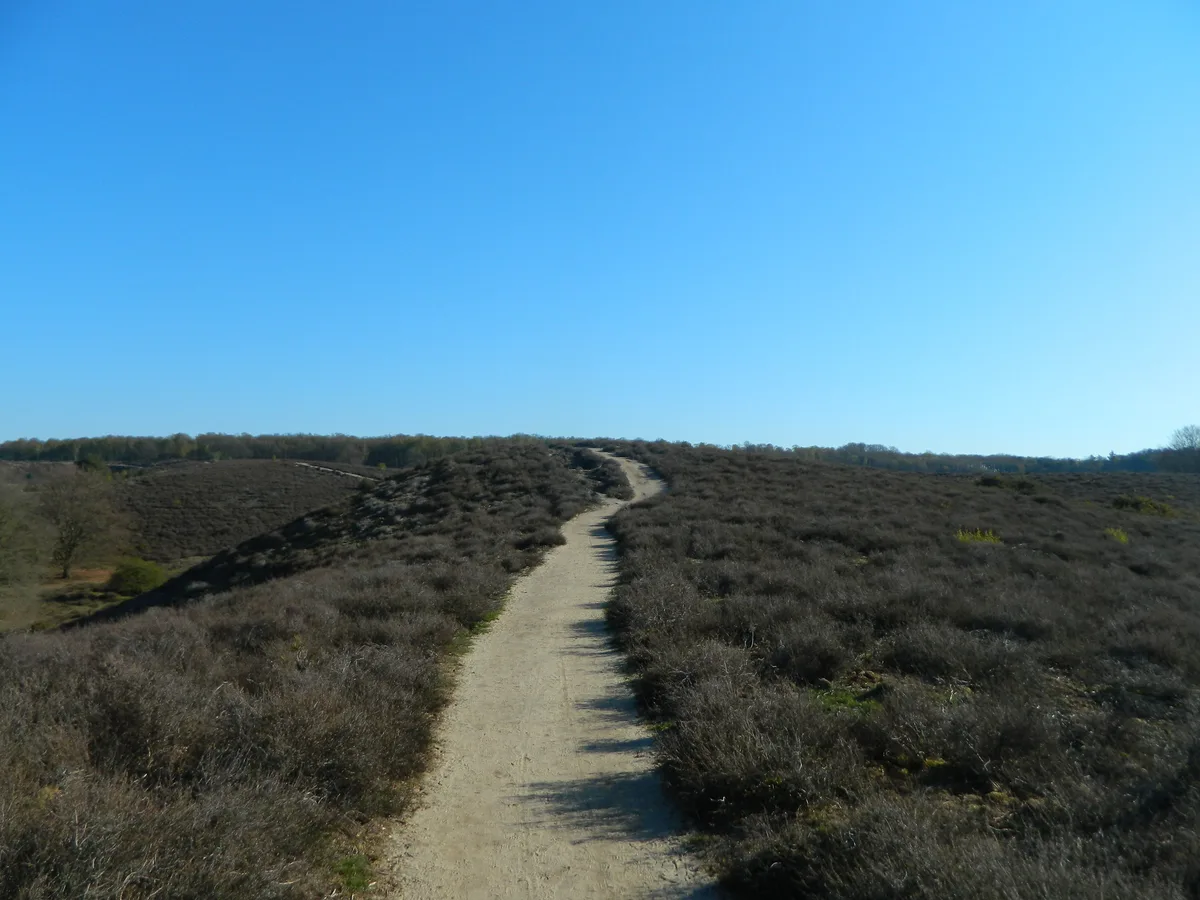
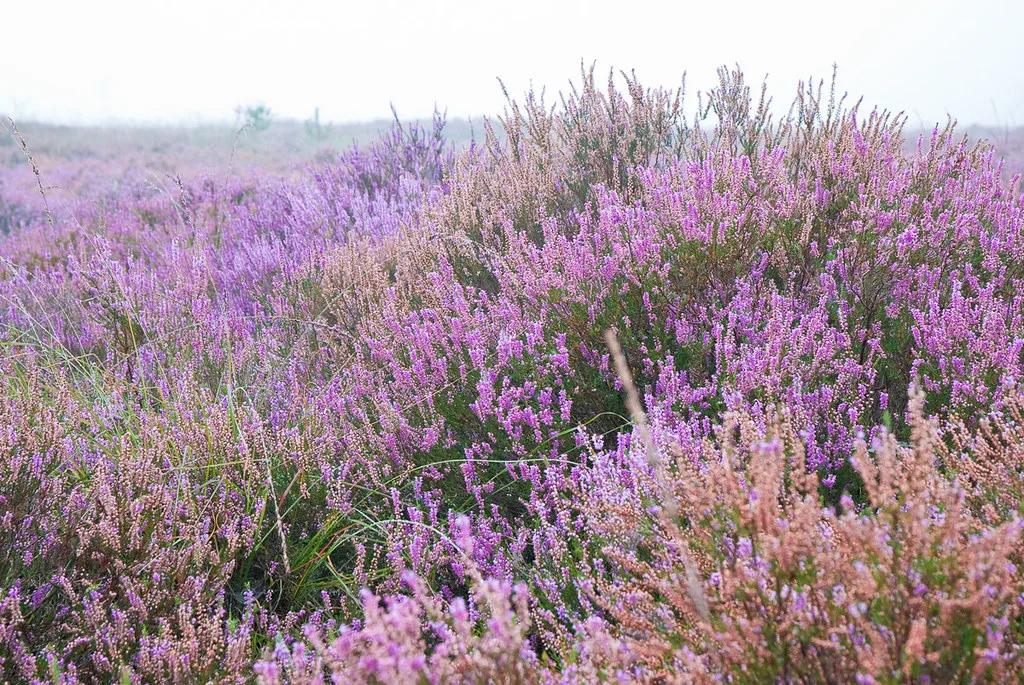
Common heather (Calluna vulgaris) flowers from August to early September, which is the window nature and tourism bodies publish. Peak shifts with the summer. A warm, dry spell can pull the bloom earlier, and a cool summer can push it later. Past peak, the purple fades to brown and the heath looks tired. Check the managing body's current bloom update, such as Staatsbosbeheer's heathland pages, in the week you plan to travel. Prices and access rules for individual sites change, so use the official pages rather than older listings.
Where to go: heathland regions compared
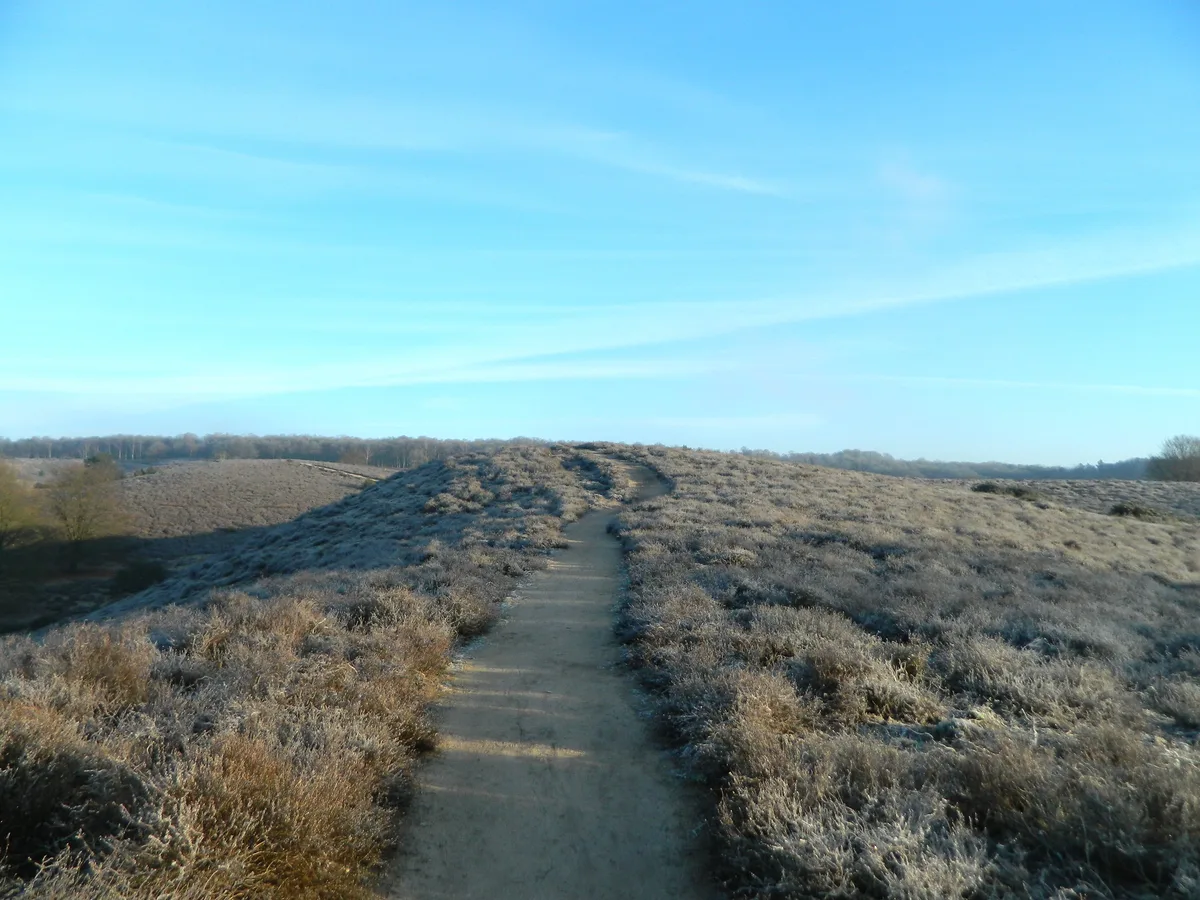
Heather is wild or semi-natural heathland, not a managed garden. Each region suits a different traveler.
| Region | Best for | Getting there and access |
|---|---|---|
| De Kempen (Brabant) | Quieter heath for walkers and cyclists who want space | Best by bike or car; check the managing body for access rules |
| Veluwe and Zuiderheide, near Hilversum | The classic misty-sunrise heather landscape | Reachable by car, with walking routes on site |
| Hoge Veluwe National Park | A protected park setting | Has its own entry rules; check the official site for current details |
| Schoorl and the North Holland dunes | Heath mixed with dune scenery | Good if you want coast and heather together |
- De Kempen (Brabant): quieter heath for walkers and cyclists who want space. Best by bike or car.
- Veluwe and Zuiderheide, near Hilversum: the classic misty-sunrise heather landscape that photographers chase. Reachable by car, with walking routes on site.
- Hoge Veluwe National Park: a protected park with its own entry rules.
- Schoorl and the North Holland dunes: heath mixed with dune scenery. Good if you want coast and heather together.
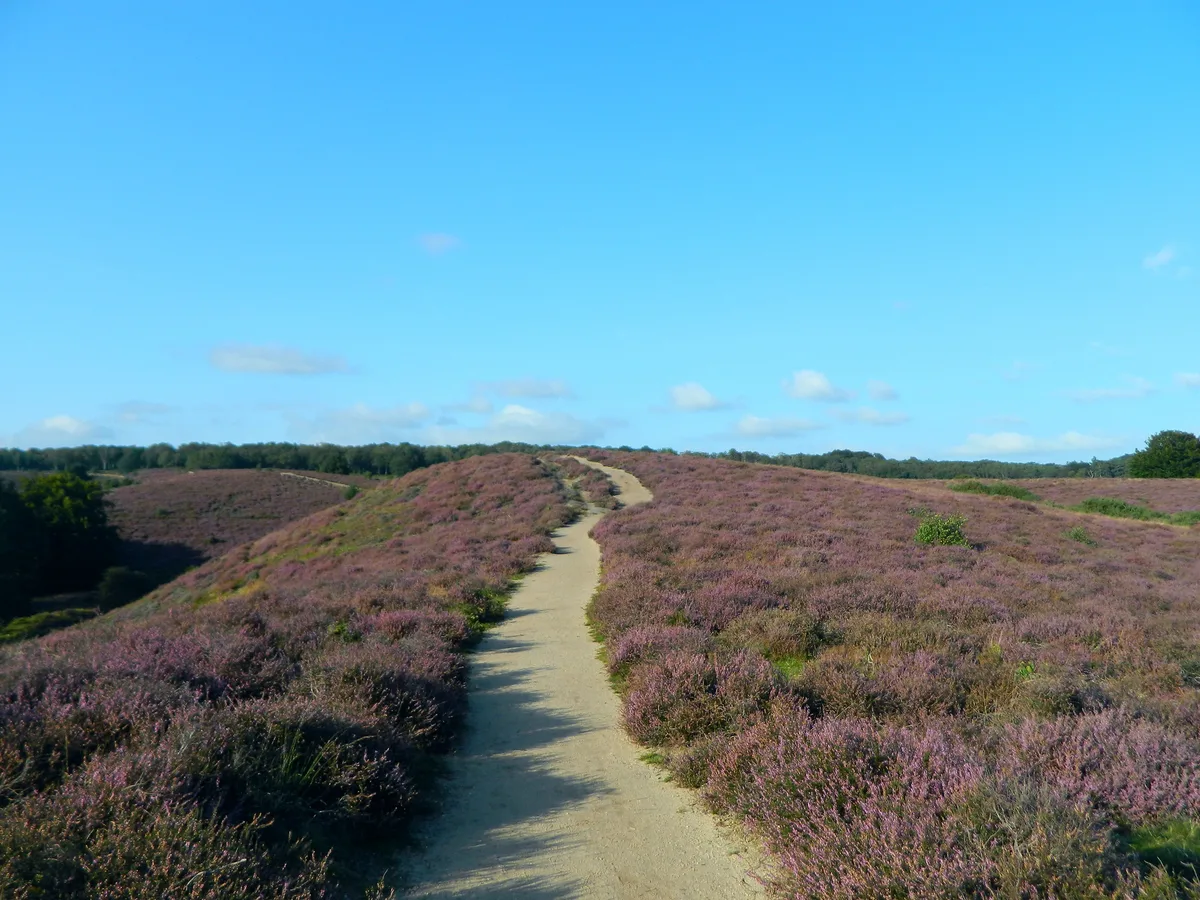
De Kempen heathlands
De Kempen is the Brabant-side option, a sandy region on the border with Limburg and Belgium. It is the right pick when you want heath without Veluwe crowds. Natuurmonumenten's Kampina reserve is the heathland name to start with. Brabants Landschap also manages nature areas in the region. Public transport usually gets you to a nearby town, not to the heath itself. Plan the last stretch by rented bike or on foot.
How to plan your visit
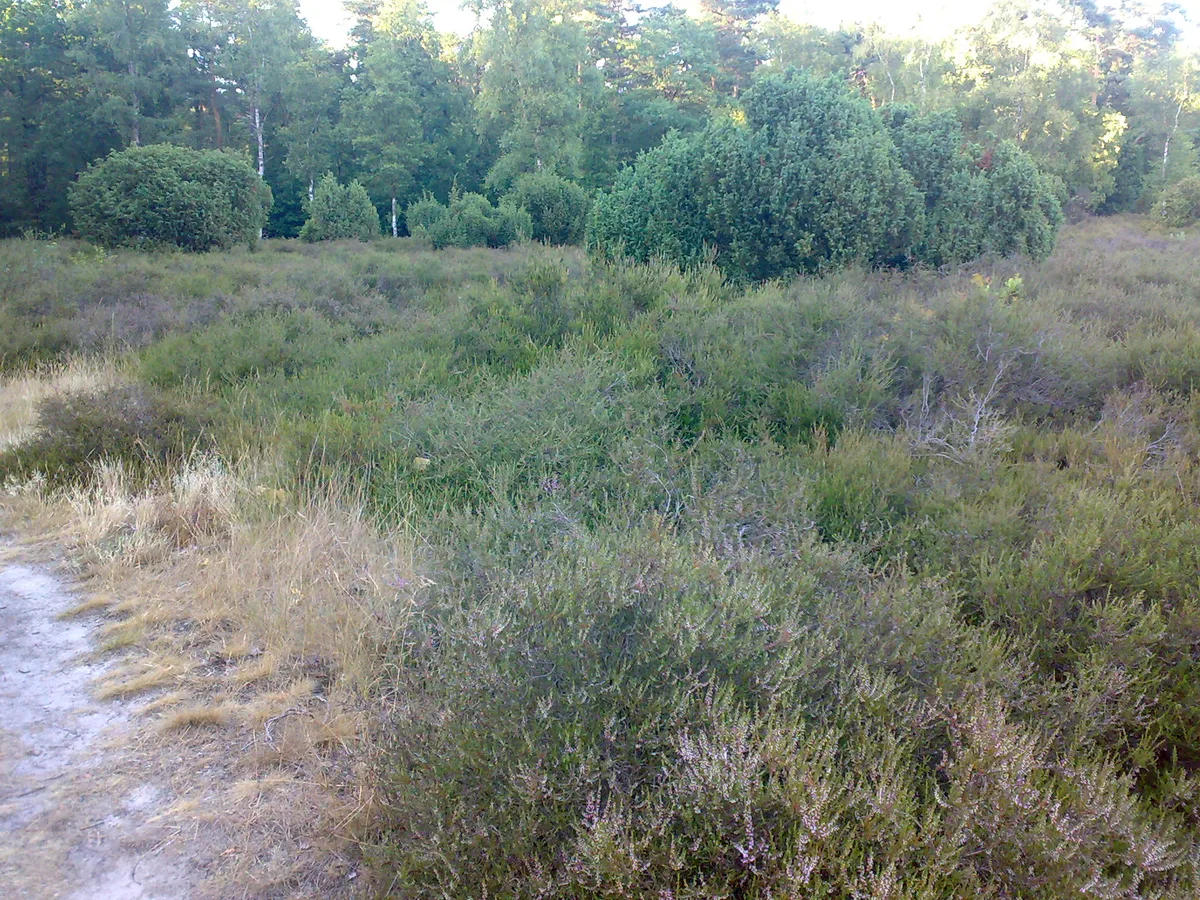
Allow a half day for one heathland, and do not try to see several regions in a single day. Go on a weekday morning if you can, because weekends bring more cars to small parking areas. Photographers get the mist and low light around sunrise. Wear closed shoes with grip, since heath paths are sandy and uneven. A car-free trip works best when you base yourself in one town and cycle out. Bring water and a layer, because open heath offers little shade.

Rules and etiquette on the heath
Stay on marked paths, because trampling damages the heather and the ground-nesting wildlife. Do not pick the plants. Grazing sheep may use some areas, so keep dogs under control and follow posted signs. Rules differ by area, so read the entrance board or the managing body's page. After a walk, check your legs and clothing for ticks.

Combine heather with gardens
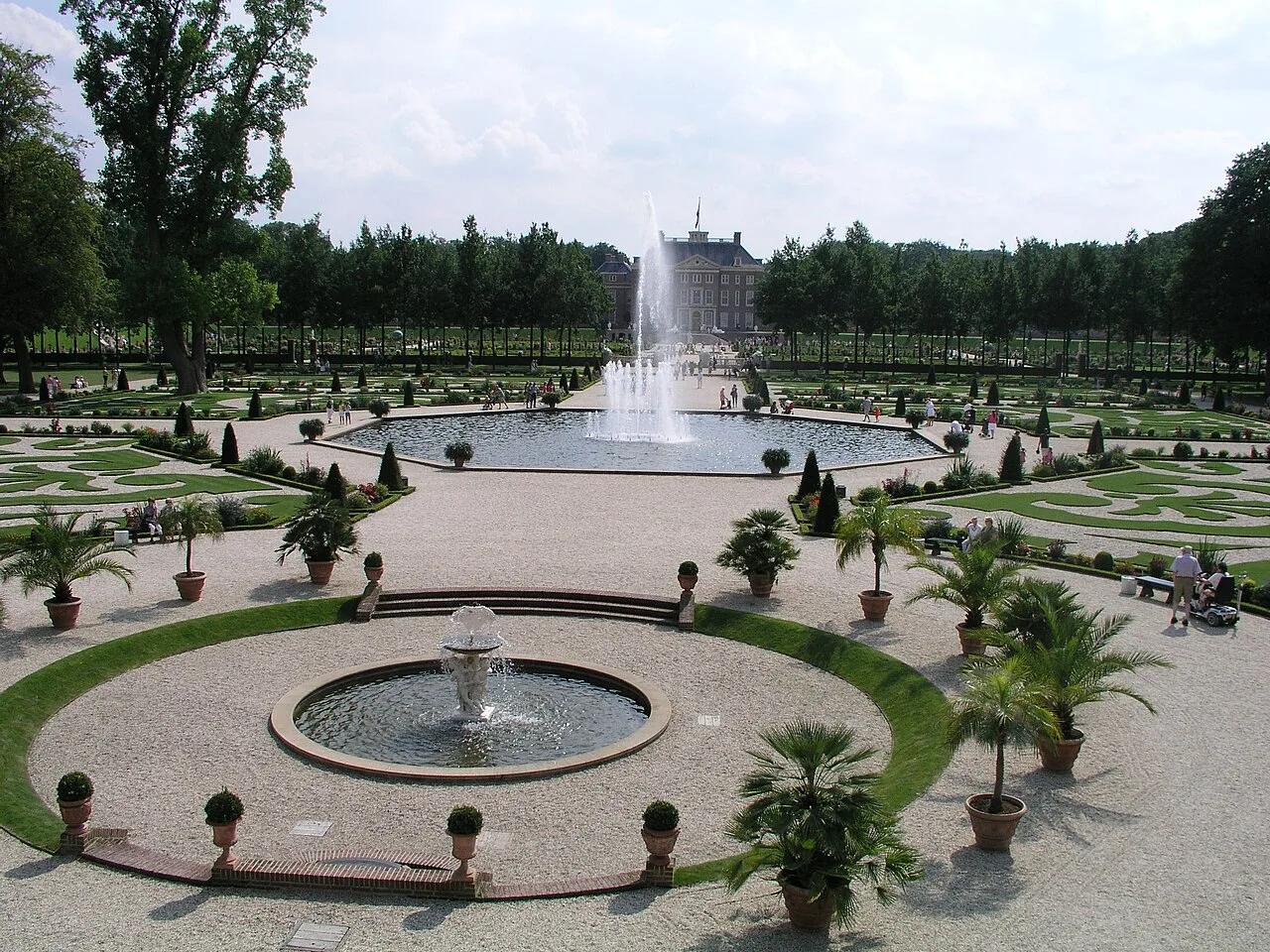
Wild heath and cultivated planting make a good contrast within one trip. Our guide to gardens in the Netherlands covers the cultivated side. For a Veluwe day, Het Loo's palace gardens are the closest pairing the cluster offers. Beyond that, Piet Oudolf's garden in Hummelo shows naturalistic planting designed on purpose. Mien Ruys Gardens Guide: Visiting Dedemsvaart show how designed borders differ from true heath. Garden seasons run longer than heather, so plan the heath stop first and fill the rest around it.

Mistakes to avoid
Most disappointing heather trips come from a few predictable errors.
- Arriving after peak, when the bloom has faded to brown.
- Assuming a bus or train reaches the heath itself.
- Packing several regions into one day.
- Wearing smooth-soled shoes on sandy paths.
- Leaving the path to get a closer photo.
A simple heather day: choose one landscape
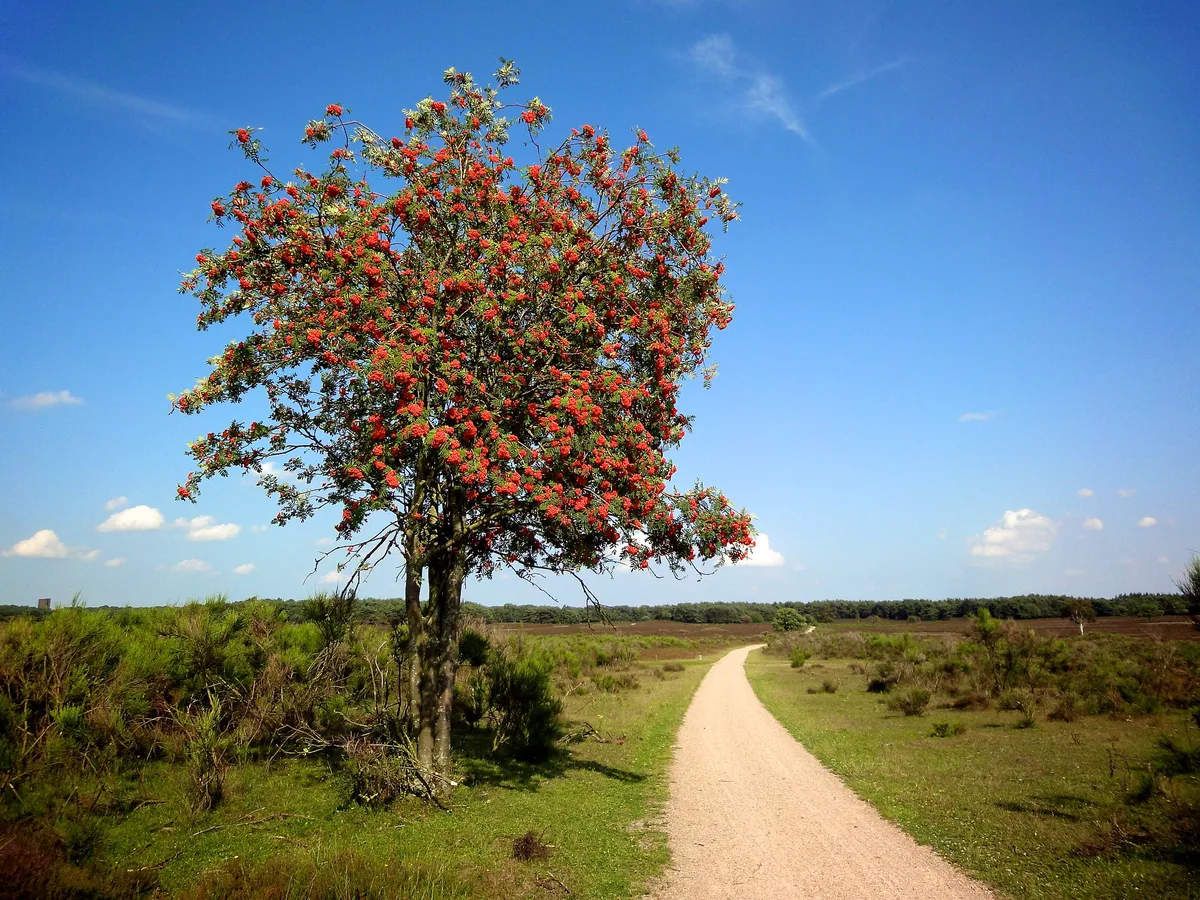
Plan around 1 heathland rather than trying to cross the country for several purple landscapes. The character of the setting matters more than the number of stops. De Kempen suits a quieter walk or cycle in Brabant, while Veluwe and Zuiderheide suit a classic open-heath outing. Schoorl works best when dune scenery and the coast are part of the plan.
Allow at least half a day for the heath itself. This leaves time for slow walking, cycling, photographs and the last-mile journey from a nearby town. A 1-day outing can also combine Veluwe heath with Het Loo’s palace gardens, but check the map and current access details before committing to both.
Choose a weekday morning when possible. Small parking areas can fill on weekends, and early light is useful for photographs. Keep the plan flexible: the usual flowering window runs from August into early September, but weather can move the peak earlier or later.
Bloom-season notes
Optional updates when we add or revise garden guides.
Continue reading
Guides on the same trip