Palacio de Viana, Córdoba: Patios and How to Visit
The Palacio de Viana in Córdoba has 12 courtyards and a small museum. See who it suits, when to go and what to check before you visit.
Last updated November 2026: the Palacio de Viana is a 15th-century aristocratic palace on Plaza de Don Gome in Córdoba, known for its 12 courtyards. Inside, a small museum shows artworks, antique furniture and tapestries. This guide helps you decide whether it earns a place in your Córdoba days, and it links to our wider look at gardens across Spain.
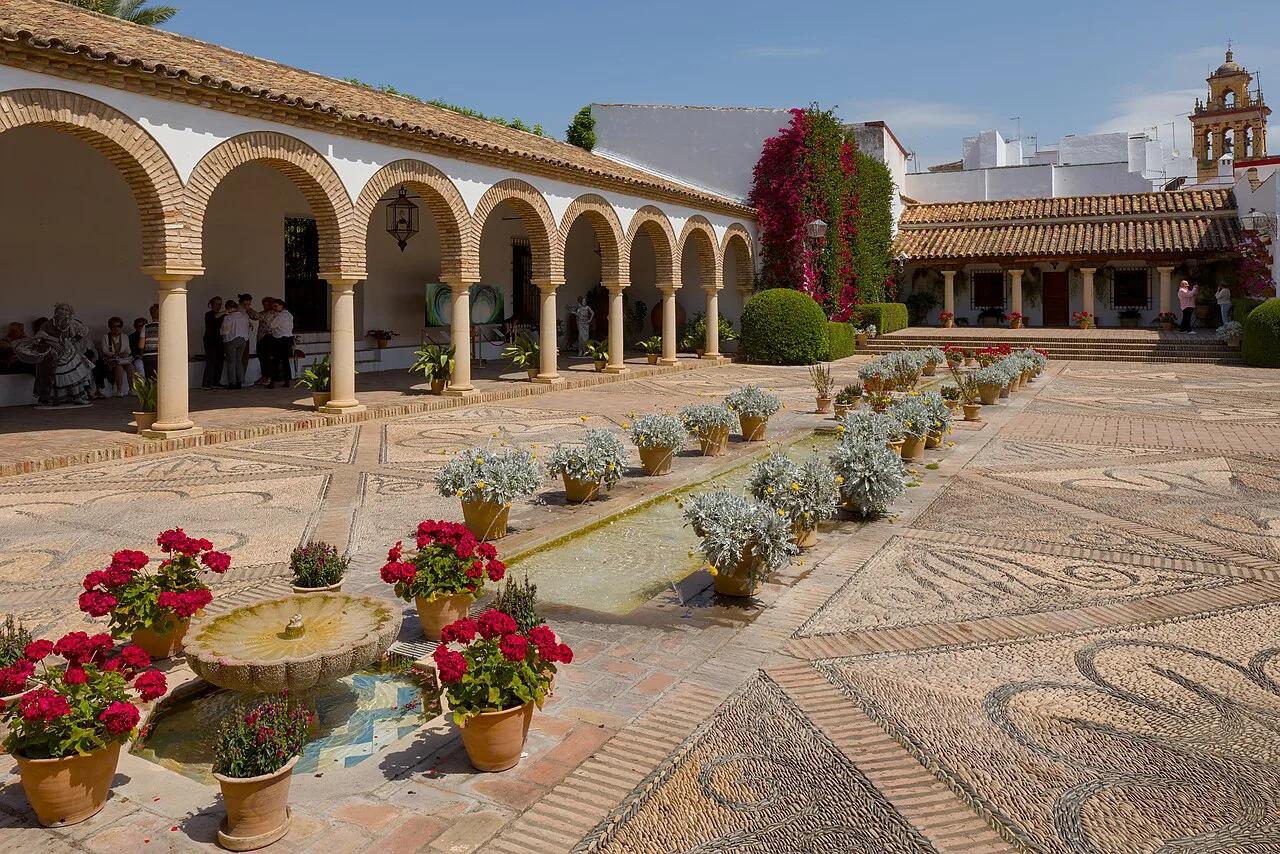
Featured image: Benjamin Smith, CC BY-SA 4.0, via Wikimedia Commons.
What the Palacio de Viana is
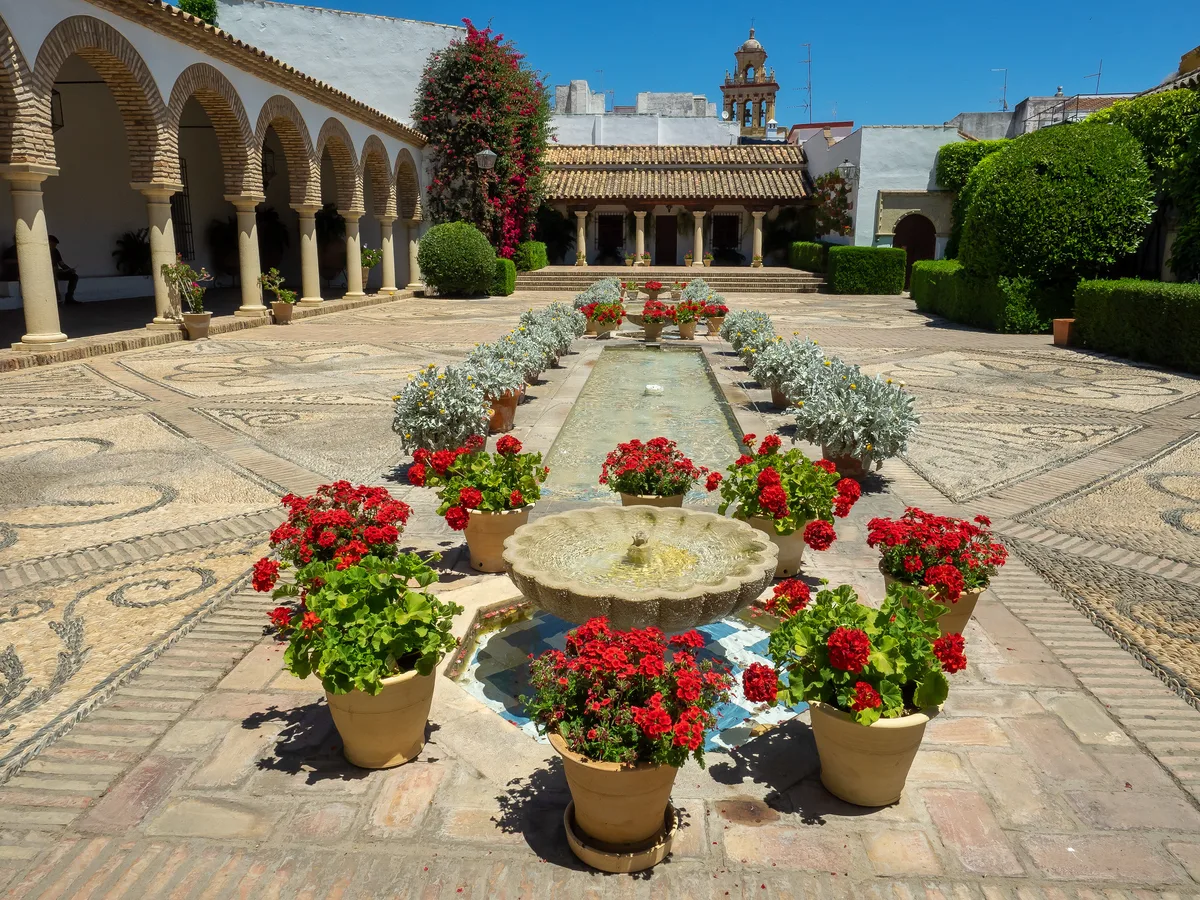
Palacio de Viana is a historic house, not a botanical garden. Its 12 courtyards hold plants, flowers, pools and fountains. Some sources count the patios differently, so around a dozen is a safe description. Beyond the courtyards, the house shows artworks, antique furniture and tapestries. Taxi drivers and maps will know it by its address on Plaza de Don Gome. English-language listings sometimes call it the Viana Palace.
- Where: Plaza de Don Gome, Córdoba, Andalusia
- Age: a 15th-century aristocratic palace
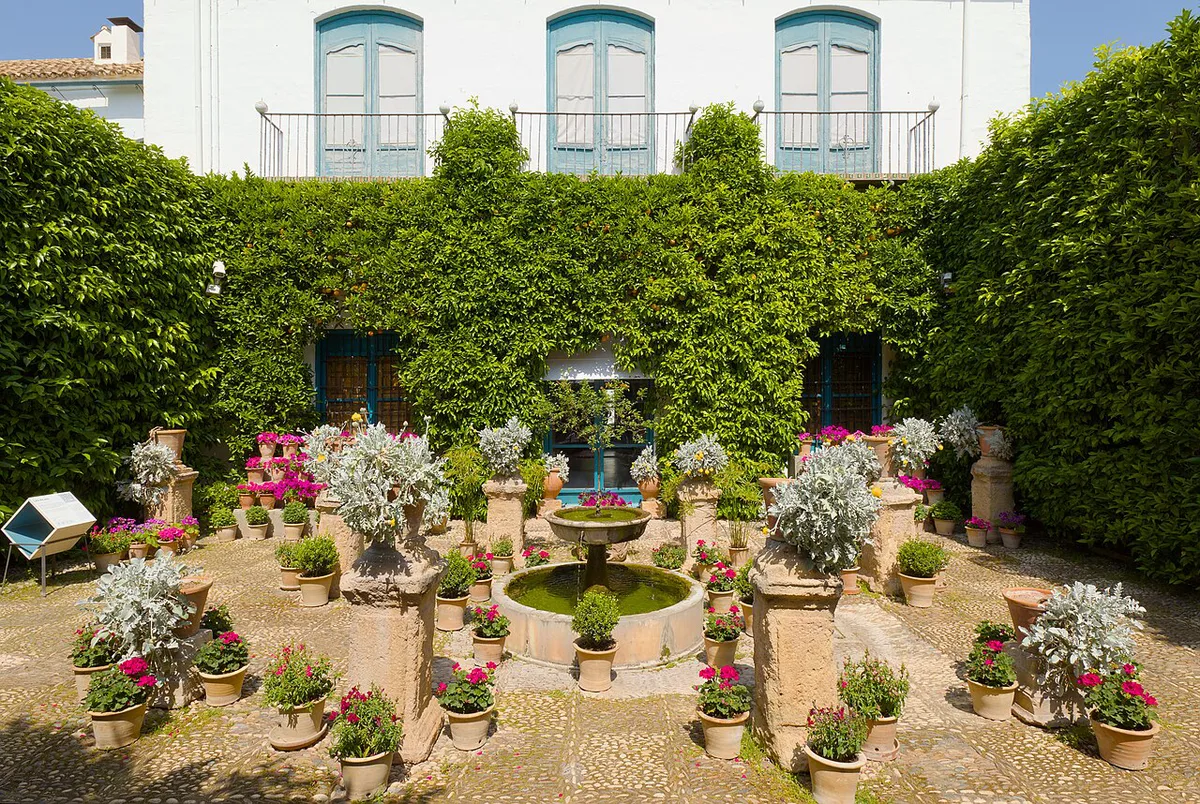
- Courtyards: 12, with plants, flowers, pools and fountains
- Interior: a small museum of artworks, antique furniture and tapestries
- Hours and tickets: set by the palace and listed on the official pages linked below
History of the Palacio de Viana and the Viana family
The palace takes its name from the Marquises of Viana, the noble family that owned and lived in it for generations. Like many Córdoba noble houses, it was built up over time rather than designed in one go. The 15th-century core was extended and reworked, and the courtyards were added as the household grew.
That layered history explains why the visit feels like a house rather than a purpose-built museum. Rooms open onto courtyards because the family lived around them, using the patios for light, shade and cooling in the Andalusian summer.
Today the palace is open to visitors as a house-museum and is run by the Fundación Cajasur, a Córdoba foundation. That matters for planning, because the foundation sets the visiting arrangements rather than the city's main monument authorities.
- Who lived here: the Marquises of Viana, a Córdoba noble family.
- What survives: the 15th-century house, its courtyards and the furnished rooms.
- What it is now: a house-museum with a courtyard circuit.
Reading the house as a family home also helps with the interior. The furniture and tapestries were chosen to furnish daily life, so they sit alongside the courtyards rather than apart from them.
Is the Palacio de Viana worth visiting?
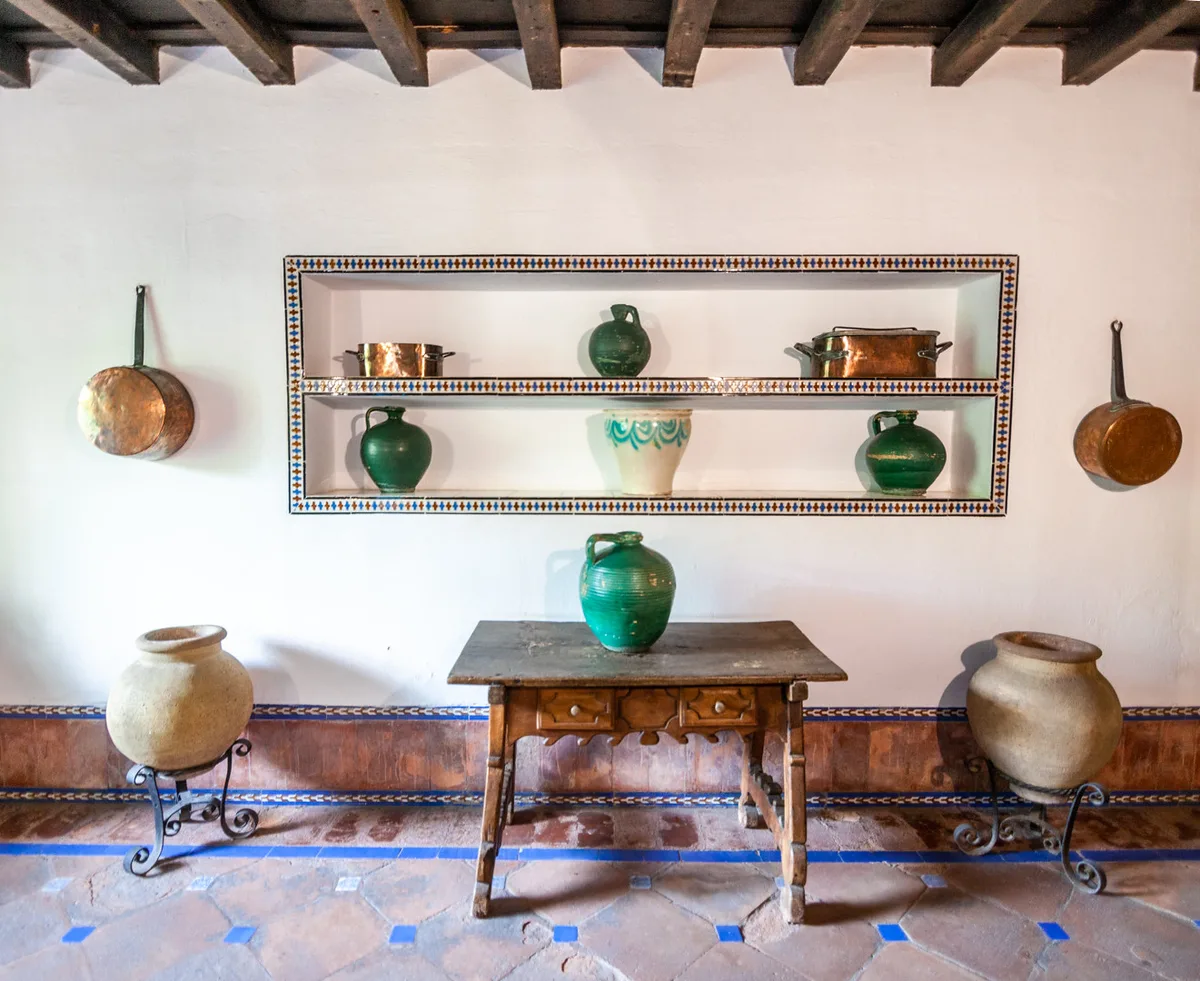
Garden and patio lovers get the most from it. Slow-paced travellers and repeat visitors to Córdoba will also find it rewarding, because it is a quieter kind of sight than the Mezquita-Catedral. Skip it if you have one short day and only want the Mezquita-Catedral. Visitors worried about heat or mobility should weigh the open-air courtyards before committing. For another way to see local courtyards, read about Córdoba's patio festival. Palacio de Viana puts 12 courtyards inside one house.
- Go if you enjoy courtyards, planting and the sound of fountains.
- Go if you have already seen the main monuments and want a calmer stop.
- Skip it if your stay is a single short day.
- Skip it, or plan carefully, if midday heat or uneven ground is a concern.
The patios of the Palacio de Viana: what to look for
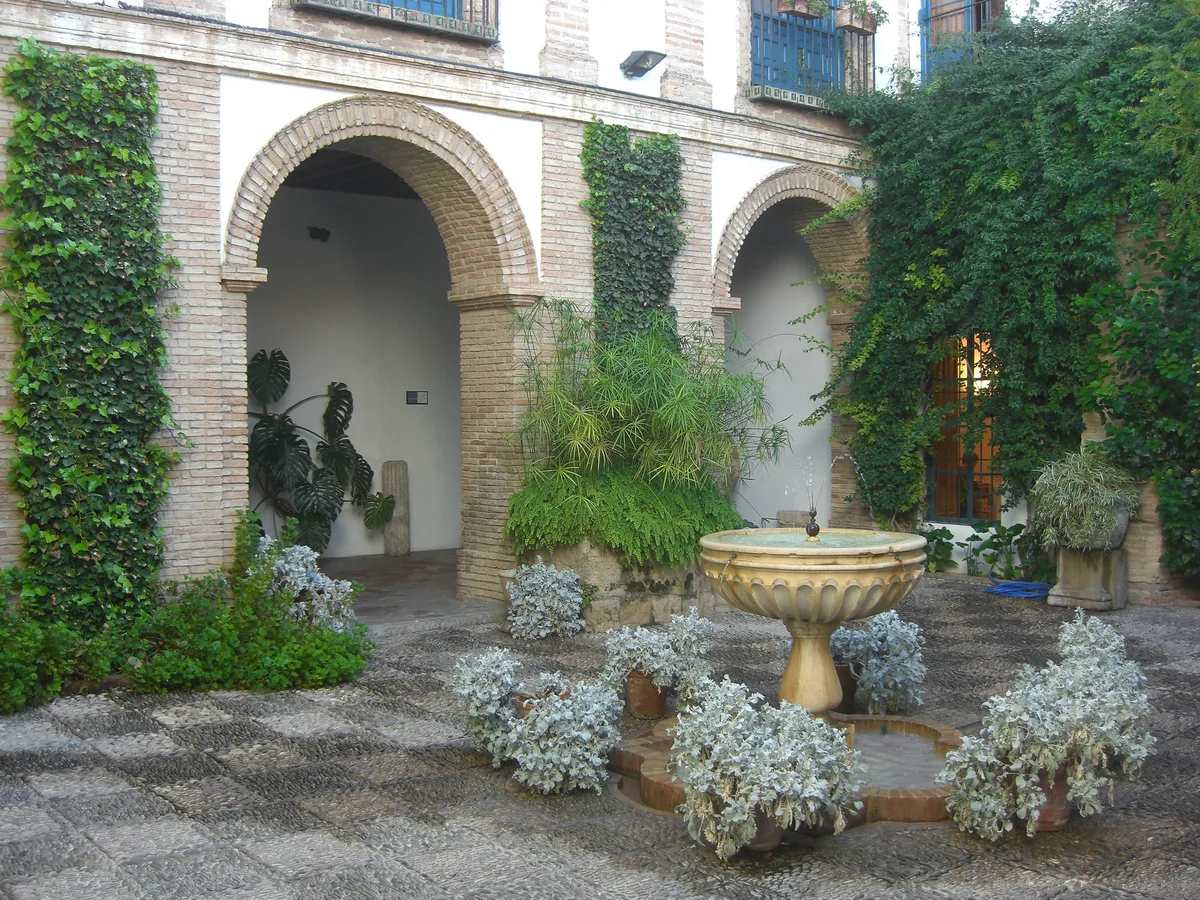
Treat the visit as a walk through 12 separate courtyards rather than one garden. Each is a small room open to the sky, with its own mix of plants, flowers, pools or fountains. Compare how water and planting change from one courtyard to the next. Pausing in each one matters more than covering ground quickly. Courtyard culture is the whole point of Córdoba's patio traditions, and this palace shows it inside a noble house. Expect an enclosed, shaded and intimate scale rather than open lawns or long garden vistas.
Named courtyards worth finding on your route
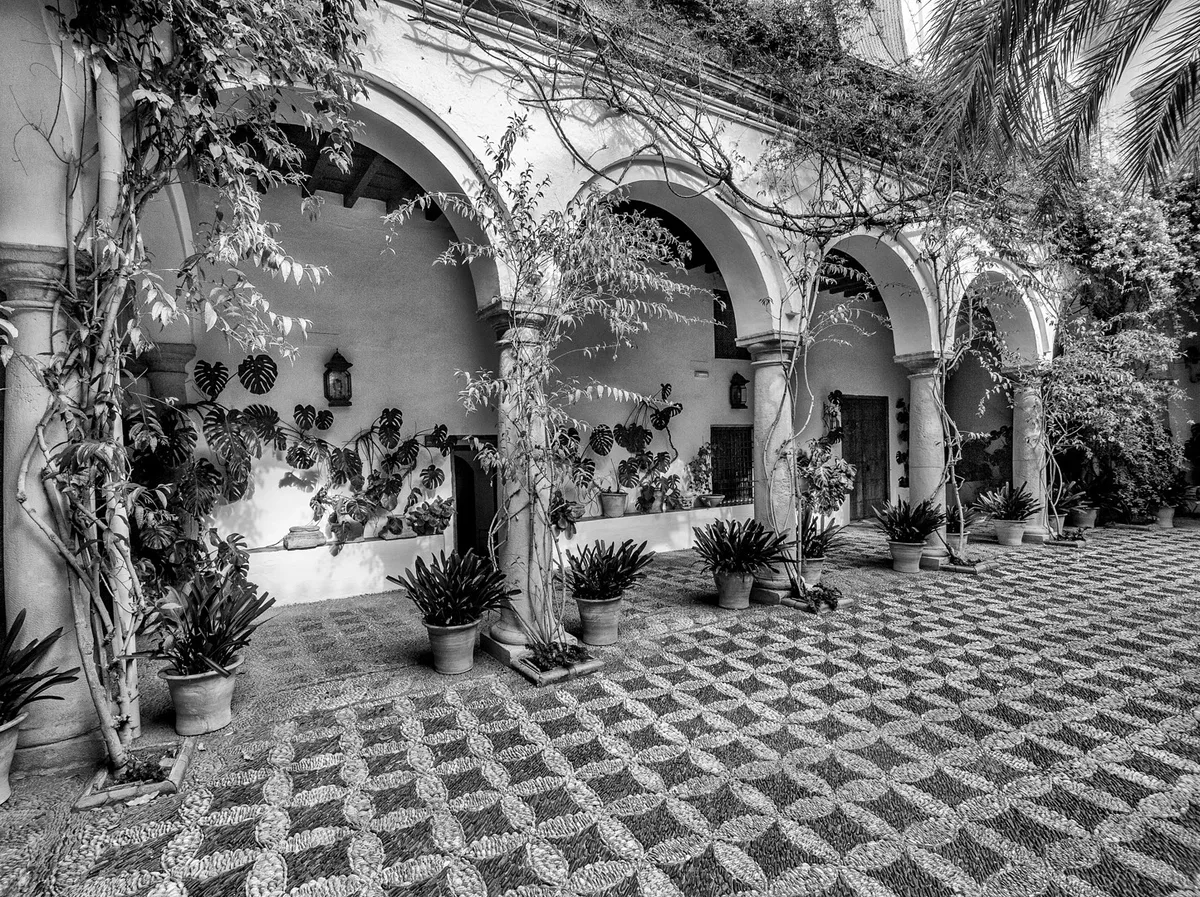
The palace's courtyards have individual names, and knowing a few helps you read the circuit rather than treating the 12 as one blur. The exact route and which spaces are open can vary, so follow the palace's own signage and staff directions.
- Patio de los Gatos: one of the best-known courtyards and a good one to look for early on.
- Patio de la Madama: a more intimate space, useful for comparing planting with the larger courtyards.
- Patio de las Columnas: noted for its colonnade, which gives it a more architectural feel than the garden-led patios.
- Patio del Recibo: historically the formal entrance space, so it shows how the house presented itself to visitors.
- Patio de la Capilla: linked to the house's chapel and quieter in character.
Beyond the patios, the palace also has a larger garden area. It is a different experience from the enclosed courtyards, so treat it as a separate stop on the circuit.
How to look at each one
Check three things in each courtyard: where the water comes from (pool, fountain or none), what is planted in pots versus in the ground, and how much sky the walls leave open. Those three details separate one patio from the next far more than size does.
If you take photographs, wait a minute in each courtyard for other visitors to move on. The spaces are small, and the best angles are usually the ones that include the surrounding walls and arches.
The museum interior
Inside, the collection covers artworks, antique furniture and tapestries. Described as a small museum, it asks for less time than a major gallery. Rooms of furniture and tapestries show how an aristocratic household was arranged around its courtyards. Whether the interior needs a separate ticket or a guided slot is set by the palace. Current rules are listed through the Córdoba tourism office.
Palacio de Viana tickets, hours and booking
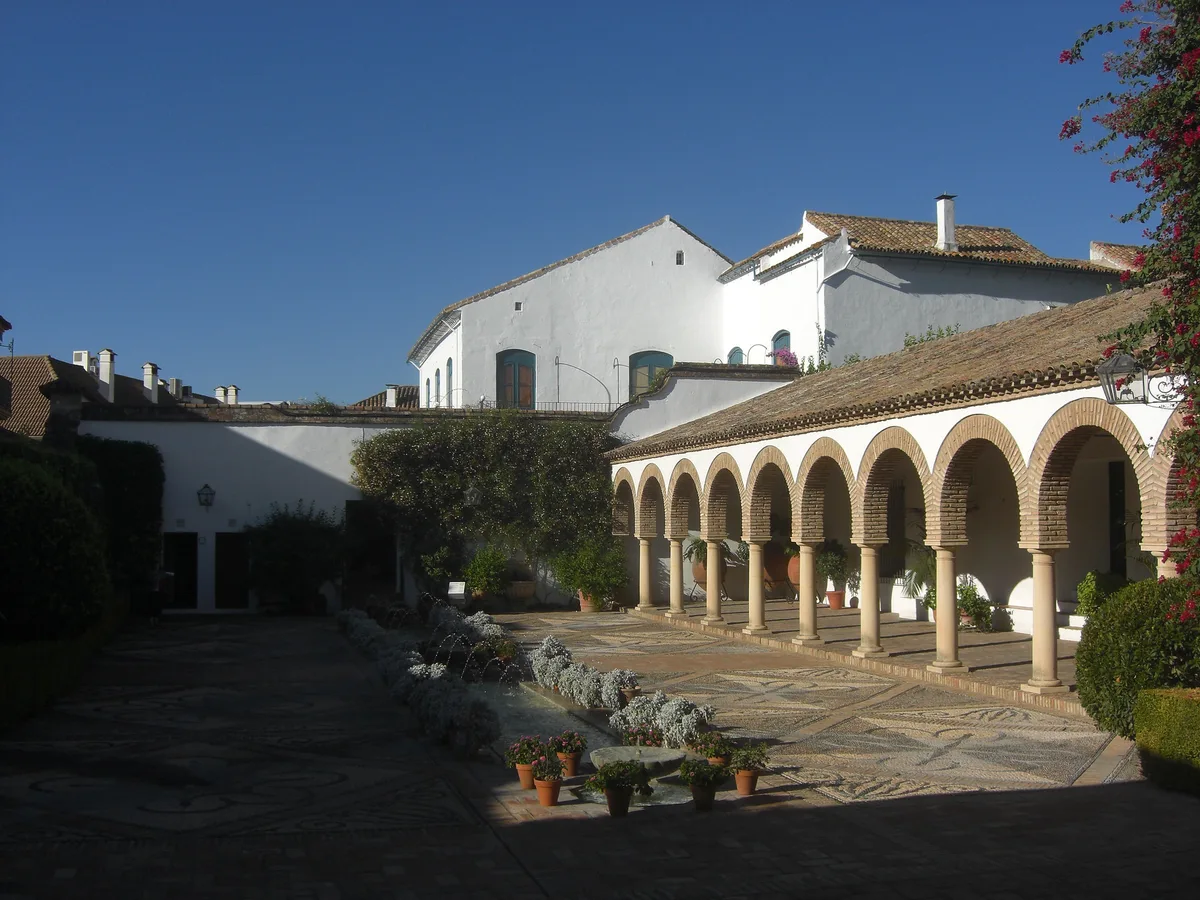
Opening hours, closed days and ticket types for the patios and the interior can change by season, so none are listed here. Check the current schedule on the Córdoba city council site before you go.
How long to allow and when to go
Allow a relaxed block of time rather than a quick stop, since there are 12 courtyards to walk through plus a small museum. A patios-only visit is shorter, and adding the interior stretches it. Season changes the experience more than the clock does. Spring is the time courtyards are most celebrated in Córdoba, and it may also bring larger crowds. Summer midday is the weakest slot for an open-air visit. Morning or late afternoon is the safer plan in hot months.
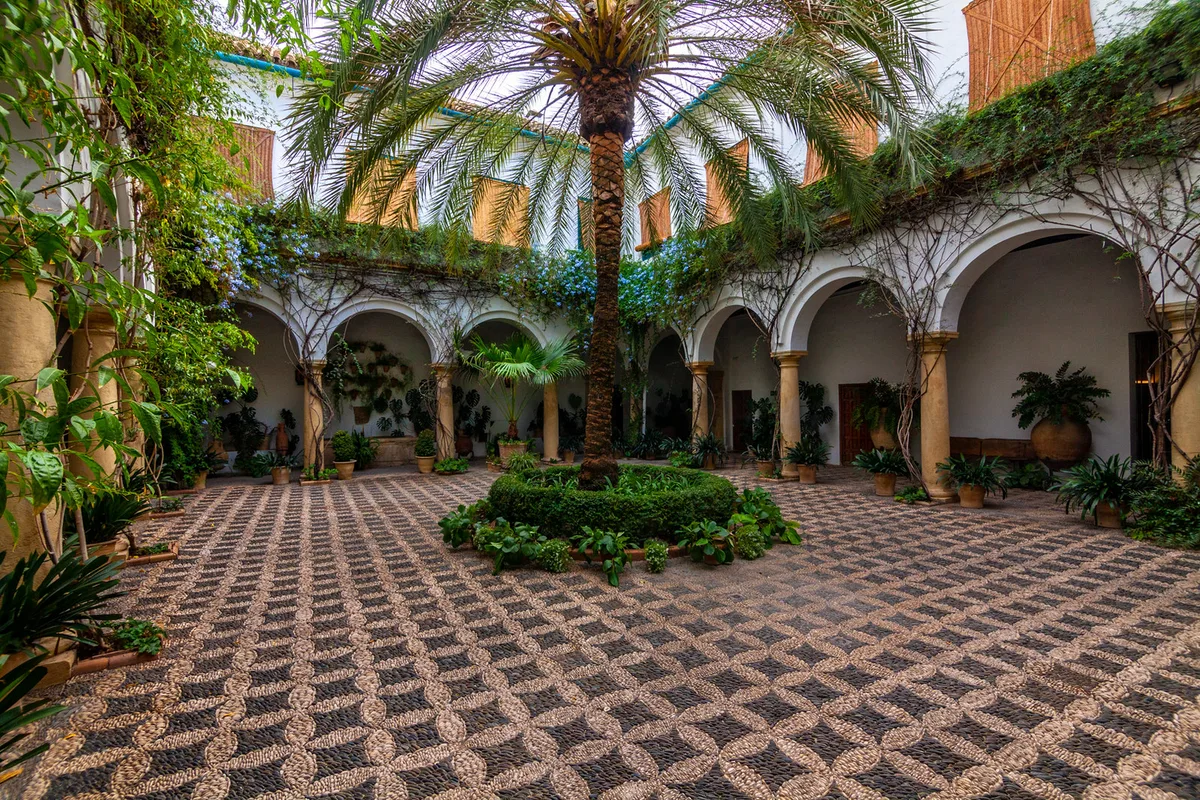
- Spring: best-known courtyard season, so expect more visitors and check access dates.
- Summer: shaded courtyards help, but afternoon heat makes long visits tiring.
- Autumn and winter: milder for walking, though plants look different from spring.
- Patios only: faster, and suits a tight schedule.
- Patios plus museum: slower, and suits a half-day around the old town.
Getting there and access
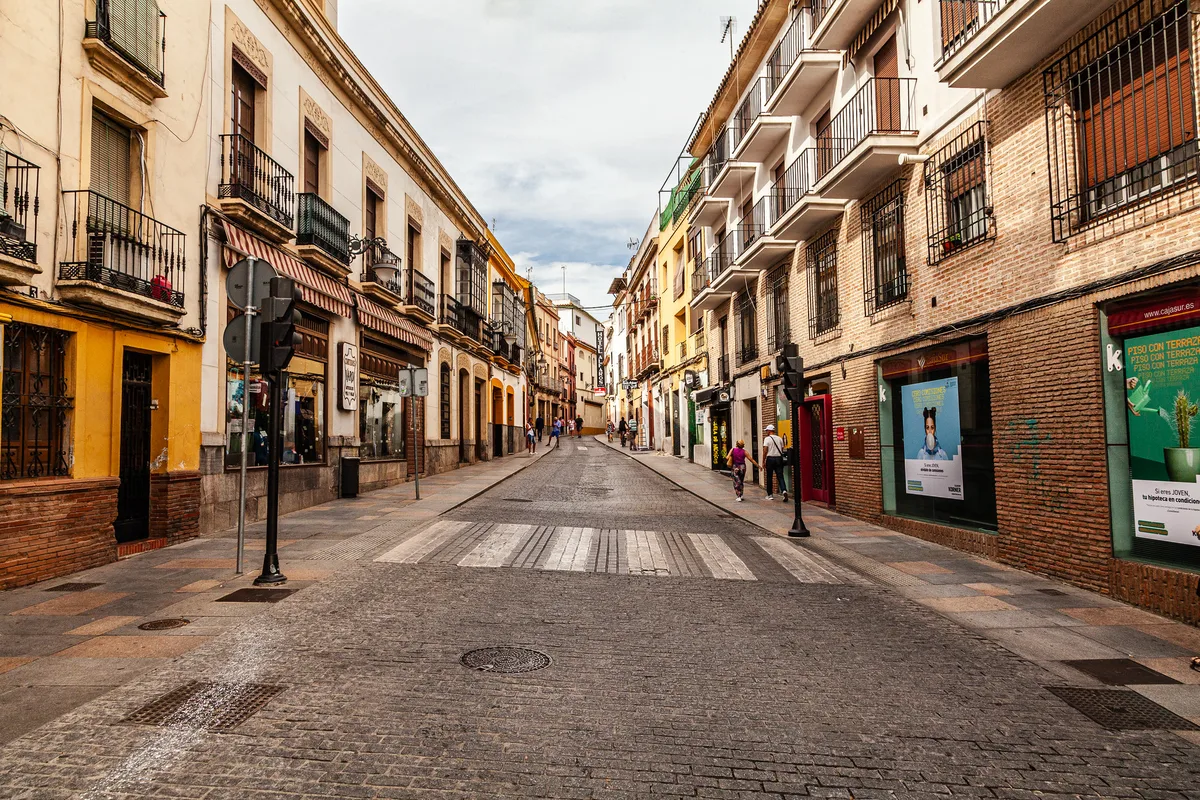
Plaza de Don Gome is in the San Agustín quarter of Córdoba. From the Mezquita-Catedral, walk through the old town streets and use a live map for the current route. A taxi can drop you at Plaza de Don Gome if you arrive from further out. Courtyards are open to the air, and surfaces in historic houses are often uneven. Ask the palace about step-free routes and restrooms before you go.
Mistakes to avoid
A few planning errors cost visitors the most time and comfort.
- Arriving without checking closed days and seasonal hours.
- Expecting a single garden when the site is a set of 12 courtyards.
- Visiting at midday in summer, when the open-air spaces are hottest.
- Ignoring the separate rules for patios and interior.
- Assuming it takes part in the patio festival without checking the festival page.
Pair it with other Córdoba stops and gardens
Pair a morning here with the Mezquita-Catedral nearby, then keep the afternoon free. Visitors who enjoy palace settings can compare it with La Granja's royal gardens. Formal royal landscaping is a very different style from Córdoba's enclosed courtyards. Aranjuez's palace grounds offer another palace-and-garden setting elsewhere in Spain. For the full range of garden types, return to our guide to Spain's gardens.
Bloom-season notes
Optional updates when we add or revise garden guides.
Continue reading
Guides on the same trip